Wednesday, August 5, 2026

Sunday Market Chiang Mai Shopping Hidden Gems and Evening Activities

Sunday Market Chiang Mai Shopping Hidden Gems and Evening Activities

Discover unique shopping experiences and hidden attractions with vibrant evening activities around Chiang Mai’s famous Sunday Market

Crowded street with vendors and shoppers near a temple at sunset in Chiang Mai at Sunday Market Chiang Mai.

The Sunday Market Chiang Mai is not just a bustling shopping destination; it’s a vibrant evening experience that offers travelers a chance to immerse themselves in the local culture while hunting for unique finds. Known also as the Sunday Night Market Chiang Mai or Sun Day Walking Street Chiang Mai, this lively market stretches through the heart of Chiang Mai City, transforming the streets into a colorful tapestry of stalls filled with handcrafted goods, street food, and artistic treasures. As the sun sets, the market’s atmosphere shifts into a dynamic blend of shopping, cultural discovery, and social gathering, making it one of the most captivating things to do in Chiang Mai evening hours. Beyond the obvious appeal of shopping in Chiang Mai, this market area is surrounded by hidden gems attractions Chiang Mai visitors often overlook. These lesser-known sites provide a quiet contrast to the market’s energetic vibe and offer a deeper glimpse into the city’s rich heritage and everyday life. The combination of unique shopping opportunities and nearby cultural attractions creates an engaging itinerary for independent travelers seeking both practical experiences and moments of discovery after dark. Exploring Sunday Market Chiang Mai reveals much more than souvenirs and street snacks; it opens doors to authentic local interactions and the chance to explore historic temples nearby. Whether you are a seasoned traveler or visiting Chiang Mai for the first time, the market’s blend of shopping variety and hidden gems makes it a memorable highlight of any evening in the city.

Exploring the Shopping Variety at Sunday Market Chiang Mai

At the core of the Sunday Market Chiang Mai’s appeal is its incredible shopping variety. The market offers an extensive range of products from local artisans, including handwoven textiles, traditional Lanna crafts, jewelry, and modern art pieces. Shoppers will find everything from intricately carved wooden items to colorful ceramics and vibrant clothing that reflect the cultural heritage of Northern Thailand.

One of the best ways to enjoy shopping in Chiang Mai here is to take your time wandering through the many stalls, each offering unique items you won’t easily find elsewhere. Vendors often showcase products made from natural materials and traditional techniques, supporting local communities and preserving cultural crafts. This makes the market an excellent place to find meaningful souvenirs or gifts that tell a story.

For those interested in food-related shopping, the market also features a variety of spices, dried herbs, and local snacks, allowing visitors to bring home authentic flavors of Chiang Mai. Street food vendors line the market’s edges, serving up everything from grilled meats to sweet mango sticky rice, creating a sensory experience that complements the shopping journey.

Colorful paintings displayed at a lively outdoor night market scene at Sunday Market Chiang Mai.

Tips for shoppers include arriving early to avoid the busiest crowds and to catch the freshest selection of goods. Haggling is common but should be done politely and with respect, reflecting the friendly atmosphere of the market. Whether you are looking for handcrafted jewelry or unique art pieces, the Sunday Market Chiang Mai is a treasure trove for those who appreciate diverse shopping experiences.

Discovering Hidden Gems Attractions Chiang Mai Near the Market

While the Sunday Market Chiang Mai dazzles with its lively shopping scene, the surrounding area is home to several hidden gems that offer quieter, enriching experiences. These attractions are perfect for travelers who want to blend their market visit with cultural exploration away from the crowds.

Among these lesser-known sites are small temples and local artisan workshops tucked away in side streets. These places provide a glimpse into Chiang Mai’s spiritual life and creative traditions that continue to thrive alongside the city’s modern developments. Exploring these hidden corners reveals the depth of Chiang Mai’s cultural fabric beyond the market’s commercial bustle.

Visitors can also find quaint cafes and galleries that showcase local artists’ work, offering a peaceful retreat and a chance to engage with the city’s creative community. These venues often feature exhibitions and handcrafted goods that complement the market’s offerings but with a more intimate atmosphere.

Notebooks with patterned covers on a market stall at Chiang Mai Sunday Night Market at Sunday Market Chiang Mai.

The experience of combining shopping with visits to these hidden gems enriches the evening, allowing travelers to connect with Chiang Mai’s authentic character and discover stories that go beyond typical tourist paths.

Things To Do In Chiang Mai Evening Around Sunday Market

The Sunday Night Market Chiang Mai transforms Chiang Mai City’s old town streets into a lively pedestrian zone filled with music, lights, and the buzz of local life. As evening falls, the market’s atmosphere becomes electric yet welcoming, inviting visitors to enjoy more than just shopping.

One of the best things to do in Chiang Mai evening is to soak in the street performances and live music that often accompany the market. Local performers, including traditional dancers and musicians, provide cultural entertainment that adds depth to the night’s experience. These performances create a festive mood and offer insight into Northern Thai artistic expressions.

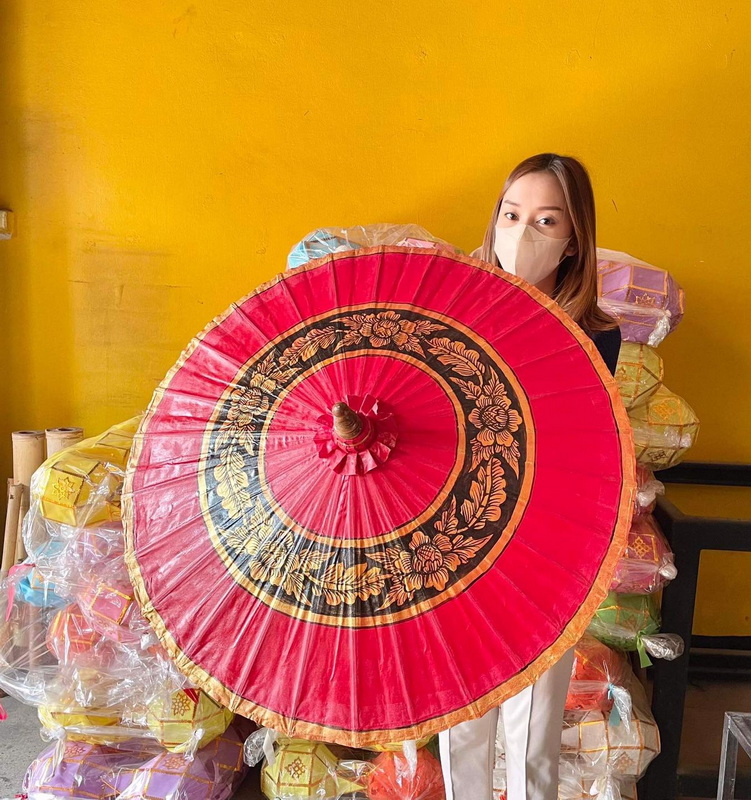
Woman in traditional Thai clothing selling paper lanterns at an outdoor market at Sunday Market Chiang Mai.

Food stalls offer an excellent opportunity to sample local delicacies and enjoy casual dining amid the market’s vibrant setting. The aromas of grilled meats, fresh herbs, and sweet desserts mingle with the sounds of the crowd, creating a sensory feast that complements the visual spectacle of the market’s colorful displays.

For families and solo travelers alike, the market provides a safe and friendly environment to explore after dark. The lively yet relaxed pace encourages lingering and discovery, making it easy to lose track of time while wandering through the endless stalls and hidden alleys.

Overall, the evening market experience is a blend of shopping, cultural immersion, and social connection that embodies the spirit of Chiang Mai’s local life.

Nearby Attractions

Wat Phra Singh

Wooden Thai sculpture on a yellow wall with pink window shutters and intricate carvings at Wat Phra Singh.

Wat Phra Singh is one of Chiang Mai’s most revered temples, located just a short walk from the Sunday Market Chiang Mai. This temple complex is known for its classic Lanna architecture, intricate wood carvings, and the revered Phra Singh Buddha image housed within its main viharn (assembly hall).

Visiting Wat Phra Singh in the evening offers a peaceful contrast to the bustling market. The temple grounds are often illuminated softly, allowing visitors to appreciate the serene atmosphere and detailed craftsmanship in a quieter setting. Respectful visitors can observe religious practices and gain insight into local Buddhist traditions without the daytime crowds.

The temple’s location near the market makes it an ideal stop for travelers wanting to combine cultural sightseeing with their shopping experience, offering a deeper understanding of Chiang Mai’s spiritual heritage.

Wat Phan Tao

Young monks in orange robes walking in front of a wooden temple with gold accents at Wat Phan Tao.

Wat Phan Tao is another nearby temple that stands out for its unique construction entirely from teak wood, giving it a distinctive warm and inviting appearance. Situated close to the Sunday Night Market Chiang Mai, it provides visitors with a glimpse into traditional Northern Thai temple architecture and craftsmanship.

Often less crowded than other temples, Wat Phan Tao offers a tranquil environment that contrasts with the lively market streets. Its wooden structures and intricate detailing reflect the skill of local artisans and the historical significance of woodwork in the region.

Visiting Wat Phan Tao in the evening allows travelers to enjoy a calm moment of reflection after exploring the market’s busy energy. The temple’s proximity makes it an accessible and worthwhile stop for those interested in Chiang Mai’s cultural and religious landmarks.

Final Thoughts

The Sunday Market Chiang Mai is more than a market; it’s a vibrant evening journey into the heart of Chiang Mai’s local life. By combining diverse shopping options with visits to hidden gems and nearby temples, travelers can craft a rich and memorable night-time experience. Whether you are drawn by the colorful stalls, intrigued by the quiet cultural corners, or captivated by the lively market atmosphere, this evening destination offers something special for every visitor. Embracing the market’s blend of commerce, culture, and community invites a deeper connection with Chiang Mai and its enchanting night scene.

Monday, August 3, 2026

Shopping In Chiang Mai with Must-Visit Attractions and Evening Activities

Shopping In Chiang Mai with Must-Visit Attractions and Evening Activities

Discover vibrant markets, unique shopping venues, and memorable evening experiences in Chiang Mai Thailand

People walking past a brick city wall at night with decorative spheres and a sign at Shopping In Chiang Mai.

Chiang Mai Thailand is renowned not only for its rich cultural heritage and stunning temples but also for its diverse and lively shopping scene. From bustling local markets to charming street stalls, shopping in Chiang Mai offers something for every traveler looking to immerse themselves in authentic Thai culture while hunting for unique souvenirs and handcrafted goods. Exploring these markets is more than just shopping—it’s a chance to experience the city’s vibrant energy and meet local artisans who keep traditions alive. For visitors seeking a blend of sightseeing and shopping, Chiang Mai’s markets stand out as must-visit attractions. Whether you arrive during the day or explore the markets in the evening, you’ll find a lively atmosphere filled with colors, aromas, and sounds that bring the city’s spirit to life. Evening activities around these markets add a special charm, as many transform into night bazaars offering not only shopping but also entertainment and street food delights. This guide highlights the best shopping venues and market types in Chiang Mai, focusing on must-visit attractions and the unique experience of shopping in the evening. It aims to help first-time visitors plan their trip with confidence by combining cultural exploration with practical shopping tips and insights into local market traditions.

Overview of Chiang Mai’s Shopping Venues

Chiang Mai’s shopping landscape is wonderfully varied, ranging from traditional markets to modern shopping centers. The city’s markets are particularly famous for their local craftsmanship, including textiles, silverware, and wood carvings. Visitors can find everything from everyday necessities to exquisite handmade products that reflect northern Thailand’s cultural heritage.

Markets in Chiang Mai often specialize in different types of goods. For example, some focus on antiques and art, while others are known for fresh produce or local street food. This diversity makes Chiang Mai an excellent destination for those who enjoy exploring varied shopping experiences within a single city.

Shopping districts like the Old City area offer a blend of souvenir shops and boutiques alongside cultural attractions, allowing travelers to combine sightseeing with their shopping adventures. The laid-back atmosphere here invites visitors to stroll leisurely, discovering hidden shops and engaging with local vendors.

Overall, the markets provide an accessible way to experience local life and support community artisans. Many vendors are eager to share the stories behind their crafts, adding a meaningful dimension to every purchase.

Bundles of green grass stacked outside a building with signs and people inside at Shopping In Chiang Mai.

Must-Visit Attractions with Shopping Appeal

When considering must visit attractions Chiang Mai offers, several markets stand out for their cultural significance and shopping appeal. The Warorot Market, located near the Ping River, is a bustling hub where locals shop daily. It’s a great place to find fresh ingredients, traditional snacks, and affordable clothes, providing an authentic glimpse into local life.

Another highlight is the Sunday Walking Street Market on Ratchadamnoen Road, a vibrant evening event where artisans and street performers create a lively atmosphere. This market is ideal for souvenir shopping Chiang Mai style, with a wide array of handicrafts, artwork, and textiles.

The Night Bazaar, centrally located, is a favorite for visitors wanting a comprehensive shopping experience. It combines stalls selling clothes, accessories, and souvenirs with an open-air food court and entertainment. This market’s accessibility and variety make it a top attraction for tourists eager to shop and soak up the evening ambiance.

Additionally, smaller neighborhood markets like the Saturday Night Market near the Old City offer a more intimate setting with handcrafted goods and local delicacies. These markets are perfect for travelers who want to avoid the crowds while still enjoying a rich shopping experience.

Storefront with colorful figurines and hanging decorations under a green roof at Shopping In Chiang Mai.

Evening Shopping and Market Culture in Chiang Mai

Things to do in Chiang Mai evening often revolve around its lively markets, which come alive after sunset. Night markets in Chiang Mai are not just places to shop but social hubs where locals and tourists mingle. The cooler temperatures and festive lighting create a welcoming atmosphere that encourages exploration and discovery.

The night markets feature a blend of shopping, entertainment, and food stalls, making them ideal for a full evening outing. Visitors can browse unique crafts, enjoy traditional music performances, or sample northern Thai street food specialties. This combination of cultural elements makes evening market visits memorable and immersive.

Shopping in the evening also offers practical benefits, such as avoiding the daytime heat and experiencing the city’s nightlife in a safe, vibrant setting. Many vendors stay open late, allowing travelers flexibility in their plans, whether arriving early or enjoying a late-night stroll.

Respect for local vendors and cultural practices is important during these visits. Engaging politely and appreciating the craftsmanship fosters positive interactions and supports sustainable tourism. Evening markets in Chiang Mai reflect a living culture where commerce and community come together harmoniously.

Night scene of a brightly lit shopping mall with markets and people outside at Shopping In Chiang Mai.

Tips for Combining Shopping with Sightseeing

To make the most of your time in Chiang Mai Thailand, it’s helpful to plan how to combine shopping with sightseeing. Many markets are located near important cultural sites, allowing visitors to explore temples, museums, or historic neighborhoods before or after shopping.

For example, the Old City’s markets are within walking distance of several temples and museums, making it easy to experience both cultural attractions and local commerce in a single outing. Planning visits around market opening times can maximize your experience, especially for evening markets that start late.

When shopping, consider carrying a reusable bag to reduce plastic waste and show respect for environmental practices. Also, take time to observe the craftsmanship behind products, which enriches your understanding of local traditions and supports ethical buying.

Finally, pacing yourself is key. Markets can be overwhelming with their variety and crowds, so balancing your itinerary with breaks for sightseeing, dining, or relaxing in a nearby café will enhance your overall experience.

Final Thoughts

Shopping in Chiang Mai offers more than just the chance to purchase unique items—it is an invitation to engage with the city’s vibrant culture and lively community. By exploring the must-visit attractions and embracing the evening market scene, travelers gain a deeper appreciation for Chiang Mai Thailand’s rich heritage and warm hospitality. Whether you’re wandering through colorful stalls or enjoying the buzz of a night market, the city’s shopping experiences leave lasting memories that extend far beyond the items bought. Approach each market visit with curiosity and respect, and you’ll discover the true heart of Chiang Mai’s local life.

Sunday, August 2, 2026

Traditional Lanna Dinner Tour Chiang Mai Featuring Khantoke and Local Attractions

Traditional Lanna Dinner Tour Chiang Mai Featuring Khantoke and Local Attractions

Experience authentic Lanna heritage through Khantoke dinners paired with Chiang Mai’s cultural sights and evening activities

People in traditional costumes performing on stage at night during a cultural event at Khantoke.

Chiang Mai offers travelers a unique opportunity to immerse themselves in the rich cultural heritage of Northern Thailand through traditional Lanna dinner tours. Central to this experience is the Khantoke dinner, a communal meal served on a low round table, which brings together guests to enjoy authentic Northern Thai cuisine in an atmosphere steeped in tradition and respect. These traditional Lanna dinner tours not only highlight the culinary heritage but also integrate visits to some of Chiang Mai’s most cherished tourist attractions. Visitors can explore ancient temples, bustling markets, and serene gardens during the day, then return in the evening for a cultural dining experience that showcases the art, music, and hospitality of the Lanna people. For those seeking things to do in Chiang Mai evening hours, the Khantoke dinner tours provide a perfect blend of heritage dining and engaging nighttime activities. This guide will explore what these tours entail, the significance of Khantoke dinners, and how to complement this cultural experience with sightseeing and evening entertainment in Chiang Mai.

Understanding the Traditional Lanna Dinner Tour and the Role of Khantoke

The Traditional Lanna Dinner Tour in Chiang Mai is more than just a meal; it is a cultural journey into the heart of Northern Thailand’s heritage. The tour typically begins with a welcoming introduction to the Lanna way of life, followed by a demonstration of traditional customs and attire. The highlight is the Khantoke dinner, where guests sit around a low, circular wooden table called a 'khantoke' and share a variety of Northern Thai dishes.

Khantoke dinners are deeply symbolic, representing community, respect, and the sharing of blessings. The meal usually includes sticky rice, spicy dips, grilled meats, and local vegetables, all prepared according to age-old recipes passed down through generations. This dining style encourages interaction between guests and hosts, fostering a sense of unity and cultural appreciation.

Incorporated into the dinner are often traditional performances featuring classical Lanna music and dance, which add an immersive layer to the experience. These cultural presentations provide insights into the region’s history and artistic expressions, making the tour a comprehensive introduction to Lanna heritage.

Chiang Mai Tourist Attractions to Explore Alongside Your Dinner Tour

Doi Suthep Tour at Night

Chiang Mai’s appeal extends far beyond its culinary heritage, offering visitors a wealth of tourist attractions that complement the traditional dining experience. Many Lanna dinner tours are designed to include visits to key cultural sites such as Wat Phra Singh and Wat Chedi Luang, renowned temples that embody the spiritual and architectural legacy of the region.

Historic old town areas with their ancient walls and moats provide a glimpse into Chiang Mai’s past as a former Lanna Kingdom capital. Markets like the Warorot Market offer a vibrant atmosphere where travelers can discover local crafts, fresh produce, and street food, enriching the sensory experience before the evening’s Khantoke dinner.

People enjoying outdoor dinner at night in a traditional Thai setting at Khantoke.

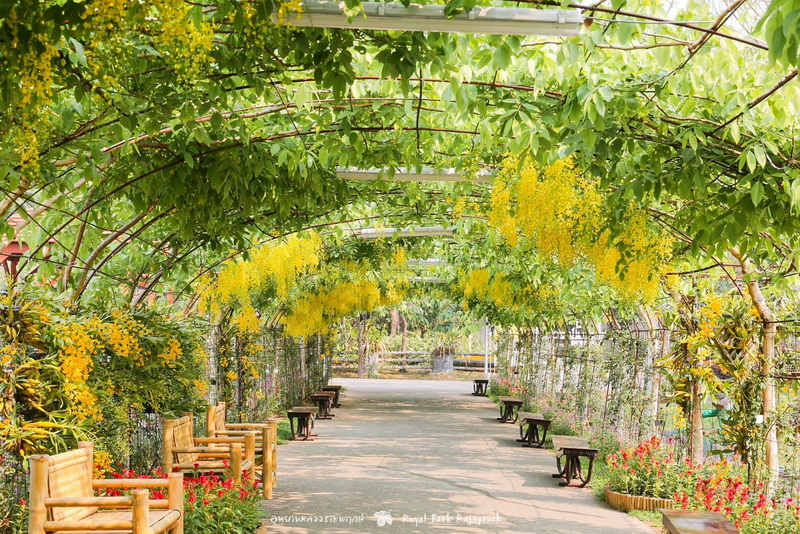
For those interested in natural beauty, gardens and parks such as the Royal Park Rajapruek showcase Northern Thailand’s botanical diversity and are often included in day tour itineraries. These sightseeing opportunities provide context for the dinner tour by highlighting the environment and culture that nurtured the Lanna traditions.

Evening Activities That Enhance the Traditional Lanna Dinner Experience

Chiang Mai’s evenings offer a variety of activities that beautifully complement the heritage dining experience of a Khantoke dinner. After the meal, visitors often enjoy leisurely strolls through night markets, where local artisans sell handmade goods and street vendors serve regional delicacies. These markets provide a lively yet authentic atmosphere that extends the cultural immersion.

Another popular evening activity is attending cultural shows that feature traditional Lanna music, dance, and storytelling. These performances deepen understanding of the region’s customs and histories, resonating well with the themes introduced during the dinner tour.

For travelers who prefer a more relaxed evening, some tours include visits to tea houses or coffee shops that specialize in Northern Thai blends, offering a quiet moment to reflect on the day’s experiences. Others may choose to explore Chiang Mai’s illuminated temples or take part in community celebrations when available, all of which enhance the connection to the city’s living heritage.

The Cultural Significance and Heritage Behind the Khantoke Dinner

The Khantoke dinner is a living tradition that carries profound cultural significance in Northern Thailand. Historically, the khantoke table was used in royal courts and by village elders, symbolizing respect and status. Today, it remains a cherished symbol of hospitality and communal harmony within Lanna culture.

Sharing a Khantoke meal is an act that reinforces social bonds and expresses gratitude among family and community members. The rituals and etiquette observed during the dinner reflect values such as humility, generosity, and reverence for ancestors.

Two women dancing in traditional costumes during a night festival scene at Khantoke.

By participating in a Khantoke dinner, visitors not only savor authentic flavors but also engage with a tradition that honors the past while celebrating community spirit. This cultural depth enriches the visitor’s experience beyond mere tourism, inviting meaningful appreciation of Northern Thailand’s heritage.

Visitor Guidance for Enjoying Traditional Lanna Dinner Tours in Chiang Mai

When planning to attend a Traditional Lanna Dinner Tour featuring Khantoke, it is helpful to consider a few practical tips to enhance your experience. Respectful attire is recommended, often with modest clothing that honors local customs.

Arriving on time is important as the tours usually begin with a cultural introduction and performances that set the tone for the evening. It is also advisable to familiarize yourself with the dishes served, which may include unique ingredients and flavors unfamiliar to some palates.

Engaging with hosts and performers respectfully and with curiosity can deepen your understanding and enjoyment. Many tours encourage questions and interactions, which can provide valuable insights into the traditions behind the dinner and performances.

Finally, combining your dinner tour with visits to Chiang Mai tourist attractions and evening activities creates a well-rounded itinerary that captures the essence of the city’s cultural heritage and vibrant atmosphere.

Final Thoughts

Experiencing a Traditional Lanna Dinner Tour Chiang Mai with a Khantoke dinner offers travelers an enriching encounter with Northern Thailand’s cultural heart. The combination of authentic cuisine, historical sightseeing, and engaging evening activities creates a memorable journey that honors the region’s heritage. Visitors leave not only with a deeper appreciation of Lanna traditions but also with lasting memories of the warmth and spirit that define Chiang Mai’s cultural landscape.

Saturday, August 1, 2026

Chiang Mai Night Market Food Guide Highlighting Traditional Lanna Dinner and Hidden Nighttime Gems

Chiang Mai Night Market Food Guide Highlighting Traditional Lanna Dinner and Hidden Nighttime Gems

Discover authentic Lanna cuisine and explore lesser-known night market experiences in Chiang Mai’s vibrant evening scene

Indoor market with busy food stalls and people dining at tables at Chiang Mai Night Market Food Guide.

Chiang Mai Night Markets are renowned not only for their bustling atmosphere but also for offering an immersive experience into Northern Thailand’s rich culinary heritage. This guide focuses on traditional Lanna dinners—an essential part of the region’s identity—and uncovers hidden gems that reveal the city’s vibrant nighttime culture beyond the main thoroughfares. Food enthusiasts and culturally curious travelers alike will find inspiration in these authentic dining experiences and unique evening activities. Traditional Lanna cuisine, with its distinctive flavors and time-honored recipes, serves as a gateway to understanding Chiang Mai’s heritage. Evening visits to the night markets offer more than just food; they provide a glimpse into local life after dark, where the streets come alive with artisans, performers, and friendly vendors. This guide will navigate you through the best ways to savor traditional dishes while uncovering lesser-known nighttime attractions that enrich your visit. Whether you are seeking a Traditional Lanna Dinner Tour Chiang Mai or looking to explore Hidden Gems Attractions Chiang Mai after sunset, this article provides practical insights and cultural context to help you appreciate the city’s nocturnal charm. Alongside food, you will discover Things to Do in Chiang Mai at Night that go beyond the usual tourist paths, encouraging a respectful and meaningful connection with local culture.

Exploring Traditional Lanna Dinner Offerings at Chiang Mai Night Markets

The culinary heritage of the Lanna kingdom is deeply rooted in the ingredients and cooking methods native to Northern Thailand, and Chiang Mai Night Markets are a prime venue to experience this tradition firsthand. Unlike the more widespread Thai dishes familiar to many tourists, Lanna cuisine features unique flavors such as the use of fermented fish, local herbs, and sticky rice served in distinctive ways.

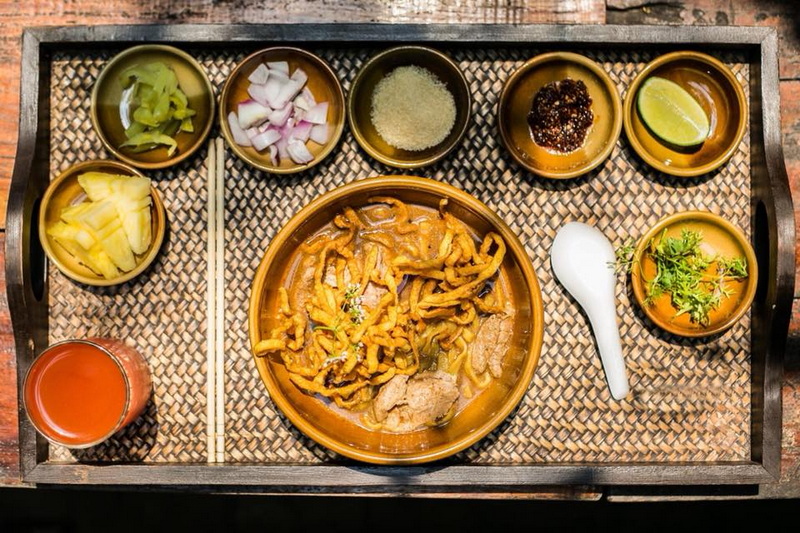
At night markets like the Saturday Night Market and the Sunday Walking Street, vendors prepare traditional dishes such as Khao Soi, a rich coconut curry noodle soup, Sai Oua, a fragrant Northern Thai sausage seasoned with lemongrass and kaffir lime leaves, and Nam Prik Noom, a spicy green chili dip often accompanied by fresh vegetables and sticky rice. These dishes are typically cooked with family recipes passed down through generations, offering an authentic taste of Lanna culture.

Many night markets also support Traditional Lanna Dinner Tour Chiang Mai experiences, where visitors can sit down in intimate settings to enjoy multi-course meals that highlight both well-known and rare dishes, often accompanied by explanations of their cultural significance. These dinners emphasize slow dining and local ingredients, inviting guests to savor each bite while learning about the history and customs behind the food.

People walking past a brick wall entrance during night with warm lighting and decorative plants at Chiang Mai Night Market Food Guide.

In addition to food stalls, some night markets feature local artisans preparing traditional sweets and desserts, such as Khanom Krok, a coconut-rice pancake, and sticky rice wrapped in banana leaves. Sampling these treats completes the culinary journey with flavors that are both nostalgic and deeply tied to the region’s identity.

Uncovering Hidden Gems Attractions Chiang Mai After Dark

Beyond the well-trodden paths of Chiang Mai’s main night markets, there are numerous hidden gems that offer a quieter, more intimate experience of the city’s nighttime life. These lesser-known venues often focus on local crafts, live music, and community events that showcase Chiang Mai’s creative spirit and cultural depth.

For example, smaller markets tucked away in neighborhoods or near temples can provide a peaceful atmosphere where visitors can interact directly with artisans and vendors. These Hidden Gems Attractions Chiang Mai often feature handmade textiles, traditional Lanna silverwork, and locally produced herbal products, reflecting the region’s artisanal heritage.

People shopping at a street food market stall with seafood under lights at Chiang Mai Night Market Food Guide.

Nighttime cultural performances, such as traditional dance and music shows, are sometimes held in venues adjacent to these hidden markets. These performances provide insight into Lanna’s artistic traditions without the crowds typical of tourist-heavy areas. Engaging with these events offers a respectful way to appreciate the living culture of Northern Thailand.

Additionally, some local cafes and bars near the night markets host open-mic nights or acoustic sessions, creating a relaxed environment for visitors to unwind after exploring. These spots are excellent for experiencing the local youth culture and contemporary creative expressions that complement the traditional night market scene.

Practical Tips for Experiencing Authentic Nighttime Culture in Chiang Mai

To truly appreciate the richness of Chiang Mai Night Markets and the surrounding nighttime culture, it is important to approach your visit with cultural sensitivity and curiosity. Start by learning a few basic phrases in Thai and showing genuine interest in the stories behind the food and crafts you encounter. Vendors often appreciate respectful conversation and may share insights about their products or heritage.

People receiving foot massages inside a shop with reclining chairs and staff at Chiang Mai Night Market Food Guide.

When participating in a Traditional Lanna Dinner Tour Chiang Mai or visiting hidden market venues, dress modestly and be mindful of local customs, especially near religious sites. Photography should be done with permission, particularly during cultural performances or when interacting with artisans.

Timing your visit can also enhance your experience. Arriving early in the evening allows you to avoid peak crowds and see the markets as they come alive. Later at night, some of the hidden gems and local hangouts become more active, offering a different flavor of Chiang Mai’s nocturnal scene.

Lastly, supporting local businesses by purchasing authentic handmade goods or sampling traditional dishes directly from vendors helps sustain the community and preserves the cultural fabric that makes Chiang Mai’s night markets so special. Responsible tourism encourages ongoing cultural exchange and respect for the living traditions of the Lanna people.

Final Thoughts

Exploring Chiang Mai Night Markets through the lens of traditional Lanna cuisine and hidden nighttime gems reveals a side of the city rich with history, culture, and warmth. By focusing on authentic dining experiences and seeking out less-traveled evening activities, visitors can connect more deeply with the local community and its heritage. Whether savoring a hearty bowl of Khao Soi or discovering a quiet artisan market, the night in Chiang Mai offers endless opportunities to appreciate its unique cultural tapestry with respect and curiosity.

Chiang Mai Nightlife with Traditional Lanna Dinners Hidden Gems and Shopping

Chiang Mai Nightlife with Traditional Lanna Dinners Hidden Gems and Shopping

Experience authentic Lanna culture through evening dinners, discover hidden nighttime attractions, and explore the best unique shopping in Chiang Mai

Woman feeds a camel on a zebra-striped ride at night with a group nearby at Chiang Mai Nightlife.

Chiang Mai Nightlife offers a captivating blend of cultural richness, hidden discoveries, and vibrant shopping experiences that go beyond the usual tourist trails. As the sun sets over this northern Thai city, the evening comes alive with opportunities to immerse in traditional Lanna heritage, explore lesser-known attractions, and find unique local crafts and goods. For travelers seeking an authentic and respectful encounter with Chiang Mai’s evening culture, the night unfolds a tapestry of experiences that celebrate both history and contemporary local life. Central to this nighttime journey is the Traditional Lanna Dinner Tour Chiang Mai, where visitors can savor authentic northern Thai cuisine while witnessing cultural performances that honor the region's heritage. Beyond the well-trodden paths, Hidden Gems Attractions Chiang Mai beckon those intrigued by quiet temples, serene viewpoints, and artistic enclaves that reveal a different side of the city after dark. Finally, the city’s best shopping venues offer an array of distinctive handicrafts, textiles, and souvenirs, making the night a perfect time to engage with local artisans and support ethical commerce. This article guides culture-focused travelers through these enriching night activities in Chiang Mai, highlighting the unique facets of its nightlife that celebrate tradition, discovery, and community.

Immersing in Traditional Lanna Dinner Experiences

The heart of Chiang Mai Nightlife lies in its deep connection to Lanna culture, which flourished in northern Thailand for centuries. One of the most meaningful ways to engage with this heritage in the evening is through the Traditional Lanna Dinner Tour Chiang Mai. These dinners are more than just meals; they are cultural ceremonies where food, storytelling, and performance intertwine to offer guests an authentic taste of northern Thai life.

Traditionally, Lanna cuisine emphasizes local ingredients, distinctive flavors, and communal dining. Dishes often include sticky rice, spicy salads, grilled meats, and unique herbal blends that reflect the surrounding mountain environment. The dinner settings are usually intimate and respectful, often held in historic houses or cultural centers that preserve the aesthetic and atmosphere of the Lanna kingdom.

Accompanying the meal, visitors may witness traditional dance and music performances that narrate local legends, seasonal celebrations, and spiritual themes. These performances are carefully presented to honor their cultural origins without commodification, allowing guests to appreciate the artistry and meaning behind each gesture and tune.

Participating in a traditional Lanna dinner tour offers travelers a chance to understand the values of hospitality, community, and respect that continue to shape Chiang Mai’s identity. It invites a mindful appreciation of the food’s origins and the cultural stories that enrich the evening, making it one of the most culturally significant night activities in Chiang Mai.

Gold bowls filled with flower petals and floral arrangements in background at Chiang Mai Nightlife.

Exploring Hidden Gems Attractions Chiang Mai at Night

While Chiang Mai’s main nightlife hubs are well-known, the city also harbors hidden gems that reveal a quieter, more introspective side of its evening scene. These Hidden Gems Attractions Chiang Mai provide travelers with opportunities to explore serene temples, peaceful gardens, and art spaces that are often overlooked in typical nighttime itineraries.

One example includes small temple complexes that remain open after dusk, where visitors can experience the tranquil ambiance of softly lit stupas and prayer halls. These places offer moments of reflection and a chance to observe local religious practices in a respectful manner. Unlike the bustling markets or entertainment districts, these sites encourage slow exploration and cultural contemplation.

Another hidden gem is the array of creative hubs and galleries that come alive with evening openings or special events. These venues showcase contemporary interpretations of Lanna heritage through visual arts, crafts, and performances, bridging the past and present in subtle and engaging ways.

Nighttime also enhances certain outdoor attractions, such as viewpoints overlooking the city lights or quiet riverside walks where the natural sounds blend with distant temple bells. These experiences provide a unique way to connect with Chiang Mai’s landscape and cultural rhythm, away from the crowds and commercial bustle.

For travelers eager to discover authentic and less commercialized aspects of Chiang Mai Nightlife, these hidden gems offer enriching perspectives that deepen appreciation for the city’s cultural layers.

Indoor market filled with shoppers browsing stalls and various products on sale at Chiang Mai Nightlife.

Finding the Best Shopping in Chiang Mai After Dark

Shopping in Chiang Mai at night is an experience that combines cultural appreciation with the thrill of discovery. The city’s best shopping in Chiang Mai includes markets and boutiques that specialize in handmade crafts, traditional textiles, and unique souvenirs that reflect the region’s artistic heritage.

Night markets remain popular, but beyond the well-known spots, visitors can find smaller stalls and shops run by local artisans who craft goods with care and cultural significance. These items often include handwoven scarves, silver jewelry, wood carvings, and natural herbal products, each telling a story of local traditions and craftsmanship.

Engaging with vendors in these settings encourages ethical and respectful interactions, allowing travelers to learn about the origins and meanings behind the products. Supporting these artisans helps sustain traditional skills and local livelihoods, aligning with responsible tourism practices.

Additionally, some shops specialize in contemporary designs inspired by Lanna motifs, blending heritage with modern aesthetics. These venues offer a fresh perspective on northern Thai culture and provide travelers with distinctive keepsakes that go beyond typical souvenirs.

Evening shopping in Chiang Mai also allows visitors to enjoy a relaxed atmosphere with cooler temperatures and lively street scenes, making it a pleasant complement to cultural and sightseeing activities after dark.

Interior of a lively nightclub with colorful lighting and emoji decorations overhead at Chiang Mai Nightlife.

Night Activities in Chiang Mai: A Cultural and Shopping Journey

Combining traditional dinners, hidden attractions, and unique shopping forms a rich tapestry of night activities in Chiang Mai that appeals to culture-focused travelers. This blend offers a holistic experience where one can savor authentic cuisine, discover quiet cultural sites, and find meaningful mementos all within the city’s evening hours.

Respectful engagement is key throughout this journey. Whether attending a traditional Lanna dinner, exploring lesser-known temples, or purchasing handcrafted goods, visitors are encouraged to approach each experience with curiosity and sensitivity. This mindfulness helps preserve Chiang Mai’s living culture and ensures that the city’s nighttime offerings remain genuine and sustainable.

The diversity of these activities also highlights Chiang Mai’s unique position as a city where history and modern life coexist harmoniously. Nighttime here is not only about entertainment but also about cultural continuity, discovery, and community connection.

For those seeking more than conventional nightlife, Chiang Mai’s evening scene offers a meaningful way to engage with the city’s soul, making the night an unforgettable part of any visit.

Final Thoughts

Chiang Mai Nightlife invites travelers to experience a cultural richness that extends far beyond typical evening entertainment. Through traditional Lanna dinner tours, visitors gain insight into the region’s culinary heritage and artistic traditions. Exploring hidden gems offers peaceful moments that reveal the city’s quieter, spiritual side after dark. Meanwhile, the best shopping in Chiang Mai opens doors to authentic crafts that carry the stories and skills of local artisans. Together, these experiences create a respectful and enriching way to discover Chiang Mai’s unique nighttime character, inspiring a deeper appreciation for its living culture and community.

Friday, July 31, 2026

Hiking in Chiang Mai Province and Best National Parks Including Pha Daeng National Park

Hiking in Chiang Mai Province and Best National Parks Including Pha Daeng National Park

Hikers walking along a forest trail surrounded by tall pine trees and green bushes at Pha Daeng National Park.
Pink flowering trees on a hillside with green trees and grass at Pha Daeng National Park.
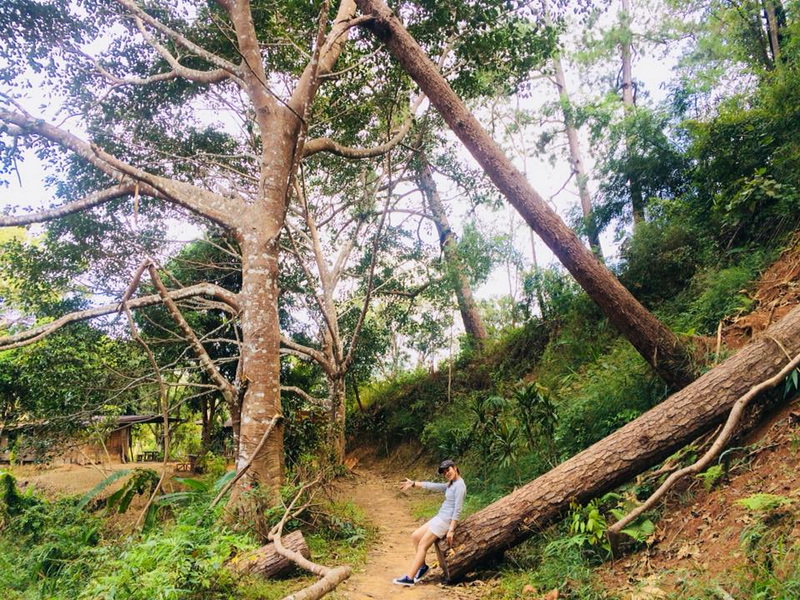
Moss-covered fallen log in a lush forest scene with green plants around at Pha Daeng National Park.

Explore the rich hiking trails and natural beauty of Chiang Mai Province’s top national parks with a focus on Pha Daeng National Park and nearby attractions

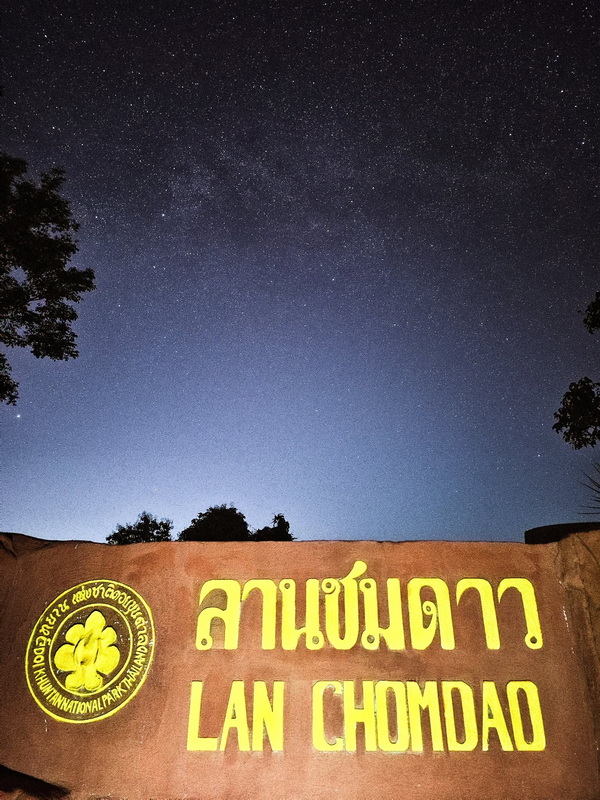
Starry night sky with mountain silhouette and bright celestial streak at Pha Daeng National Park.

Chiang Mai Province in northern Thailand is a captivating destination for hikers and nature lovers, offering a diverse range of landscapes and protected areas to explore. Among its many treasures are several national parks that showcase the region’s rich biodiversity and scenic hiking opportunities. Pha Daeng National Park stands out as one of the best national parks in Chiang Mai, providing visitors with rewarding trekking experiences through lush forests, rugged terrain, and panoramic viewpoints. Hiking in Chiang Mai Province is an adventure that combines physical challenge with immersion in nature. Trails range from moderate forest walks to more demanding mountain hikes, allowing trekkers of various skill levels to discover the province’s natural heritage. This article highlights Pha Daeng National Park’s unique features and trail options, while also introducing nearby attractions such as Doi Luang Chiang Dao, which complement a hiking itinerary in the area. Whether you are an experienced trekker or a nature enthusiast seeking fresh air and scenic vistas, the national parks in Chiang Mai Province offer some of the best hiking environments in northern Thailand. Understanding the terrain, flora, fauna, and trail conditions will help you prepare for a safe and memorable journey into these protected wilderness areas.

Overview of Hiking in Chiang Mai Province

Chiang Mai Province is renowned for its mountainous landscapes, cool climate, and rich biodiversity, making it a premier destination for hiking enthusiasts. The province’s national parks are scattered across the northern highlands, offering a variety of ecosystems including evergreen forests, river valleys, limestone cliffs, and high-altitude peaks. Hiking in Chiang Mai is not only a physical activity but also an opportunity to engage with nature’s intricate balance and observe diverse wildlife and plant species native to the region.

Trails in Chiang Mai vary widely in length and difficulty. Some routes are well-maintained and suitable for beginner hikers, while others require advanced navigation skills and endurance. Most hiking paths traverse dense jungle areas where tropical and subtropical flora flourish, and hikers may encounter bird species, insects, and occasionally mammals such as gibbons or deer. The best time for hiking generally spans from November to February, when the weather is cooler and drier, enhancing the overall experience.

Aside from the natural environment, hiking in Chiang Mai Province often intersects with cultural experiences, as many trails lead near or through hill tribe villages. While this article focuses primarily on natural features and hiking trails, it is important to approach local communities with respect and awareness of their traditions and privacy.

Natural Highlights and Hiking Trails of Pha Daeng National Park

Hikers walking through a lush forest trail with green trees and vegetation at Pha Daeng National Park.

Pha Daeng National Park, located within Chiang Dao in Chiang Mai Province, is a lesser-known but remarkable national park celebrated for its rugged terrain and dense forest cover. The park encompasses a mountainous landscape that rises to elevations exceeding 1,500 meters, providing a cooler climate and stunning panoramic views of the surrounding valleys and distant mountain ranges.

The park is characterized by mixed deciduous and evergreen forests, where teak, dipterocarp, and pine trees dominate. This diverse forest habitat supports a variety of wildlife, including numerous bird species, small mammals, and reptiles. Seasonal wildflowers add bursts of color along the trails, especially during the cooler months.

Hiking trails within Pha Daeng National Park range from moderate to challenging. One popular route leads hikers through dense forest paths, over streams, and up to viewpoints that reveal sweeping vistas of the Chiang Dao mountain range. The terrain can be steep and rocky in places, requiring sturdy footwear and a reasonable level of fitness. Signage is limited, so preparation with maps or local guidance is recommended.

Visitors can expect to experience serene natural settings largely undisturbed by crowds. The park’s remoteness adds to its charm but also calls for careful planning regarding supplies and safety. Along the trails, shaded rest areas and natural water sources provide opportunities to pause and enjoy the tranquil environment.

Visitor Considerations for Hiking in Pha Daeng and Surrounding Areas

When planning hikes in Pha Daeng National Park and nearby locations, it is essential to consider several practical and safety factors. The terrain’s ruggedness demands proper hiking gear, including supportive footwear, weather-appropriate clothing, and sufficient water and food supplies. Because trail markings can be sparse, carrying a reliable map or GPS device and informing someone of your planned route is advisable.

Weather conditions in Chiang Mai Province can vary significantly with altitude and season. Rainfall during the monsoon season can make trails slippery and obscure paths, so hiking is best undertaken during the dry months. Early morning starts help avoid midday heat and allow for more comfortable trekking conditions.

Respect for the natural environment and local communities is paramount. Visitors should adhere to Leave No Trace principles by minimizing waste, avoiding disturbance to wildlife, and refraining from picking plants. Interaction with hill tribe villages near hiking areas should be conducted with sensitivity, ensuring privacy and cultural respect.

For those less experienced, hiring a local guide can enhance safety and enrich the hiking experience through shared knowledge of the flora, fauna, and cultural context. Guides also assist with navigation and help ensure adherence to park regulations.

Comparing Pha Daeng with Other Best National Parks in Chiang Mai

Pha Daeng National Park is one of several outstanding protected areas in Chiang Mai Province that attract hikers seeking natural beauty and diverse terrain. Compared to more frequented parks like Doi Inthanon or Doi Suthep-Pui, Pha Daeng offers a quieter, less commercialized experience with a focus on rugged landscapes and forest immersion.

Nearby Doi Luang Chiang Dao, another top national park in the region, features Thailand’s third highest peak and is famous for its limestone karst formations and extensive cave systems. Hiking here tends to be more physically demanding, with opportunities to summit the peak or explore cave trails. Both parks share rich biodiversity but differ in geological features and trail styles.

Chiang Mai’s best national parks provide a range of hiking experiences from gentle nature walks to strenuous mountain climbs. Pha Daeng’s appeal lies in its off-the-beaten-path atmosphere and well-preserved forest environment, making it ideal for hikers who appreciate solitude and natural challenges.

Understanding the distinctions among these parks helps hikers select routes that match their interests and fitness levels while gaining a broader appreciation for northern Thailand’s ecological variety.

Flora, Fauna, and Trail Terrain Analysis in Pha Daeng National Park

The biodiversity in Pha Daeng National Park is a major draw for nature enthusiasts. The park’s forests are home to a variety of tree species, including teak and several types of dipterocarps, which form dense canopies that shelter the understory. Seasonal changes bring flowering plants and orchids that enhance the scenic quality of hikes.

Wildlife sightings may include tropical birds such as hornbills, barbets, and bulbuls, alongside mammals like barking deer and civets. Reptiles such as various lizards and snakes also inhabit the area, though encounters are generally rare and non-threatening.

Trail terrain varies from soft forest floors covered in leaf litter to rocky ascents and occasional stream crossings. Elevation changes create microclimates that influence vegetation types and wildlife activity. Hikers should be prepared for uneven paths and natural obstacles like roots and loose stones.

Trail maintenance is minimal, preserving the natural state but requiring careful footing and awareness. This terrain challenges hikers to move attentively, rewarding them with immersive encounters with the park’s ecosystems.

Nearby Attractions

Pha Daeng National Park

Pha Daeng National Park itself is a highlight for visitors interested in exploring pristine forest landscapes and mountainous terrain within Chiang Dao, Chiang Mai Province. The park offers a network of hiking trails that wind through diverse habitats and lead to viewpoints overlooking valleys and distant peaks. Its relatively remote location ensures a peaceful experience away from the more crowded tourist spots.

The park’s natural environment is marked by a mixture of evergreen and deciduous forests, with abundant wildlife and a variety of plant species that change with the seasons. Hiking here provides both physical challenge and opportunities for quiet reflection amid nature.

Due to its less developed infrastructure, Pha Daeng is best suited for hikers prepared for backcountry conditions, emphasizing self-sufficiency and responsible trekking practices.

Doi Luang Chiang Dao

Viewpoint with pine trees over a cloud-covered valley and mountain peaks in the distance at Doi Luang Chiang Dao.

Doi Luang Chiang Dao is one of the most prominent natural landmarks near Pha Daeng National Park and is renowned for its towering limestone peak, the third highest in Thailand. The park surrounding this mountain offers extensive hiking opportunities, including challenging ascents to the summit, which attracts experienced trekkers seeking panoramic views and rewarding physical exertion.

The area is rich in biodiversity, with mixed evergreen forests and several caves that house unique ecosystems. Doi Luang Chiang Dao’s trails vary from well-marked paths to more rugged routes requiring local guidance. The park also supports a variety of bird species, making it a favored destination for birdwatchers.

Its proximity to Pha Daeng National Park allows hikers to combine visits, experiencing contrasting landscapes and trail conditions within the same region.

Final Thoughts

Exploring hiking trails in Chiang Mai Province, particularly in Pha Daeng National Park and nearby Doi Luang Chiang Dao, offers a unique blend of natural beauty and physical adventure. These parks stand among the best national parks in Chiang Mai for those seeking immersive trekking experiences in northern Thailand’s diverse ecosystems. With careful preparation and respect for the environment and local cultures, hikers can enjoy rewarding journeys through forests, mountains, and valleys that reveal the province’s remarkable natural heritage. Embracing these trails provides not only physical challenge but also a deeper connection to the land and its living treasures.

Thursday, July 30, 2026

Trekking and Authentic Thai Village Experiences at Ban Yang Pu Toh Chiang Dao

Trekking and Authentic Thai Village Experiences at Ban Yang Pu Toh Chiang Dao

Discover the unique blend of trekking adventure and traditional hill tribe culture in Chiang Dao’s Ban Yang Pu Toh village

Scenic mountain view with blue sky and trees in the foreground at Ban Yang Pu Toh.

Nestled in the lush mountainous region of Chiang Dao, Ban Yang Pu Toh offers travelers a rare opportunity to immerse themselves in both invigorating trekking routes and authentic Thai village culture. This destination stands out as a harmonious blend of natural beauty and cultural heritage, inviting visitors to explore dense jungle trails, limestone caves, and the way of life of local hill tribe communities. For those seeking an enriching experience beyond the usual tourist paths, Ban Yang Pu Toh provides a meaningful connection to northern Thailand’s ecological and cultural landscape. The trekking environment surrounding Ban Yang Pu Toh is defined by verdant forests, dramatic karst formations, and a network of trails that cater to varying levels of hiking enthusiasm. Along these routes, travelers can witness the region’s biodiversity and enjoy panoramic views of the Chiang Dao mountain range. More than just a trekking destination, Ban Yang Pu Toh is an authentic Thai village where visitors can respectfully engage with the traditions and daily rhythms of the local people. This combination of outdoor adventure and cultural insight makes it a compelling highlight among Chiang Mai tourist attractions. This article explores the trekking and cave tour environment around Ban Yang Pu Toh, the cultural experiences available in the village, and the nearby natural parks that enrich the overall visit. By understanding the significance of this destination, travelers can approach their journey with curiosity and respect, ensuring a rewarding and ethical encounter with both nature and community.

Exploring the Trekking Environment Around Ban Yang Pu Toh

The trekking routes near Ban Yang Pu Toh are characterized by a mixture of dense jungle paths, limestone karst landscapes, and serene village trails. The terrain varies from moderate uphill climbs to gentle forest walks, making it accessible for both seasoned trekkers and those new to hiking. The natural environment is rich with diverse flora and fauna, including towering teak trees, wild orchids, and occasional sightings of native bird species. Trekking here is not just about physical activity but also about appreciating the quiet, untouched ecosystems that thrive in this part of northern Thailand. Travelers researching 1 Day Chiang Dao Trekking And Cave Tour can use these details when planning the trip. Travelers researching Authentic Thai Village Chiang Mai can use these details when planning the trip.

One of the highlights of trekking in this area is the opportunity to visit caves that punctuate the limestone hills. These caves add an element of adventure and discovery to the journey, revealing fascinating geological formations that have developed over millennia. The cool, shaded paths combined with occasional viewpoints offer moments of rest and reflection, allowing hikers to absorb the peaceful atmosphere of the Chiang Dao region.

Small circular hot spring pool with bamboo fencing and wooden roof cover at Ban Yang Pu Toh.

Routes often pass through small farm plots and forested areas where local villagers cultivate rice, vegetables, and herbs. This proximity to agricultural life provides a living context for the trekking experience, connecting visitors to the land and the people who sustainably manage it. Overall, the trekking environment around Ban Yang Pu Toh is a blend of natural beauty and cultural landscape, inviting travelers to move at a thoughtful pace and engage all their senses.

Authentic Thai Village Life at Ban Yang Pu Toh

Ban Yang Pu Toh is a hill tribe village that embodies traditional northern Thai culture in a setting that remains largely untouched by mass tourism. The village is home to local communities who maintain their ancestral customs, languages, and crafts. Visitors to Ban Yang Pu Toh can gain insight into daily village life, including agricultural practices, traditional weaving, and communal activities that have been passed down through generations.

Respectful interaction is key when visiting Ban Yang Pu Toh, as the community values privacy and cultural integrity. Travelers are encouraged to observe local customs, ask for permission before taking photographs, and engage in conversations with openness and sensitivity. This approach fosters mutual respect and enriches the visitor’s understanding of hill tribe traditions without turning the community into a spectacle.

Bamboo interior with colorful circular decorations and a wooden bench at Ban Yang Pu Toh.

Cultural experiences in the village may include witnessing traditional ceremonies, sampling locally prepared foods, and learning about the spiritual beliefs that influence the community’s relationship with nature. These authentic encounters highlight the resilience and adaptability of the hill tribe people, who live in close harmony with their environment. Ban Yang Pu Toh thus offers more than just a trekking destination; it is a living cultural heritage site where visitors can deepen their appreciation for Thailand’s diverse ethnic mosaic.

Chiang Mai Tourist Attractions and Nearby Natural Parks

Ban Yang Pu Toh sits within the broader context of Chiang Mai’s rich array of tourist attractions, which combine natural wonders, cultural sites, and vibrant urban experiences. While many visitors flock to the city’s temples and markets, those who venture to Chiang Dao and Ban Yang Pu Toh discover a quieter, more contemplative side of northern Thailand. This area is ideal for travelers who seek meaningful connections with nature and culture away from crowded tourist centers.

Tall tree with sparse branches amid a foggy forest scene at Ban Yang Pu Toh.

Two significant natural parks near Ban Yang Pu Toh enhance the trekking and cultural experience: Pha Daeng National Park and Doi Luang Chiang Dao. Pha Daeng National Park features diverse ecosystems, from evergreen forests to highland meadows, and offers additional hiking trails and wildlife observation opportunities. It is a sanctuary for many species and plays a crucial role in regional conservation efforts.

Doi Luang Chiang Dao is the third highest peak in Thailand and a revered natural landmark. The mountain and its surrounding protected area are known for their spectacular limestone formations, cave systems, and rich biodiversity. Trekkers often combine visits to Ban Yang Pu Toh with excursions into these parks, creating a comprehensive itinerary that balances cultural immersion with nature exploration. Together, these attractions contribute to the region’s reputation as a premier destination for eco-tourism and authentic village experiences in Chiang Mai.

Nearby Attractions

Pha Daeng National Park

Night sky with stars, a bright light beam, and mountain silhouette at Pha Daeng National Park.

Pha Daeng National Park is an expansive protected area near Chiang Dao that showcases Thailand’s northern forest ecosystems. The park encompasses a variety of habitats, including dense evergreen forests, waterfalls, and mountainous terrain. It is a vital refuge for wildlife and offers visitors well-maintained hiking trails, birdwatching spots, and opportunities to connect with nature in a serene setting. The proximity of Pha Daeng National Park to Ban Yang Pu Toh makes it a natural extension for travelers interested in combining trekking with broader ecological exploration.

Doi Luang Chiang Dao

Mountain viewpoint with clouds below and sunset sky in the distance at Doi Luang Chiang Dao.

Doi Luang Chiang Dao stands as a majestic peak reaching nearly 2,200 meters, making it the highest mountain in the Chiang Dao area and the third highest in Thailand. The mountain is surrounded by a protected area known for its rugged limestone cliffs, caves, and diverse wildlife. Hiking routes around Doi Luang Chiang Dao offer challenging climbs and rewarding views, attracting trekkers and nature enthusiasts alike. Its cultural significance and ecological richness complement the traditional village experience found in Ban Yang Pu Toh.

Final Thoughts

Ban Yang Pu Toh represents a unique convergence of trekking adventure and authentic cultural experience in northern Thailand. The village and its surrounding natural environment invite travelers to slow down, observe, and engage respectfully with both nature and community. Combining the exploration of jungle trails, limestone caves, and traditional hill tribe life, visitors can gain a deeper appreciation for the region’s heritage and ecological significance. Nearby national parks such as Pha Daeng and Doi Luang Chiang Dao further enrich this journey, providing a well-rounded experience that honors the land and its people. Approaching Ban Yang Pu Toh with curiosity and respect ensures that each visitor leaves with meaningful memories and a sense of connection to one of Chiang Mai’s most treasured destinations.