Kaew Komol Cave Day Trip Ideas in Mae Hong Son
A practical planning guide for combining cave scenery, community visits, and a measured day in Mae La Noi
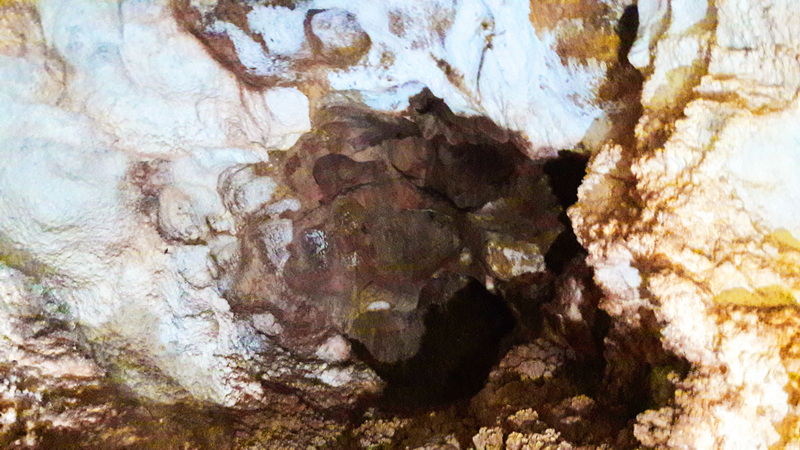
Kaew Komol Cave is a rewarding choice for travelers who want a day in Mae Hong Son shaped by nature rather than a crowded checklist. Located in Mae La Noi District, the cave is known for its pale mineral formations and quiet mountain setting. Its compact scale makes it possible to include in a wider outing, although the distance and winding roads across the province mean that careful planning matters more than trying to see everything at once. A visit works best when the cave is treated as one part of a regional experience. The surrounding area offers opportunities to appreciate mountain landscapes, learn about local communities, and travel at a slower pace. This guide focuses on what a realistic day can feel like, which interests the cave suits, and how Ban La-Up and Huai Hom Karen Village may complement the main stop without turning living communities into sightseeing displays. For visitors starting in Chiang Mai, a Mae Hong Son Day Trip From Chiang Mai requires an early start and a willingness to spend substantial time on the road. Travelers already staying in Mae Hong Son Province or passing through Mae La Noi can usually approach the day with more flexibility. In either case, the most satisfying plan leaves room for weather, local guidance, and unhurried observation.
Why Kaew Komol Cave Fits a Nature-Focused Day
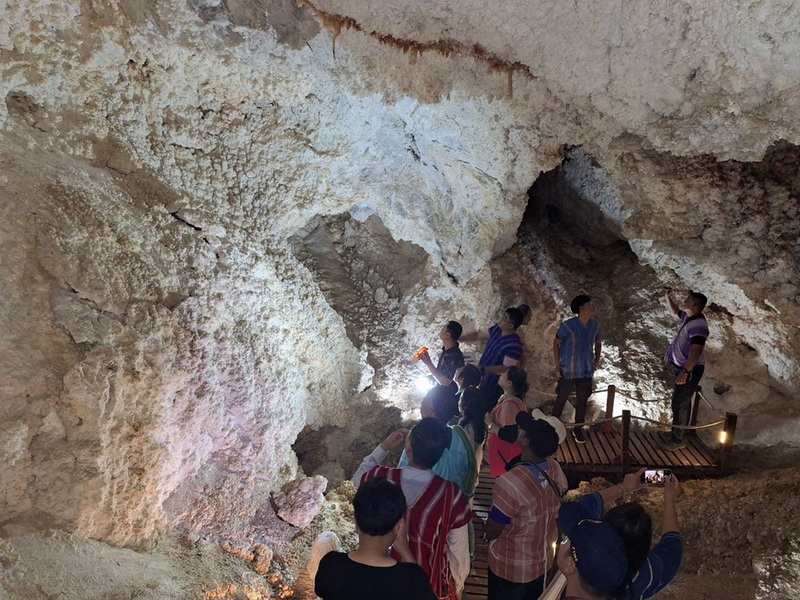
The main appeal of Kaew Komol Cave is the contrast between the forested mountain environment outside and the delicate mineral world underground. Visitors interested in geology can look for the cave’s pale calcite surfaces and the ways water has shaped the interior over time. The experience is less about covering a large attraction and more about noticing texture, color, darkness, and scale in a protected natural setting.
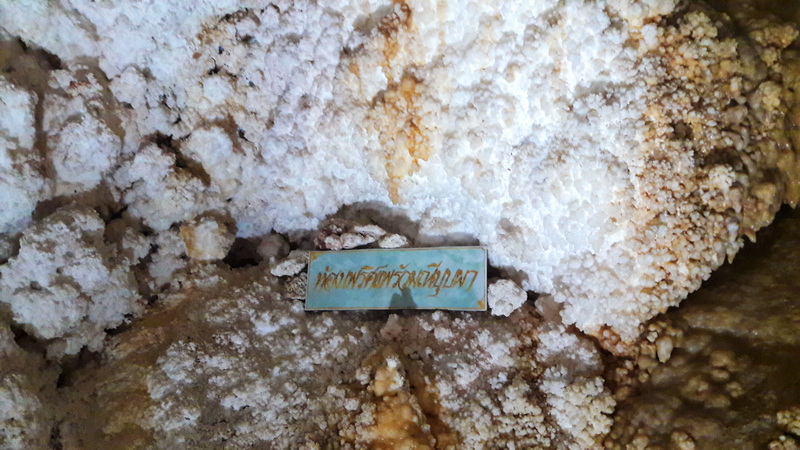
That focus makes the cave suitable for a half-day component within a broader itinerary. It can anchor a day for travelers who prefer a clear central destination, while the remaining hours are used for viewpoints, local food, or community-based visits chosen according to current local conditions. The cave may be especially appealing to photographers, geology enthusiasts, families with older children, and anyone seeking a quieter alternative to heavily developed attractions.
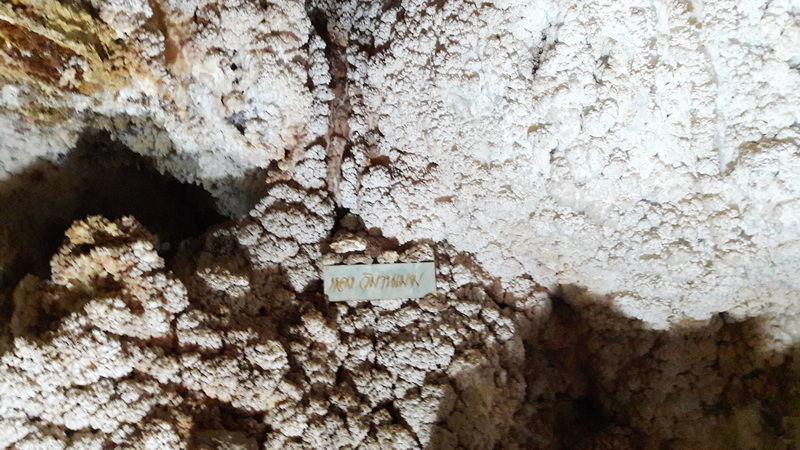
A realistic plan should account for the physical character of a cave visit. Uneven surfaces, enclosed spaces, changing light, and potentially damp conditions can affect comfort. Shoes with dependable grip, modest clothing, and water are sensible choices. Visitors who dislike confined spaces or have mobility concerns may wish to ask locally about the current access conditions before committing to the stop. Policies, routes, and visitor arrangements can change, so current information should be confirmed close to the travel date.
Community Perspectives Near Mae La Noi
Once the cave has provided its quiet geological focus, the surrounding communities can add a human dimension to the day. These visits require a considerate approach and should be included only when local conditions and welcome make them appropriate.
Ban La-Up
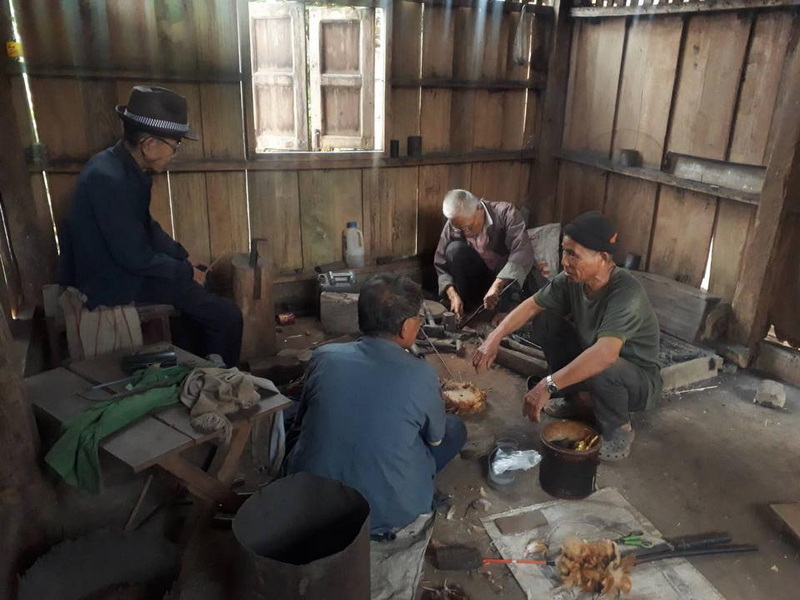
Ban La-Up can be considered as a cultural and landscape complement to the cave when local access is appropriate. The village is associated with communities in the Mae La Noi area, and a visit should be guided by respect for residents’ privacy and daily life. Travelers should not assume that every part of the village is a public attraction or that people are available to perform, pose, or explain traditions on demand.
For a day itinerary, the value of Ban La-Up lies in slowing the pace and observing how mountain communities are situated within their environment. Ask locally about suitable visitor behavior, follow designated routes where they exist, and seek permission before photographing people or private spaces. A short, considerate visit is preferable to an intrusive one.
Huai Hom Karen Village
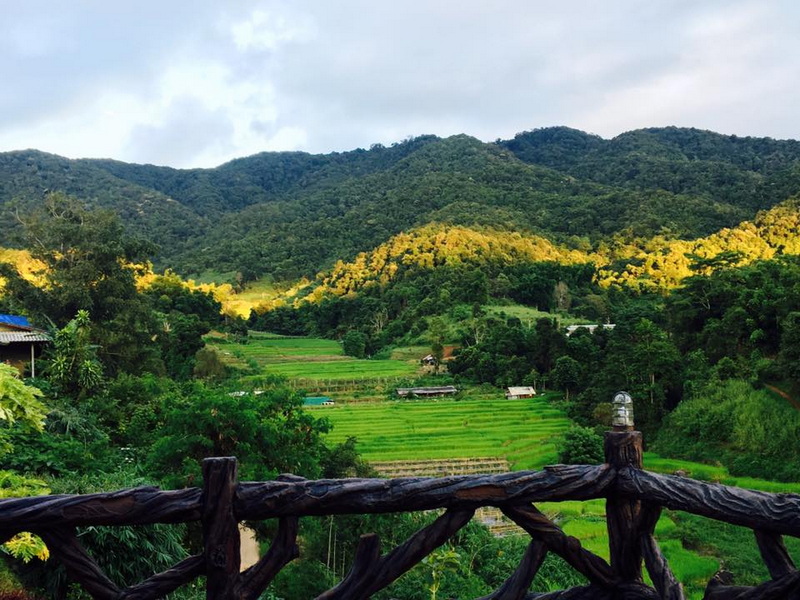
Huai Hom Karen Village offers another possible community-focused addition for travelers who want their Mae Hong Son visit to include local context. The village should be approached with the same care as any living community: learn from available local explanations, avoid stereotypes, and remember that residents’ homes and routines are not exhibits. Travel plans should allow for the possibility that access or visitor arrangements vary.
Combined with Tham Kaew Komon, a visit here can broaden the day from a geological experience into a more rounded understanding of the region. The emphasis should remain on respectful engagement rather than collecting images or treating cultural difference as entertainment. Where locally made products, food, or guiding services are offered, choosing them through appropriate community channels may help keep the interaction grounded and mutually respectful.
Building a Manageable Mae Hong Son Outing
The question is not simply whether a cave can be visited in one day, but from where that day begins. From Mae La Noi or another nearby base, the outing can be shaped around the cave and one or two additional experiences. From farther away, especially Chiang Mai, the journey becomes more demanding because Mae Hong Son’s mountain roads take time and may be tiring for some passengers. A day trip remains possible for determined travelers, but it is best understood as a long regional excursion rather than a quick attraction stop.
A useful planning method is to choose one primary purpose and then add only compatible stops. If the purpose is natural scenery, give Kaew Komol Cave the central position and select nearby landscapes or villages that do not require a rushed schedule. If the purpose is cultural learning, allow more time for respectful visits and conversation rather than trying to collect many photographs. Weather also deserves attention: rain can alter road conditions and affect outdoor plans, while cool or wet conditions may change how comfortable the cave feels.
Visitors searching for a Kaew Komol Cave Travel Guide will often find that practical flexibility is more valuable than a tightly packed timetable. Confirm opening arrangements and local access information before departure, and avoid assuming that online descriptions reflect every current condition. It is also wise to keep a backup plan based on places that can be enjoyed from the roadside or in nearby communities if weather, fatigue, or access limitations affect the original itinerary.
The journey itself is part of the day’s character. Mae Hong Son Province is defined by folded mountains, forested slopes, and settlements connected by roads that are scenic but not always fast. Travelers prone to motion sickness may want to prepare in advance. Regular breaks, sufficient drinking water, and realistic expectations can make the experience more comfortable without requiring a formal tour schedule.
Two Community Stops to Consider Alongside the Cave
The cave becomes more meaningful when placed within the human landscape of Mae La Noi. The following nearby places can add context, but they should be approached as communities with their own routines and identities, not as staged extensions of a cave visit. Check whether visitors are welcome, follow local guidance, and ask before taking photographs of people, homes, ceremonies, or work.
Choosing the Right Experience for Your Group
Nature lovers may enjoy the combination of underground formations and mountain scenery. The cave provides visual interest at close range, while the approach through Mae La Noi District places the visit within a broader landscape of hills and rural settlements. This pairing suits travelers who like to alternate between focused observation and open-air travel rather than spending the entire day at one large attraction.
Culture-focused visitors can use the outing to think about how local communities relate to the surrounding environment. A respectful visit means listening more than comparing, avoiding assumptions about ethnicity or tradition, and supporting locally appropriate services when available. The Karen communities in the region should not be presented as decorative or exotic scenery. Their villages are living places, and visitors should follow community rules and accept that some areas or activities may not be open to casual sightseeing.
Families and mixed-age groups may need a little more preparation. Younger children might find darkness or confined passages uncomfortable, while older travelers may prefer a slower pace and fewer transitions. A group can still enjoy the destination by agreeing in advance that not everyone has to participate in every part of the day. For independent travelers, the advantage is the ability to pause when the landscape invites attention instead of measuring success by the number of stops completed.
The strongest day plans leave space for simple pleasures: a meal selected locally, a quiet roadside view, or time to notice the changing vegetation between districts. These moments are not secondary to the cave. They help explain why the destination belongs among the broader Attractions in Mae Hong Son, where natural features and community landscapes are often best appreciated together.
Making the Day Feel Unhurried
Kaew Komol Cave is suitable for a thoughtful day trip when travelers plan around distance, weather, energy, and local guidance. It offers a focused natural experience, while Ban La-Up and Huai Hom Karen Village can provide additional regional context when visited respectfully. The best itinerary is not the one with the most stops; it is the one that leaves enough time to appreciate the cave, the mountain roads, and the communities of Mae La Noi without rushing through them.
