Queen Cham Dhavi Monument and a Thoughtful Lamphun Journey
Discover the Chamthewi Statue, Lamphun heritage, and meaningful day-trip connections from Chiang Mai
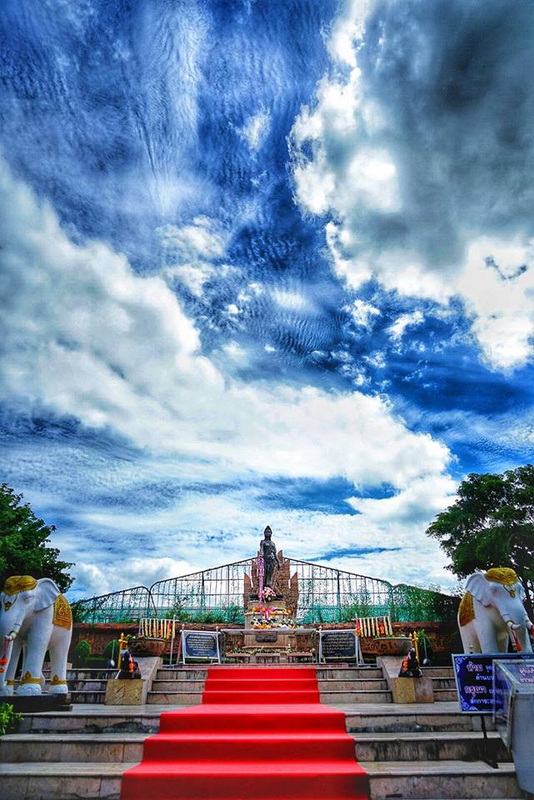
The Queen Cham Dhavi Monument offers a calm introduction to Lamphun’s cultural identity. Set in Mueang Lamphun District, Lamphun, the monument commemorates Queen Chamthewi, also known as Queen Camadevi, a figure closely associated with the early history and traditions of Hariphunchai. For visitors, the site is not only a place to pause before a statue; it is a gateway into the stories, religious heritage, and enduring local respect that shape the old city. The Chamthewi Statue presents the queen in a dignified form, allowing travelers to connect a historical figure with the wider landscape of temples and community memory. The monument is especially rewarding when approached as part of a cultural day rather than as an isolated photo stop. A visit can begin with observation of the statue and its setting, continue through Lamphun’s historic religious sites, and end with a better understanding of how the province relates to neighboring Chiang Mai. This focused Lamphun Thailand Travel Guide explains what to look for at the monument, how to interpret its significance respectfully, and why nearby temples such as Wat San Pa Yang Luang and Wat Phra Yuen add depth to the experience. It also places Chiang Mai Trip Packages in context without turning the visit into a fixed itinerary.
Reading the Chamthewi Statue in Its Cultural Setting
The Chamthewi Statue is a visual representation of a queen remembered in northern Thai history and local tradition. Queen Chamthewi is widely linked with Hariphunchai, the ancient polity centered in present-day Lamphun. Accounts of her life combine historical interpretation, regional chronicles, and long-standing cultural memory, so visitors should approach the figure with respect for both documented history and living tradition. The monument’s importance comes from this continuing connection rather than from its size or ornament alone.
The statue’s formal presentation encourages a reflective visit. Rather than treating it simply as a landmark, travelers can notice the posture, clothing, and ceremonial atmosphere used to convey dignity and leadership. These visual elements provide a starting point for thinking about how communities remember influential figures. The Phra Nang Chamthewi Statue is therefore meaningful on two levels: it recalls a respected queen and expresses Lamphun’s continuing relationship with its Hariphunchai heritage.
Visitors should keep their behavior considerate. If local people are paying respects, it is appropriate to give them space and to observe any posted guidance before taking photographs. Modest clothing, a quiet manner, and care around sacred or commemorative areas help preserve the atmosphere. Even when a monument is located in an open civic setting, it may carry personal and spiritual importance for residents.
Why Lamphun Adds More Than a Monument Stop
Lamphun has a distinct character within northern Thailand. Its heritage is associated with Hariphunchai, while its later religious architecture reflects the wider development of Lanna culture. The result is a destination where historical layers are relatively close together. A traveler interested in the Camadevi Monument can use the visit as a way to understand the province rather than viewing it only as an excursion from Chiang Mai.
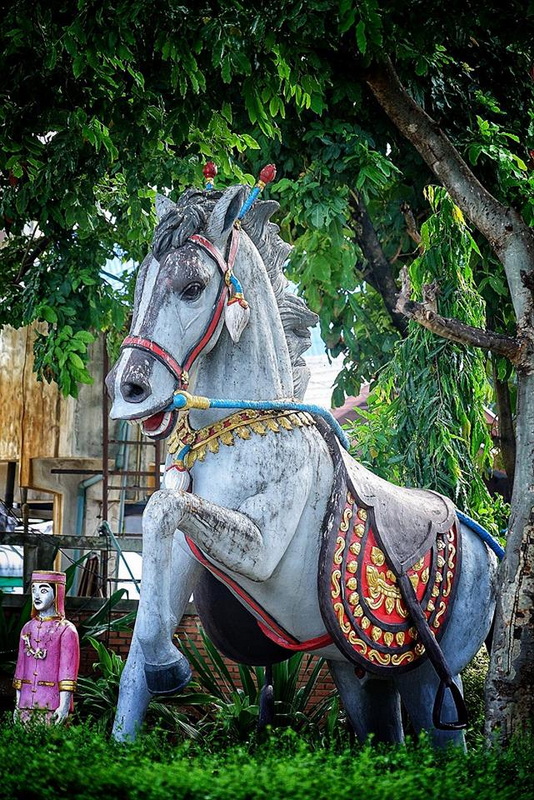
The city’s appeal lies in the relationship between monuments, temples, streets, and local religious life. Cultural sites may look different from one another, yet together they show how stories of founding figures, Buddhist practice, and regional identity remain connected. The Queen Camadevi story is part of that larger pattern. It helps explain why Lamphun is often included in conversations about northern heritage, even for visitors whose original plans center on Chiang Mai.
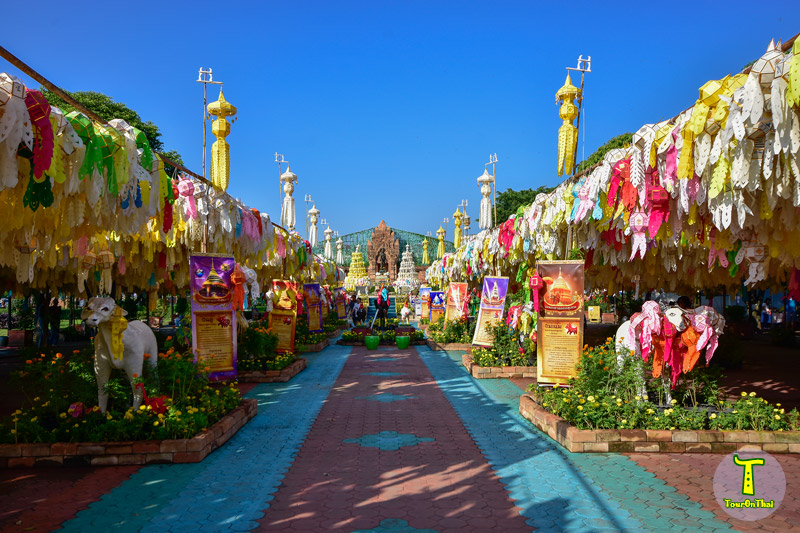
A useful way to explore is to allow time for quiet observation. Look at the monument’s surroundings, consider how people use the space, and then compare its commemorative purpose with the atmosphere of nearby temples. This approach makes the visit educational without requiring an exhaustive historical tour. It also avoids reducing Lamphun to a checklist of attractions. The strongest impression often comes from seeing how the sites complement one another.
Connecting the Monument with Chiang Mai Travel Plans
Lamphun is close enough to Chiang Mai to fit naturally into regional travel planning, which is why Chiang Mai Trip Packages may include cultural excursions beyond the larger city. The phrase can refer to many different styles of travel planning, but the important point is geographical and cultural: a Chiang Mai visit can provide a base for discovering nearby northern heritage, while Lamphun offers a quieter setting for learning about Hariphunchai and Queen Camadevi.
Travelers comparing Chiang Mai Trip Packages should look beyond the number of stops and consider whether the plan allows meaningful time at monuments and temples. A hurried visit may show the statue but leave little opportunity to understand its context. A more thoughtful arrangement leaves space for respectful observation, a temple visit, and attention to local customs. This is particularly helpful for culture-focused travelers who value interpretation over collecting photographs.
The monument also works well for independent visitors who are already exploring northern Thailand. Before setting out, it is sensible to confirm current transport arrangements, opening conditions for any temples on the same day, and local observances through reliable sources. Such practical checks are preferable to assuming that every site follows identical rules. Visitors should also remember that travel plans may need flexibility during religious events or community activities.
The connection between Chiang Mai and Lamphun is best understood as a regional flow rather than a competition between destinations. Chiang Mai is a major center for northern travel, while Lamphun contributes an older and more concentrated heritage atmosphere. Together they show different aspects of the region: urban energy in one place and a strong historic identity in another.
Looking Beyond the Photograph
A statue visit becomes more rewarding when travelers ask simple questions. What kind of leadership does the monument remember? Which parts of the story belong to historical records, and which continue through local tradition? How does the surrounding community use the space today? These questions do not require specialist knowledge, yet they encourage a deeper encounter with Lamphun’s heritage.
The name Camadevi Monument may appear in travel references alongside Cham Dhavi Monument, Camadevi Statue, or Queen Camadevi Statue. These variations point to the same broad commemorative subject, although spellings can differ when names are transliterated from Thai. Recognizing the variations can help travelers identify relevant information while keeping the focus on the cultural meaning of the site.
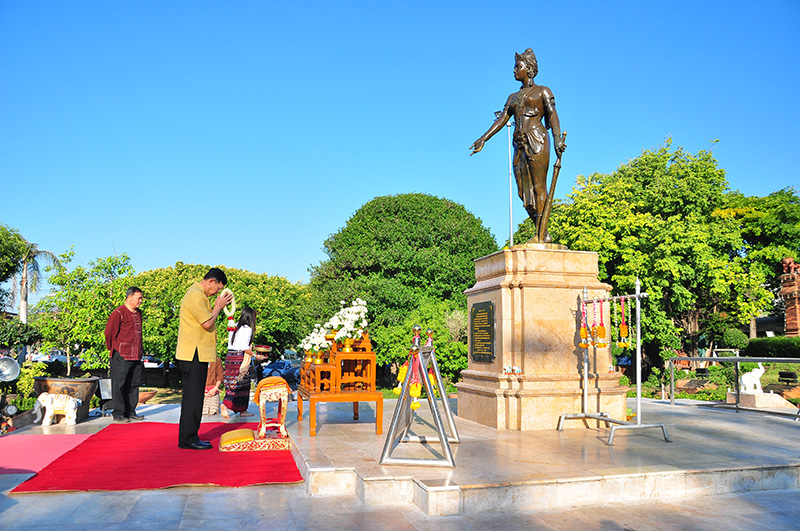
The monument can also prompt reflection on the role of women in regional historical narratives. Queen Camadevi is remembered as a founding and governing figure in accounts of Hariphunchai, and her image gives visible presence to that tradition. It is best to discuss this respectfully and without forcing modern assumptions onto ancient or traditional sources. The value of the story lies in examining how Lamphun remembers authority, origin, and community continuity.
For photography, a restrained approach is appropriate. Avoid interrupting people who are making offerings or praying, and do not climb onto structures or handle objects placed for worship. A photograph can preserve a travel memory, but attentive behavior ensures that the monument remains first a place of remembrance and only second a sightseeing subject.
A Gentle Way to Experience the Area
A cultural day around the Queen Cham Dhavi Monument does not need a complicated schedule. Begin by learning a little about Queen Chamthewi and Hariphunchai, then spend time observing the statue and its setting. Continue to one or two nearby religious sites, taking breaks to notice architectural details and the rhythm of local life. This sequence creates a natural movement from historical memory to living practice.
The most useful items to bring are simple: respectful clothing, water, sun protection, and patience. Temple grounds may involve walking or standing, and visitors should be prepared to remove shoes where requested. Because religious spaces have different customs, following signs and local example is more reliable than assuming that one rule applies everywhere.
Lamphun rewards travelers who allow room for interpretation. The monument may be the first point of interest, but the broader lesson comes from seeing how a city preserves stories through statues, temples, and everyday acts of respect. Whether the visit forms part of an organized regional plan or an independent journey, the goal is not merely to see more places. It is to understand why these places continue to matter.
Nearby Attractions
Wat San Pa Yang Luang
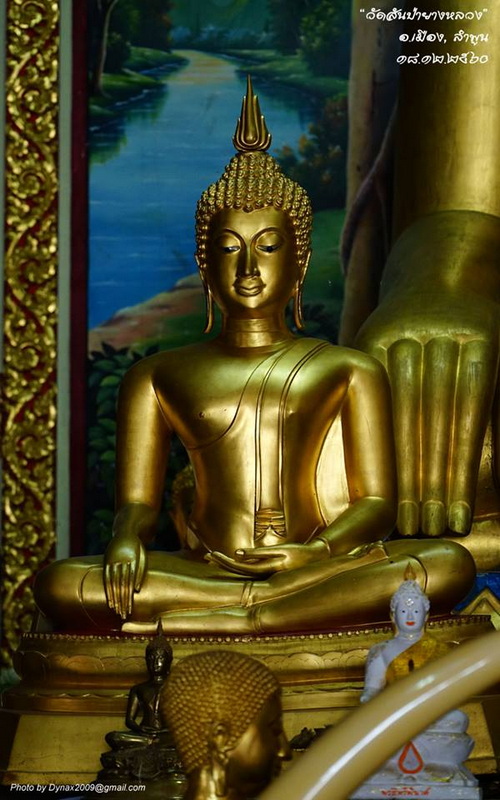
Wat San Pa Yang Luang adds a temple perspective to a visit centered on the Chamthewi Statue. Its religious setting encourages travelers to shift from the public remembrance of a historical queen to the continuing practice of Buddhism in Lamphun. Visitors can look respectfully at the temple’s architectural forms, decorative details, and arrangement of worship spaces while remembering that these are active religious surroundings rather than museum displays.
The temple is best approached slowly. Observe whether ceremonies or prayers are taking place, keep voices low, and follow guidance about footwear and photography. Paired with the monument, Wat San Pa Yang Luang helps show how Lamphun’s heritage includes both stories of regional beginnings and present-day spiritual life.
Wat Phra Yuen
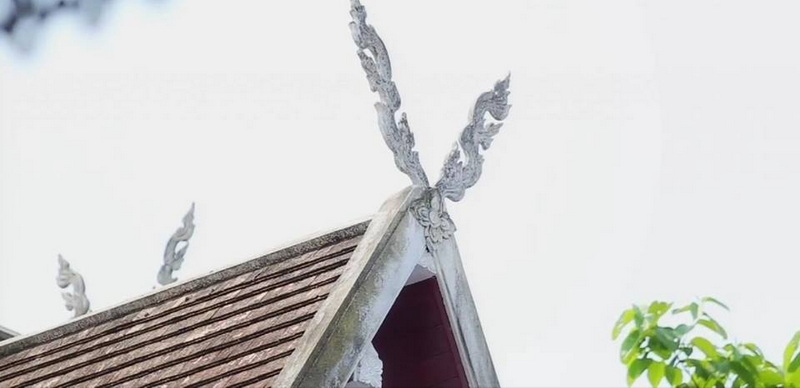
Wat Phra Yuen offers another way to explore Lamphun’s religious and architectural character. Its temple environment provides a useful contrast with the commemorative focus of the Camadevi Monument, inviting attention to Buddhist imagery, sacred space, and the continuity of worship across generations. Even a short visit can broaden the understanding gained from the statue by placing local history within a living religious landscape.
Travelers should allow the site its proper atmosphere. Dress modestly, avoid intrusive photography, and observe how worshippers move through the grounds. When visited with care, Wat Phra Yuen is not simply an additional attraction; it helps connect Lamphun’s historical identity with the practices that continue to shape the city.
Final Thoughts
The Queen Cham Dhavi Monument is most meaningful when viewed as part of Lamphun’s wider cultural landscape. The Chamthewi Statue recalls Queen Camadevi and the traditions of Hariphunchai, while nearby temples reveal how history and religious life remain closely connected. For travelers arriving through Chiang Mai, the visit offers a thoughtful regional perspective rather than just another landmark. With respectful behavior, flexible planning, and time for observation, Lamphun becomes a place to understand northern heritage at a measured and memorable pace.

No comments:
Post a Comment