Monday, October 26, 2026

Karen Hilltribe Visit Choices for Thoughtful Chiang Mai Travel

Karen Hilltribe Visit Choices for Thoughtful Chiang Mai Travel

A practical decision tool for comparing cultural visit styles, package language, and respectful travel priorities in Northern Thailand
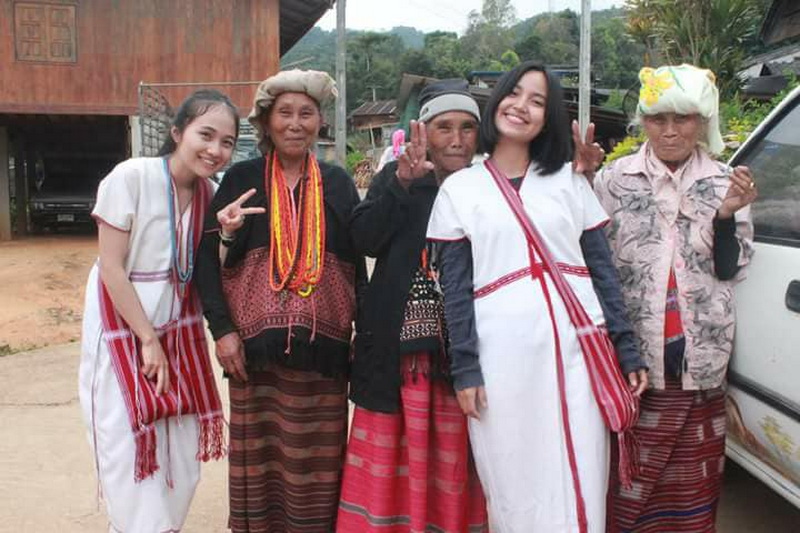
Travel photograph selected for Karen Hilltribe destination guide.

Travel listings can make very different cultural experiences sound almost identical. One description may use Karen Hill Tribe, another Karen Long Neck, and a third Karen Longneck Village, while offering little explanation of who is involved, how the visit is structured, or what travelers are expected to understand. That makes selection difficult for visitors who want more than a quick stop but do not want to impose their assumptions on a community. Instead of ranking villages or searching for a single “best” experience, use a purpose-and-evidence test. First identify what you want to learn. Then examine whether the description explains the community’s role, represents the people accurately, and gives enough information for you to decide how the encounter will work. This approach is especially useful when reviewing Chiang Mai Trip Packages that place a Karen Hilltribe visit alongside several unrelated activities. The goal is not to judge a community through a tourism advertisement. It is to judge whether an advertised visit gives you a responsible basis for participation. The scorecard below helps distinguish options by their stated purpose, level of cultural explanation, community agency, and treatment of visitors’ responsibilities.

Build a Four-Part Scorecard Before Reading the Details

Begin with four headings on a note: purpose, representation, agency, and boundaries. Give each prospective visit a simple mark such as clear, partial, or unclear. This is not a rating of the people or the community. It is a way to test the quality of the information offered to travelers.

Purpose asks what the visit is actually designed to do. Is it presented as an introduction to community history, a chance to learn about craft or daily livelihoods, a short cultural stop, or simply one item in a packed itinerary? None of these formats is automatically right or wrong. The important point is whether the description states its purpose plainly rather than relying on a dramatic label.

Representation asks whether the wording avoids presenting Karen people as a single, timeless group. A useful description acknowledges that Karen communities may have different histories, identities, languages, and relationships with tourism. It should not suggest that one short encounter explains everyone who uses the Karen name.

Agency asks who appears to shape the visit. Look for signs that local people are more than subjects of observation: community voices, locally guided interpretation, stated participation in decisions, or an explanation of how the encounter is organized. If all information comes from an outside seller and the community is never described as an active participant, mark this category unclear.

Boundaries cover the practical limits of the encounter. Does the description explain whether conversation, photography, purchasing, or entering particular areas is guided by local preference? When an offer leaves every boundary unstated, travelers cannot prepare their conduct responsibly. Missing information is not proof of poor practice, but it is a reason to ask before booking.

Match the Highest Score to Your Actual Priority

Once the four-part scorecard is complete, decide which category matters most to you. This prevents an attractive feature from outweighing the issue you care about most. A traveler interested in cultural context may give purpose and representation the greatest weight. Someone concerned about responsible participation may place agency and boundaries first.
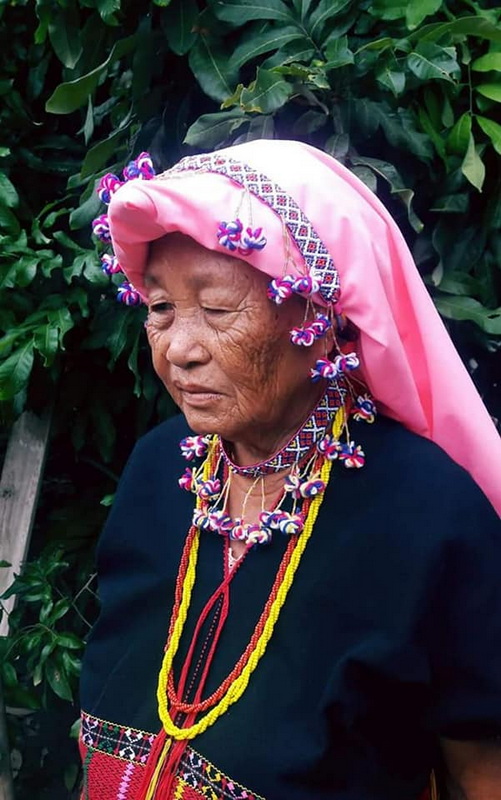
Travel photograph selected for Karen Hilltribe destination guide, Karen Hilltribe main article view 2 2

For a learning-led visit, look for language that identifies what can reasonably be learned within a short encounter. References to history, community perspectives, or everyday work are more useful when they are specific enough to set expectations. Be cautious of descriptions that promise access to an entire culture without explaining how that understanding will be developed.

For a craft- or livelihood-focused visit, ask whether the activity is described as work undertaken by community members or merely as something arranged for visitor consumption. Consider whether there is room to learn about skill, meaning, and choice rather than only viewing an object or purchasing it. A product display may be part of a visit, but it should not automatically stand in for cultural understanding.

For a low-impact cultural introduction, a short format may be suitable if its limits are clear. The best match is not necessarily the longest itinerary. It is the option that does not claim more knowledge or intimacy than the time allows. A brief visit can still be thoughtful when the description sets modest expectations and gives visitors guidance about conduct.

For travelers comparing a broader Chiang Mai Trip Packages offer, use the scorecard to prevent the cultural component from disappearing beneath a list of activities. Ask whether the Karen Hilltribe element has a stated purpose of its own. If it is only a label attached to a sequence of stops, the package may not meet a traveler whose priority is sustained cultural attention.

Turn Karen Labels Into Questions Rather Than Conclusions

Names used in listings deserve careful reading. Karen, Karen Long Neck, Karen Longneck, Karen Long Neck Village, and Karen Longneck Village may appear as overlapping tourism terms, but a label alone does not establish that the people, history, or visit format are identical. Travelers should not assume that one term explains another.

When an offer uses the phrase Karen And Karen Longneck Hill Tribe, ask what the wording is intended to distinguish. Does it refer to more than one community or identity? Is the name being used as a broad search term? Does the description explain whose perspectives visitors will encounter? These questions are more useful than treating the phrase as a guarantee of a particular experience.
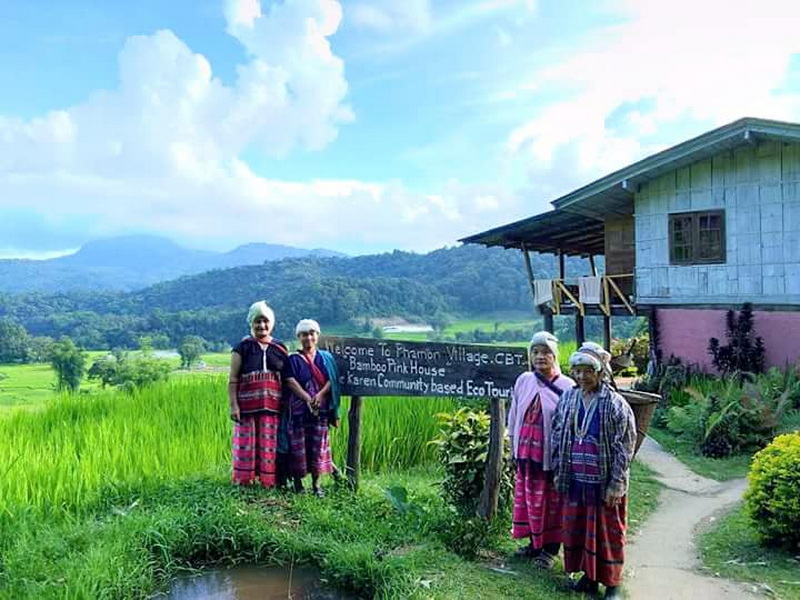
Travel photograph selected for Karen Hilltribe destination guide, Karen Hilltribe main article view 3 2

The longer phrase Karen And Karen Longneck Hill Tribe Thailand can also be read as a prompt for clarification. Ask whether “Karen” is being used generally while “Longneck” refers to a specific community, and whether the description gives enough context to avoid collapsing different histories into one attraction. Do not demand a simplified answer merely to make the listing easier to consume.

A useful Karen And Karen Longneck Hill Tribe Travel Guide should help readers recognize uncertainty. It should explain what the terminology can and cannot tell them, encourage direct questions, and avoid presenting an unfamiliar community as a display. If a listing uses several names interchangeably without explanation, record that as an information gap in the representation category of your scorecard.

This does not mean rejecting every package that uses imperfect tourism language. It means separating a search label from a meaningful account of the visit. A provider may be able to clarify the wording, identify the community involved, and explain how local participation shapes the encounter. That response gives travelers better evidence than the label itself.

Read the Description for Evidence of Community Agency

Many travelers compare packages by counting inclusions. For a cultural visit, a more revealing method is to inspect what the description makes visible. Who speaks? Who interprets? Who decides what visitors may see? Who can set limits? These questions move the assessment away from the number of stops and toward the relationship implied by the wording.

Look for a distinction between observing a community and learning through an encounter shaped with community participation. The description does not need to disclose private organizational details, but it should avoid portraying residents as scenery. It should also avoid suggesting that a visitor is entitled to personal stories, photographs, or access to domestic spaces.

Representation matters beyond politeness. If a listing focuses only on visual markers, clothing, or a single custom, travelers may arrive with a narrow picture of Karen identity. A fuller description can acknowledge ordinary life, varied experiences, and the fact that no short visit can provide a complete cultural account. This is a sign of intellectual care, not a demand for an academic lecture.
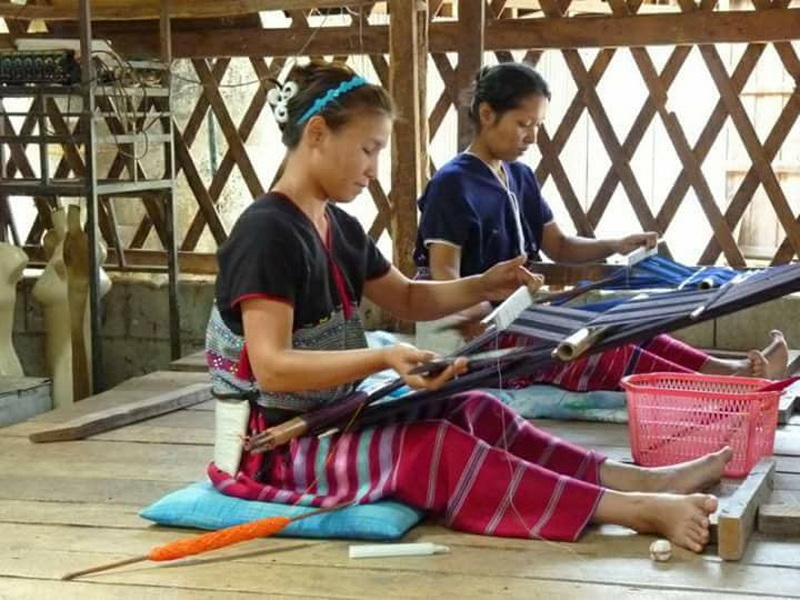
Travel photograph selected for Karen Hilltribe destination guide, Karen Hilltribe main article view 4 2

Agency may be difficult to verify from a short listing, so treat it as a question for the provider rather than a conclusion. Ask how local perspectives are included, whether community members guide or shape the encounter, and how visitor behavior is communicated. A clear, non-defensive answer is useful evidence. Silence or evasive wording means the option should remain provisional.

The scorecard should also record what the package does not claim. Avoiding guarantees of personal access, staged authenticity, or emotional transformation is a strength. A restrained description may be more trustworthy than one that promises an unusually intimate or exclusive experience.

Use One Short Conduct Checkpoint Before You Commit

After comparing purpose, representation, agency, and boundaries, apply a final three-question checkpoint: Can I ask before photographing? Can I accept a no without argument? Can I take part without expecting private access? If the answer to any question is no, reconsider the visit or clarify the expectations in advance.

Keep clothing, conversation, purchasing, and photography decisions responsive to local guidance rather than treating them as a universal checklist. Ask permission where appropriate, avoid turning people into backdrops, and do not assume that a visible tradition is an invitation for comment. If an interpreter or guide explains a restriction, follow it without pressing for a personal justification.

Purchasing should also remain a choice, not a test of whether a visit was worthwhile. Travelers can ask about an item’s significance or production when that conversation is welcome, but should not bargain aggressively or imply that buying creates a right to photographs or further attention. The same principle applies to questions: curiosity is valuable when it leaves room for refusal.

Finally, remember the limits of a short encounter. You may leave with useful context, but you will not become an authority on Karen people or on every community that tourism labels as Karen. Record what you learned, note what remains uncertain, and avoid repeating broad claims based on one visit. That restraint is part of making a sound selection in the first place.

Final Thoughts

If your main goal is cultural learning, choose the option with the clearest purpose and strongest representation, even if it contains fewer advertised features. If your priority is supporting community-led participation, give the greatest weight to evidence of agency and to answers about who shapes the encounter. If you have limited time, select the description with modest claims and clear boundaries rather than the one promising an all-encompassing view of Karen life. For any traveler, an unclear scorecard is a reason to pause, ask focused questions, or choose a different format. The Best Hill Tribe To Visit In Chiang Mai is therefore not a universal ranking. It is the visit whose stated purpose, cultural framing, and limits align with what you can responsibly bring to it. Used this way, the decision tool turns confusing labels into practical questions and leaves room for a more informed, considerate encounter.

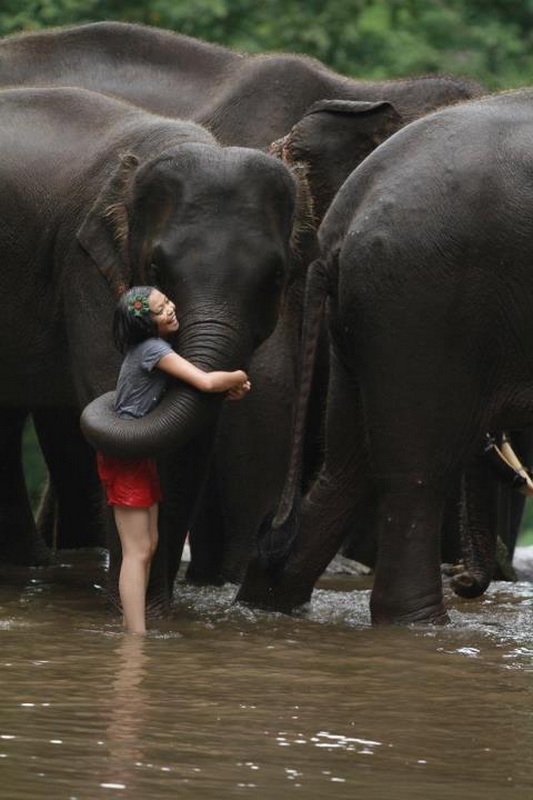
Patara Elephant Farm and Meaningful Day Trips from Chiang Mai

Patara Elephant Farm and Meaningful Day Trips from Chiang Mai

A responsible way to connect elephant care, local craftsmanship, forests, and thoughtful adventure beyond the city

Travel photograph selected for Patara Elephant Farm destination guide.

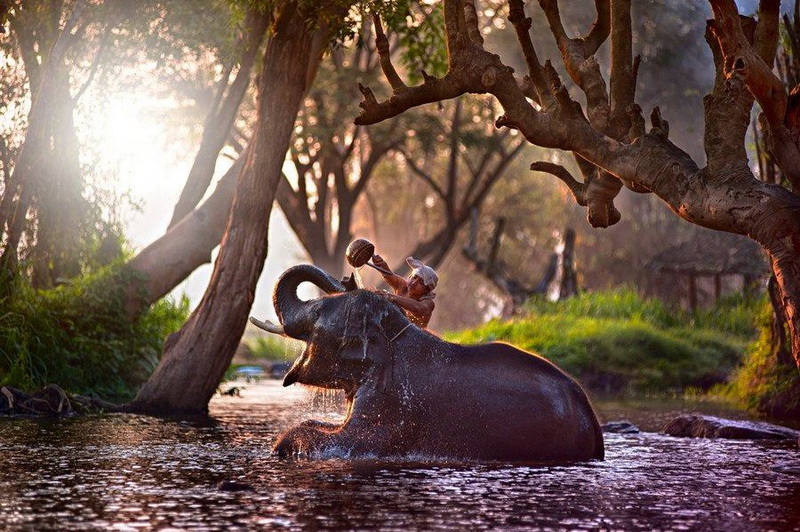
For travelers who want more than a quick photograph with an elephant, a visit to Patara Elephant Farm can become a lesson in responsibility, observation, and respectful contact. In Hang Dong District, Chiang Mai, the experience is best approached as a chance to learn how elephants are cared for and how visitors can behave around powerful, intelligent animals. The value is not simply in being close to an elephant; it is in understanding that closeness should be guided by welfare, patience, and attention to individual needs. This perspective also makes the farm a useful starting point for a wider day of discovery. Chiang Mai’s surrounding area brings together craft communities, forested landscapes, and national parks, allowing an elephant experience to sit within a broader journey rather than stand apart from local life and nature. The most rewarding plans leave room for unhurried learning: listen during a Patara Elephant Conversation, consider what responsible tourism requires, then choose a cultural or outdoor setting that encourages the same care for place. This guide focuses on that combination. It explains what to look for in an ethical elephant visit, how Patara Elephant Training can be understood as a relationship built through routine and trust, and how nearby cultural and natural destinations can complement the experience without turning the day into a rushed checklist.

Begin with welfare rather than spectacle

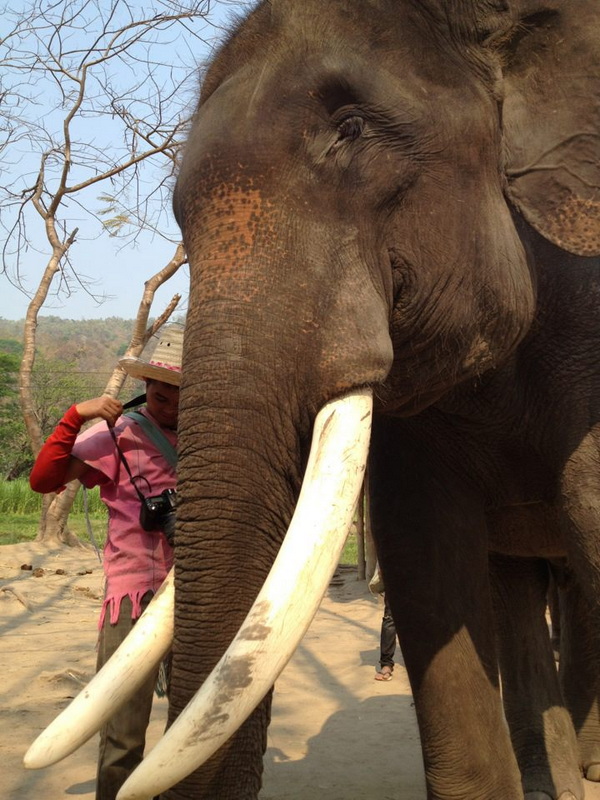
An Ethical Elephant Tour Chiang Mai should place the animals’ welfare ahead of visitor entertainment. That means observing elephants as living beings with different temperaments, physical conditions, and comfort levels, rather than treating them as props for a memorable encounter. A responsible visitor watches for the tone of the experience: Are elephants given time to respond? Are interactions calm and supervised? Are guests encouraged to notice care routines instead of demanding constant activity?
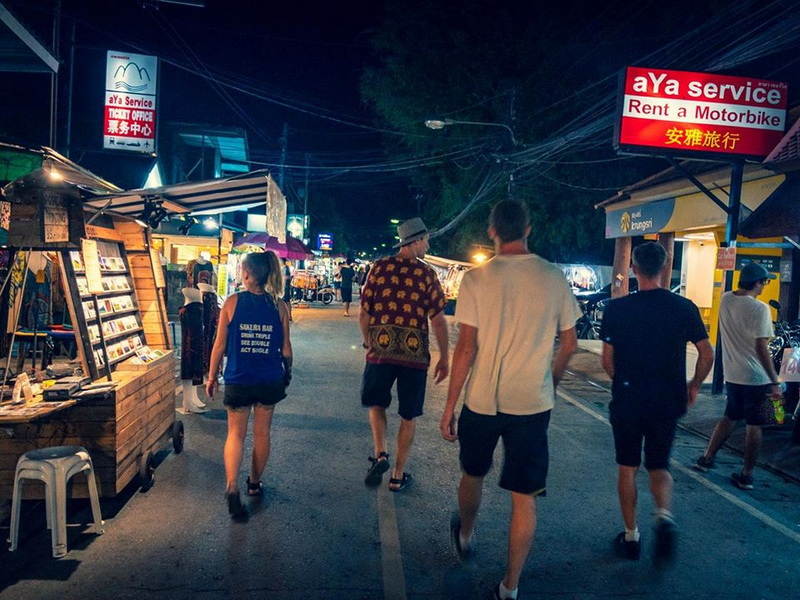
At Patara Elephant Farm, the educational value lies in seeing care as an ongoing responsibility. Feeding, checking an elephant’s condition, maintaining cleanliness, and paying attention to behavior all suggest that welfare is not a single performance staged for tourists. These observations can help visitors understand why ethical tourism depends on trained caregivers, appropriate boundaries, and a willingness to let the animals set the pace.

It is also important to keep expectations realistic. Ethical tourism does not mean that every visitor will receive the same interaction or that an elephant will always appear active and sociable. An animal may need rest, personal space, or a quieter environment. Accepting those limits is part of the experience. Visitors can contribute by following guidance, avoiding sudden movements and loud behavior, and resisting the urge to turn every moment into a photograph.

What Patara Elephant Training can teach visitors

The phrase Patara Elephant Training may sound like a performance category, but a thoughtful interpretation is more concerned with communication and daily cooperation. Visitors can look for the subtle work behind an elephant’s routine: familiar cues, careful handling, observation of mood, and consistent care. Such practices require patience from people as well as cooperation from elephants. The goal should be a safer relationship, not the display of dominance.

Travel photograph selected for Patara Elephant Farm destination guide, Patara Elephant Farm main article view 2 2

A useful question to carry through the visit is, “What does this elephant need in this moment?” That question changes the visitor’s role. Instead of asking how to obtain the most dramatic encounter, travelers begin to notice posture, movement, appetite, and signs that an animal may want distance. This is where a Patara Elephant Conversation can be especially meaningful. Conversation in this context is not only spoken explanation; it is the exchange of knowledge between caregivers and guests, combined with the quiet interpretation of elephant behavior.

Travelers reading Patara Elephant reviews may find varied impressions because people arrive with different ideas about what an elephant experience should be. A balanced review should consider the quality of animal care, the clarity of welfare explanations, and whether the visit encourages respectful conduct. It should not judge success only by the number of hands-on moments. The most responsible experience may feel slower and more educational than a conventional attraction, and that is a strength rather than a shortcoming.

Guests can support the setting by wearing practical clothing, listening carefully, and avoiding assumptions based on wildlife videos or social media. Do not bring food or attempt contact unless caregivers indicate that it is appropriate. Ask questions respectfully, particularly about long-term care and conservation, while remembering that staff also need to focus on the elephants. Curiosity is welcome when it is paired with humility.

Building Adventure Day Trips From Chiang Mai with purpose

Adventure Day Trips From Chiang Mai do not have to be defined by speed or physical intensity. For a responsible traveler, adventure can mean moving between distinct environments and learning how cultural and natural landscapes are connected. An elephant visit in Hang Dong can provide the reflective center of a day, while a craft village or forest park adds another way to understand the region.

When combining experiences, allow each place to have its own character. An elephant-care visit asks for attentiveness and emotional openness. A cultural stop invites consideration of skill, materials, family knowledge, and local livelihoods. A national park encourages awareness of terrain, water, plants, and the limits of human access. Treating each destination as more than a backdrop creates a richer journey than trying to collect as many stops as possible.

Travel photograph selected for Patara Elephant Farm destination guide, Patara Elephant Farm main article view 3 2

The order of activities should be chosen according to energy, travel distance, and the needs of the people and animals involved, but exact schedules and inclusions vary. Rather than planning around promises of a perfect itinerary, travelers can identify one principal experience and one complementary destination. This approach reduces pressure and leaves room for unexpected learning, weather changes, or a longer conversation with a guide.

Adventure also includes the responsibility to leave places undisturbed. Carry waste away, remain on appropriate paths, avoid touching plants or wildlife, and respect requests about photography. At cultural sites, ask before photographing people or private workspaces. Responsible behavior is not an extra layer added after the fun; it is what allows outdoor and community-based tourism to remain welcome.

Pairing elephant care with cultural understanding

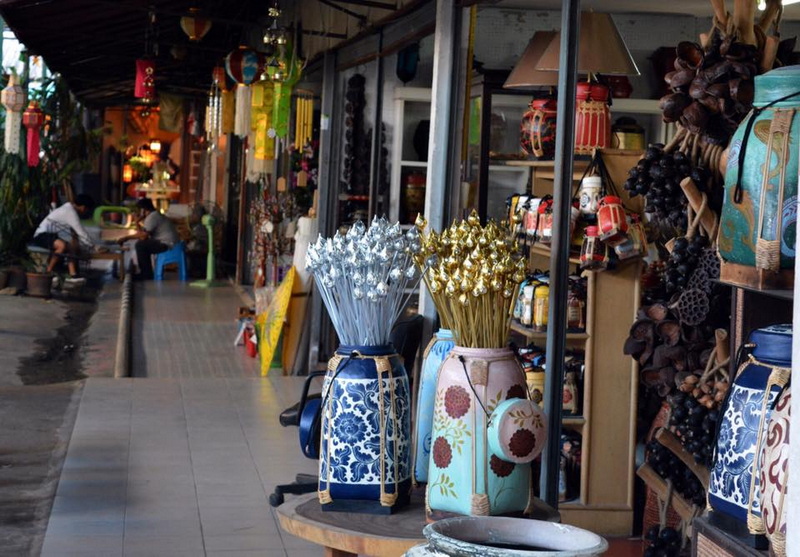
An elephant experience can sometimes make visitors think only about wildlife, yet the surrounding journey also involves people whose work, knowledge, and community spaces deserve consideration. A visit to Baan Tawai Wood Carving Village offers a different perspective on care: attention is directed toward materials, tools, design, and the time required to make objects by hand. Travelers should approach the village as a living working environment rather than a theatrical display created solely for tourists.

The connection between the two experiences is not that elephant care and wood carving are interchangeable. They are distinct forms of knowledge. The connection is the discipline behind both: observing closely, developing skill, respecting materials or animals, and understanding that meaningful work cannot always be rushed. Visitors can ask about craft traditions in a considerate way, support artisans through thoughtful purchases if they choose, and avoid treating local makers as subjects for unsolicited portraits.

This cultural dimension helps broaden a Patara Elephant Chiang Mai Elephant Training Program At Patara Elephant Farm visit into a more complete regional experience. The phrase may be used by travelers searching for a program, but the important question is what they learn from it and how they behave afterward. A day that links animal welfare with respect for local craftsmanship encourages a more grounded form of tourism.

Travel photograph selected for Patara Elephant Farm destination guide, Patara Elephant Farm main article view 4 2

Let the forest change the pace

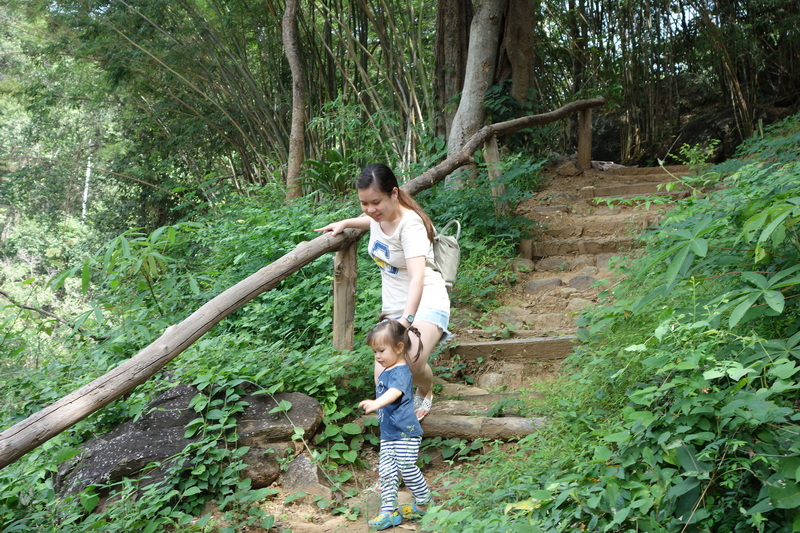
For travelers who prefer open landscapes and walking over additional commercial activity, Ob Luang National Park provides a natural counterpoint to the farm and the artisan village. Its landscapes are shaped by forest, rock, and river corridors, and the setting invites visitors to pay attention to geology and ecology rather than to seek constant entertainment. Conditions can vary, so sensible preparation and respect for park guidance are essential.

A natural park visit complements elephant-centered learning because it widens the idea of conservation. Caring for an individual elephant is immediate and personal; protecting a forest landscape involves habitats, water systems, plants, animals, and the people who depend on them. These scales are connected. A traveler who becomes more attentive to one animal may also become more aware of how trails, noise, litter, and careless behavior affect wider ecosystems.

Keep the outdoor portion modest and appropriate to the group’s abilities. Wear suitable footwear, carry water, stay aware of weather, and do not remove natural objects. Avoid feeding wildlife or approaching animals. The purpose is not to conquer a landscape, but to spend time in it without causing harm. Quiet observation can be just as rewarding as a demanding activity, especially after an emotionally engaging elephant visit.

Together, Patara Elephant Farm, Baan Tawai Wood Carving Village, and Ob Luang National Park represent three different invitations: learn how care is practiced, notice how culture is made, and experience how nature is protected. They should not be forced into a single hurried narrative. Their value increases when travelers allow the differences between them to remain visible.

Nearby Attractions

Baan Tawai Wood Carving Village

Travel photograph selected for Baan Tawai Wood Carving Village destination guide.

Baan Tawai Wood Carving Village can add a cultural dimension to a day focused on ethical tourism. The village is associated with woodcraft and artisan work, so visitors can pay attention to carving techniques, design details, and the patience involved in producing handmade pieces. Approach workshops and makers with courtesy, ask before photographing, and remember that the village is also a place where people work and conduct everyday business.

Rather than treating the stop as a quick shopping detour, consider how craft traditions are maintained and adapted. Supporting artisans thoughtfully, without bargaining aggressively or assuming that every object has the same origin or meaning, helps make the visit more respectful.

Ob Luang National Park

Travel photograph selected for Ob Luang National Park destination guide.

Ob Luang National Park offers a contrasting setting of forested terrain and dramatic natural formations. The park can encourage a slower, more observant style of adventure after time spent learning about elephant care. Visitors should follow current park guidance, stay on suitable routes, and prepare for changing outdoor conditions rather than assuming that every area will be equally accessible.

Its conservation value is easy to understand when viewed through everyday actions. Staying on paths, carrying rubbish out, avoiding disturbance to wildlife, and keeping noise under control all help protect the landscape. A visit here can turn a day trip into a broader reflection on how individual choices affect shared natural spaces.

Final Thoughts

The strongest day trips from Chiang Mai are not necessarily the busiest. At Patara Elephant Farm, visitors can learn that ethical contact depends on patience, boundaries, and continuing care. At Baan Tawai, they can notice the skill and dignity of local craftsmanship. At Ob Luang National Park, they can experience conservation at the scale of forests and rivers. Together, these places support a thoughtful style of travel: curious without being demanding, adventurous without being careless, and willing to leave people, animals, and landscapes with their dignity intact.

Thursday, October 22, 2026

Exploring Less Commonly Visited Waterfalls Near Huay Kaew Waterfall

Exploring Less Commonly Visited Waterfalls Near Huay Kaew Waterfall

Discover hidden waterfalls and tranquil natural spots around Huaykaew Waterfall in Chiang Mai for a peaceful escape

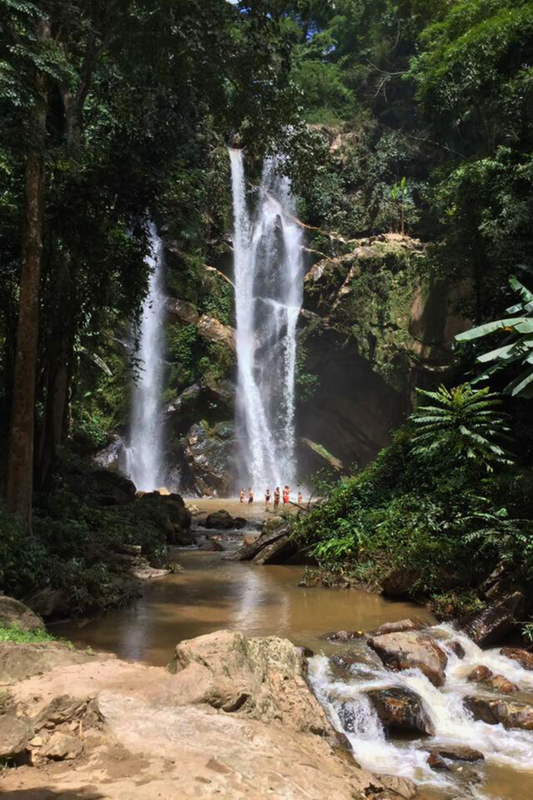
Tall waterfall flowing into a pool surrounded by dense trees and rocks at Huay Kaew Waterfall.

Nestled within the lush landscapes of Mueang Chiang Mai District, the Huay Kaew Waterfall offers visitors a refreshing glimpse into northern Thailand’s natural beauty. While many travelers flock to this popular cascade, the surrounding area holds a collection of lesser-known waterfalls that provide a quieter, more intimate experience with nature. For those seeking to explore beyond the usual tourist paths, these hidden waterfalls in Chiang Mai present a wonderful opportunity to connect with the region’s serene environment. This guide invites you to tour Chiang Mai’s tranquil corners near Huaykaew Waterfall, exploring natural gems that often escape the crowds. Alongside these peaceful spots, notable nearby attractions such as Wat Phra That Doi Suthep and the Chiang Mai Zoo enrich the area’s cultural and recreational appeal. Together, they form a perfect blend of natural wonder and local heritage. Whether you are a nature lover looking for calm escapes or a traveler eager to uncover less crowded destinations, this article highlights how to enjoy Huaykaew Waterfall and its surroundings responsibly and respectfully. By focusing on quieter waterfalls and the ecological and cultural context that surrounds them, visitors can experience a deeper appreciation for this unique part of Chiang Mai.

The Unique Charm of Huay Kaew Waterfall

Huay Kaew Waterfall, located just a short drive from Chiang Mai’s city center, is a refreshing natural retreat known for its gentle cascades and verdant surroundings. Unlike some of the more dramatic waterfalls in northern Thailand, Huaykaew Waterfall offers a peaceful ambiance with an accessible trail suitable for visitors of all ages. The sound of cascading water mingling with the forest’s quiet is a soothing backdrop that invites relaxation and reflection.

The waterfall’s natural features include a series of small drops surrounded by dense tropical foliage, creating pockets of shade and cool air. This environment supports a variety of local plant and animal life, contributing to the area’s ecological richness. Visitors often find the combination of flowing water and lush greenery to be a welcome respite from the city’s bustle.

Importantly, Huay Kaew Waterfall is part of a broader network of natural sites within Mueang Chiang Mai District that are less frequented by tourists. This makes it an ideal starting point for those interested in exploring hidden waterfalls in Chiang Mai and experiencing the region’s quieter side.

Discovering Hidden Waterfalls in Chiang Mai

Beyond Huaykaew Waterfall, several smaller, less commonly visited waterfalls lie scattered throughout the surrounding hills and forests. These hidden waterfalls offer visitors a chance to escape the crowds and immerse themselves in nature’s tranquility. Many are accessible via hiking trails that wind through peaceful woodland areas, where the sounds of birds and rustling leaves accompany your journey.

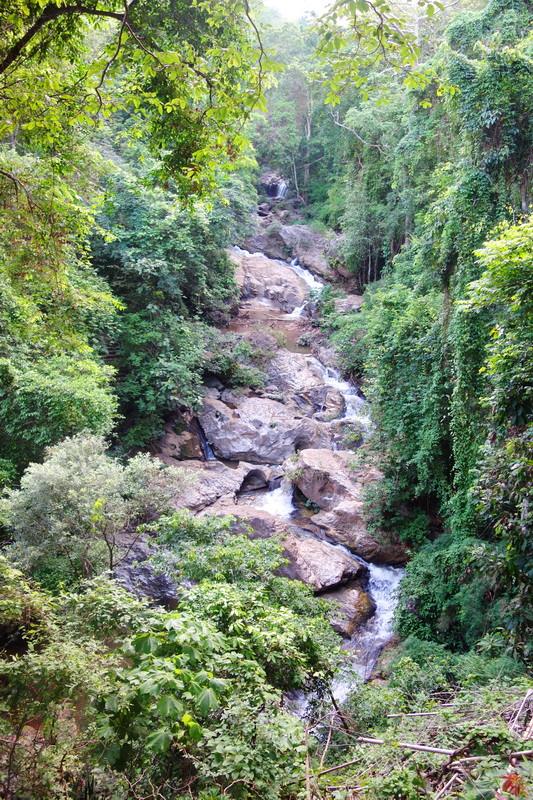
A rocky stream winding through a dense, green forest with lush foliage overhead at Top Waterfalls in Chiang Mai.

These lesser-known cascades tend to be modest in scale but are no less captivating. Their seclusion often means visitors can enjoy moments of solitude beside crystal-clear pools or beneath gentle streams. Seasonal variations influence the waterfalls’ flow, with the rainy season bringing more vibrant water levels and lush vegetation.

Exploring these quieter spots requires a mindful approach: respecting the natural environment, minimizing noise, and avoiding litter. Such responsible tourism helps preserve the pristine condition of these natural gems for future visitors and local wildlife alike.

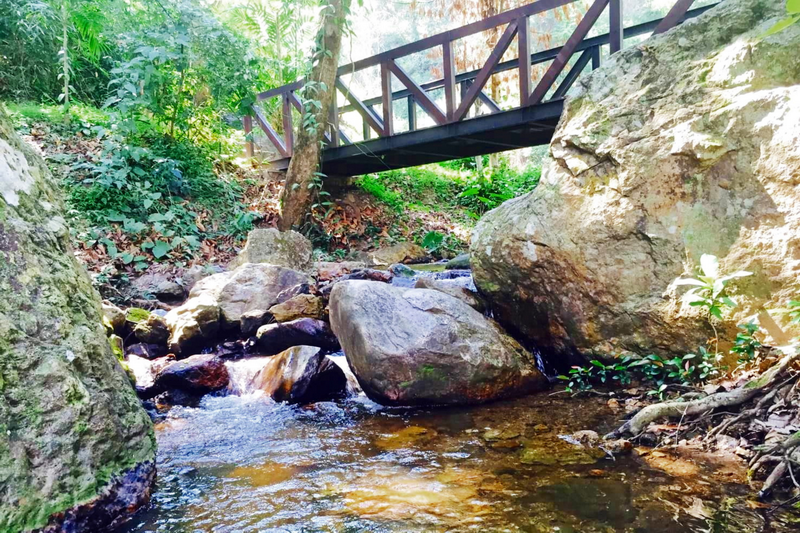
A forest stream with rocks and a wooden bridge overhead surrounded by greenery at Huay Kaew Waterfall.

Nearby Attractions Enhancing the Natural Experience

While the waterfalls provide a serene escape, the area around Huay Kaew Waterfall also features notable attractions that complement a visit to this part of Chiang Mai. Wat Phra That Doi Suthep, perched on a mountain overlooking the city, is one of northern Thailand’s most sacred temples. Its rich cultural significance and stunning views offer a meaningful contrast to the natural scenery of the waterfalls.

Similarly, the Chiang Mai Zoo presents an opportunity to observe native and exotic animals within well-maintained habitats. This family-friendly attraction adds variety to a day spent exploring the region, balancing nature walks with educational experiences.

Both Wat Phra That Doi Suthep and Chiang Mai Zoo are easily accessible from Huaykaew Waterfall, making them convenient additions to a tour Chiang Mai itinerary focused on both cultural and natural highlights.

Tips for Enjoying a Peaceful Waterfall Tour in Chiang Mai

To fully appreciate the quieter waterfalls near Huaykaew Waterfall, plan your visit during weekdays or early mornings when fewer visitors are around. This timing enhances the sense of solitude and allows for better wildlife observation.

Wear appropriate footwear for uneven or slippery trails, and bring sufficient water and insect repellent to stay comfortable during your hike. Carry out all trash and avoid disturbing plants or animals to maintain the natural environment’s integrity.

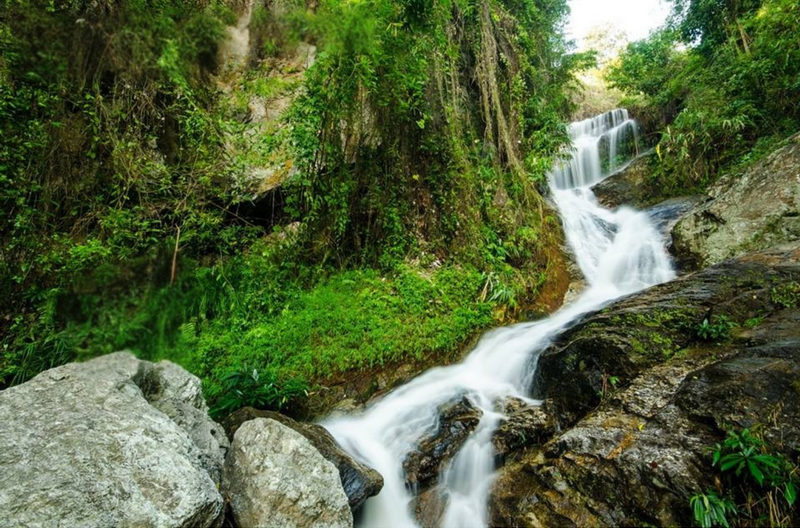
A narrow waterfall flowing over rocks amidst dense greenery at Huay Kaew Waterfall.

Engaging with local guides can provide valuable insights into the ecological and cultural aspects of the area, enriching your experience while supporting community-based tourism. Always respect local customs, especially when visiting nearby cultural sites, and avoid loud noises or disruptive behavior.

By adopting these mindful practices, visitors help ensure that these hidden waterfalls and their surroundings remain peaceful sanctuaries for both people and nature.

Balancing Nature and Culture Near Huaykaew Waterfall

The region around Huay Kaew Waterfall is a mosaic of natural beauty and cultural heritage. Visitors can enjoy the refreshing atmosphere of the waterfalls alongside the spiritual ambiance of nearby temples and the lively environments of local attractions.

Understanding the local cultural context, especially at sites like Wat Phra That Doi Suthep, encourages respectful behavior and deeper appreciation. This awareness extends to recognizing the importance of environmental conservation in maintaining the area’s natural charm.

Combining visits to waterfalls with cultural excursions creates a balanced itinerary that highlights Chiang Mai’s rich diversity. It also invites travelers to slow down and engage thoughtfully with both the environment and local communities.

Nearby Attractions

Wat Phra That Doi Suthep

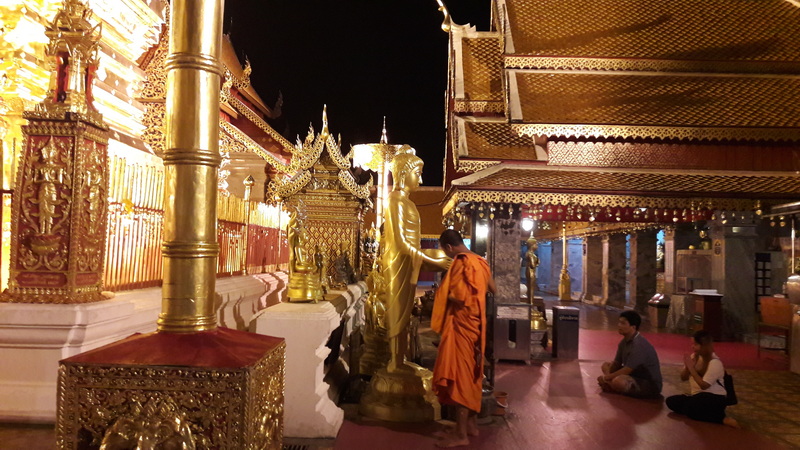
Monk and visitors inside a golden-decorated temple at night with Buddha statues and intricate details at Wat Phra That Doi Suthep.

Wat Phra That Doi Suthep is a revered Buddhist temple located on Doi Suthep mountain, offering panoramic views of Chiang Mai below. The temple’s golden chedi and intricate architecture reflect northern Thailand’s religious artistry and spiritual traditions. Visitors often climb the stairway flanked by naga serpents to reach the temple, experiencing a blend of physical exertion and cultural immersion.

The temple grounds provide peaceful gardens and meditation areas, making it a calming complement to the natural exploration of nearby waterfalls. It is important to dress modestly and behave respectfully when visiting this sacred site, honoring its religious significance to local communities.

Chiang Mai Zoo

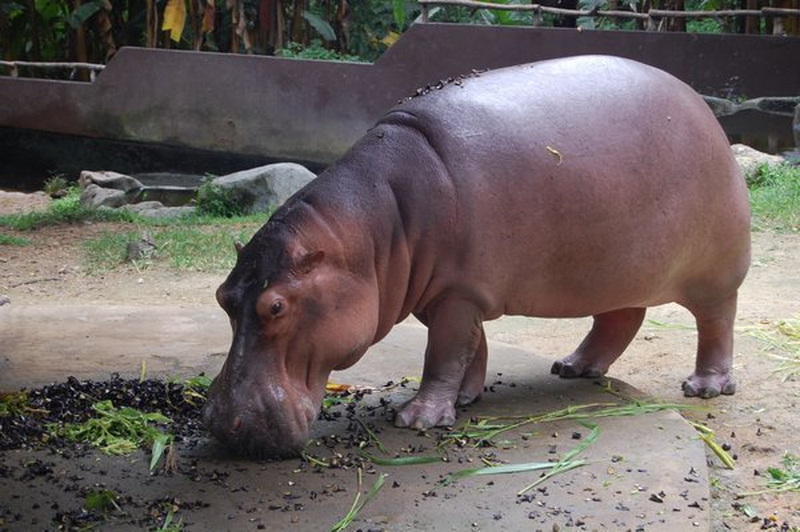
Hippo eating grass inside a zoo enclosure with a water feature nearby at Chiang Mai Zoo.

Situated near Huaykaew Waterfall, the Chiang Mai Zoo is home to a wide range of animal species from Thailand and beyond. The zoo is designed to promote education and conservation, with habitats that aim to replicate natural environments. Visitors can see everything from giant pandas to tropical birds, providing an engaging experience for families and wildlife enthusiasts alike.

The zoo’s location amidst forested hills adds to its charm, allowing visitors to enjoy a blend of wildlife viewing and natural scenery. It serves as a gentle contrast to the waterfall visits, offering a different perspective on northern Thailand’s biodiversity.

Final Thoughts

Exploring the hidden waterfalls near Huaykaew Waterfall reveals a side of Chiang Mai often overlooked by mainstream tourism. These tranquil spots invite visitors to slow down, appreciate delicate ecosystems, and enjoy peaceful moments away from the crowds. Coupled with nearby attractions like Wat Phra That Doi Suthep and Chiang Mai Zoo, the area offers a rich blend of natural beauty and cultural depth. By visiting thoughtfully and respectfully, travelers contribute to preserving these serene places for generations to come, ensuring that the quiet wonders of Chiang Mai continue to inspire and refresh all who venture here.

Group Tour Perspectives and General Tours at Art in Paradise Chiang Mai

Group Tour Perspectives and General Tours at Art in Paradise Chiang Mai

Discover how group tours enhance the experience at Art in Paradise Chiang Mai and explore complementary general tours in Chiang Mai's cultural landscape

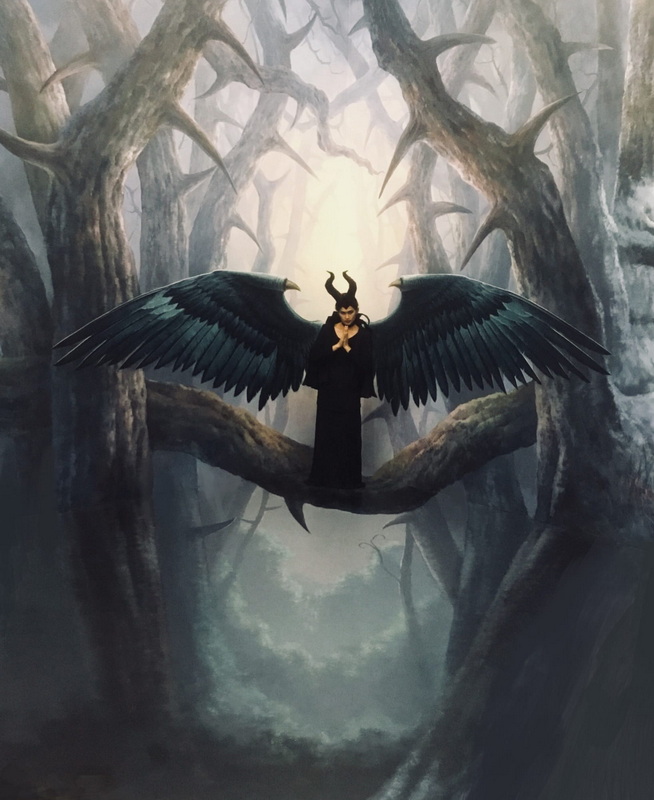
Person with black wings and horns standing on a tree branch in a foggy forest scene at Art in Paradise Chiang Mai.

Art in Paradise Chiang Mai stands out as an engaging and interactive attraction that naturally lends itself to group visits. Whether visiting with family, friends, or organized tour groups, this museum offers a unique environment where art and participation blend seamlessly, creating memorable shared experiences. Group tours at Art in Paradise foster collaboration and fun, encouraging visitors to immerse themselves in the vibrant 3D art displays that challenge perception and invite creative interaction. Beyond the museum itself, Chiang Mai offers a variety of general tours that cater to diverse interests, from cultural explorations to nature excursions. These tours often include stops at fascinating nearby attractions, providing a well-rounded experience for travelers looking to deepen their understanding of the region. For group travelers, combining Art in Paradise with complementary tours enriches the itinerary, making the most of their time in this culturally rich part of Thailand. This article explores the dynamics of group tours at Art in Paradise Chiang Mai, outlines available general tours around the city, and highlights nearby attractions such as San Kamphaeng Village and Muang On Cave that perfectly complement a group visit. Understanding these options can help travelers plan practical and enjoyable trips while respecting local culture and visitor ethics.

An Immersive Group-Friendly Attraction in Chiang Mai

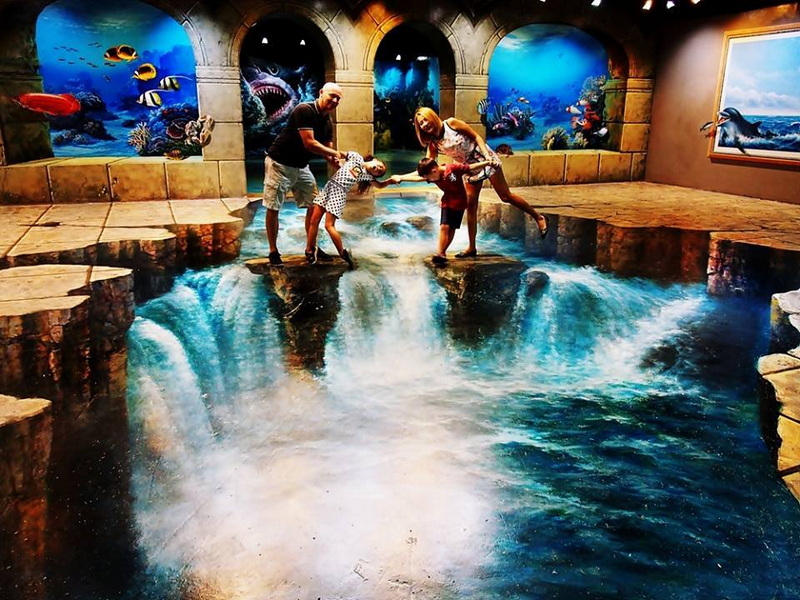
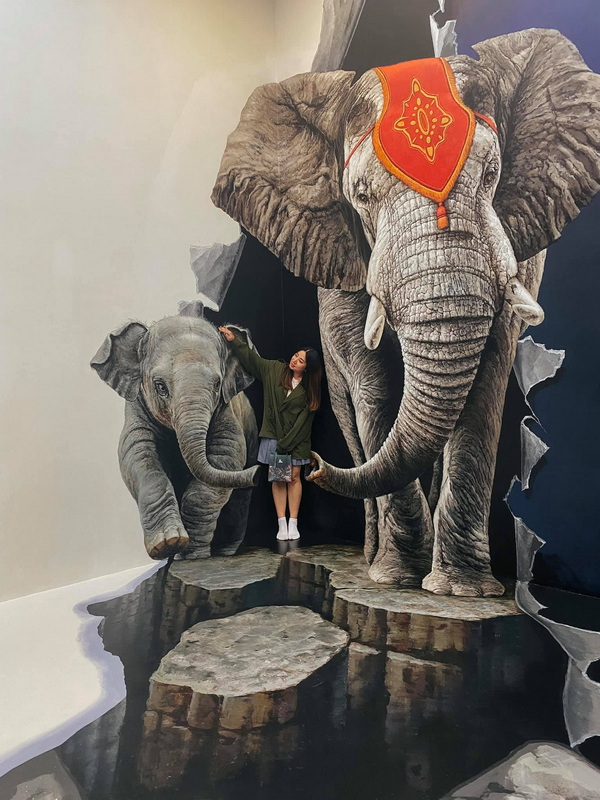
Art in Paradise Chiang Mai is a distinctive interactive art museum located in the Mueang Chiang Mai District. It features a wide array of three-dimensional paintings that create optical illusions, inviting visitors to become part of the artwork through playful poses and creative photography. This immersive quality makes it especially appealing for groups, as it encourages social interaction and collective enjoyment. Travelers researching Tour Chiang Mai can use these details when planning the trip. Travelers researching Chiang Mai Group Tour can use these details when planning the trip.

The museum’s layout is designed to accommodate groups comfortably, with spacious galleries that allow for easy movement and engagement. Group members can collaborate to create imaginative photo opportunities, fostering a sense of camaraderie. The hands-on experience is both entertaining and educational, appealing to a wide range of ages and interests.

For group travelers, Art in Paradise offers an engaging way to experience art beyond traditional viewing. It transforms passive observation into active participation, making it a standout destination for those seeking interactive cultural experiences in Chiang Mai.

Understanding Group Tour Experiences at Art in Paradise

Group tours at Art in Paradise Chiang Mai provide several benefits that enhance the overall visit. One key advantage is the shared experience of exploring the art together, which often leads to lively discussions and laughter, enriching social bonds. For organized groups, guided tours can add valuable context, explaining the artistic techniques and cultural influences behind the exhibits.

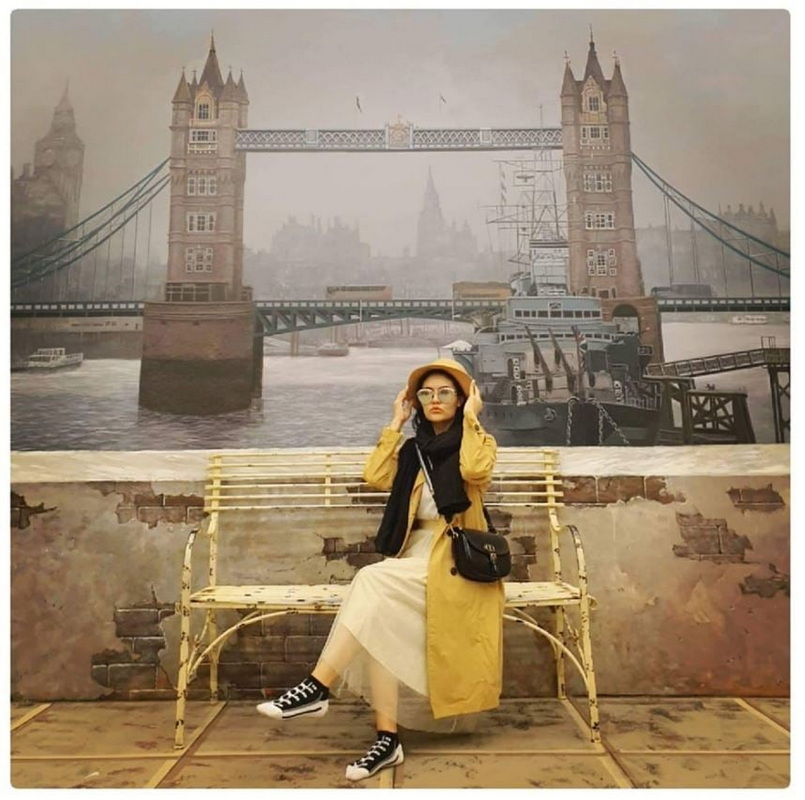
Woman sitting on a bench with Tower Bridge mural in the background at Art in Paradise Chiang Mai.

The dynamic of touring as a group also simplifies logistics. Coordinated arrivals and departures help maintain schedule efficiency, allowing visitors to plan complementary activities in the area. Group tours often benefit from tailored services that accommodate diverse needs, including accessibility and language support when guides are involved.

Additionally, group visits encourage respectful and mindful interaction with the art and the museum environment. Visitors learn to balance enthusiasm with care, preserving the quality of the exhibits for all guests. This fosters a positive atmosphere that supports both enjoyment and cultural sensitivity.

Complementary General Tours to Explore in Chiang Mai

Beyond Art in Paradise, Chiang Mai offers a wealth of general tours that complement a visit to the museum. These tours range from cultural explorations of ancient temples and bustling markets to nature-focused excursions in the surrounding countryside. Many local tour operators provide options for half-day or full-day trips tailored to different group sizes and interests.

Popular general tours include visits to traditional craft villages, where travelers can witness artisans at work and learn about regional handicrafts. Food tours offer another engaging way to experience local culture by sampling authentic northern Thai cuisine. For groups interested in natural beauty, excursions to nearby waterfalls, caves, and national parks provide refreshing outdoor experiences.

Family playing on a simulated rocky bridge with water and underwater murals surrounding them at Art in Paradise Chiang Mai.

Choosing general tours that align with the group’s interests can create a balanced itinerary that combines the interactive art experience at Art in Paradise with deeper cultural and natural insights around Chiang Mai.

Nearby Attractions to Enhance Your Group Tour Experience

When planning a group tour that includes Art in Paradise Chiang Mai, nearby attractions such as San Kamphaeng Village and Muang On Cave offer excellent opportunities for extended exploration. These sites provide cultural and natural highlights that complement the artistic focus of the museum.

San Kamphaeng Village is renowned for its traditional crafts and local artisan workshops. Groups can observe skilled craftsmen creating silk textiles, pottery, and silverware, gaining insight into authentic craftsmanship that has been preserved for generations. This village experience enriches the understanding of northern Thai culture and offers unique shopping opportunities.

Muang On Cave, located within a scenic natural setting, presents a different kind of attraction. Visitors can explore limestone formations and serene surroundings, providing a contrast to the urban art museum environment. This nearby cave is accessible and suitable for groups seeking a blend of adventure and tranquility.

Woman touching elephant trunks in indoor animal-themed art display at Art in Paradise Chiang Mai.

Together, these nearby attractions create a diverse itinerary that enhances group tours in Chiang Mai by combining interactive art, cultural heritage, and natural beauty.

Why Choose Group Tours at Art in Paradise and Beyond

Group tours at Art in Paradise Chiang Mai offer practical benefits such as streamlined planning, shared costs, and enriched social experiences. Visiting as a group encourages interaction and shared memories, which can be particularly rewarding for families, friends, and organized travel groups.

However, it is important for groups to remain mindful of the museum environment and local customs. Respecting the art, other visitors, and cultural norms ensures a positive experience for everyone. Groups should also consider the pace of the tour to accommodate all members comfortably, allowing for breaks and personal exploration within the museum.

Incorporating general tours and nearby attractions into the itinerary enhances the value of the visit, offering diverse perspectives on Chiang Mai’s culture and landscape. This thoughtful approach to group travel fosters meaningful connections among participants and with the destination itself.

Nearby Attractions

San Kamphaeng Village

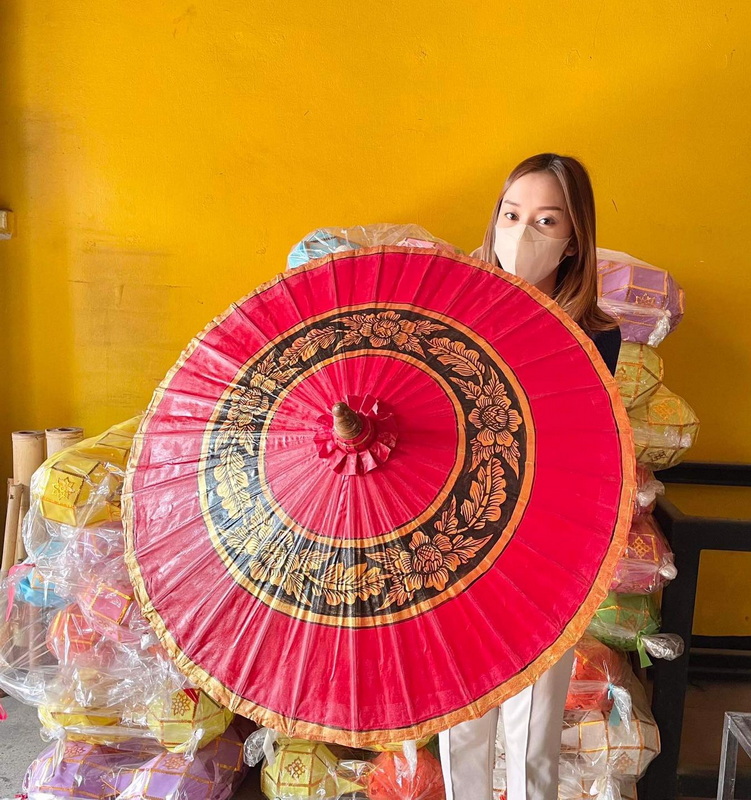
Woman holding a large red decorative umbrella with a yellow wall and colorful umbrellas behind her at San Kamphaeng Village.

San Kamphaeng Village is a vibrant community known for its rich tradition of handicrafts. Visitors can explore workshops where artisans produce silk fabrics, pottery, and silverware using techniques passed down through generations. This village offers an authentic glimpse into northern Thai craftsmanship and culture.

Groups visiting San Kamphaeng can engage with local craftspeople, observe the creation process firsthand, and purchase unique handmade items. The village atmosphere is welcoming and educational, making it an ideal complement to the artistic experience at Art in Paradise.

The village also provides opportunities to learn about sustainable practices in craft production, highlighting the importance of preserving cultural heritage while supporting local livelihoods.

Muang On Cave

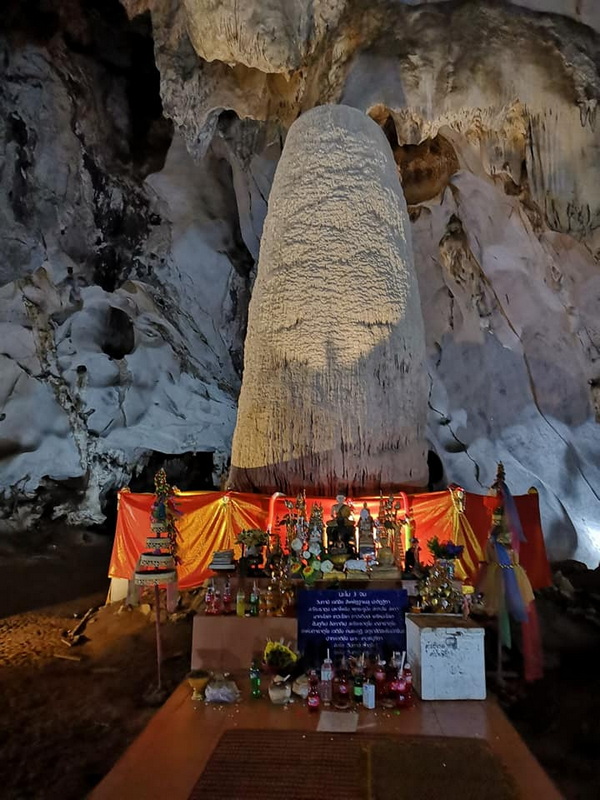
Large stalagmite inside a cave with an altar and offerings in front of it at Muang On Cave.

Muang On Cave is a natural limestone cave located near Chiang Mai, offering an accessible adventure for groups interested in nature and geology. The cave features impressive stalactites and stalagmites, along with a peaceful environment that contrasts with the bustling city.

Exploring Muang On Cave allows visitors to appreciate the natural beauty surrounding Chiang Mai and understand the geological processes that shaped the region. The site is suitable for group visits, with trails and guided options that accommodate different fitness levels.

The cave experience complements cultural visits by providing a balanced itinerary that includes both artistic and natural attractions, adding depth to any group tour in the area.

Final Thoughts

Art in Paradise Chiang Mai offers a unique and engaging experience that is particularly well suited for group tours, combining interactive art with social enjoyment. When paired with the variety of general tours available across Chiang Mai and nearby attractions like San Kamphaeng Village and Muang On Cave, group travelers can craft a rich and diverse itinerary that highlights the region’s artistic, cultural, and natural treasures. Thoughtful planning and respect for local culture ensure that group visits are both memorable and meaningful, fostering connections among travelers and deepening appreciation for this remarkable destination.

Monday, October 19, 2026

Must Visit National Parks Northern Thailand Featuring Doi Khun Tan National Park

Must Visit National Parks Northern Thailand Featuring Doi Khun Tan National Park

Discover the natural beauty and visitor tips for exploring Doi Khun Tan National Park in Mae Tha District, Lamphun

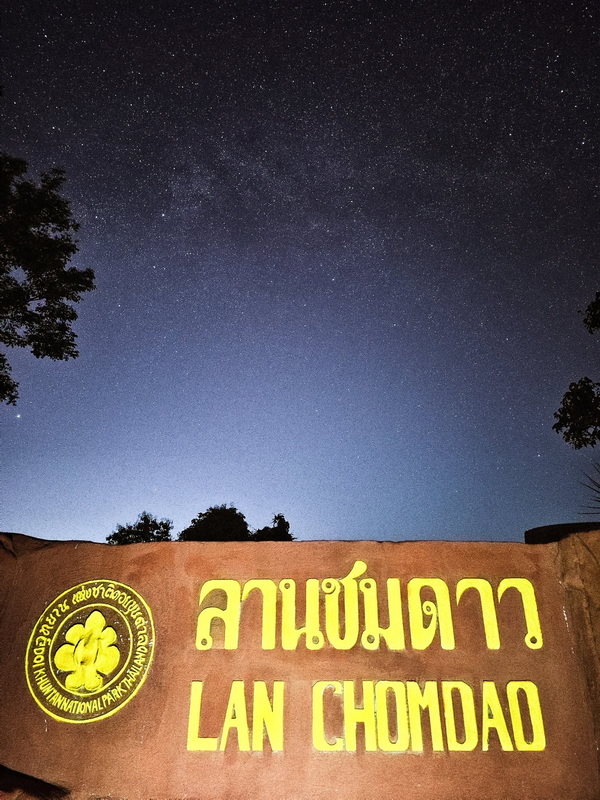
Night sky filled with stars above a large stone sign with Thai and English text at Doi Khun Tan National Park.

Northern Thailand is renowned for its rich landscape of mountains, forests, and cultural heritage, making it a prime destination for nature lovers and travelers seeking authentic outdoor experiences. Among the many protected areas, certain parks stand out as must-visit national parks northern Thailand, offering unique environments and memorable adventures. Doi Khun Tan National Park, located in Mae Tha District, Lamphun, is one such gem that combines natural splendor with accessible trails and cultural highlights. This park is a favorite for first-time visitors and seasoned explorers alike, providing a peaceful retreat into lush forests, cool mountain air, and a glimpse into local traditions. Whether you are planning your trip independently or considering Chiang Mai trip packages that include nature excursions, Doi Khun Tan National Park offers a rewarding experience that showcases the diversity of northern Thailand’s protected areas. This article highlights what makes Doi Khun Tan National Park a standout destination, practical tips for visitors, and how it compares with other national parks in the region.

Overview of Doi Khun Tan National Park

Doi Khun Tan National Park spans a mountainous region in the Mae Tha District of Lamphun Province, known for its cool climate and dense evergreen forests. The park is named after the Khun Tan mountain range, which is celebrated for its scenic ridges and diverse flora and fauna. It is one of the few national parks in northern Thailand that features a railway tunnel passing through the mountains, adding a historical and engineering point of interest to the natural surroundings. Travelers researching Must Visit National Parks Northern Thailand can use these details when planning the trip. Travelers researching Doi Khuntan National Park can use these details when planning the trip.

The park’s elevation ranges from about 400 to 1,300 meters above sea level, creating a variety of microclimates that support rich biodiversity. Visitors can encounter a wide range of plant species including orchids, wildflowers, and towering teak trees. Wildlife such as gibbons, barking deer, and numerous bird species inhabit the park, making it a haven for nature enthusiasts and bird watchers.

One of the park’s highlights is the Doi Khun Tan mountain itself, which offers several hiking trails leading to viewpoints with panoramic vistas over Lamphun and neighboring provinces. The terrain is generally accessible, making it suitable for families and casual trekkers, as well as those looking for longer, more challenging routes.

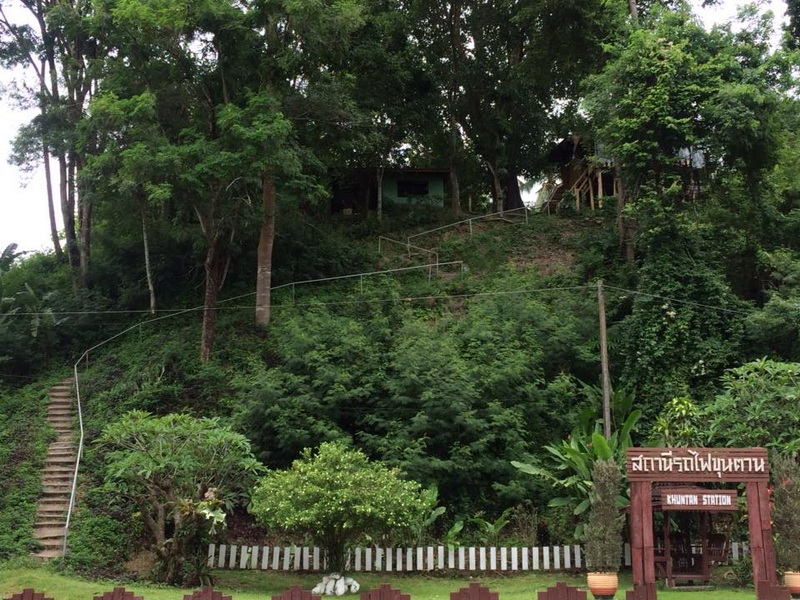
Stone staircase leading up a lush hillside with trees and a small building at the top at Doi Khun Tan National Park.

Visitor Tips for a Memorable Experience

When planning a visit to Doi Khun Tan National Park, preparation is key to fully enjoy the natural beauty and cultural elements it offers. The best time to visit is during the cool season from November to February when the weather is pleasant and the air is crisp. During the rainy season, trails can become slippery, so appropriate footwear and caution are advised.

Accommodation options near the park include basic bungalows and camping sites, which provide a chance to experience the forest ambiance overnight. Visitors should bring adequate supplies such as water, insect repellent, and layered clothing to adapt to temperature changes. Since the park is less commercialized than some other northern parks, food and amenities inside the park are limited.

Respect for local customs and the environment is essential. The park is home to hill tribe communities and cultural landmarks that reflect northern Thailand’s heritage. Visitors should avoid disturbing wildlife, refrain from littering, and follow marked trails to preserve the fragile ecosystem. Photography is encouraged, but it is important to be mindful of people’s privacy and natural surroundings.

For travelers interested in combining their visit with other activities, many Chiang Mai trip packages include excursions to Doi Khun Tan National Park, providing guided tours and transportation. These packages offer convenience but exploring independently allows for a more personalized pace and deeper connection with the park.

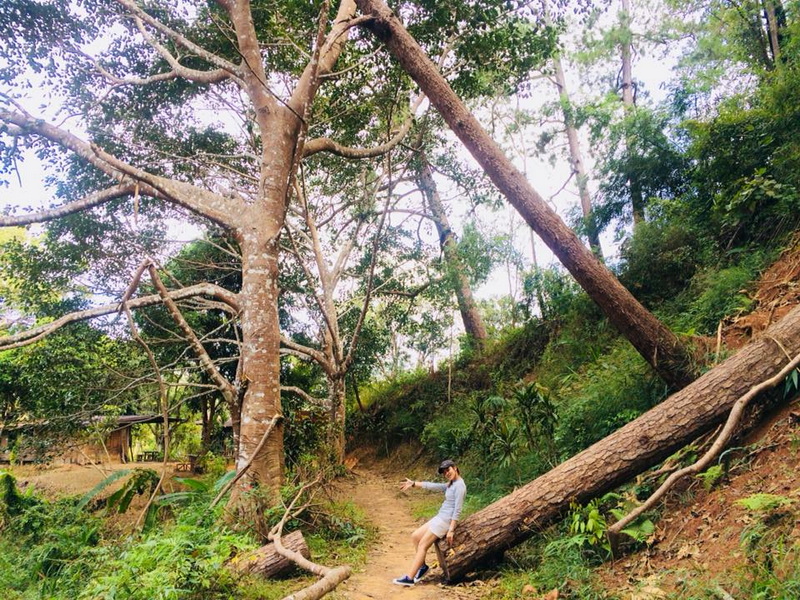
Person sitting on a fallen tree in a dense green forest with tall trees at Doi Khun Tan National Park.

How Doi Khun Tan Compares with Other Northern Parks

Northern Thailand boasts numerous national parks, each with distinct features and visitor experiences. Parks like Doi Inthanon, known for Thailand’s highest peak and waterfalls, or Mae Wang, famous for elephant sanctuaries and river valleys, attract large numbers of tourists seeking iconic natural attractions. In contrast, Doi Khun Tan National Park offers a quieter, less crowded environment focused on forest trekking and cultural immersion.

Unlike some northern parks that emphasize wildlife safaris or waterfall visits, Doi Khun Tan’s appeal lies in its accessible mountain trails, cool climate, and historical railway tunnel. It provides a balanced experience combining natural beauty with a touch of local history. For travelers who prefer a more relaxed pace and less commercialized setting, Doi Khun Tan stands out as a must-visit national park northern Thailand.

In terms of biodiversity, the park supports a rich variety of species similar to other Lamphun and Chiang Mai area parks, but its unique location within the Khun Tan mountain range gives it a distinct ecological character. Visitors looking to explore the breadth of national parks in northern Thailand often include Doi Khun Tan in their itineraries for its complementary qualities.

Natural and Cultural Highlights of the Park

One of the most captivating aspects of Doi Khun Tan National Park is its natural landscape that blends evergreen forests, pine groves, and open meadows. Seasonal wildflowers add bursts of color, especially in the cooler months. The park’s rich biodiversity includes rare orchids and medicinal plants, attracting botanists and nature lovers.

A starry night sky with the Milky Way visible across the horizon at Doi Khun Tan National Park.

Culturally, the park is home to several hill tribe communities whose traditions and lifestyles have been preserved alongside the natural environment. Small villages near the park entrance offer opportunities to learn about local crafts, traditional farming, and community festivals. Visitors can experience authentic northern Thai hospitality while supporting sustainable tourism.

The historic Khun Tan railway tunnel, the longest in Thailand, is an engineering marvel located within the park boundaries. It symbolizes the connection between the northern provinces and central Thailand, adding a layer of historical significance to the natural setting. Nearby, the Khun Tan railway station serves as a charming gateway for visitors arriving by train.

Several temples and shrines are scattered around the park, reflecting the spiritual heritage of the region. These sites provide peaceful spots for reflection and insight into northern Thai Buddhist practices, enriching the visitor experience beyond nature alone.

Final Thoughts

Doi Khun Tan National Park offers a refreshing and less-traveled alternative for those seeking to explore the natural wonders of northern Thailand. Its combination of accessible hiking trails, rich biodiversity, cultural encounters, and historical landmarks creates a diverse and rewarding destination. Whether you are planning a visit through Chiang Mai trip packages or organizing an independent adventure, this park invites you to immerse yourself in the tranquil beauty of Mae Tha District, Lamphun. For travelers prioritizing authentic experiences and peaceful nature escapes, Doi Khun Tan stands as a must-visit national park northern Thailand that leaves lasting impressions.

Sunday, October 18, 2026

Exploring Santichon Village and Attractions in Mae Hong Son

Exploring Santichon Village and Attractions in Mae Hong Son

Discover day trip options from Chiang Mai with cultural insights into the Chinese Yunnan Village and nearby highlights in Mae Hong Son

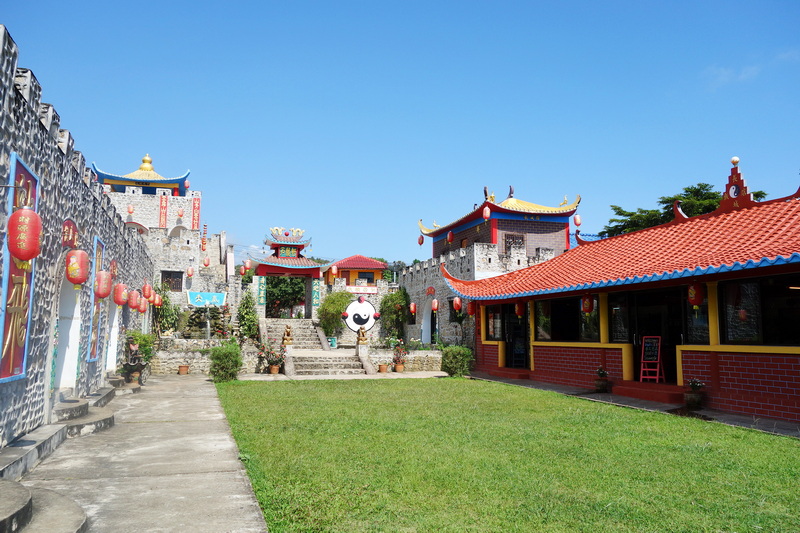
Colorful courtyard with traditional buildings, lanterns, and stone pathway in clear weather at Santichon Village.

Mae Hong Son Province in Northern Thailand offers a wealth of cultural and natural attractions ideal for travelers seeking enriching day trips. Among these, Santichon Village stands out as a living testament to the Chinese Yunnan cultural heritage, providing visitors a unique glimpse into a vibrant community with deep historical roots. Situated in Pai District, this village blends traditional architecture, cuisine, and crafts with a welcoming atmosphere that respects and preserves its cultural identity. Planning a Mae Hong Son day trip from Chiang Mai to Santichon Village allows travelers to experience not only the cultural richness but also the scenic beauty of the region. The journey itself is part of the adventure, winding through mountainous landscapes and rural towns. Beyond the village, nearby attractions such as Pai Walking Street and Pai Canyon complement the visit with opportunities for leisure, shopping, and nature exploration. This guide will help you understand the significance of Santichon Village, how to plan your trip, and what else to see in the area to make the most of your visit.

Overview of Attractions in Mae Hong Son

Mae Hong Son is renowned for its serene landscapes, ethnic diversity, and cultural heritage. The province’s mountainous terrain is dotted with quaint villages, temples, and natural wonders that appeal to travelers interested in authentic experiences away from crowded tourist spots. Among the many attractions in Mae Hong Son, Santichon Village offers a distinctive cultural encounter that highlights the Chinese Yunnan influence in the region.

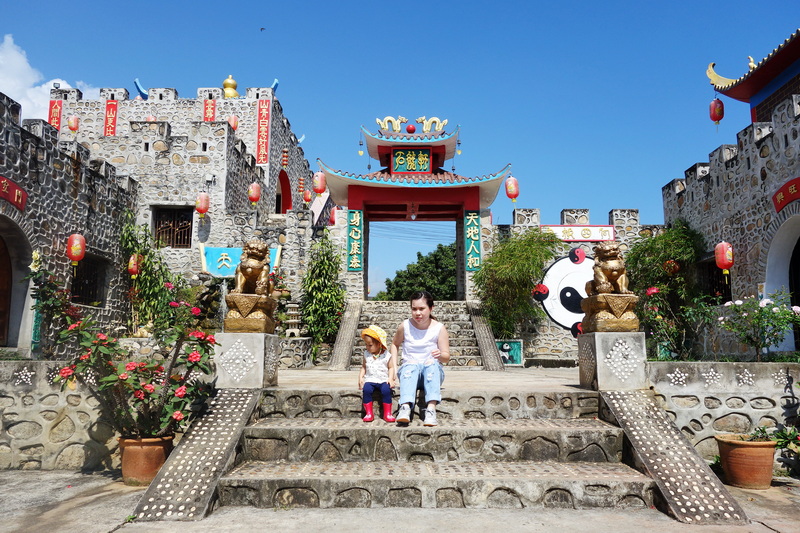
Two children sitting on stone steps with lion statues and Chinese-style gate in the background at Mae Hong Son.

Visitors to Mae Hong Son can explore various sites ranging from spiritual landmarks like Wat Phra That Mae Yen to natural formations such as Pai Canyon. These attractions provide a balanced itinerary that combines cultural education with outdoor activities. The region’s peaceful ambiance and friendly local communities contribute to its charm as a destination for day trips and longer stays.

For travelers coming from Chiang Mai, Mae Hong Son is accessible by road, with several tour options available. Whether opting for a guided tour, a private driver, or a self-drive adventure, the journey presents opportunities to appreciate the rural landscapes and meet local people. This accessibility makes Mae Hong Son an excellent choice for travelers looking to venture beyond the city and experience Northern Thailand’s diverse heritage.

Cultural Significance of the Chinese Yunnan Cultural Village

Santichon Village, often referred to as the Chinese Yunnan Village, is home to descendants of Chinese immigrants from Yunnan province who settled in Northern Thailand decades ago. The village preserves traditional Yunnanese customs, architecture, and lifestyle, offering visitors an authentic cultural experience that respects the community’s living traditions rather than presenting them as a spectacle.

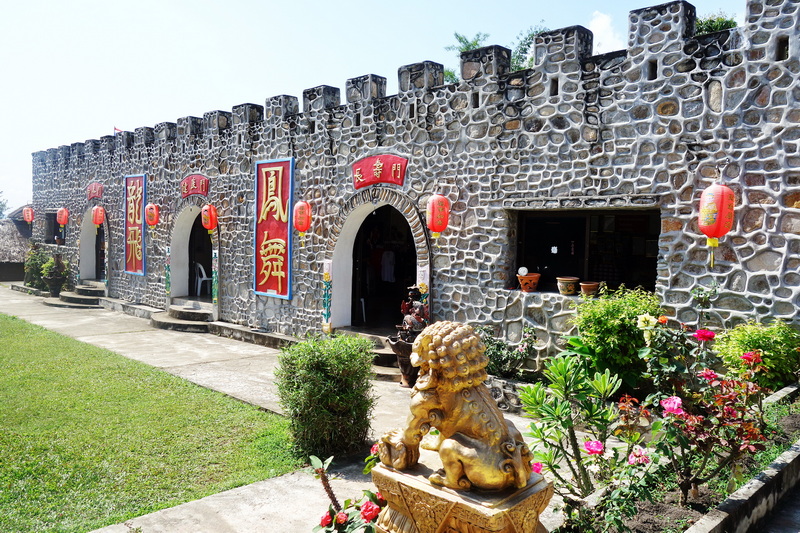
The village layout features traditional wooden houses, tea shops, and craft stalls where visitors can observe and purchase handmade goods. Local residents continue to practice age-old crafts and culinary traditions, emphasizing the importance of cultural preservation. Visitors are encouraged to engage respectfully, appreciating the heritage without exoticizing or intruding on daily life.

Santichon Village serves as a cultural bridge, educating travelers about the historical migration and integration of the Chinese Yunnan community in Thailand. It provides insight into how cultural identity can be maintained and shared in a modern context, making it a valuable stop on any Mae Hong Son day trip from Chiang Mai.

Stone building with arched doorways, red lanterns, and surrounding flower bed at Santichon Village.

Planning a Mae Hong Son Day Trip From Chiang Mai

Organizing a day trip from Chiang Mai to Santichon Village requires consideration of travel time, transportation options, and the desired pace of sightseeing. The distance between Chiang Mai and Pai District in Mae Hong Son Province is approximately 130 kilometers, with winding roads that offer scenic views but may extend travel time to around three hours each way.

Travelers can choose from various transportation methods including private car hires, van tours, or motorbike rentals for the more adventurous. While guided tours provide convenience and local knowledge, independent travelers may appreciate the flexibility to explore at their own rhythm. It is advisable to start early in the day to maximize time at Santichon Village and nearby attractions.

When visiting, allow ample time to wander the village, sample local Yunnanese cuisine such as tea and traditional snacks, and observe the craftsmanship on display. Combining Santichon Village with nearby sights like Pai Walking Street and Pai Canyon creates a well-rounded itinerary that balances cultural immersion with natural beauty.

Visitor Experience at Santichon Village Mae Hong Son

Visitors to Santichon Village often highlight the warm welcome from locals and the peaceful ambiance that contrasts with busier tourist hubs. The village’s tea houses provide a perfect setting to relax and enjoy traditional Yunnanese tea ceremonies, offering both sensory pleasure and cultural insight.

Walking through the village, travelers can observe the unique architectural style characterized by wooden structures with intricate carvings. The community’s dedication to preserving their heritage is evident in the craftspeople who demonstrate weaving, embroidery, and pottery techniques passed down through generations.

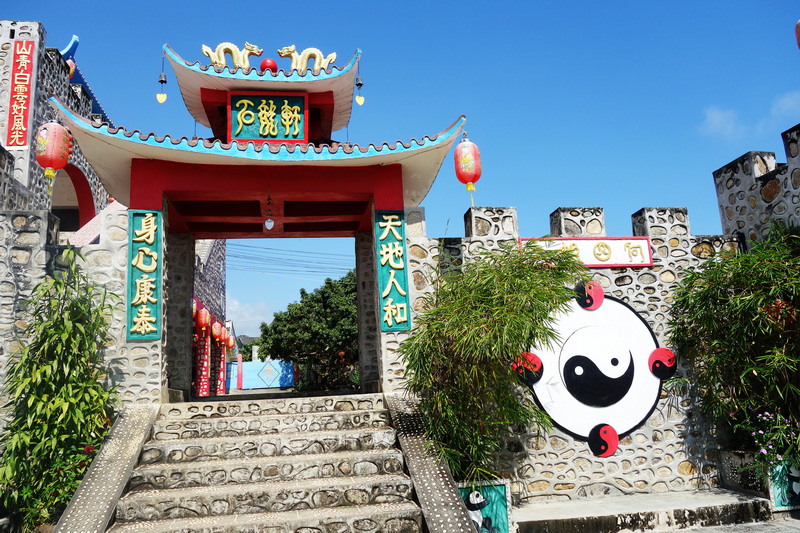
Colorful pagoda-style entrance with stone steps and red lanterns surrounded by greenery at Santichon Village.

Respectful visitor behavior is emphasized to maintain the authenticity and dignity of the community. Photography is generally welcomed but it is courteous to ask permission before taking pictures of individuals. The experience encourages curiosity balanced with cultural sensitivity, allowing visitors to connect meaningfully with the heritage on display.

Combining Santichon Village Visit With Nearby Attractions

Santichon Village’s location in Pai District makes it easy to include other prominent attractions in the area for a fuller day trip. Pai Walking Street is a vibrant market area where visitors can explore local crafts, street food, and lively cultural performances in the evenings. It offers a dynamic contrast to the tranquil atmosphere of Santichon Village.

Pai Canyon, located a short drive away, presents a natural spectacle with its rugged cliffs and panoramic views over the Pai valley. It is a popular spot for hiking and photography, especially during sunset. The canyon’s unique terrain and sweeping vistas complement the cultural exploration of Santichon Village by adding an element of outdoor adventure.

Together, these nearby attractions provide a diverse itinerary that caters to different interests. Visitors can immerse themselves in cultural heritage, enjoy local flavors, and experience the stunning landscapes that define Mae Hong Son Province.

Nearby Attractions

Pai Walking Street

Night scene of people walking past market stalls with signs on a bustling street at Pai Walking Street.

Pai Walking Street is a lively evening market located in the heart of Pai town. It features a wide range of stalls selling handicrafts, souvenirs, clothing, and local delicacies. The street is a hub for socializing and cultural exchange, where visitors can experience the vibrant atmosphere of Northern Thailand’s small-town life.

The market is especially popular among travelers looking to sample authentic street food, including Northern Thai specialties and fusion snacks influenced by various ethnic groups in the region. Performances by local musicians and artists often add to the festive ambiance, making it a must-visit spot after a day of sightseeing.

Pai Walking Street offers a different perspective on the area’s cultural diversity compared to the more traditional setting of Santichon Village. It is an excellent place to pick up unique gifts and enjoy an engaging, sensory-rich environment.

Pai Canyon

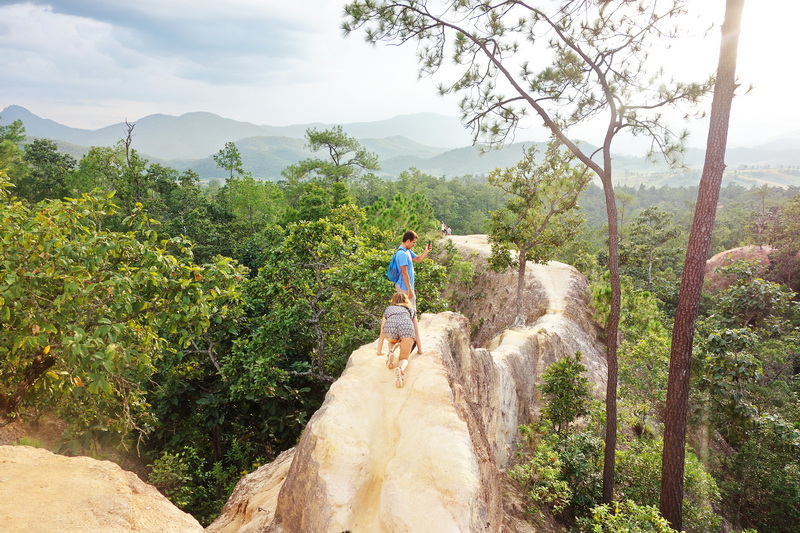
Children walking on a narrow rocky trail surrounded by trees and mountains at Pai Canyon.

Pai Canyon is a natural landmark known for its dramatic ridges and deep ravines. The terrain features narrow walking paths along the canyon’s edge, providing visitors with breathtaking views of the surrounding mountains and valleys. It is a favored destination for hikers and photographers seeking to capture the beauty of Mae Hong Son’s landscape.

The canyon is accessible via a short drive from Pai town and is suitable for visitors of various fitness levels, though caution is advised on the narrow trails. Sunset is an especially popular time to visit, as the changing light enhances the colors and textures of the rock formations.

Pai Canyon offers a complementary experience to the cultural visit at Santichon Village, allowing travelers to appreciate both the human and natural heritage of the region in a single day trip.

Final Thoughts

A day trip to Santichon Village and the surrounding attractions in Mae Hong Son provides a rich blend of cultural heritage and natural beauty. By understanding the significance of the Chinese Yunnan Cultural Village and combining it with visits to nearby sites like Pai Walking Street and Pai Canyon, travelers can create a meaningful and memorable itinerary. Respect for the local community and thoughtful planning ensure an experience that is both enjoyable and enriching. Whether you are drawn by history, culture, or scenic landscapes, Mae Hong Son offers a distinctive destination worthy of exploration from Chiang Mai.

Animal Farms and Things To Do Near Snake Farm Chiang Mai

Animal Farms and Things To Do Near Snake Farm Chiang Mai

Discover family-friendly animal farms and engaging tours around the Snake Farm in Mae Rim District, Chiang Mai.

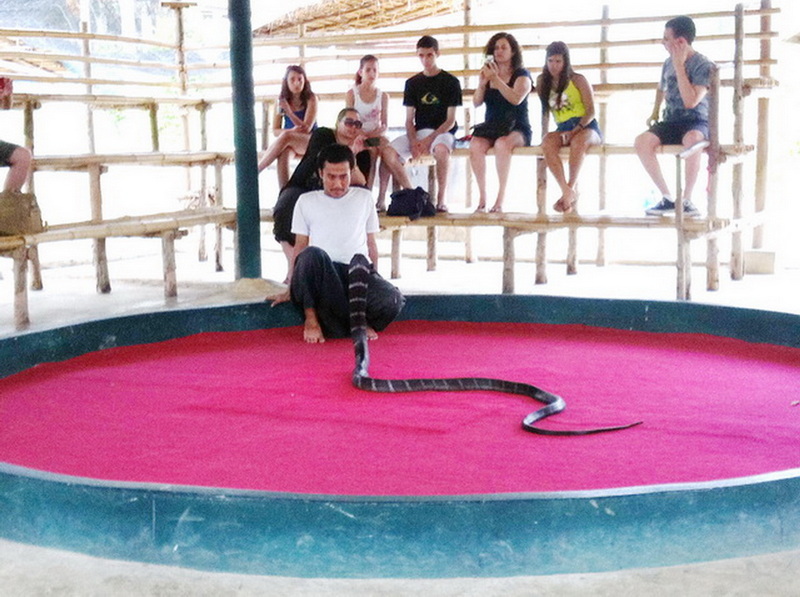
Person lying on the ground with a large snake in a circular enclosure, spectators nearby at Snake Farm Chiang Mai.

Nestled in the lush Mae Rim District, Snake Farm Chiang Mai offers visitors a fascinating glimpse into the world of reptiles, especially snakes native to Thailand. This unique animal farm provides an educational experience where families and cultural tourists alike can learn about these creatures in a safe and respectful environment. Whether you are curious about venomous snakes or interested in conservation efforts, the Snake Farm is a memorable stop on any Chiang Mai tour. Beyond the Snake Farm, the area is rich with other animal farms and attractions that make for excellent day trips or combined tours. Visitors can explore a variety of animal-related experiences that highlight the region’s biodiversity and cultural appreciation for wildlife. From witnessing majestic tigers to discovering the intricate world of insects, there are many things to do in Chiang Mai that complement a visit to the Snake Farm. This article offers an overview of the Snake Farm Chiang Mai and other nearby animal farms, focusing on family-friendly activities and respectful cultural engagement. It also highlights popular tours in the region and nearby attractions like Tiger Kingdom and Siam Insect Zoo, helping visitors plan a well-rounded and enjoyable day in Mae Rim District.

Exploring Snake Farm Chiang Mai

Snake Farm Chiang Mai is renowned for its dedication to education and conservation related to snakes, especially venomous species found in Thailand. The farm provides guided tours where visitors can safely observe snakes in naturalistic enclosures and learn about their behavior, habitat, and role in the ecosystem. The staff emphasize respect for wildlife and avoid sensationalizing the animals, making it a thoughtful experience for families and cultural tourists. Travelers researching Animal Farms in Chiang Mai can use these details when planning the trip.

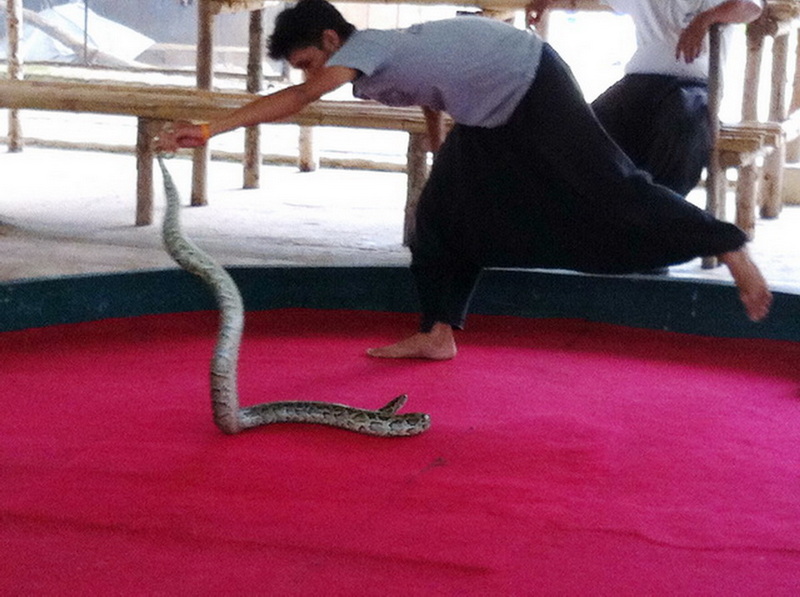
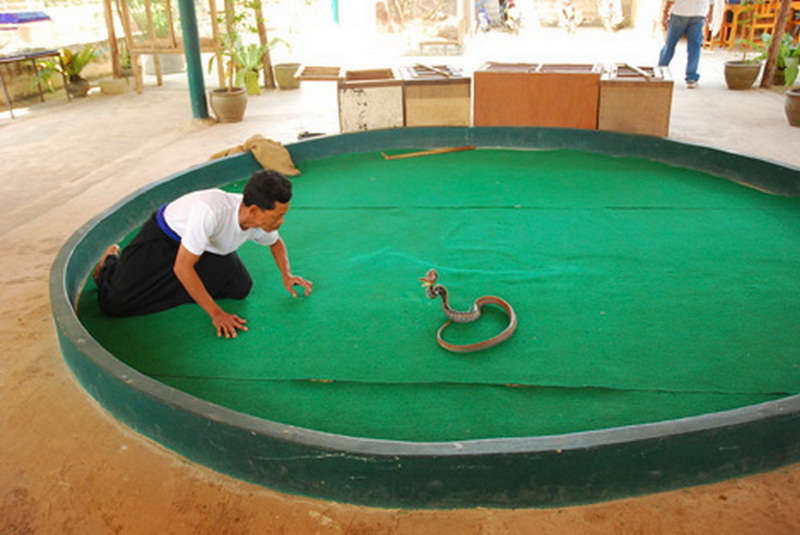
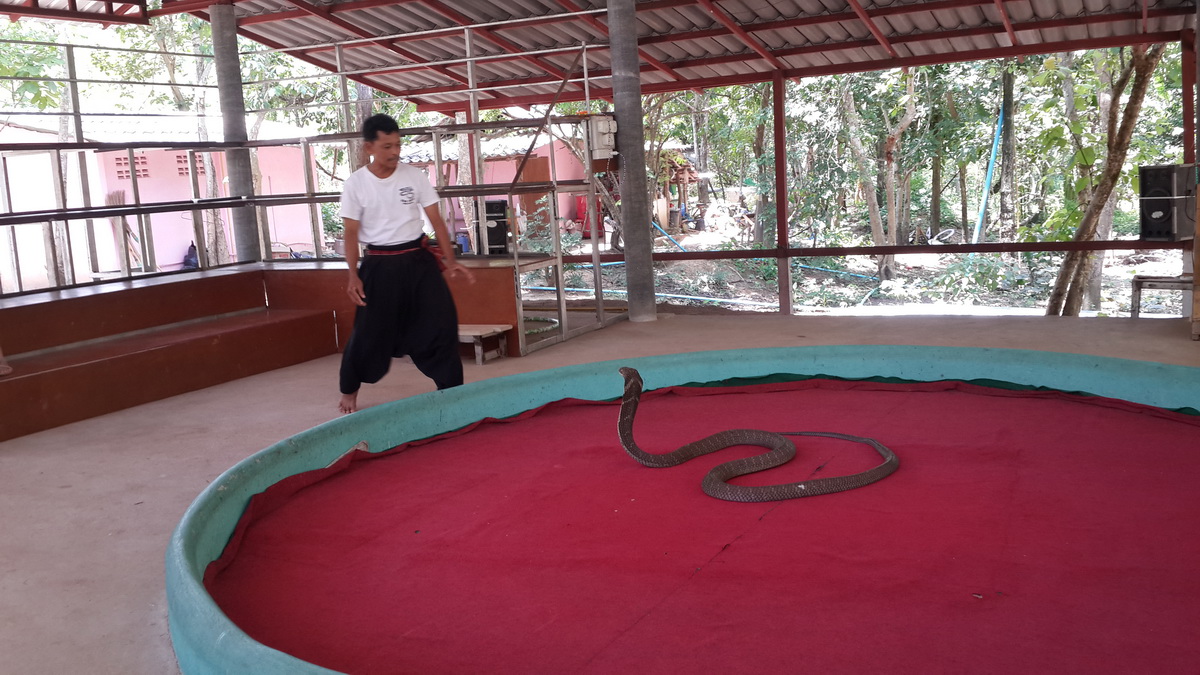
Visitors can witness live snake handling demonstrations conducted by trained professionals who explain the importance of snakes in local culture and ecology. These demonstrations are designed to educate without encouraging direct interaction, ensuring safety and ethical treatment of the animals. The farm also offers insight into the production of antivenom, highlighting the critical role such facilities play in public health.

As an animal farm in Chiang Mai, the Snake Farm blends educational content with an immersive experience. It is well-suited for families with young children who are eager to learn about creatures that often inspire fear or misunderstanding. The farm’s location in Mae Rim District places it within easy reach of other attractions, making it a convenient stop on any Chiang Mai tour.

Boy holding a snake inside a circular enclosure with red flooring at Snake Farm Chiang Mai.

Animal Farms and Tours in Mae Rim District

Mae Rim District is home to several animal farms that appeal to visitors interested in wildlife and nature. Besides the Snake Farm Chiang Mai, the area features farms and parks where you can see a diverse range of animals, from exotic insects to large mammals. These farms often provide guided tours or interactive exhibits, offering a comprehensive look at the region’s fauna and conservation efforts.

Tour Chiang Mai options frequently include combined visits to multiple animal farms, allowing families to experience a variety of wildlife within a single day. These tours emphasize responsible tourism practices, encouraging visitors to observe animals without disturbing their natural behaviors. Many tours also provide cultural context, explaining how local communities coexist with the wildlife and the significance of these animals in Thai traditions.

For families planning their itinerary, these animal farms offer educational and engaging activities that are both fun and informative. Some tours include opportunities to see feeding sessions, learn about animal care, and participate in nature walks. These experiences foster a deeper appreciation for the environment and promote thoughtful visitor behavior.

Person crouching inside a circular enclosure with a snake on a green mat at Snake Farm Chiang Mai.

Things To Do in Chiang Mai Near Snake Farm

When visiting the Snake Farm Chiang Mai, there are several other attractions and activities nearby that complement the experience. The region offers a variety of things to do in Chiang Mai that appeal to families and cultural tourists alike, including nature parks, cultural sites, and other animal-related venues.

One popular activity is exploring local markets and craft villages where visitors can learn about traditional Thai arts and crafts, connecting the natural world with the cultural heritage of the area. Additionally, guided day trips often combine visits to animal farms with scenic spots and cultural landmarks, providing a balanced itinerary that highlights the diversity of Mae Rim District.

Many travelers also appreciate the opportunity to engage with local guides who share insights about the environment and cultural traditions related to wildlife. This approach ensures that visitors gain a respectful and well-rounded understanding of the area, enhancing their overall experience.

A snake is coiled on a red mat inside a shelter with trees in background at Snake Farm Chiang Mai.

Visitor Considerations for Animal Farms and Tours

When visiting Snake Farm Chiang Mai and nearby animal farms, it is important to approach the experience with cultural sensitivity and respect for the animals. Avoiding direct contact with wildlife unless expressly permitted by trained professionals helps protect both visitors and animals. The farms emphasize education rather than entertainment, so visitors should appreciate the animals’ natural behaviors without expecting guaranteed interactions.

Families with young children should prepare for a visit by discussing the importance of gentle observation and following farm rules. Many farms provide shaded resting areas and educational materials designed to engage children, making the visit comfortable and informative.

Tour operators in the area prioritize responsible tourism practices. Visitors can support these efforts by choosing tours that focus on conservation and ethical treatment of animals. This not only enriches the visitor experience but also helps preserve the local environment and wildlife for future generations.

Nearby Attractions

Tiger Kingdom Chiang Mai

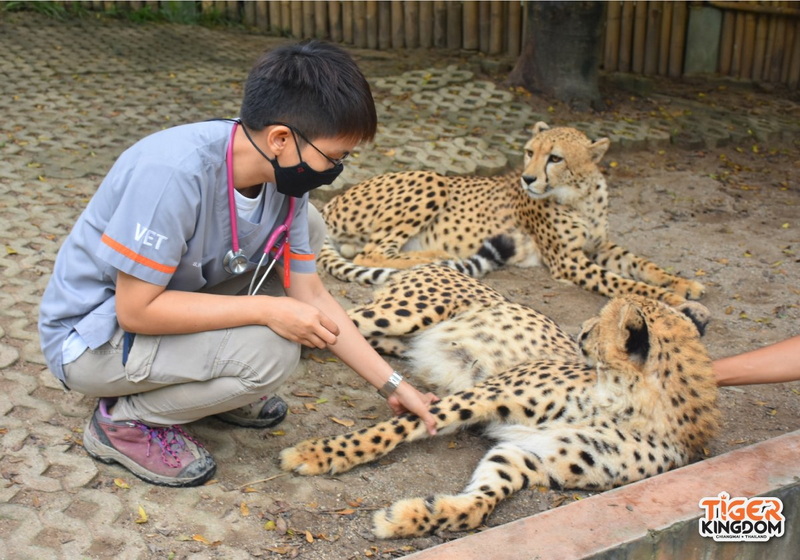
Person touching a resting cheetah among other cheetahs on the ground at Tiger Kingdom Chiang Mai.

Tiger Kingdom Chiang Mai is a well-known attraction where visitors can observe and photograph tigers in a controlled environment. The facility offers educational presentations about tiger conservation and the challenges facing these majestic animals in the wild. While it provides an up-close experience, the emphasis remains on respecting the animals and understanding their role in the ecosystem.

Families often find Tiger Kingdom an exciting addition to their tour Chiang Mai itinerary, as it complements visits to other animal farms in the area. Visitors should be mindful of the guidelines provided by staff to ensure that interactions with the tigers are safe and respectful.

Siam Insect Zoo

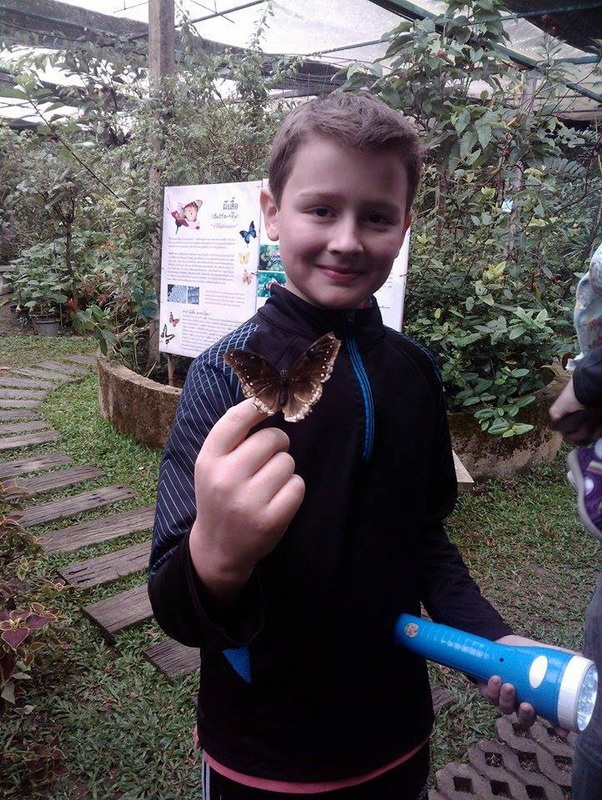
Boy smiling and holding a butterfly inside an indoor butterfly exhibit space at Siam Insect Zoo.

The Siam Insect Zoo offers a fascinating look into the diverse insect life of Thailand. This attraction is ideal for families and nature enthusiasts interested in entomology and biodiversity. Visitors can explore exhibits featuring butterflies, beetles, and other insects, many displayed in naturalistic habitats that highlight their ecological importance.

Educational tours at the Siam Insect Zoo encourage visitors to appreciate the often-overlooked creatures that play vital roles in ecosystems. The facility promotes conservation awareness and responsible visitor behavior, making it a valuable complement to visits at Snake Farm Chiang Mai and other animal farms.

Final Thoughts

Visiting Snake Farm Chiang Mai offers a unique opportunity to learn about reptiles within a safe and educational setting, perfect for families and cultural tourists. When combined with nearby attractions like Tiger Kingdom and Siam Insect Zoo, your day in Mae Rim District becomes a rich exploration of animal farms and natural wonders. By choosing tours that emphasize respect for wildlife and cultural sensitivity, visitors can enjoy meaningful experiences while supporting conservation efforts. Planning your visit with these considerations in mind ensures a rewarding and responsible journey through one of Chiang Mai’s most intriguing areas.