Patara Elephant Farm and Meaningful Day Trips from Chiang Mai
A responsible way to connect elephant care, local craftsmanship, forests, and thoughtful adventure beyond the city
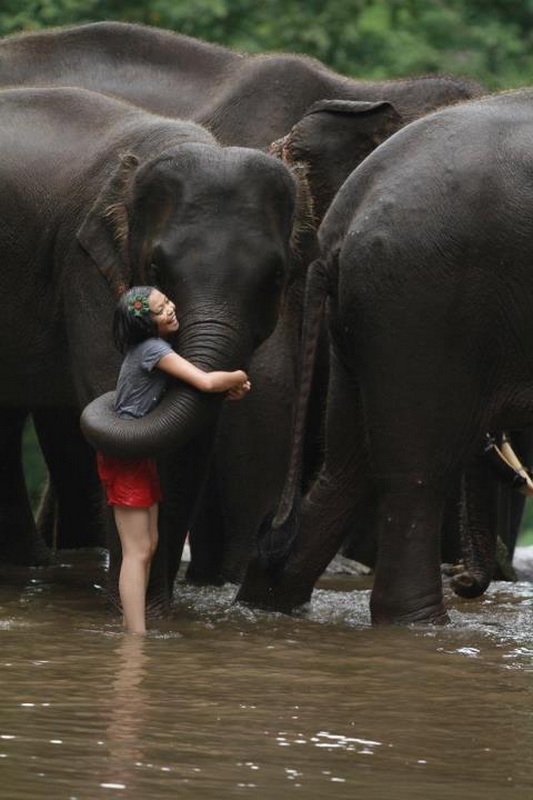
For travelers who want more than a quick photograph with an elephant, a visit to Patara Elephant Farm can become a lesson in responsibility, observation, and respectful contact. In Hang Dong District, Chiang Mai, the experience is best approached as a chance to learn how elephants are cared for and how visitors can behave around powerful, intelligent animals. The value is not simply in being close to an elephant; it is in understanding that closeness should be guided by welfare, patience, and attention to individual needs. This perspective also makes the farm a useful starting point for a wider day of discovery. Chiang Mai’s surrounding area brings together craft communities, forested landscapes, and national parks, allowing an elephant experience to sit within a broader journey rather than stand apart from local life and nature. The most rewarding plans leave room for unhurried learning: listen during a Patara Elephant Conversation, consider what responsible tourism requires, then choose a cultural or outdoor setting that encourages the same care for place. This guide focuses on that combination. It explains what to look for in an ethical elephant visit, how Patara Elephant Training can be understood as a relationship built through routine and trust, and how nearby cultural and natural destinations can complement the experience without turning the day into a rushed checklist.
Begin with welfare rather than spectacle
An Ethical Elephant Tour Chiang Mai should place the animals’ welfare ahead of visitor entertainment. That means observing elephants as living beings with different temperaments, physical conditions, and comfort levels, rather than treating them as props for a memorable encounter. A responsible visitor watches for the tone of the experience: Are elephants given time to respond? Are interactions calm and supervised? Are guests encouraged to notice care routines instead of demanding constant activity?
At Patara Elephant Farm, the educational value lies in seeing care as an ongoing responsibility. Feeding, checking an elephant’s condition, maintaining cleanliness, and paying attention to behavior all suggest that welfare is not a single performance staged for tourists. These observations can help visitors understand why ethical tourism depends on trained caregivers, appropriate boundaries, and a willingness to let the animals set the pace.
It is also important to keep expectations realistic. Ethical tourism does not mean that every visitor will receive the same interaction or that an elephant will always appear active and sociable. An animal may need rest, personal space, or a quieter environment. Accepting those limits is part of the experience. Visitors can contribute by following guidance, avoiding sudden movements and loud behavior, and resisting the urge to turn every moment into a photograph.
What Patara Elephant Training can teach visitors
The phrase Patara Elephant Training may sound like a performance category, but a thoughtful interpretation is more concerned with communication and daily cooperation. Visitors can look for the subtle work behind an elephant’s routine: familiar cues, careful handling, observation of mood, and consistent care. Such practices require patience from people as well as cooperation from elephants. The goal should be a safer relationship, not the display of dominance.

A useful question to carry through the visit is, “What does this elephant need in this moment?” That question changes the visitor’s role. Instead of asking how to obtain the most dramatic encounter, travelers begin to notice posture, movement, appetite, and signs that an animal may want distance. This is where a Patara Elephant Conversation can be especially meaningful. Conversation in this context is not only spoken explanation; it is the exchange of knowledge between caregivers and guests, combined with the quiet interpretation of elephant behavior.
Travelers reading Patara Elephant reviews may find varied impressions because people arrive with different ideas about what an elephant experience should be. A balanced review should consider the quality of animal care, the clarity of welfare explanations, and whether the visit encourages respectful conduct. It should not judge success only by the number of hands-on moments. The most responsible experience may feel slower and more educational than a conventional attraction, and that is a strength rather than a shortcoming.
Guests can support the setting by wearing practical clothing, listening carefully, and avoiding assumptions based on wildlife videos or social media. Do not bring food or attempt contact unless caregivers indicate that it is appropriate. Ask questions respectfully, particularly about long-term care and conservation, while remembering that staff also need to focus on the elephants. Curiosity is welcome when it is paired with humility.
Building Adventure Day Trips From Chiang Mai with purpose
Adventure Day Trips From Chiang Mai do not have to be defined by speed or physical intensity. For a responsible traveler, adventure can mean moving between distinct environments and learning how cultural and natural landscapes are connected. An elephant visit in Hang Dong can provide the reflective center of a day, while a craft village or forest park adds another way to understand the region.
When combining experiences, allow each place to have its own character. An elephant-care visit asks for attentiveness and emotional openness. A cultural stop invites consideration of skill, materials, family knowledge, and local livelihoods. A national park encourages awareness of terrain, water, plants, and the limits of human access. Treating each destination as more than a backdrop creates a richer journey than trying to collect as many stops as possible.

The order of activities should be chosen according to energy, travel distance, and the needs of the people and animals involved, but exact schedules and inclusions vary. Rather than planning around promises of a perfect itinerary, travelers can identify one principal experience and one complementary destination. This approach reduces pressure and leaves room for unexpected learning, weather changes, or a longer conversation with a guide.
Adventure also includes the responsibility to leave places undisturbed. Carry waste away, remain on appropriate paths, avoid touching plants or wildlife, and respect requests about photography. At cultural sites, ask before photographing people or private workspaces. Responsible behavior is not an extra layer added after the fun; it is what allows outdoor and community-based tourism to remain welcome.
Pairing elephant care with cultural understanding
An elephant experience can sometimes make visitors think only about wildlife, yet the surrounding journey also involves people whose work, knowledge, and community spaces deserve consideration. A visit to Baan Tawai Wood Carving Village offers a different perspective on care: attention is directed toward materials, tools, design, and the time required to make objects by hand. Travelers should approach the village as a living working environment rather than a theatrical display created solely for tourists.
The connection between the two experiences is not that elephant care and wood carving are interchangeable. They are distinct forms of knowledge. The connection is the discipline behind both: observing closely, developing skill, respecting materials or animals, and understanding that meaningful work cannot always be rushed. Visitors can ask about craft traditions in a considerate way, support artisans through thoughtful purchases if they choose, and avoid treating local makers as subjects for unsolicited portraits.
This cultural dimension helps broaden a Patara Elephant Chiang Mai Elephant Training Program At Patara Elephant Farm visit into a more complete regional experience. The phrase may be used by travelers searching for a program, but the important question is what they learn from it and how they behave afterward. A day that links animal welfare with respect for local craftsmanship encourages a more grounded form of tourism.
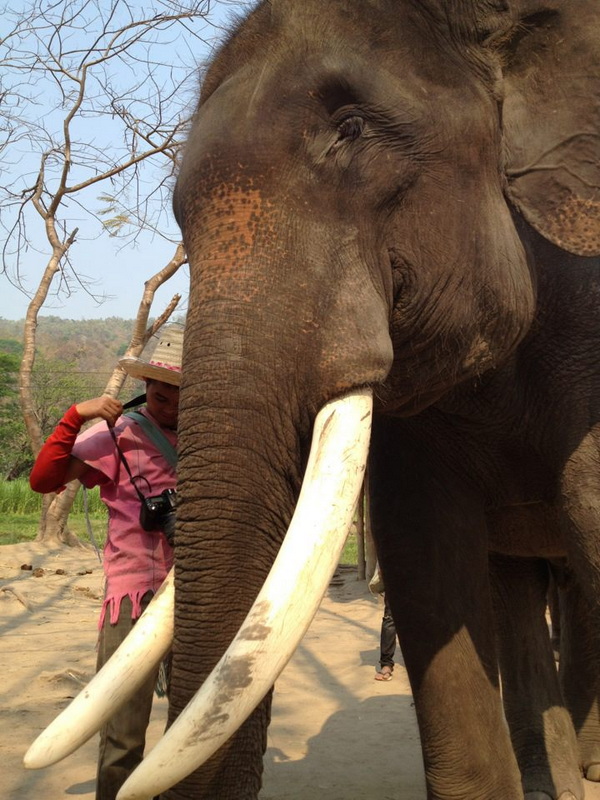
Let the forest change the pace
For travelers who prefer open landscapes and walking over additional commercial activity, Ob Luang National Park provides a natural counterpoint to the farm and the artisan village. Its landscapes are shaped by forest, rock, and river corridors, and the setting invites visitors to pay attention to geology and ecology rather than to seek constant entertainment. Conditions can vary, so sensible preparation and respect for park guidance are essential.
A natural park visit complements elephant-centered learning because it widens the idea of conservation. Caring for an individual elephant is immediate and personal; protecting a forest landscape involves habitats, water systems, plants, animals, and the people who depend on them. These scales are connected. A traveler who becomes more attentive to one animal may also become more aware of how trails, noise, litter, and careless behavior affect wider ecosystems.
Keep the outdoor portion modest and appropriate to the group’s abilities. Wear suitable footwear, carry water, stay aware of weather, and do not remove natural objects. Avoid feeding wildlife or approaching animals. The purpose is not to conquer a landscape, but to spend time in it without causing harm. Quiet observation can be just as rewarding as a demanding activity, especially after an emotionally engaging elephant visit.
Together, Patara Elephant Farm, Baan Tawai Wood Carving Village, and Ob Luang National Park represent three different invitations: learn how care is practiced, notice how culture is made, and experience how nature is protected. They should not be forced into a single hurried narrative. Their value increases when travelers allow the differences between them to remain visible.
Nearby Attractions
Baan Tawai Wood Carving Village
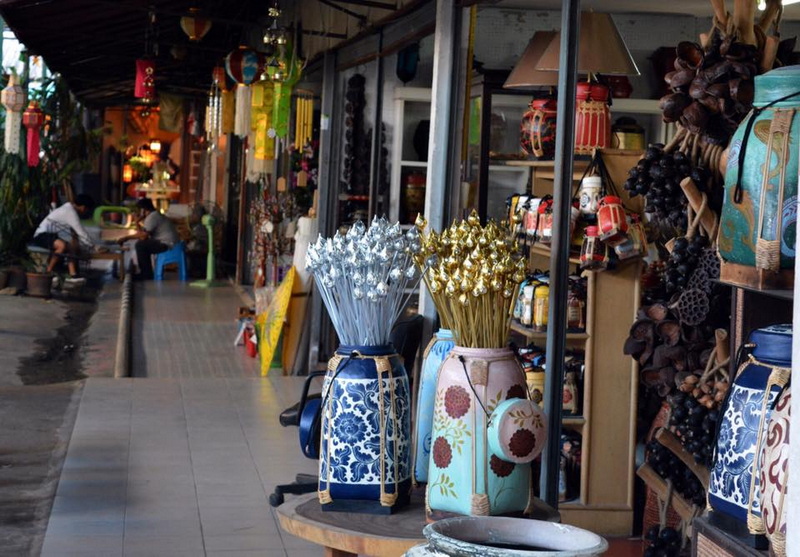
Baan Tawai Wood Carving Village can add a cultural dimension to a day focused on ethical tourism. The village is associated with woodcraft and artisan work, so visitors can pay attention to carving techniques, design details, and the patience involved in producing handmade pieces. Approach workshops and makers with courtesy, ask before photographing, and remember that the village is also a place where people work and conduct everyday business.
Rather than treating the stop as a quick shopping detour, consider how craft traditions are maintained and adapted. Supporting artisans thoughtfully, without bargaining aggressively or assuming that every object has the same origin or meaning, helps make the visit more respectful.
Ob Luang National Park
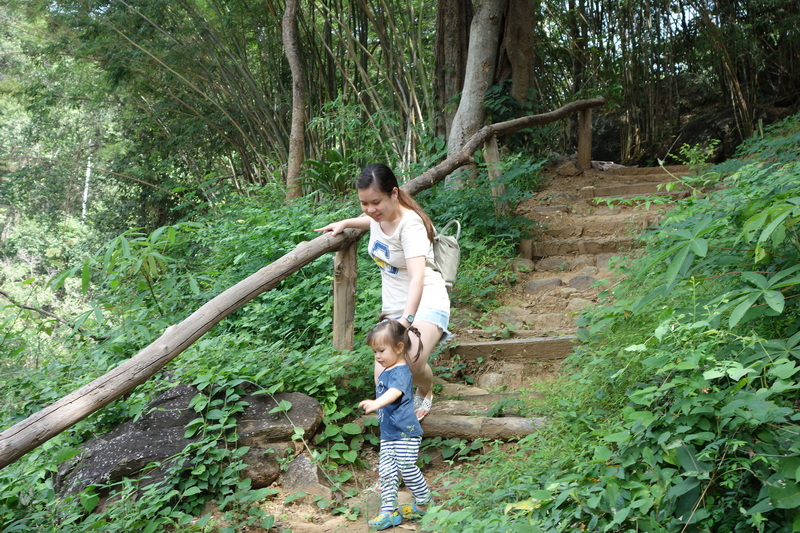
Ob Luang National Park offers a contrasting setting of forested terrain and dramatic natural formations. The park can encourage a slower, more observant style of adventure after time spent learning about elephant care. Visitors should follow current park guidance, stay on suitable routes, and prepare for changing outdoor conditions rather than assuming that every area will be equally accessible.
Its conservation value is easy to understand when viewed through everyday actions. Staying on paths, carrying rubbish out, avoiding disturbance to wildlife, and keeping noise under control all help protect the landscape. A visit here can turn a day trip into a broader reflection on how individual choices affect shared natural spaces.
Final Thoughts
The strongest day trips from Chiang Mai are not necessarily the busiest. At Patara Elephant Farm, visitors can learn that ethical contact depends on patience, boundaries, and continuing care. At Baan Tawai, they can notice the skill and dignity of local craftsmanship. At Ob Luang National Park, they can experience conservation at the scale of forests and rivers. Together, these places support a thoughtful style of travel: curious without being demanding, adventurous without being careless, and willing to leave people, animals, and landscapes with their dignity intact.

No comments:
Post a Comment