Karen Hilltribe Visit Choices for Thoughtful Chiang Mai Travel
A practical decision tool for comparing cultural visit styles, package language, and respectful travel priorities in Northern Thailand
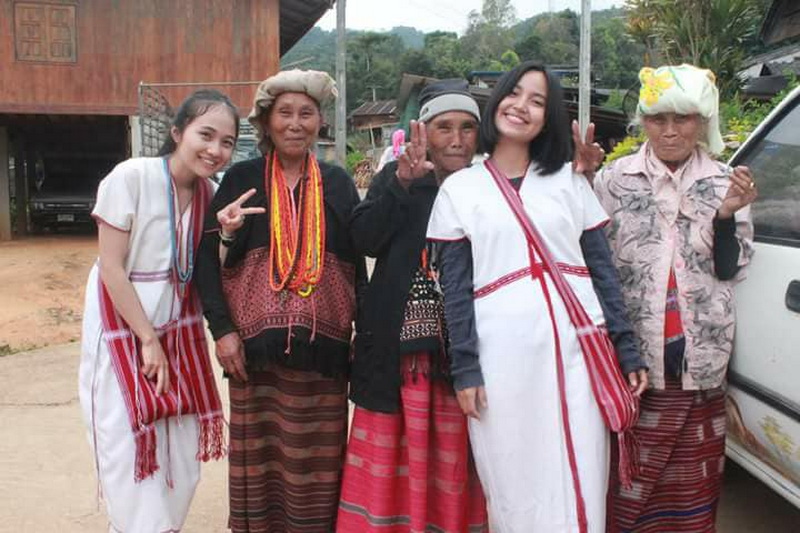
Travel listings can make very different cultural experiences sound almost identical. One description may use Karen Hill Tribe, another Karen Long Neck, and a third Karen Longneck Village, while offering little explanation of who is involved, how the visit is structured, or what travelers are expected to understand. That makes selection difficult for visitors who want more than a quick stop but do not want to impose their assumptions on a community. Instead of ranking villages or searching for a single “best” experience, use a purpose-and-evidence test. First identify what you want to learn. Then examine whether the description explains the community’s role, represents the people accurately, and gives enough information for you to decide how the encounter will work. This approach is especially useful when reviewing Chiang Mai Trip Packages that place a Karen Hilltribe visit alongside several unrelated activities. The goal is not to judge a community through a tourism advertisement. It is to judge whether an advertised visit gives you a responsible basis for participation. The scorecard below helps distinguish options by their stated purpose, level of cultural explanation, community agency, and treatment of visitors’ responsibilities.
Build a Four-Part Scorecard Before Reading the Details
Begin with four headings on a note: purpose, representation, agency, and boundaries. Give each prospective visit a simple mark such as clear, partial, or unclear. This is not a rating of the people or the community. It is a way to test the quality of the information offered to travelers.
Purpose asks what the visit is actually designed to do. Is it presented as an introduction to community history, a chance to learn about craft or daily livelihoods, a short cultural stop, or simply one item in a packed itinerary? None of these formats is automatically right or wrong. The important point is whether the description states its purpose plainly rather than relying on a dramatic label.
Representation asks whether the wording avoids presenting Karen people as a single, timeless group. A useful description acknowledges that Karen communities may have different histories, identities, languages, and relationships with tourism. It should not suggest that one short encounter explains everyone who uses the Karen name.
Agency asks who appears to shape the visit. Look for signs that local people are more than subjects of observation: community voices, locally guided interpretation, stated participation in decisions, or an explanation of how the encounter is organized. If all information comes from an outside seller and the community is never described as an active participant, mark this category unclear.
Boundaries cover the practical limits of the encounter. Does the description explain whether conversation, photography, purchasing, or entering particular areas is guided by local preference? When an offer leaves every boundary unstated, travelers cannot prepare their conduct responsibly. Missing information is not proof of poor practice, but it is a reason to ask before booking.
Match the Highest Score to Your Actual Priority
Once the four-part scorecard is complete, decide which category matters most to you. This prevents an attractive feature from outweighing the issue you care about most. A traveler interested in cultural context may give purpose and representation the greatest weight. Someone concerned about responsible participation may place agency and boundaries first.
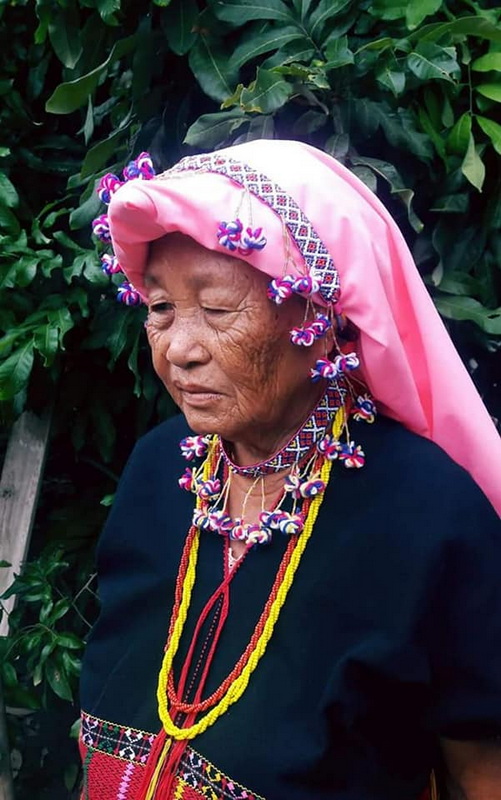
For a learning-led visit, look for language that identifies what can reasonably be learned within a short encounter. References to history, community perspectives, or everyday work are more useful when they are specific enough to set expectations. Be cautious of descriptions that promise access to an entire culture without explaining how that understanding will be developed.
For a craft- or livelihood-focused visit, ask whether the activity is described as work undertaken by community members or merely as something arranged for visitor consumption. Consider whether there is room to learn about skill, meaning, and choice rather than only viewing an object or purchasing it. A product display may be part of a visit, but it should not automatically stand in for cultural understanding.
For a low-impact cultural introduction, a short format may be suitable if its limits are clear. The best match is not necessarily the longest itinerary. It is the option that does not claim more knowledge or intimacy than the time allows. A brief visit can still be thoughtful when the description sets modest expectations and gives visitors guidance about conduct.
For travelers comparing a broader Chiang Mai Trip Packages offer, use the scorecard to prevent the cultural component from disappearing beneath a list of activities. Ask whether the Karen Hilltribe element has a stated purpose of its own. If it is only a label attached to a sequence of stops, the package may not meet a traveler whose priority is sustained cultural attention.
Turn Karen Labels Into Questions Rather Than Conclusions
Names used in listings deserve careful reading. Karen, Karen Long Neck, Karen Longneck, Karen Long Neck Village, and Karen Longneck Village may appear as overlapping tourism terms, but a label alone does not establish that the people, history, or visit format are identical. Travelers should not assume that one term explains another.
When an offer uses the phrase Karen And Karen Longneck Hill Tribe, ask what the wording is intended to distinguish. Does it refer to more than one community or identity? Is the name being used as a broad search term? Does the description explain whose perspectives visitors will encounter? These questions are more useful than treating the phrase as a guarantee of a particular experience.
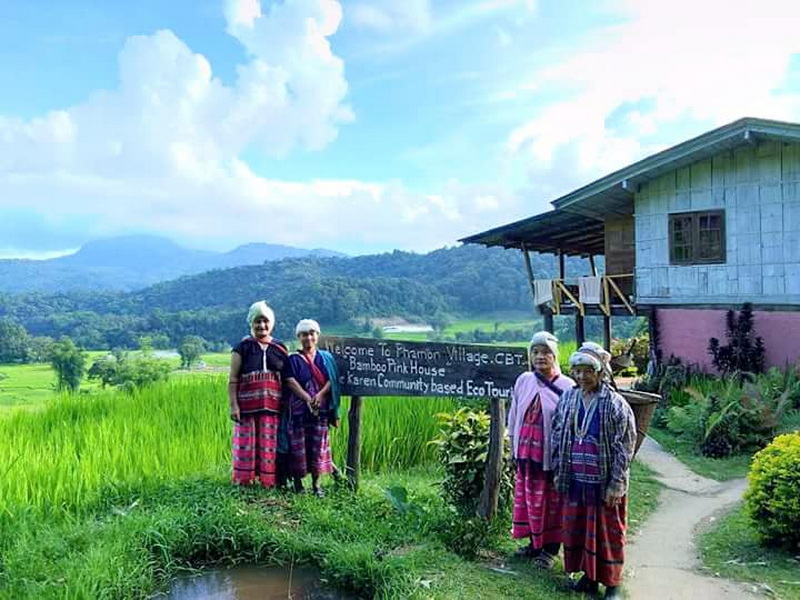
The longer phrase Karen And Karen Longneck Hill Tribe Thailand can also be read as a prompt for clarification. Ask whether “Karen” is being used generally while “Longneck” refers to a specific community, and whether the description gives enough context to avoid collapsing different histories into one attraction. Do not demand a simplified answer merely to make the listing easier to consume.
A useful Karen And Karen Longneck Hill Tribe Travel Guide should help readers recognize uncertainty. It should explain what the terminology can and cannot tell them, encourage direct questions, and avoid presenting an unfamiliar community as a display. If a listing uses several names interchangeably without explanation, record that as an information gap in the representation category of your scorecard.
This does not mean rejecting every package that uses imperfect tourism language. It means separating a search label from a meaningful account of the visit. A provider may be able to clarify the wording, identify the community involved, and explain how local participation shapes the encounter. That response gives travelers better evidence than the label itself.
Read the Description for Evidence of Community Agency
Many travelers compare packages by counting inclusions. For a cultural visit, a more revealing method is to inspect what the description makes visible. Who speaks? Who interprets? Who decides what visitors may see? Who can set limits? These questions move the assessment away from the number of stops and toward the relationship implied by the wording.
Look for a distinction between observing a community and learning through an encounter shaped with community participation. The description does not need to disclose private organizational details, but it should avoid portraying residents as scenery. It should also avoid suggesting that a visitor is entitled to personal stories, photographs, or access to domestic spaces.
Representation matters beyond politeness. If a listing focuses only on visual markers, clothing, or a single custom, travelers may arrive with a narrow picture of Karen identity. A fuller description can acknowledge ordinary life, varied experiences, and the fact that no short visit can provide a complete cultural account. This is a sign of intellectual care, not a demand for an academic lecture.

Agency may be difficult to verify from a short listing, so treat it as a question for the provider rather than a conclusion. Ask how local perspectives are included, whether community members guide or shape the encounter, and how visitor behavior is communicated. A clear, non-defensive answer is useful evidence. Silence or evasive wording means the option should remain provisional.
The scorecard should also record what the package does not claim. Avoiding guarantees of personal access, staged authenticity, or emotional transformation is a strength. A restrained description may be more trustworthy than one that promises an unusually intimate or exclusive experience.
Use One Short Conduct Checkpoint Before You Commit
After comparing purpose, representation, agency, and boundaries, apply a final three-question checkpoint: Can I ask before photographing? Can I accept a no without argument? Can I take part without expecting private access? If the answer to any question is no, reconsider the visit or clarify the expectations in advance.
Keep clothing, conversation, purchasing, and photography decisions responsive to local guidance rather than treating them as a universal checklist. Ask permission where appropriate, avoid turning people into backdrops, and do not assume that a visible tradition is an invitation for comment. If an interpreter or guide explains a restriction, follow it without pressing for a personal justification.
Purchasing should also remain a choice, not a test of whether a visit was worthwhile. Travelers can ask about an item’s significance or production when that conversation is welcome, but should not bargain aggressively or imply that buying creates a right to photographs or further attention. The same principle applies to questions: curiosity is valuable when it leaves room for refusal.
Finally, remember the limits of a short encounter. You may leave with useful context, but you will not become an authority on Karen people or on every community that tourism labels as Karen. Record what you learned, note what remains uncertain, and avoid repeating broad claims based on one visit. That restraint is part of making a sound selection in the first place.
Final Thoughts
If your main goal is cultural learning, choose the option with the clearest purpose and strongest representation, even if it contains fewer advertised features. If your priority is supporting community-led participation, give the greatest weight to evidence of agency and to answers about who shapes the encounter. If you have limited time, select the description with modest claims and clear boundaries rather than the one promising an all-encompassing view of Karen life. For any traveler, an unclear scorecard is a reason to pause, ask focused questions, or choose a different format. The Best Hill Tribe To Visit In Chiang Mai is therefore not a universal ranking. It is the visit whose stated purpose, cultural framing, and limits align with what you can responsibly bring to it. Used this way, the decision tool turns confusing labels into practical questions and leaves room for a more informed, considerate encounter.

No comments:
Post a Comment