Ban Rak Thai as a Mountain Day Trip from Chiang Mai
A practical guide to judging the journey, reading the village landscape, and adding nearby Mae Hong Son highlights
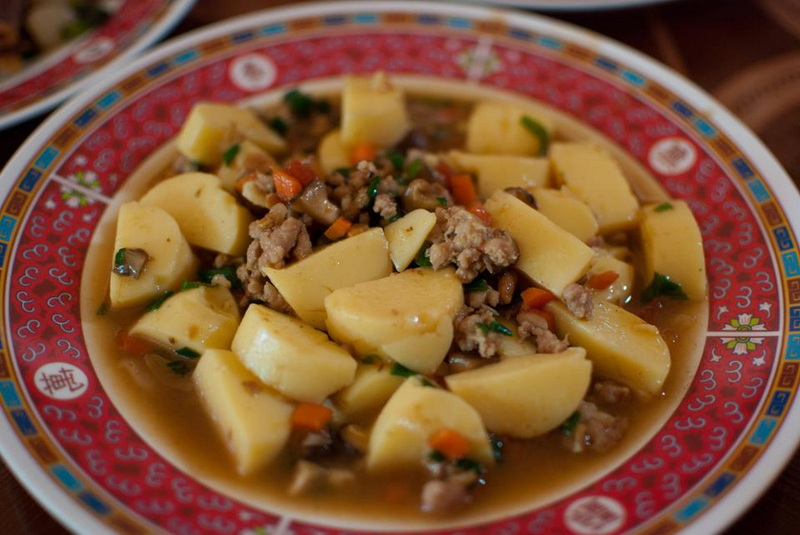
Some destinations are defined by a single landmark; Ban Rak Thai is better understood through the relationship between its settlement, lake, tea-growing hills, and long mountain approach. The village lies in Mueang Mae Hong Son District, Mae Hong Son, close to the Myanmar border, and its Chinese-influenced character gives the place a visual and cultural identity unlike the urban attractions usually associated with northern Thailand. The setting is compelling, but the distance from Chiang Mai changes the question a traveler should ask. This is not an easy add-on for a day already crowded with stops. It is a destination that can anchor a demanding mountain excursion, provided the return journey and the amount of time available are taken seriously. For people searching for a Mae Hong Son Day Trip From Chiang Mai, Ban Rak Thai offers a clear reason to make the trip: the village combines highland scenery and everyday cultural detail in a compact setting. Tea slopes, water, hillside homes, and local food traditions give visitors several ways to experience the place without needing a long list of formal attractions. This guide focuses on how the destination works as a day-trip choice, what Ban Huay Pu Keng and Pang Ung add to the regional picture, and why a short visit can still feel substantial when attention is directed toward the village itself.
The journey decides whether a same-day visit makes sense
Ban Rak Thai is a poor match for an improvised detour from Chiang Mai. The route into Mae Hong Son country is mountainous and winding, so the day is shaped as much by road travel as by time spent at the destination. A same-day return is most plausible for travelers who are comfortable with a long road-based outing, can begin early, and are willing to make Ban Rak Thai the principal purpose of the day. It suits a focused visit, not an itinerary that also tries to collect numerous distant sights.
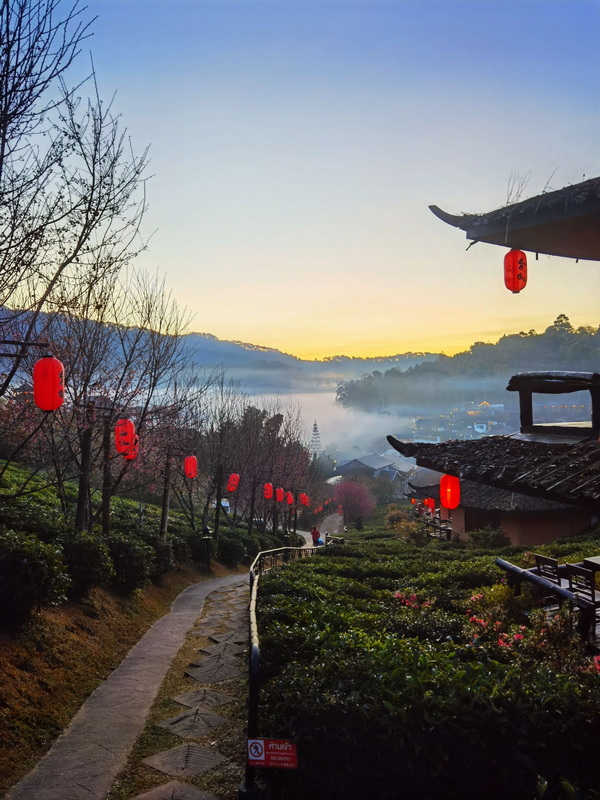
The village becomes a less pressured choice within an overnight Mae Hong Son plan. Extra regional time allows the mountain drive to sit within a broader journey and leaves more room for the lake, tea landscape, meals, and unhurried observation. That does not make a day visit pointless; it simply clarifies the trade-off. Travelers with limited time can still gain a strong impression, while those who dislike extended road days will probably appreciate Ban Rak Thai more when it is given a larger place in their itinerary.
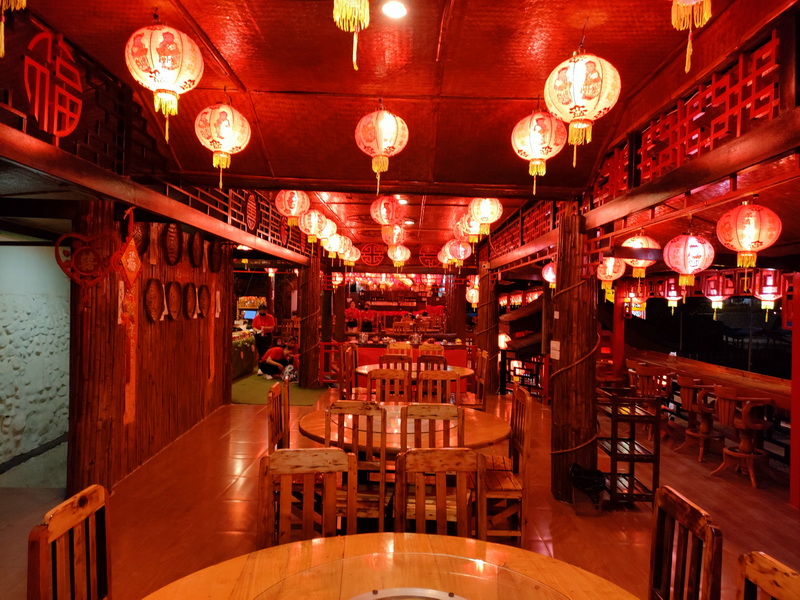
Transport also affects the experience. A private vehicle or a carefully arranged local journey provides more control over pauses and the return route than an improvised sequence of connections. Road conditions and weather can influence comfort in the highlands, so a basic check of current access and transport arrangements is sensible in the single planning stage before departure. The destination’s value lies in arriving with enough energy to look around, not in treating the road as an obstacle to be endured at any cost. For travelers comparing Attractions in Mae Hong Son, this practical time-and-distance question should come before adding more stops.
Two regional additions with different emphasis
Ban Rak Thai can stand alone as the day’s central destination, while two selected nearby places offer different reasons to extend the regional experience. Ban Huay Pu Keng adds community context; Pang Ung shifts attention toward highland nature.
Ban Huay Pu Keng
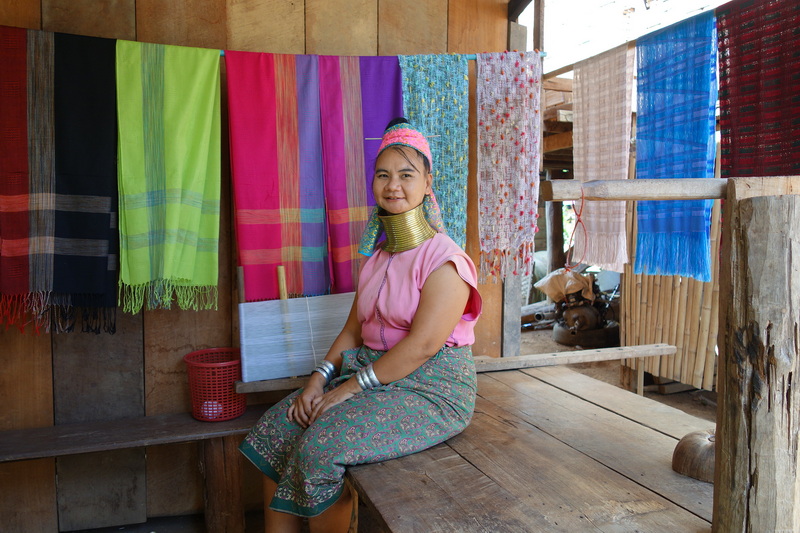
Ban Huay Pu Keng can add a cultural dimension to a Mae Hong Son itinerary, but it should be treated as its own community setting rather than as an extension of Ban Rak Thai. Its inclusion is most meaningful for travelers who want the day or wider journey to engage with more than one local place. Keep the comparison respectful and allow the character of each community to stand on its own.
Pang Ung
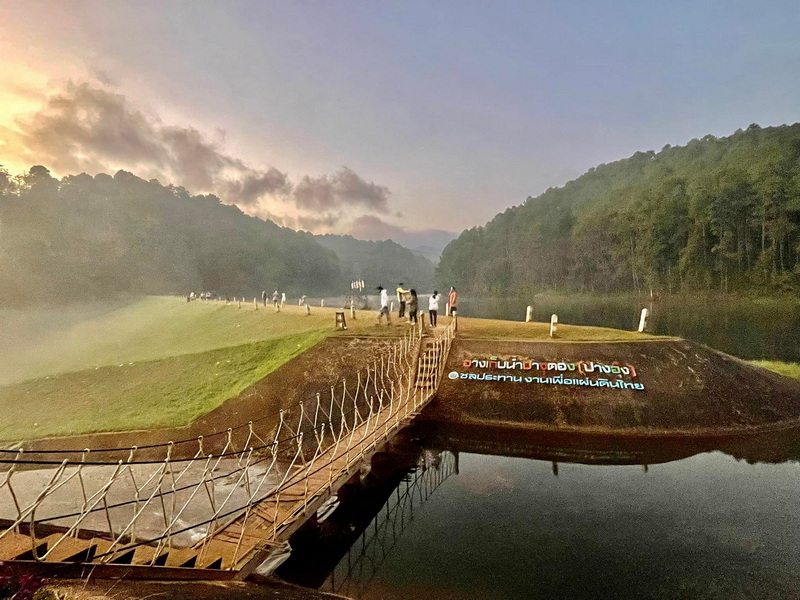
Pang Ung brings a natural setting into the same regional plan. It can appeal to visitors interested in forested highland scenery and a quieter outdoor atmosphere alongside the village experience. Whether it belongs in a same-day design depends on the route and available daylight, so it is better viewed as a selective addition than an automatic companion to Ban Rak Thai.
Read Ban Rak Thai through its landscape and living traditions
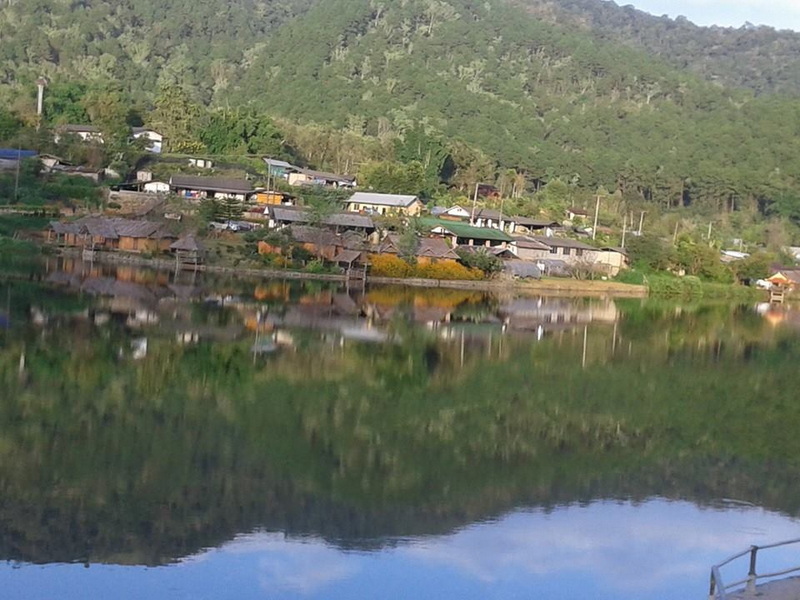
The strongest first impression is the way the village gathers around its lake. Water creates an open foreground for the surrounding hills, while buildings and paths give the scene a human scale. Mist or changing mountain light can alter the mood, but the appeal does not depend on one particular hour or photographic condition. The lake is useful as a point of orientation: from it, visitors can notice how the settlement climbs into the terrain and how closely the village’s visual character is tied to its setting.
Tea is equally important to the identity of Ban Rak Thai. Tea-growing is not simply a decorative theme for shops and viewpoints; it connects the village to cultivation, food, and hospitality. Visitors can look for the transition between planted slopes and built areas, taste tea-related offerings where they are locally presented, and notice how agricultural products shape the village experience. This makes the destination rewarding for travelers who enjoy understanding how a place works, not only photographing its most recognizable scene.
The Chinese heritage associated with Baan Rak Thai can be seen in the settlement’s atmosphere, architecture, food traditions, and tea culture. It should be approached as part of a living community rather than as a themed display created solely for visitors. A useful visit includes ordinary details: the arrangement of homes, the language and food influences encountered in local businesses, and the way residents use the same roads and lakeside spaces that visitors come to see. Photography is welcome in many travel situations, but people, private areas, and community life deserve the same consideration here as anywhere else.
A compact visit can still contain several layers
Ban Rak Thai works well for a visitor who prefers a small number of connected experiences. Begin with the village’s overall setting, then shift attention to details that explain it: the lake’s position, the tea-growing hills, the food culture, and the Chinese-influenced built environment. These elements are close enough in theme that they reinforce one another. The result is a visit with an internal rhythm, even when the available stop is brief.
The village also rewards changing viewpoints. A lakeside scene presents Ban Rak Thai as a mountain settlement framed by water; a walk through the built area shows how businesses, homes, and visitor spaces occupy the same highland setting; a tea-focused stop draws attention to cultivation and taste. None of these needs to be inflated into a separate attraction. Their significance comes from the way they reveal different parts of one place.
This is where Ban Rak Thai Thailand stands apart from a generic scenic overlook. The landscape attracts attention immediately, yet the strongest memories usually come from joining scenery to context. A cup of locally associated tea, a view across the settlement, or a meal influenced by the village’s Chinese heritage can turn a quick stop into an informed encounter. Visitors do not need an elaborate program to find meaning here; they need enough time to connect what they see with how the community is situated and represented.
Who will find the trip rewarding
Ban Rak Thai is especially well suited to weekend travelers who want a distinctive destination and accept that the road is part of the commitment. It offers a clear visual identity, a manageable central area, and several connected subjects to explore. Landscape photographers may value the lake and hills, food-minded travelers can focus on tea and local flavors, and culturally curious visitors can pay attention to the village’s Chinese heritage and highland setting. These interests can coexist without forcing the visit into a checklist.
The destination is less suitable for anyone hoping to fit in a large collection of unrelated attractions from Chiang Mai in one day. The problem is not a lack of things to see; it is that travel fatigue can reduce the time and attention available for the village. A Ban Rak Thai Travel Guide should therefore treat the trip as a choice about emphasis. If the purpose is to understand this particular settlement, a focused day may work. If the purpose is to sample many parts of Mae Hong Son Province, an overnight route is the more coherent design.
That distinction also helps with organized travel. A tour or shared transport arrangement may be useful when the roads and regional logistics are unfamiliar, while independent travelers may prefer the control of their own route. In either case, the destination should be given enough prominence in the day’s design to make the journey worthwhile. Ban Rak Thai is not valuable because it can be collected quickly; it is valuable because a concentrated visit brings landscape, cultivation, and cultural history into the same frame.
Let Ban Rak Thai set the scale of the day
The practical lesson of Ban Rak Thai is not to measure the destination by the number of stops it can accompany. Its lake, tea culture, hillside setting, and Chinese-influenced identity already form a complete subject for a focused visit. Travelers making the journey from Chiang Mai should decide whether they want that concentrated experience or the greater ease of placing it within an overnight Mae Hong Son itinerary. Once that choice is clear, the village becomes easier to appreciate: not as a distant name to collect, but as a highland community whose landscape and traditions reward attention.

No comments:
Post a Comment