Sightseeing Highlights of Phu Chi Fa in Chiang Rai
A calm look at dramatic viewpoints, mountain scenery, and thoughtful sightseeing ideas in northern Thailand
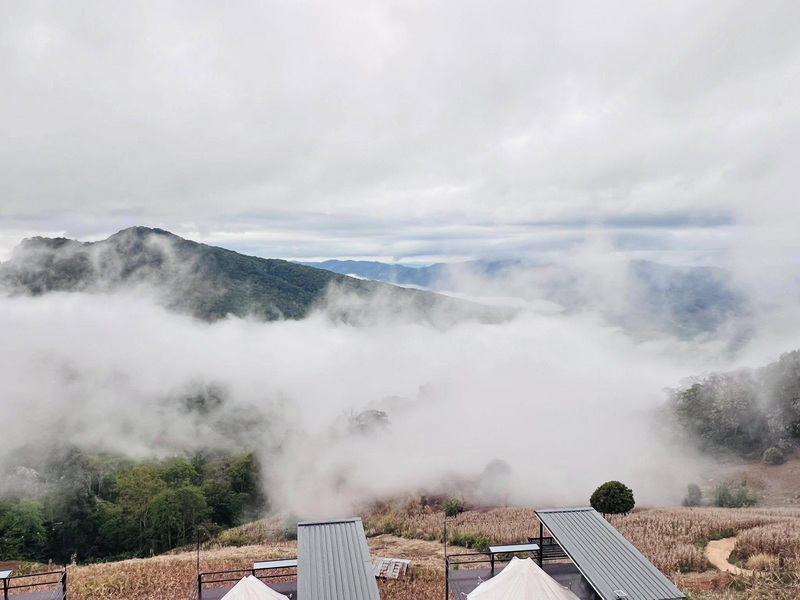
Among the many Sights in Chiang Rai, Phu Chi Fa stands apart for the way its landscape opens toward the horizon. Located in Thoeng District, Chiang Rai, this high mountain viewpoint combines a forested approach with a dramatic rocky outlook above the surrounding valleys. The experience is less about collecting attractions quickly and more about allowing time for changing light, cloud, and distance to shape the view. For first-time visitors, Phu Chi Fah is especially appealing because its main attraction is easy to understand: a walk through upland scenery leads to a celebrated viewpoint where Thailand’s northern mountains meet the horizon near the border with Laos. Conditions can change with the season and weather, so the landscape may appear sharply defined one day and softly veiled by mist another. This makes the site a natural centerpiece for a Chiang Rai sightseeing tour package, particularly one designed around viewpoints and countryside scenery rather than a crowded urban itinerary. The following highlights explain what visitors can expect, how nearby places can enrich the day, and why Phu Chi Fa works well as part of a broader sightseeing concept.
A Mountain Setting Built Around the Horizon
The defining sight at Phu Chi Fa is the open mountain outlook. From the viewpoint area, the land falls away into layered ridges and valleys, creating a broad sense of space that is difficult to find in a town or lowland attraction. The rocky promontory gives the scene its visual identity, while the surrounding vegetation keeps the setting feeling like a natural landscape rather than a constructed observation deck.
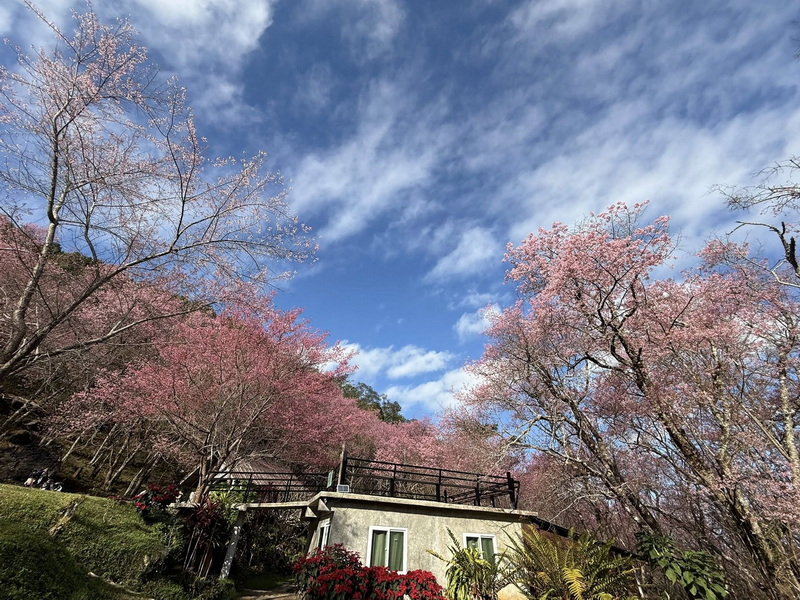
The horizon is often the main subject of photographs, but it is worth looking closer as well. Sloping ridges, folds in the terrain, distant settlements, and patches of forest create several levels of depth. In clear conditions, the distant landscape can appear crisp; when cloud or haze settles over the valleys, the same view becomes quieter and more atmospheric. Neither version needs to be treated as a guaranteed spectacle. The appeal lies in seeing how the mountain environment presents itself on the day of a visit.
The approach also contributes to the attraction. Visitors generally walk from the access area toward the viewpoint, following a path through upland surroundings. The route is not simply a corridor to the main photograph: it provides a gradual change from roadside activity to open mountain scenery. Uneven ground and an incline mean that comfortable footwear and a measured pace are sensible, especially for anyone unused to hillside walks.
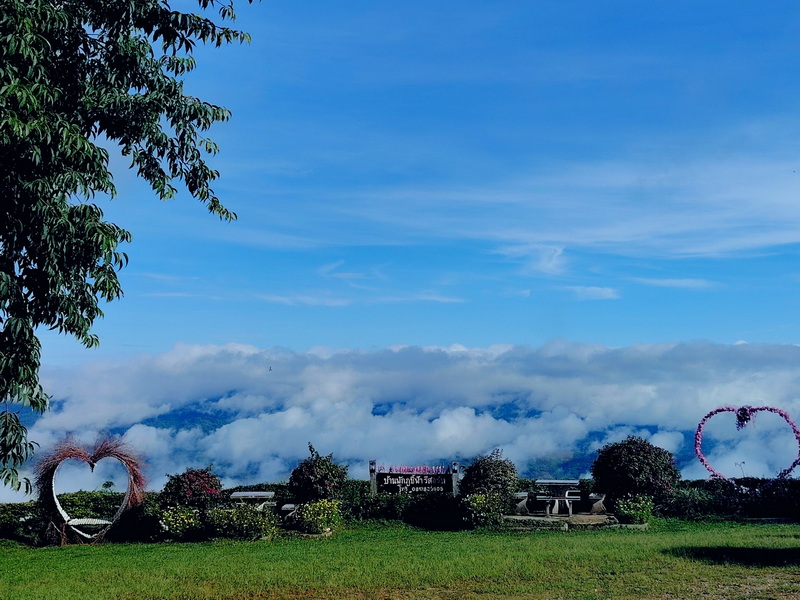
The name appears in several forms, including Phu Chi Fah National Park, Phu Chee Fah, and Phu Chifah. These variations can be useful when reading travel material, but the physical attraction remains the same: a highland viewpoint valued for its expansive outlook and peaceful natural setting.
Two Regional Landscapes to Consider
The mountain viewpoint is the main visual experience, but the wider region becomes more meaningful when its landscapes are compared. Two nearby destinations can add contrasting settings without taking attention away from Phu Chi Fa.
Phu Sang National Park
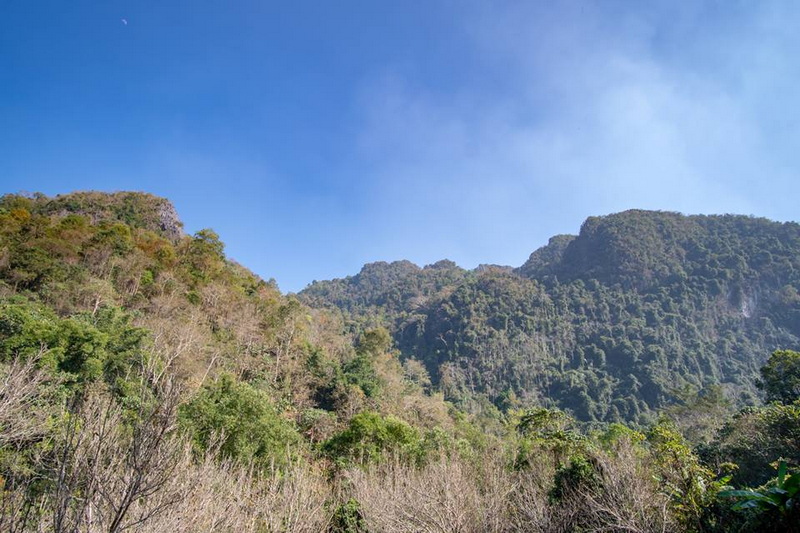
Phu Sang National Park can broaden a Phu Chi Fa-focused sightseeing day with another perspective on the region’s natural environment. Rather than repeating the high mountain viewpoint, it offers a different setting in which visitors can consider forests, water, and the varied terrain of northern Thailand. Its inclusion in a regional itinerary should depend on current access conditions and the time available, since adding another substantial natural area can make the day more active.
The pairing works best as a contrast. Phu Chi Fa is associated with elevation and distant views, while Phu Sang encourages attention to features closer to the ground and to the character of a protected natural area. Together, they can help visitors understand that Chiang Rai’s scenery is not defined by one viewpoint alone.
Choui Fong Tea Plantation
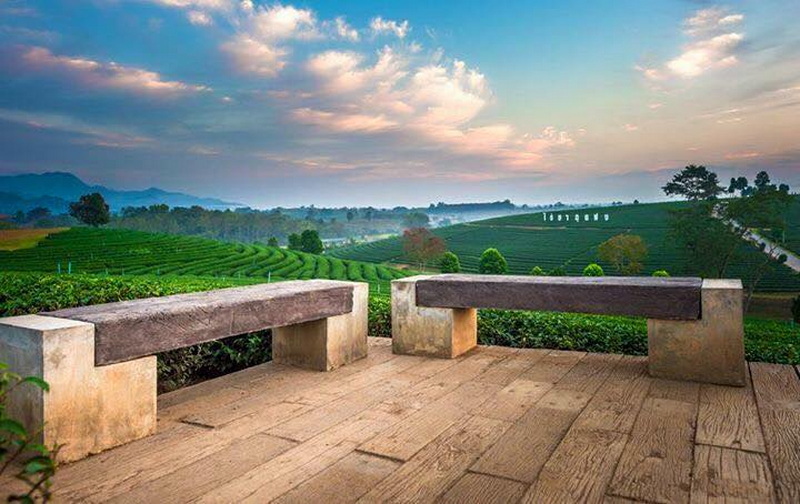
Choui Fong Tea Plantation introduces an agricultural landscape to the sightseeing story. Its cultivated rows and open hillside setting create a visual transition from the rugged mountain outlook at Phu Chi Fa to a managed landscape shaped by tea production. The change of scale can be appealing: distant ridges give way to patterned slopes and closer details.
As part of a broader Chiang Rai itinerary, the plantation can complement the viewpoint without competing with it. Visitors can observe how the province combines natural scenery with working agricultural land, while remembering that a plantation is also a place of production. Respecting marked visitor areas and local guidance keeps the experience focused on landscape appreciation rather than treating working grounds as unrestricted photo spaces.
What the Viewpoint Feels Like to Visit
The most memorable part of the visit is often the transition between anticipation and discovery. The path keeps much of the wider view hidden, then the landscape opens near the rocky lookout. This simple change in perspective gives the viewpoint its emotional strength. Visitors may arrive focused on taking a photograph, yet the scale of the ridges encourages a slower pause and a longer look.
Early light is commonly associated with the viewpoint because the changing sky can bring color and definition to the mountain layers. Mist may gather in lower areas, sometimes creating a soft blanket beneath the ridges. Such conditions are natural and variable, not a guaranteed daily feature. A visit later in the day can still be rewarding, particularly when clearer light emphasizes the contours of the countryside or when clouds create strong patterns across the sky.
Phu Chi Fa is best approached with awareness of the terrain and of other visitors sharing a limited viewpoint. Remaining on marked paths, taking care near edges, and allowing others space for quiet observation help preserve the character of the place. The landscape is more impressive when experienced without rushing, loud activity, or pressure to reproduce a particular photograph seen online.
For nature lovers, the value of the site comes from its combination of scale and simplicity. There is no need for a long list of activities to make the stop meaningful. Walking, observing the changing atmosphere, and noticing how the forest gives way to the open ridge are central parts of the experience.
Placing Phu Chi Fa Among Chiang Rai Highlights
Phu Chi Fa adds a distinctly rural and mountainous dimension to the Sights in Chiang Rai. The province is known for cultural landmarks, creative architecture, tea-growing landscapes, and varied countryside, while this viewpoint emphasizes elevation and distance. It therefore works particularly well in an itinerary that balances built attractions with time outdoors.
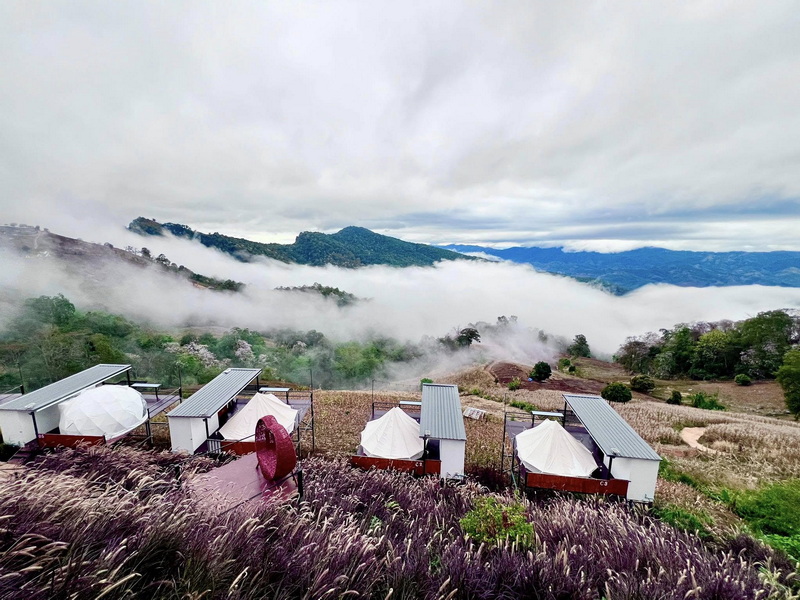
A regional sightseeing plan can treat the mountain as a central landscape experience rather than as a brief photo stop. The day might connect the viewpoint with other approved attractions in the wider province, allowing the route to shift from highland scenery to agricultural or cultural settings. The purpose is not to fit in every possible stop, but to create contrast: an expansive mountain outlook can make later visits to more intimate places feel different and more memorable.
The surrounding area also encourages respectful observation. Mountain communities and rural residents live within the broader landscape, so visitors should avoid treating local areas as scenery alone. Staying considerate around homes, roads, cultivated land, and community spaces is part of responsible sightseeing. A factual, low-key approach is more appropriate than making unverified claims about local traditions or presenting communities as attractions.
For travelers comparing Chiang Rai attractions, Phu Chi Fa offers a strong choice when the priority is a notable viewpoint and an outdoor experience. It may be less suitable for someone seeking a compact urban stop, but it has clear appeal for visitors who want the journey to include open space, cooler upland surroundings, and a perspective across the province’s mountainous edge.
How Sightseeing Tour Packages Can Include the Viewpoint
A Chiang Rai Sightseeing Tour Package that includes Phu Chi Fa can be understood as a framework for combining a major viewpoint with complementary regional experiences. The exact contents of any itinerary depend on the operator, season, road conditions, opening arrangements, and the amount of time allocated to the mountain. For that reason, it is more useful to think in terms of itinerary styles than promised schedules or fixed inclusions.
One concept is a viewpoint-led day, with Phu Chi Fa as the principal outdoor focus and a small number of carefully selected stops elsewhere in Chiang Rai Province. This approach gives visitors time to appreciate the mountain rather than reducing it to a rushed photograph. Another concept places the viewpoint within a broader nature circuit, pairing upland scenery with a nearby park or agricultural landscape. A third approach gives equal weight to natural and cultural sights, using the mountain as a dramatic contrast to temples, local communities, or town-based attractions.
When reading a package description, visitors may wish to consider how much walking is involved, whether the itinerary allows time at the viewpoint, and whether the plan is designed around changing weather. It is also sensible to check current access information and local guidance before setting out, since conditions at mountain attractions can vary. These are general planning questions rather than guarantees about any particular tour.
The best package concept is one that matches the visitor’s pace. A nature lover may prefer fewer stops and a longer period in the uplands, while someone discovering Chiang Rai for the first time may appreciate a wider overview of the province. In either case, Phu Chi Fa contributes its strongest quality when the itinerary leaves room for looking, walking, and responding to the landscape instead of treating the viewpoint as a quick checklist item.
Let the Landscape Set the Pace
Phu Chi Fa offers one of Chiang Rai’s clearest invitations to pause and look outward. Its rocky viewpoint, changing mountain atmosphere, and forested approach give a sightseeing visit a strong sense of place. Whether included in a wider regional itinerary or treated as the central natural highlight, it rewards realistic expectations and a respectful pace. The view may change with weather and light, but the experience remains grounded in the same simple pleasure: standing above the valleys and seeing northern Thailand unfold across the horizon.

No comments:
Post a Comment