Mae Ping National Park A Thoughtful Nature Escape from Chiang Mai
Discover river landscapes, waterfalls, forest scenery, and flexible package ideas for a rewarding northern Thailand journey
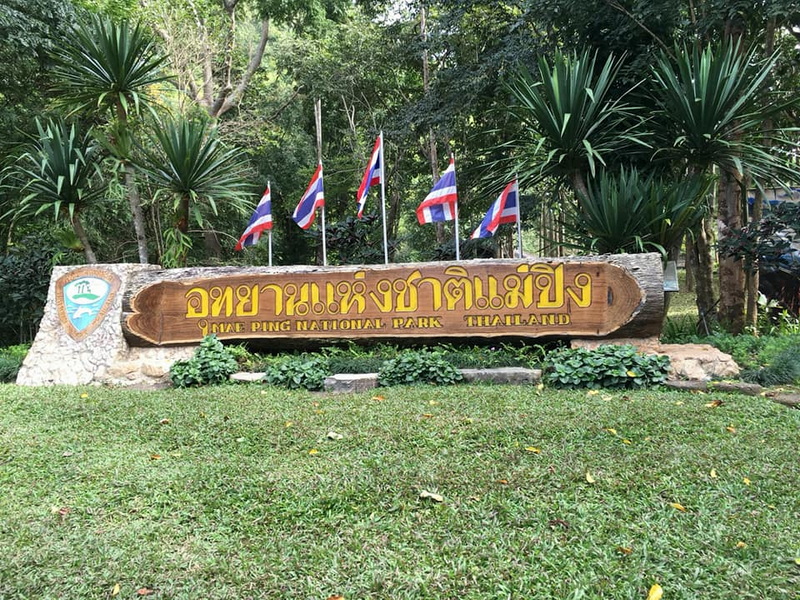
In Li District, Lamphun, Mae Ping National Park offers a different perspective on northern Thailand. Rather than presenting only dramatic mountain viewpoints, the park brings together the broad Ping River, dry forest, limestone scenery, reservoirs, and peaceful places to pause. Its landscapes are especially appealing to travelers who want nature to be part of a wider regional journey rather than a rushed stop between major cities. For a first-time international visitor, the appeal is practical as well as scenic. Mae Ping can suit travelers interested in a quieter day outdoors, photographers looking for changing light over water and forest, and curious visitors comparing the many protected landscapes in the north. It is also a destination that can be discussed with a tour planner when considering Chiang Mai Trip Packages, although the exact route and inclusions depend on the operator and season. This guide focuses on why the park deserves attention, what visitors may encounter, and how to think about adding it to a broader trip. Conditions in protected areas can change, so current opening information, access arrangements, and conservation guidance should be confirmed before departure.
Why This River Park Deserves a Place on Your Map
Mae Ping National Park is notable because water shapes much of the visitor experience. The Ping River and related waterways give the park a spacious character, while forested hills and rocky landforms create contrast around the water. The result is a landscape that can feel open in one area and enclosed in another, making a visit more varied than a single viewpoint or trail.
The park is associated with Lamphun, but its wider protected area extends across parts of the northern region. This broader setting helps explain its ecological variety. Dry dipterocarp forest and mixed deciduous woodland are important habitat types, and the appearance of the landscape can change significantly between the wetter and drier parts of the year. Seasonal differences affect stream levels, vegetation, heat, and the atmosphere around waterfalls and reservoirs.
For travelers researching Must Visit National Parks Northern Thailand, Mae Ping is worth considering because it offers a calm combination of scenery and space. It may appeal less to someone seeking a packed list of attractions and more to someone who values time beside the river, a walk through forest, or an unhurried look at the relationship between water, rock, and woodland.
Waterfalls, Reservoir Views, and Forest Texture
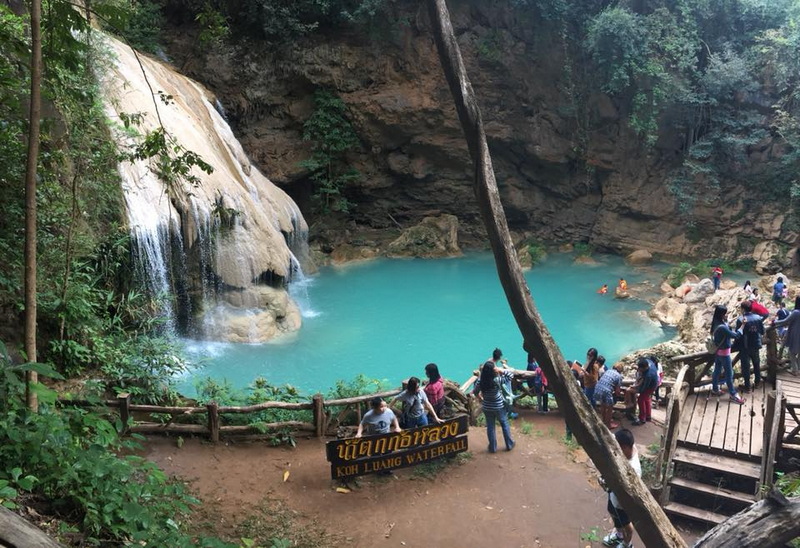
Koh Luang Waterfall is one of the park's best-known natural highlights. Water flows over pale limestone steps, creating a striking setting when conditions are favorable. The sound of falling water and the surrounding greenery make the area visually memorable, but visitors should treat rocks and pools with care. Slippery surfaces, changing water levels, and weather conditions can influence whether a particular area is suitable for close approach.

Kaeng Ko is another important part of the park's scenery. The reservoir environment introduces broad reflections, open horizons, and a slower visual rhythm than the waterfall area. Depending on the viewpoint and time of day, the water can emphasize the silhouettes of surrounding hills or mirror the colors of the sky. It is a rewarding place for landscape photography, quiet observation, and noticing how a managed water landscape sits within a protected natural setting.
The forest itself deserves attention rather than being treated only as a backdrop. Dry-season woodland can look sparse and sunlit, while wetter periods bring fuller foliage and stronger stream flow. Visitors may notice bamboo, deciduous trees, exposed rock, and changing ground textures along the way. Wildlife belongs to this ecosystem, but sightings are never guaranteed. The responsible approach is to observe quietly, avoid feeding animals, and leave plants, rocks, and natural materials where they are.
How the Park Can Fit a Chiang Mai Travel Plan
Travelers comparing Chiang Mai Trip Packages should first decide how much of the journey they want to devote to protected landscapes. Some package concepts may place Mae Ping within a broader northern Thailand nature route, while others may treat it as one outdoor component alongside cultural, scenic, or river-focused experiences. Because package names do not always describe identical services, it is important to ask whether the park is a central destination, an optional visit, or simply part of a transfer route.
A package can be useful for visitors who prefer help coordinating a region that covers more than one province. A local planner may be able to explain the most practical sequence, identify which sites are realistic in the available time, and clarify whether a visit involves walking, vehicle travel, or time near water. This is particularly helpful for first-time visitors who are unfamiliar with northern Thailand's distances and seasonal conditions.
Independent travelers can use the same questions when building their own plan. Consider the desired pace, the amount of walking comfortable for the group, the season, and the kind of scenery that matters most. Someone drawn to waterfalls may prioritize a different visit window from a photographer seeking reservoir light. No itinerary should assume that every attraction will be accessible or that every package includes the same activities. Confirm the details directly before committing.
A well-designed package should leave room for the park to be experienced rather than merely photographed from a vehicle. Ask how much time is allocated for nature observation, whether conservation rules are explained, and what happens if rain or local conditions affect access. These questions help align expectations without relying on unsupported promises about schedules, wildlife, or inclusions.
Practical Preparation for a Comfortable Day Outdoors
Begin with current information from the park or a reputable local travel provider. Protected-area regulations, seasonal access, water conditions, and visitor facilities can change. A Mae Ping National Park Travel Guide is useful for orientation, but it should not replace checking official updates close to the travel date. This is especially important if a planned visit depends on a waterfall, a particular road, or access near a reservoir.
Wear secure footwear suited to uneven ground, and bring sun protection, drinking water, and a light layer for changing conditions. Even when a route appears straightforward, heat and exposed surfaces can make outdoor movement tiring. Visitors planning to spend time near water should take extra care on wet rocks and follow signs or staff guidance. Keep personal belongings close, and avoid entering water unless local rules clearly permit it and conditions are considered safe.
Timing can shape the experience. Earlier or later daylight often provides softer light and may feel more comfortable than the hottest part of the day, but exact opening arrangements and access rules should be checked rather than assumed. Build flexibility into a package or self-planned route so that weather, road conditions, or a slower walking pace do not turn the day into a race.
Respect for the landscape is simple but essential. Carry rubbish out when disposal facilities are limited, stay on permitted paths, keep noise low, and do not collect flowers, wood, stones, or other natural objects. Photography should not interfere with other visitors or encourage unsafe positioning. These habits protect the park while allowing future travelers to enjoy the same scenery.
Who Will Enjoy Mae Ping Most
Mae Ping suits travelers motivated by atmosphere as much as by a checklist. A nature lover may enjoy the contrast between open reservoir views and shaded woodland. A photographer may find interest in limestone, falling water, reflections, and seasonal vegetation. A traveler who has already visited busier northern destinations may appreciate the chance to spend time in a setting where observation is the main activity.
The park can also work for mixed-interest groups when expectations are discussed in advance. Some people may want a gentle scenic experience, while others hope to explore more actively. A flexible plan can allow both, provided everyone understands the walking conditions and follows local guidance. Families and older travelers should ask about the specific access requirements of each intended stop rather than assuming that all attractions are equally easy to reach.
Searching for Maeping National Park may produce alternate spellings and travel references, but the central planning questions remain the same: which areas are open, how much time is available, what conditions are expected, and what level of activity suits the group? Clear answers make the visit more comfortable and reduce the risk of treating a protected area like a guaranteed attraction schedule.
Ultimately, Mae Ping's strongest appeal is its balance. It offers recognizable natural highlights, yet its value also lies in the spaces between them: the river landscape, the forest's changing character, and the opportunity to slow down. That balance makes it a meaningful addition to a northern Thailand journey without requiring the park to be presented as something it is not.
Final Thoughts
Mae Ping National Park rewards visitors who approach it with curiosity, preparation, and realistic expectations. Its river scenery, limestone waterfall, reservoir views, and deciduous forests create a distinctive nature experience in Li District, Lamphun. Whether considered within Chiang Mai Trip Packages or planned as part of an independent route, the park can add depth to a northern Thailand holiday. Check current conditions, choose activities that suit your group, and allow enough time to notice the landscape rather than simply pass through it.

No comments:
Post a Comment