Ban Pha Mon and the Wider Attractions of Mae Hong Son
A regional overview of village life, trekking landscapes, caves, and thoughtful travel across Pang Mapha
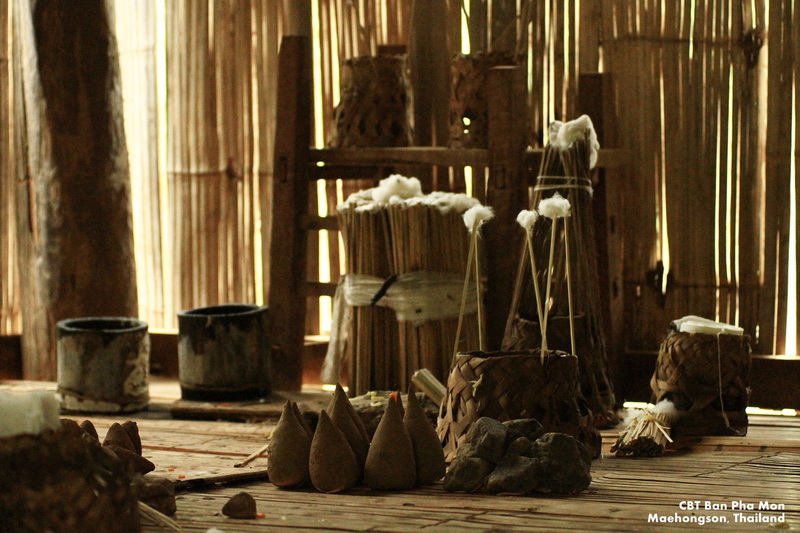
Ban Pha Mon sits within Pang Mapha District, a part of Mae Hong Son known for limestone scenery, forested hills, valleys, caves, and communities whose daily lives are closely connected to the surrounding landscape. The village is best understood as one point within a wider travel region rather than as an isolated attraction. Its value comes from the way it connects cultural interest with outdoor exploration. For visitors comparing the many Attractions in Mae Hong Son, the area around Ban Pha Mon offers a quieter perspective on northern Thailand. A journey here can combine a village visit with walking routes, scenic countryside, and nearby places of natural interest. It also provides useful context for understanding how trekking in the Pang Mapha and Pai areas can extend beyond a single viewpoint or short excursion. This overview focuses on the regional picture: what makes Mae Hong Son appealing, how Pai trekking tours relate to Ban Pha Mon, which nearby sites can complement a visit, and what respectful travelers should consider before exploring this part of the province.
Reading Mae Hong Son as a Living Landscape
Mae Hong Son Province rewards travelers who enjoy variety rather than a concentrated collection of urban sights. Mountain roads, forested ridges, agricultural areas, caves, rivers, and small settlements create a broad travel setting in which the journey between places is part of the experience. Pang Mapha District, in the northern part of the province, is particularly associated with dramatic karst formations and rural landscapes shaped by water and limestone.
The region’s attractions include natural sites, cultural communities, viewpoints, temples, and opportunities for walking or longer trekking. Conditions can change considerably with the season, so scenery may look different across the year and trails may vary in comfort. Travelers should treat the landscape as an environment to observe carefully, not as a backdrop promising identical experiences for everyone.
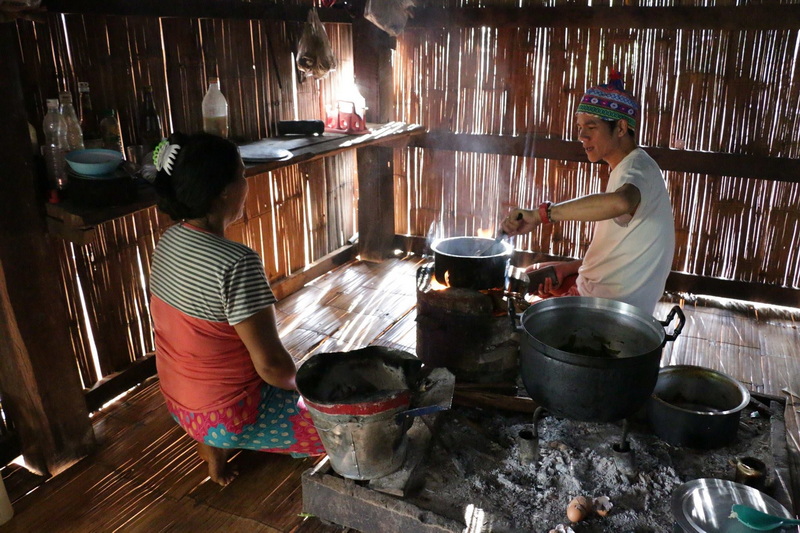
Ban Pha Mon Village belongs within this wider setting. A visit can encourage a slower rhythm, with attention given to the relationship between settlement, fields, woodland, and mountain terrain. Rather than measuring the village only by the number of formal attractions, visitors can appreciate its role as a place where regional travel becomes more grounded and locally connected.
Cave and Village Context Near Ban Pha Mon
Two nearby destinations help place Ban Pha Mon within the natural and cultural geography of Pang Mapha. They are valuable not as items to rush through, but as complementary experiences that reveal different sides of the same mountain region.
Tham Lod Cave
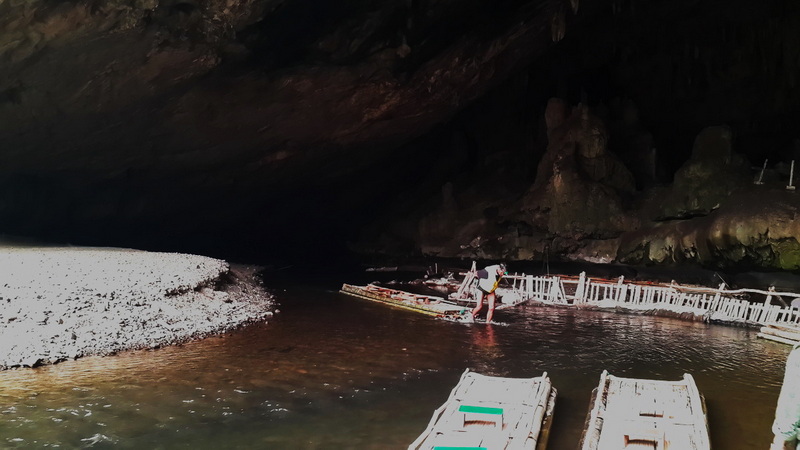
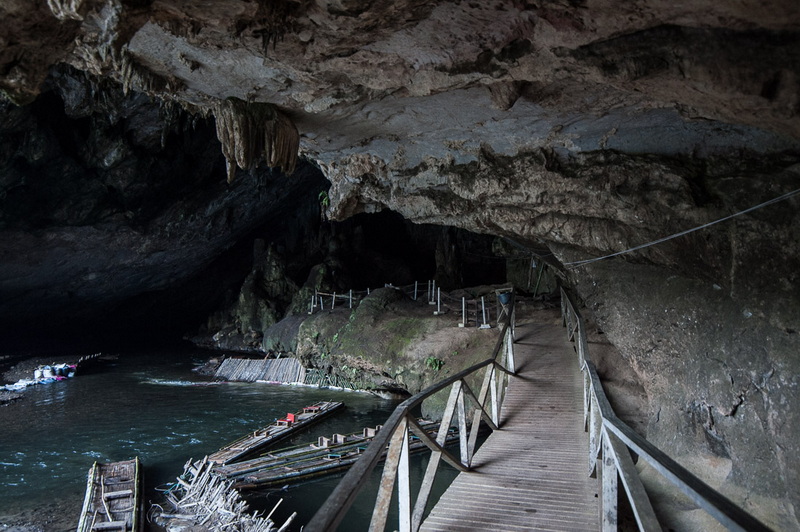
Tham Lod Cave is one of the most recognizable natural sites in the Pang Mapha area. Its limestone chambers and underground passages have been shaped by water over long periods, creating a setting that is both geological and atmospheric. The cave is associated with a watercourse passing through the landscape, so the relationship between rock, river, and changing light is central to its character.
A visit calls for care around slippery surfaces, low ceilings, uneven ground, and darkness. Follow local guidance and any access arrangements in place at the time rather than treating the cave as an ordinary walk. Combining Tham Lod Cave with Ban Pha Mon can create a useful contrast between underground geology and a living mountain settlement.
Ban Mae Lana
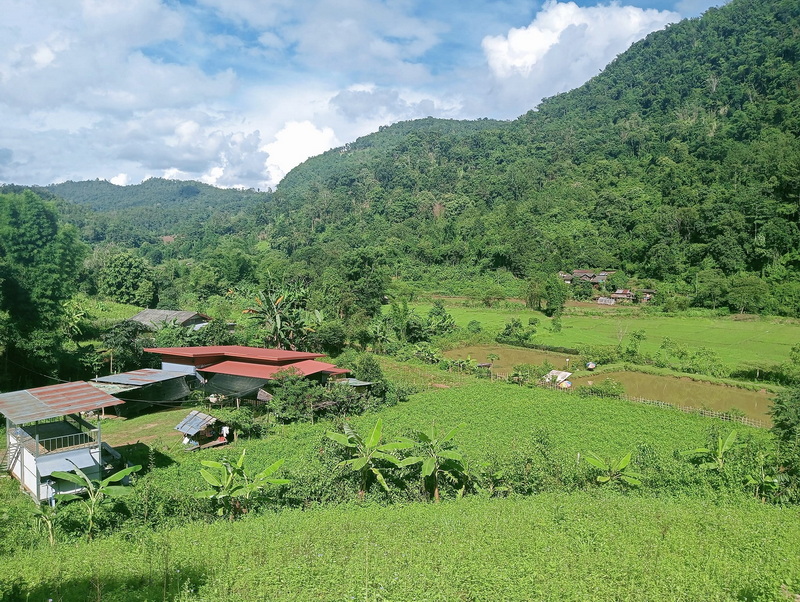
Ban Mae Lana offers another way to understand the rural character of Pang Mapha. The surrounding area is associated with mountain scenery, community life, and routes through a landscape where natural features and settlement exist close together. Its appeal is less about collecting a single landmark and more about seeing how a village fits into the broader geography of the district.
Visitors should approach Ban Mae Lana with the same courtesy expected in Ban Pha Mon: keep noise low, ask before taking photographs, respect homes and farmland, and follow local advice about where to walk. Seen alongside Ban Pha Mon, the village provides a wider view of community-based travel and the varied textures of Mae Hong Son’s countryside.
Two Nearby Places That Broaden the Picture
Ban Pha Mon makes most sense as part of a linked regional outing. Nearby sites add geological and cultural depth, while the contrast between a village setting and larger natural formations helps explain why Pang Mapha attracts walkers, cave explorers, and travelers seeking a less urban northern Thailand experience.
How Pai Trekking Tours Relate to Ban Pha Mon
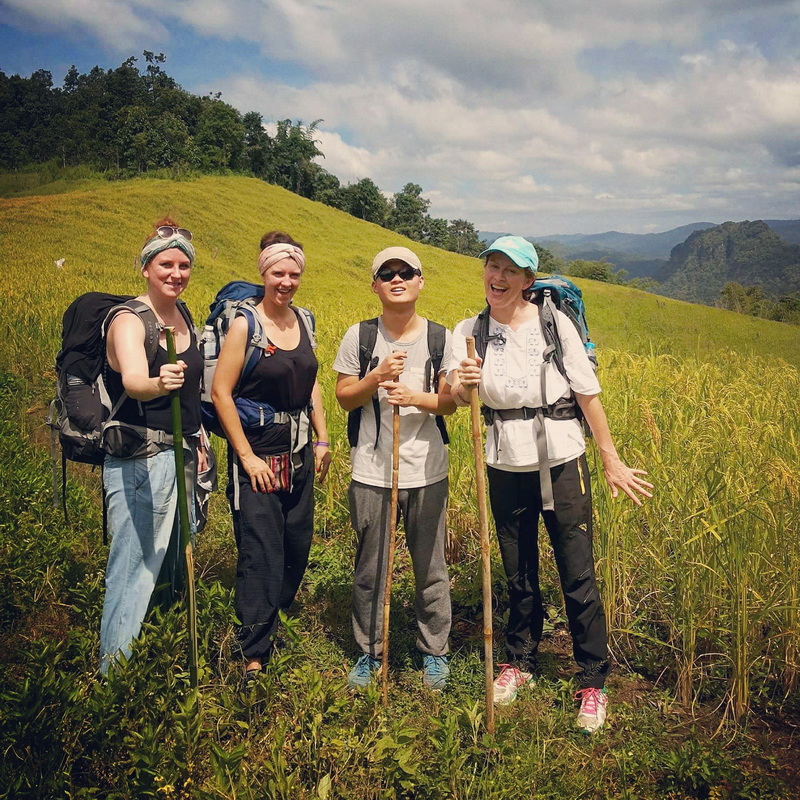
Pai is widely used as a starting point for exploring northern mountain scenery, and Pai Trekking Tours Mae Hong Son may include countryside walks, forest routes, village areas, or visits to natural features depending on the organizer and current conditions. The important connection is geographical and experiential rather than a claim that every tour visits Ban Pha Mon. Travelers should confirm the actual route, walking length, community visits, and level of support before choosing an excursion.
Ban Pha Mon can serve as a useful reference point when thinking about trekking across the Pai and Pang Mapha region. Walking here is not simply about reaching a destination; it can reveal changes in elevation, vegetation, farmland, rock formations, and settlement patterns. A guided route may also help visitors understand local place names and customs, while an independent visit requires more preparation and sensitivity to private land and community routines.
Trekking in Mae Hong Son is often best approached with realistic expectations. Mountain paths can be uneven, weather can affect ground conditions, and the apparent distance between places may be misleading in hilly terrain. Suitable footwear, water, sun protection, a light rain layer, and enough time for pauses are sensible basics. Visitors should avoid leaving marked or agreed routes without local knowledge and should never assume that a quiet path is available for unrestricted access.
The strongest trekking experience is usually one that leaves a small footprint. Staying on appropriate paths, carrying waste out, keeping noise low, and asking before photographing people or homes are simple ways to show respect. If a route passes through a village or cultivated area, travelers should remember that residents are welcoming people in their own home, not scenery arranged for visitors.
What Makes Ban Pha Mon Worth Noticing
Ban Pha Mon Village offers a chance to appreciate community life within the mountains of Mae Hong Son. The village should not be presented as a staged cultural display. It is a living place, and its importance lies in the everyday connection between residents, local livelihoods, surrounding land, and regional traditions. A considerate visit may involve observing quietly, using local services where appropriate, and following guidance from residents or responsible local hosts.
Names for the area may vary in travel references, including Ban Pha Mon Mae Hong Son, Ban Phamon, and Ban Huai Pha Mon. These variations can be useful when checking maps or discussing a route, but the central point remains the same: visitors should verify the exact destination and access arrangements rather than relying on a familiar name alone. Rural place names may be transliterated in several ways, especially when Thai names are written in English.
The village also adds balance to a trekking itinerary. After time on a forest or mountain path, travelers can pay attention to quieter details such as building patterns, cultivated slopes, household activity, and the way roads connect communities. These observations are more meaningful when made without assumptions about ethnicity or rural life. Cultural interest should be based on listening and respect, not on treating residents as unusual or picturesque subjects.
For photographers, consent matters particularly when people, children, homes, ceremonies, or work are involved. A landscape photograph taken from a suitable public place is different from entering private space or recording someone at close range. Learning a few polite Thai expressions, dressing practically and respectfully, and accepting a refusal without argument can make a visit more comfortable for everyone.
Building a Thoughtful Regional Visit
A flexible plan works well in Pang Mapha because the area is defined by dispersed places rather than one compact attraction zone. Consider grouping Ban Pha Mon with one or two nearby sites instead of trying to cover every possible stop in a rushed day. Allow time for weather changes, rest, food, and unplanned pauses. The journey may involve winding roads and hilly terrain, so a schedule that looks efficient on paper can feel demanding in practice.
Before setting out, check current local conditions, route suitability, weather, and whether a guide or community contact is appropriate for the intended walk. Operational details can change, and information from an old travel account may no longer apply. It is also wise to clarify what is included in any organized trek, particularly transport, meals, walking difficulty, language support, and the policy for visiting villages or private areas.
The best preparation is not only logistical. Think about the kind of visitor you want to be. Choose experiences that treat local communities as partners rather than attractions, avoid promises of guaranteed wildlife sightings, and use refillable water containers where practical. Keep valuables secure, protect yourself from sun and insects, and tell a trusted person about your general route when walking in a rural area.
A regional perspective also helps travelers make responsible choices about time and money. Supporting locally run food services, guides, craft producers, or other legitimate community businesses can direct benefits toward residents, but visitors should not assume that every person wants to sell an experience. Courtesy, clear consent, and modest expectations matter as much as the itinerary.
A More Complete View of Pang Mapha
Ban Pha Mon is most rewarding when approached as part of a wider Mae Hong Son journey. The village, nearby cave landscapes, trekking possibilities, and surrounding communities each contribute a different perspective on Pang Mapha. With realistic planning and respectful behavior, travelers can enjoy the area without reducing it to a checklist of sights. Leave room for observation, listen to local guidance, and allow the mountains and villages to shape the pace of the visit.
