Pong Dueat Hot Spring and Regional Day Trip Ideas
A practical look at park features, surrounding nature, and planning a longer journey toward Mae Hong Son
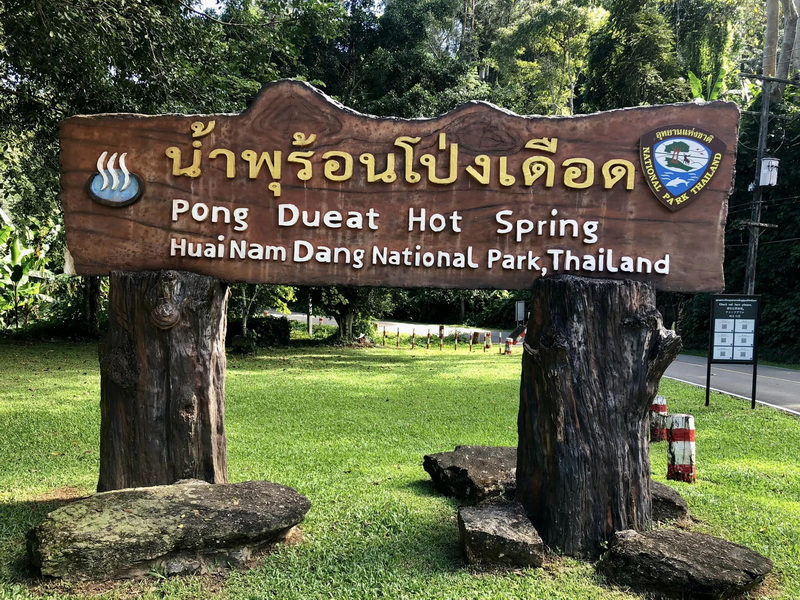
Pong Dueat Hot Spring is a useful starting point for understanding the northern landscape beyond Chiang Mai city. Set in Mae Taeng District, the attraction combines geothermal features with a forested park environment, making it more than a quick stop beside a road. Visitors can spend time observing the hot water, walking through the surrounding grounds, and considering how the site fits into a wider journey toward Pai or Mae Hong Son. Often presented as a Chiang Mai Hot Spring Park, the area is best approached with realistic expectations. It is a natural attraction with developed visitor facilities, but it is not an urban spa complex or a substitute for a carefully planned mountain itinerary. The experience depends on weather, road conditions, available facilities, and how much time is reserved for walking and quiet observation. This guide first explains what to expect at the spring, then places the attraction within a broader Mae Hong Son travel plan. Huai Nam Dang National Park and Mok Fa Waterfall also help show why this part of northern Thailand works well for travelers who prefer linking natural landscapes rather than visiting one destination in isolation.
Understanding the hot spring park setting
Pong Dueat Hot Spring sits in a green upland environment where geothermal activity appears through hot pools, steaming water, and the distinctive force of the main vent. The feature commonly known as the Pong Dueat Geyser gives the site its visual character. Rather than imagining a single pool designed only for bathing, visitors should think of the attraction as a small nature park organized around an active thermal landscape.
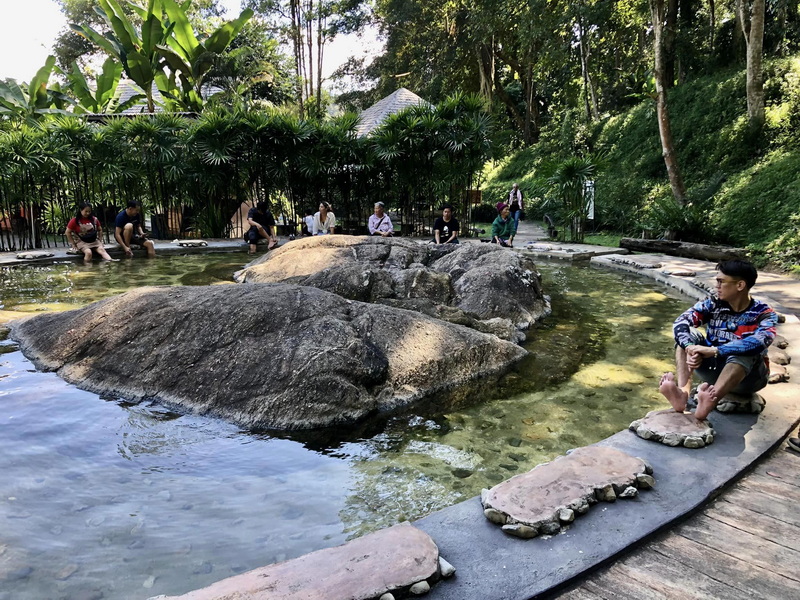
The hot water is associated with underground heat and mineral content, but it is wise to enjoy those qualities without treating the spring as a medical treatment. Water temperatures and conditions can vary, and the hottest areas are intended for viewing rather than entering. Signs, barriers, and staff guidance should take priority over photographs or assumptions based on other hot springs in Thailand.
Paths through the grounds provide a chance to see the thermal features from different angles and to notice the contrast between warm water, damp vegetation, and the cooler forest outside the geothermal zone. The setting can be especially appealing to visitors who want a short nature walk alongside a distinctive geological sight. Comfortable shoes, drinking water, sun protection, and insect awareness make the visit easier, particularly during a longer day on the road.
The name may appear in several forms, including Pong Dueat Pa Pae and Pa Pae Hot Spring. These references point travelers toward the same general attraction in Mae Taeng District. Checking current local information before departure remains sensible because access arrangements, maintenance, weather, and facility use can change.
Two Natural Stops Along the Regional Route
The spring becomes more meaningful when viewed as one stop within a landscape of forests, mountain roads, and waterfalls. If the schedule allows, nearby nature sites can add variety without changing the trip into a rushed checklist.
Huai Nam Dang National Park
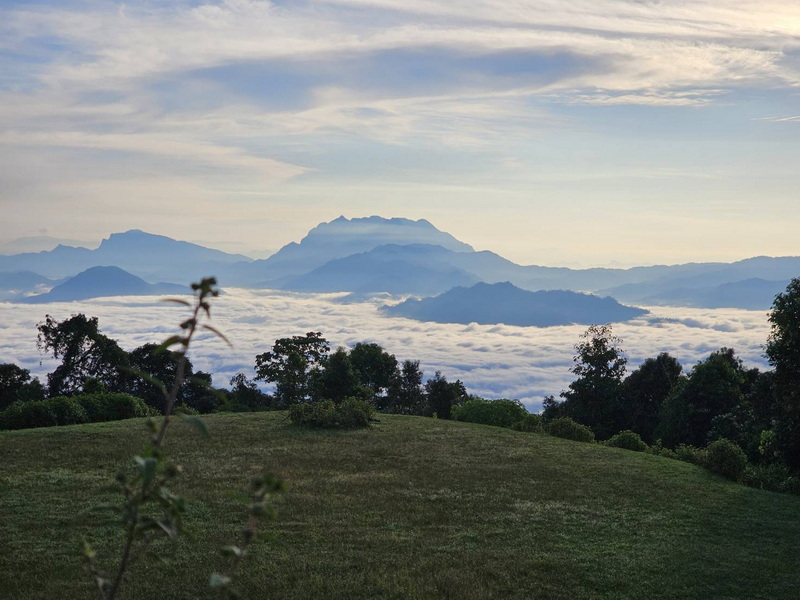
Huai Nam Dang National Park is a strong regional companion for travelers continuing toward the mountain districts beyond Mae Taeng. The park is known for elevated forest landscapes and scenic viewpoints, with conditions that can change noticeably by season and time of day. Mornings may bring cloud, mist, or cooler air, but exact visibility should never be guaranteed.
The park is better approached as a substantial nature stop than as a quick photo break. Roads can be winding, and viewpoints or trails may require additional time from the main route. Check current park information, weather, and access conditions before including it in the same day as the hot spring. Its value lies in the broader mountain environment, which contrasts with the concentrated geothermal activity at Pong Dueat.
Mok Fa Waterfall
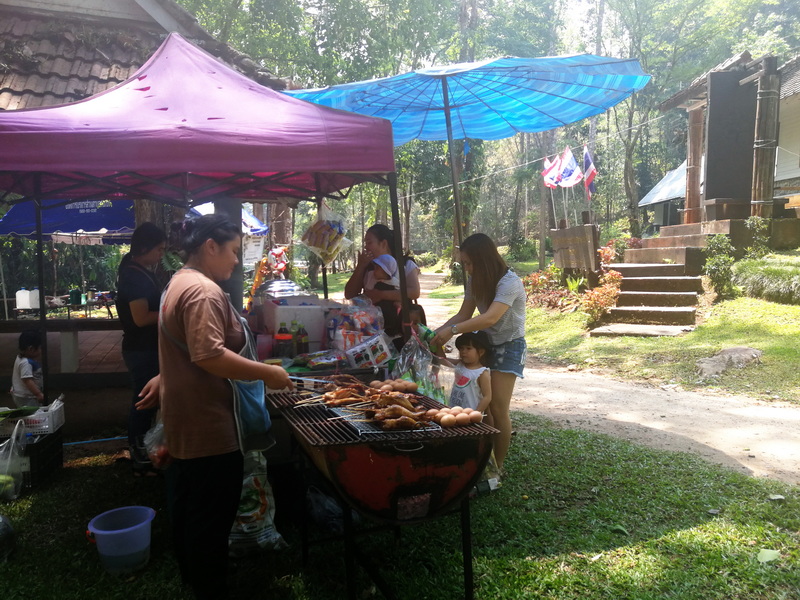
Mok Fa Waterfall offers a different natural focus: flowing water, shaded surroundings, and a walk that complements the hot spring's thermal landscape. The waterfall is associated with the Mae Taeng area and can fit into a route for visitors who want to compare two forms of water shaped by the forest—one emerging warm from underground and the other moving through a stream and cascade.
Conditions at a waterfall change with rainfall, season, and recent weather. Paths may be damp, and rocks near water should be treated carefully. Visitors should follow local guidance, avoid unsafe edges, and leave the area clean. Combining Mok Fa Waterfall with the spring is possible in principle, but the sensible order and timing depend on road conditions and the rest of the day's route.
Two natural extensions before continuing west
The spring becomes more meaningful when viewed as one stop within a landscape of forests, mountain roads, and waterfalls. If the schedule allows, nearby nature sites can add variety without changing the trip into a rushed checklist. The two places below are best treated as separate planning choices, since each needs time for its own setting and visitor experience.
How to think about a Mae Hong Son day trip from Chiang Mai
A Mae Hong Son Day Trip From Chiang Mai sounds simple in a search box, but the geography requires careful judgment. Mae Hong Son lies well beyond the immediate Chiang Mai area, and the route crosses winding mountain roads. A direct out-and-back plan can involve a very long day, leaving little time to stop at viewpoints, villages, parks, or other places of interest. For many travelers, an overnight journey is more comfortable and allows the region to be experienced at a steadier pace.
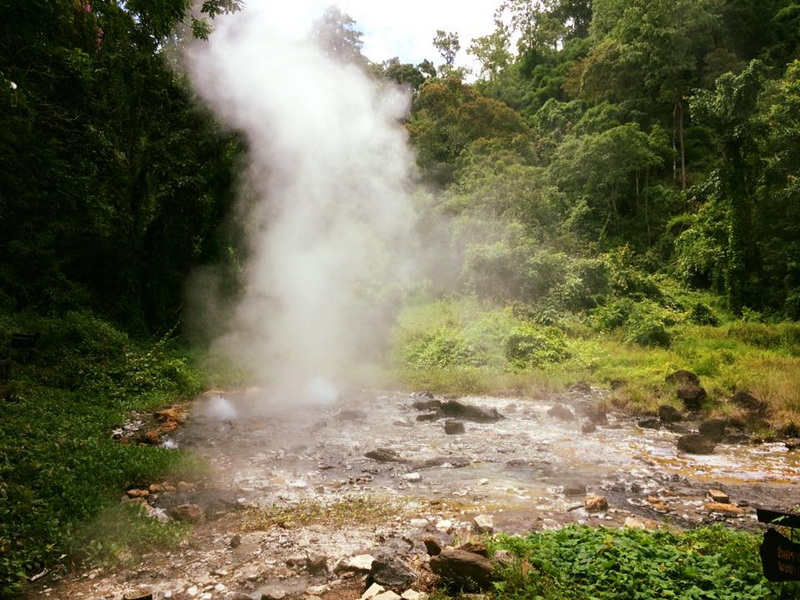
Pong Dueat Pa Pae Hot Spring is more naturally suited to an itinerary traveling north or northwest from Chiang Mai than to a rushed attempt to reach Mae Hong Son and return on the same day. It can work as an early or intermediate stop on a multi-day route, depending on the chosen road and the driver's plan. Travelers should examine the entire route rather than judging feasibility by map distance alone; mountain roads may take longer than expected, and weather can affect driving conditions.
For a day trip, define the main purpose before leaving. If the priority is seeing a thermal attraction and a little northern scenery, concentrating on Mae Taeng and selected nearby sites may provide a more relaxed experience. If the priority is reaching Mae Hong Son town, the spring may be better reserved for a separate journey. Combining too many major stops often turns a scenic route into a timetable exercise.
Transport choice also shapes the day. A private car or driver allows more control over pauses, while a shared or organized tour may simplify navigation but follow a fixed itinerary. Anyone driving independently should be comfortable with bends, elevation changes, and limited flexibility in remote areas. Start times, entrance arrangements, and road conditions should be confirmed locally rather than assumed from an old online itinerary.
A broader route can connect Chiang Mai with the Pa Pae area, Pai, and Mae Hong Son, but this is regional travel rather than a quick city excursion. Build in breaks, carry water and basic supplies, and avoid driving when tired. Respecting the pace of the road is part of enjoying the mountains.
Planning a thoughtful visit to Pong Dueat
A visit to Pong Dueat Pa Pae Hot Spring Chiang Mai travelers can plan comfortably begins with a modest time budget. Allow enough time to reach the thermal area, walk the paths, read signs, and pause at viewpoints instead of treating the attraction as a photograph taken from the entrance. The grounds may feel most rewarding to visitors who are interested in geology and forest scenery, not only in soaking.
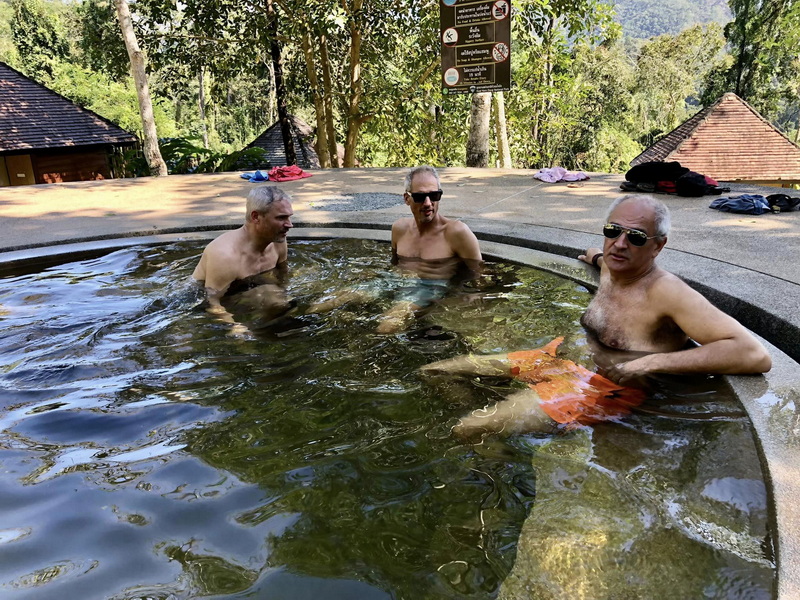
Bathing arrangements can differ from one hot spring to another, so do not assume that every visible pool is suitable for swimming. If bathing facilities are available, follow posted instructions and observe any restrictions. Test conditions cautiously, keep children away from hot water, and never cross barriers to reach a more dramatic-looking vent. The natural feature is valuable precisely because it remains an active part of the landscape.
Morning departures are often useful for a road-based itinerary because they leave room for unplanned pauses and changing weather. However, there is no universal best time for every visitor. A cloudy day may make walking more comfortable, while wet conditions can make paths and mountain roads more slippery. Check local forecasts and current access information before setting out.
The attraction is also a place to practice low-impact travel. Stay on marked paths, avoid touching thermal formations, carry rubbish out when bins are not available, and keep noise reasonable. Do not collect stones, plants, or other natural material. These simple choices protect the site and help preserve the experience for people who arrive after you.
For visitors comparing the area with other hot springs around Chiang Mai, the main distinction is its combination of geothermal activity and a forest setting. It is not necessary to rank every spring to appreciate this one. Consider the route, the amount of walking desired, the group's tolerance for mountain travel, and whether the visit supports a wider northern itinerary.
Choosing the Right Pace for the Mountains
Pong Dueat Hot Spring rewards a measured visit: observe the geothermal features, walk the park, and let the setting guide the pace. It can serve as a memorable Mae Taeng stop or as part of a longer route toward Pai and Mae Hong Son, but it should not be squeezed into an unrealistic schedule. With current access information, sensible road planning, and respect for the thermal landscape, the spring and its surrounding natural attractions offer a clear introduction to northern Thailand's varied terrain.
