Day Trip Attractions in Mae Hong Son Including Ban La-Up
A relaxed highland visit combining village landscapes, respectful cultural encounters, and nearby natural sights
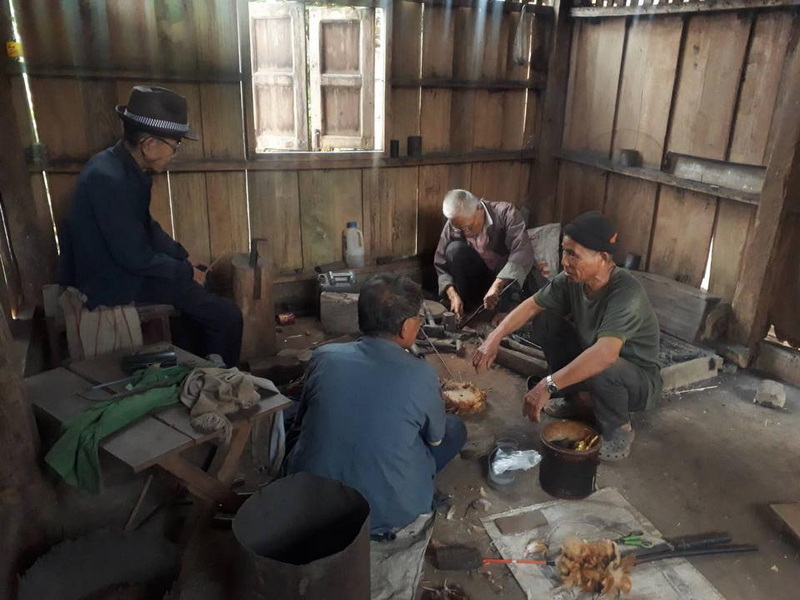
A day in the Mae Hong Son highlands is less about rushing between famous viewpoints and more about noticing how landscapes, communities, and roads fit together. Ban La-Up, in Mae La Noi District, offers that slower perspective. The village is a useful destination for travelers who want to see a rural side of the province while allowing time for observation rather than treating local life as a performance. For visitors planning a Mae Hong Son Day Trip From Chiang Mai, the destination requires realistic expectations. The journey into Mae Hong Son Province is a substantial road trip, so Ban La-Up works best when approached as one meaningful stop within a carefully paced day, not as a quick excursion with many unrelated stops. Its appeal lies in hillside scenery, community surroundings, and the chance to experience a quieter atmosphere away from busy tourist centers. This overview places Ban La-Up in the wider collection of Attractions in Mae Hong Son and considers what a visitor may genuinely enjoy there. It also explains how Kaew Komol Cave and Huai Hom Karen Village can add different perspectives to the same regional outing, while keeping the focus on respectful travel and a manageable sightseeing rhythm.
Why Ban La-Up Suits a Slower Day Trip
Ban La-Up is located in Mae La Noi District, an area known for mountain roads, folded hills, and rural communities spread across northern Thailand's uplands. The setting immediately changes the character of a visit. Instead of arriving at a single urban landmark, visitors travel through a landscape where bends in the road reveal cultivated slopes, forested ridges, and open views between settlements. The destination feels connected to its surroundings rather than separated from them.
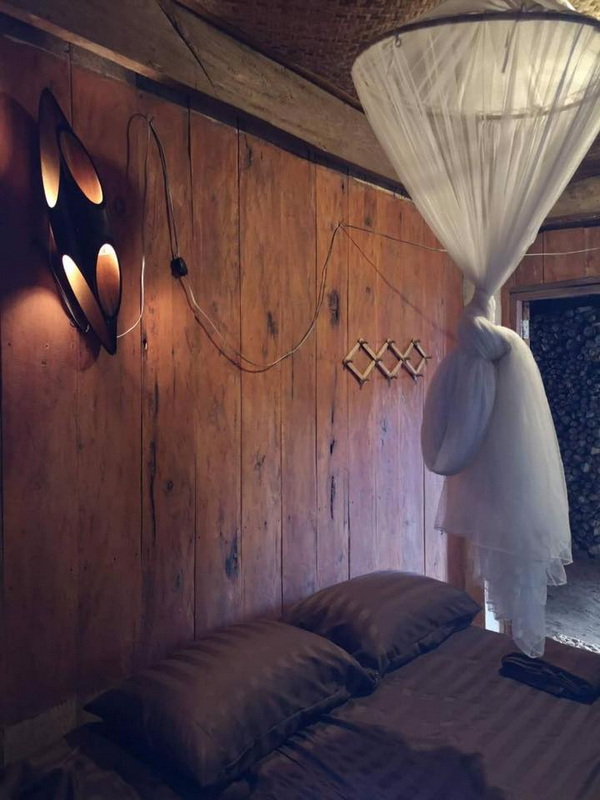
That setting makes Ban La-Up appealing for travelers who value atmosphere over a long checklist. A visit can include time to look across the hills, notice local buildings and gardens, and understand that the village is a lived-in community first and a visitor destination second. The most rewarding experience may be a quiet walk, a conversation arranged appropriately through a local host, or a pause to appreciate the landscape. None of these requires turning daily life into a show.
The village is also suitable for a day-trip plan because it provides a distinct sense of place. Travelers can contrast the cool, elevated rural environment with the busier roads and commercial areas encountered elsewhere in the region. Ban La-Up is sometimes written in travel materials as Baan La-Up or Ban La-Up Mae Hong Son, but the important point is its location and character: a community destination in Mae La Noi District where scenery and local context are closely connected.
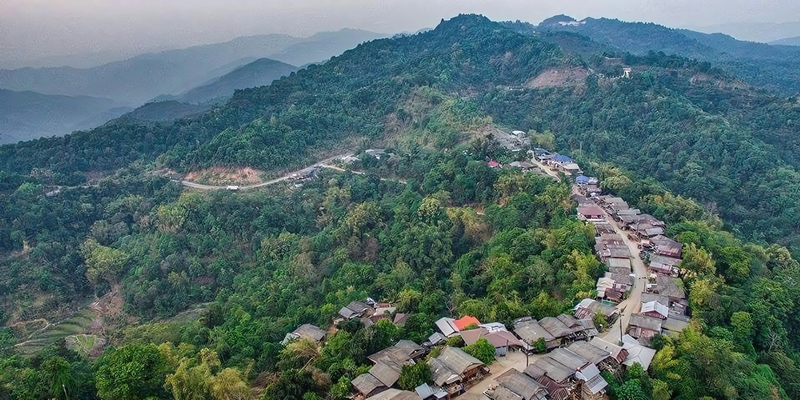
A practical plan should allow flexibility. Mountain travel can take longer than a map suggests, and weather may affect road conditions or visibility. Visitors should avoid building the day around an exact number of stops. Leaving room for breaks, careful driving, and unhurried observation usually creates a better experience than trying to collect every possible sight.
Two Complementary Stops in the Mae La Noi Area
Ban La-Up is strongest when given enough time to settle into its highland atmosphere. Once that experience has had room to breathe, two nearby destinations can broaden the day without turning it into a rushed collection of stops.
Kaew Komol Cave
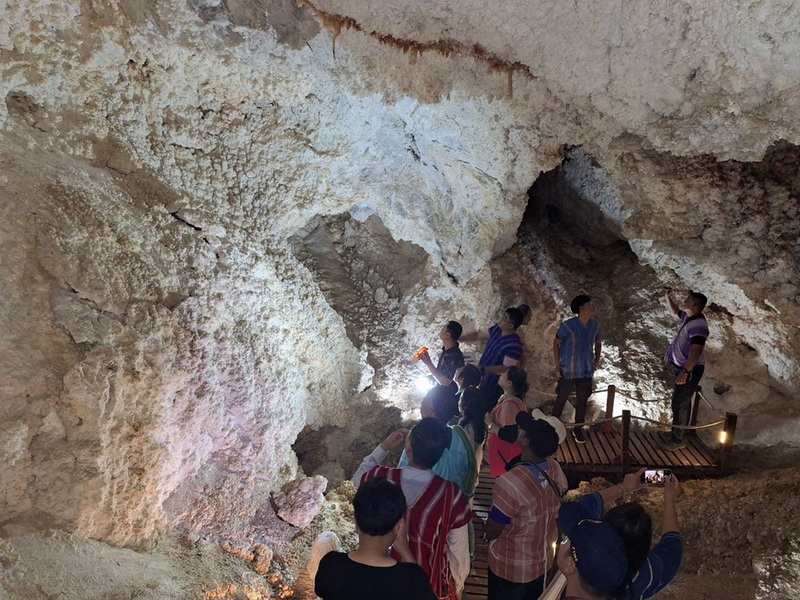
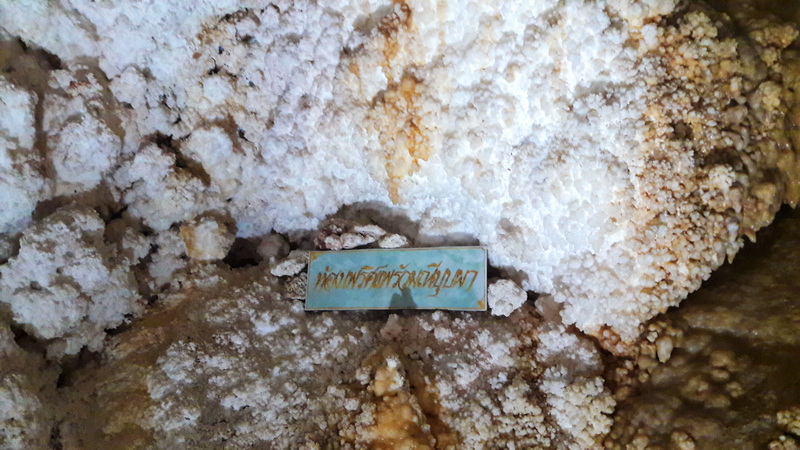
Kaew Komol Cave adds a striking natural dimension to a day centered on Ban La-Up. The cave is known for its distinctive calcite formations, giving visitors an opportunity to see how geological processes have shaped the region beneath the surface. Its atmosphere is very different from the open hillside views around the village, so the two places complement one another: one encourages attention to community and landscape, while the other focuses the eye on rock, mineral texture, and underground space.
Visitors should follow local rules inside and around the cave, including guidance about walking routes, photography, and preservation. Cave formations are delicate and should never be touched or damaged. Because conditions and access arrangements may change, checking current information before traveling is sensible. For a day-trip planner, Kaew Komol Cave works best as a contrasting stop rather than a reason to hurry through Ban La-Up.
Huai Hom Karen Village
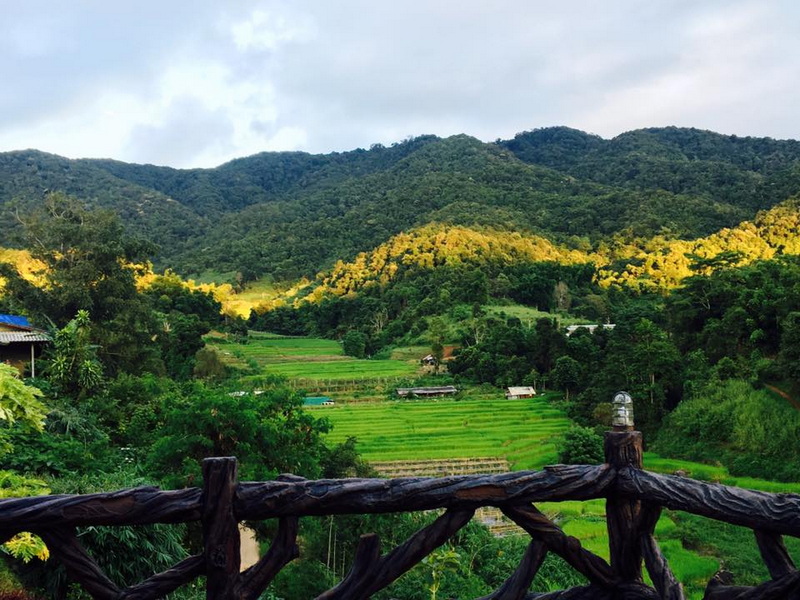
Huai Hom Karen Village offers another community-based perspective within the Mae Hong Son highlands. A visit should be approached as an encounter with a living Karen community, not as a staged cultural display. Travelers may learn about local surroundings, livelihoods, and community products when these experiences are offered through appropriate local channels. The quality of the visit depends on listening and respecting boundaries as much as on what can be seen.
Placed alongside Ban La-Up, Huai Hom can help travelers understand that rural Mae Hong Son contains varied communities and experiences. The two destinations should not be treated as interchangeable, and visitors should avoid making sweeping comparisons about identity or tradition. Ask permission before taking photographs, purchase goods fairly when available, and remember that residents retain the right to privacy. This respectful approach makes the regional journey more thoughtful and less extractive.
Reading the Landscape and Community
The visitor experience at Ban La-Up begins before arrival. The approach through Mae La Noi District gives a sense of how geography shapes settlement and work. Hills limit broad urban development, while valleys and slopes provide spaces for homes, gardens, and agricultural activity. From a visitor's perspective, these details turn the drive into part of the attraction rather than merely a transfer between points.
Once there, travelers should look for small-scale experiences instead of dramatic entertainment. Depending on local conditions and what the community makes available, visitors may encounter locally produced goods, agricultural surroundings, or views across the highlands. Availability should never be assumed, and responsible travelers ask before taking photographs, entering private areas, or purchasing anything. Supporting community livelihoods is most helpful when it follows local choice and fair, transparent interaction.
Ban Lao-Up can be understood as a place where cultural context matters as much as scenery. The community has its own history, routines, and relationships, and a short visit cannot explain all of them. Visitors should therefore avoid broad claims about local identity or treating traditions as unusual spectacles. Listening carefully, using a calm manner, and accepting that some places or activities are not open to visitors are simple ways to show respect.
For photographers, the surrounding hills may be more rewarding than staged images. Morning or late-afternoon light can bring out layers in the landscape, although conditions vary by season and cloud cover. A good photograph should not come at the expense of privacy. Ask permission for portraits, avoid photographing people at close range without consent, and remember that homes, religious areas, workspaces, and community activities may have different expectations.
Connecting the Village with Mae Hong Son’s Wider Appeal
Ban La-Up fits naturally into a broader view of Mae Hong Son Province. The region rewards travelers who are interested in how natural features and human landscapes overlap. A village visit can be followed by a geological attraction, a community-focused stop, or a scenic pause, giving the day more variety without losing its regional coherence. The purpose is not to visit every point on a list, but to understand several layers of the Mae La Noi area.
This is particularly relevant for people searching for a Mae Hong Son Day Trip From Chiang Mai. The distance means that the outing should be treated as a full regional travel day, with the road experience included in the plan. Travelers should consider who is joining them, how comfortable everyone is with winding mountain routes, and whether the group prefers cultural stops, scenery, or natural formations. These decisions are more useful than relying on a generic promise that one schedule suits everyone.
The broader Attractions in Mae Hong Son appeal to different kinds of visitors. Some people are drawn to caves and unusual rock formations, while others prefer village settings and conversations. Ban La-Up provides the community and highland landscape dimension. Combining it with nearby places can create a balanced day, but the order and length of each stop should remain adaptable. A respectful visit may be shorter than expected if local circumstances require it, and that is not a failure.
Travelers should also prepare for limited convenience compared with major tourist centers. Carrying drinking water, sun protection, suitable walking shoes, and any personal necessities is sensible, but visitors should avoid leaving rubbish or assuming that every stop has services. The emphasis is on preparedness without imposing unnecessary demands on the community.
Practical Judgments for a Meaningful Visit
The first planning judgment is whether the journey matches the available time and energy. From Chiang Mai, the Mae Hong Son highlands are not a casual nearby neighborhood, and a day trip can involve many hours on the road. Travelers who choose Ban La-Up should be comfortable with a long day and should value the journey itself. Those who prefer a slower pace may find the destination more satisfying when included in a wider regional plan rather than approached as a rushed return trip.
The second consideration is seasonal and daily flexibility. Mountain visibility, rainfall, road conditions, and community activity can change. It is wise to check current local conditions before setting out and to follow advice from experienced local drivers or hosts. Exact opening times, demonstrations, markets, and available visitor activities should not be assumed unless confirmed directly. This approach prevents disappointment and avoids placing pressure on residents to provide an experience on demand.
Finally, approach the village with curiosity and restraint. Learn a few polite Thai expressions, greet people appropriately, and ask before photographing or recording. If buying local products, do so because they are genuinely useful or meaningful, not simply as proof of having visited. Keep voices low in residential areas, dress practically and respectfully, and leave shared spaces as they were found. These small choices help ensure that tourism remains compatible with community dignity.
Seen this way, Ban La-Up is a good day-trip destination not because it promises constant activity, but because it offers a change of pace. It gives travelers room to observe mountain life, connect a village setting with the wider Mae Hong Son landscape, and appreciate a destination without demanding that it become something else.
Let the Highlands Set the Pace
Ban La-Up offers a gentle introduction to the rural character of Mae La Noi District and a useful counterpoint to more familiar sightseeing stops. Its value comes from the combination of mountain scenery, community context, and time to look closely rather than rush onward. With Kaew Komol Cave and Huai Hom Karen Village available as complementary experiences, the area can support a varied day while remaining grounded in local place. Plan generously, check current conditions, and visit with respect. The result is likely to be a more memorable impression of Mae Hong Son than a crowded schedule ever could provide.
