Must Visit Places in Chiang Mai with The Rubber Tree Road
A calm heritage route linking Saraphi’s trees, Lamphun’s cultural landscape, and two worthwhile nearby stops
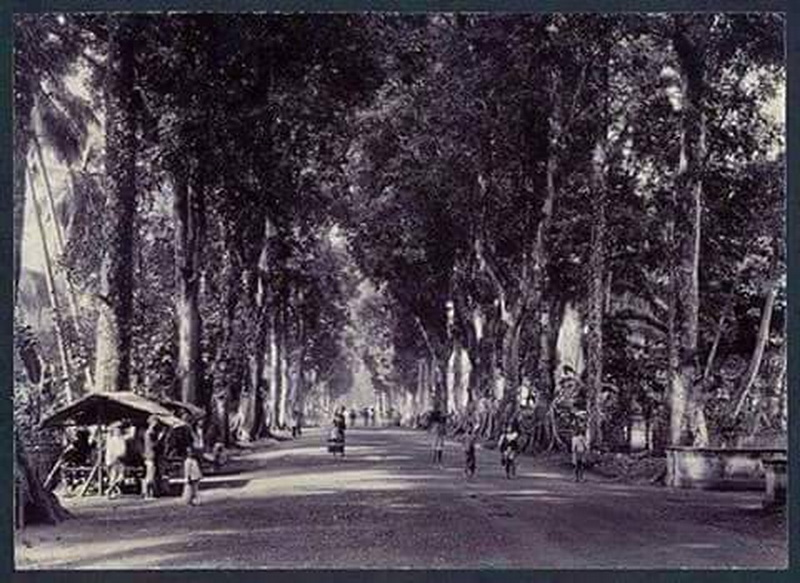
First-time visitors often begin with Chiang Mai’s famous temples and markets, yet the wider area also rewards anyone willing to follow a quieter road. The Rubber Tree Road, stretching through Saraphi District in Chiang Mai toward Mueang Lamphun District, presents a different kind of sightseeing experience. Its appeal comes from the landscape itself: a tree-lined route, a sense of regional connection, and an opportunity to observe an everyday setting beyond the busiest visitor centres. This is one of the Must Visit Places In Chiang Mai for travelers who want their itinerary to include scenery and local geography rather than only landmark interiors. The route is not best understood as a single attraction with a fixed sequence of activities. Instead, it is a distinctive corridor that can be combined with cultural sites, a relaxed meal, or a broader exploration of the Chiang Mai–Lamphun area. The most useful way to plan a visit is to treat the road as an essential highlight within a larger day of sightseeing. Nearby Wiang Kum Kam and Wat San Pa Yang Luang add historical and religious context, while a well-chosen Tour Chiang Mai may help visitors connect these places without trying to cover every major attraction in the region.
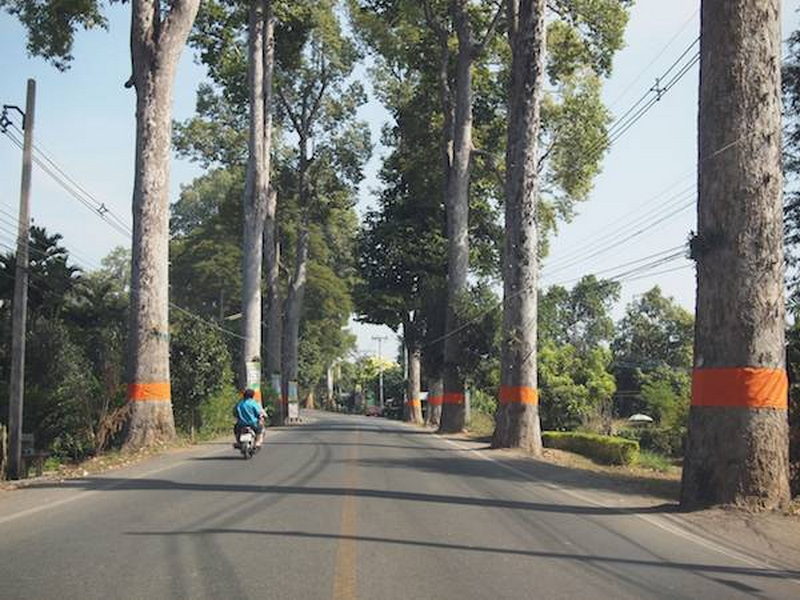
Why the road belongs on a first visit
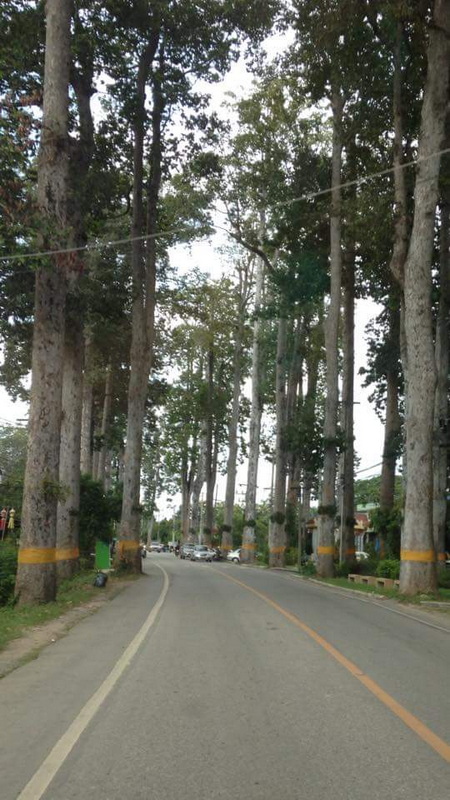
The Rubber Tree Road is notable because it changes the rhythm of sightseeing. Rather than directing attention toward one monument, it invites visitors to notice the relationship between road, trees, settlements, and the northern Thai landscape. Tall rubber trees create a strong visual identity along parts of the route, giving the journey a shaded and spacious character that contrasts with dense urban streets. For international visitors, this kind of place can be valuable precisely because it is not a conventional museum or attraction complex. The road offers a simple introduction to the geography between Chiang Mai and Lamphun, where travel has long connected communities, religious sites, and agricultural areas. The experience is observational: scenery, local movement, and the changing appearance of the route become the main points of interest. The name Old Rubber Tree Road is also useful when discussing the route’s identity, although visitors should avoid assuming that every part of the corridor looks identical or has the same present-day use. Conditions can vary along a long road, and responsible sightseeing means respecting residents, traffic, private property, and the surrounding environment.
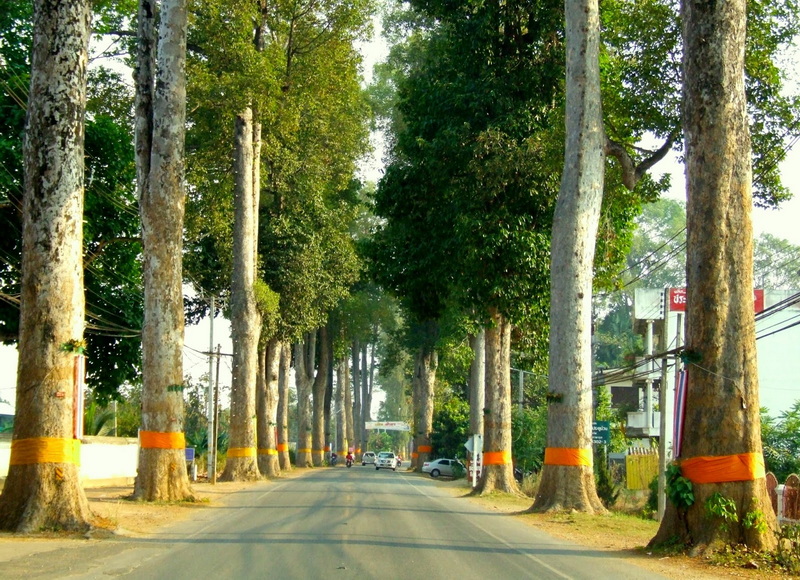
Two Cultural Stops That Complete the Picture
The road makes most sense when viewed within the broader landscape it connects. Two nearby places can extend the visit from quiet roadside scenery into the region’s archaeological and religious heritage.
Wiang Kum kam
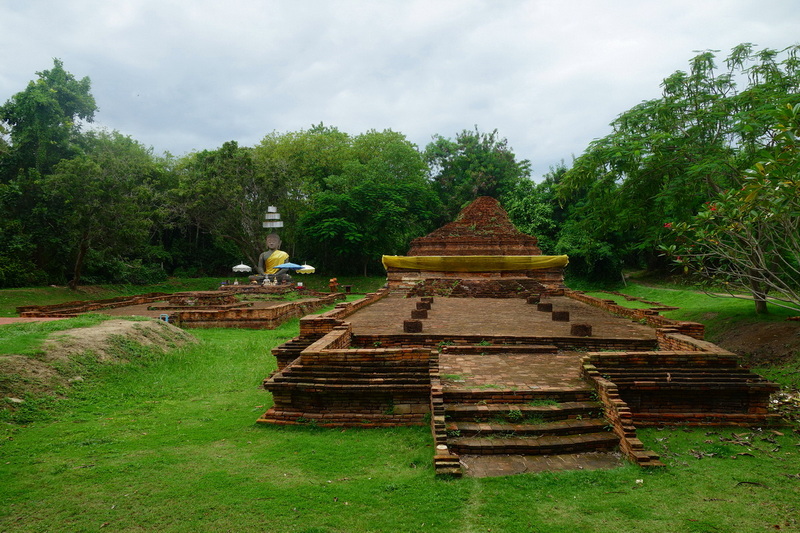
Wiang Kum Kam adds historical depth to a visit focused on landscape. The site is associated with an earlier urban settlement in the Chiang Mai area and is known for dispersed archaeological remains and religious structures across a wider local setting. Its character differs from The Rubber Tree Road: here, the visitor’s attention turns from a living route and tree canopy toward traces of the past and the ways heritage is preserved within a settled community. Including Wiang Kum Kam after the road can create a thoughtful contrast. The trees encourage observation of the present landscape, while the archaeological area invites questions about earlier settlement, movement, and regional history. Visitors should allow the site to be experienced as a heritage environment rather than rushing between remains. Respect for religious spaces and local residents is important, particularly where historic structures sit close to active neighbourhoods.
Wat San Pa Yang Luang
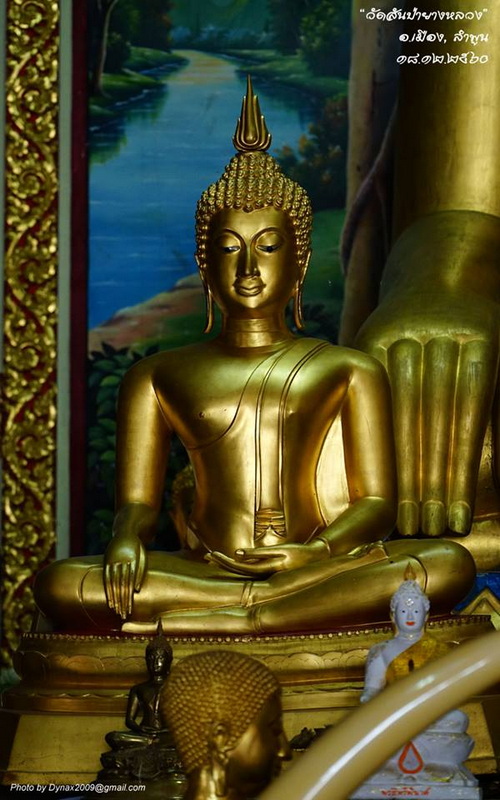
Wat San Pa Yang Luang, in Lamphun, brings the journey toward another important northern Thai cultural setting. A temple visit offers an opportunity to appreciate Buddhist architecture, religious practice, and the continuing role of temples in community life. Architectural details may be meaningful, but they should be viewed alongside the site’s living function rather than as decoration alone. This stop complements the road by giving the day a clear cultural focus. Visitors should dress and behave appropriately, follow any local requests, and be aware that worshippers may be present. The combination of a scenic route with a working temple can make a Chiang Mai–Lamphun outing feel balanced: one part is shaped by trees and geography, while the other is grounded in heritage and spiritual practice.
The essential experience along The Rubber Tree Road
A visit is best approached slowly. Look upward at the tree canopy, then outward toward the roadside landscape and the built environment beyond it. The repeated forms of the trunks and branches create a memorable visual pattern, while gaps in the trees reveal how the route fits into the surrounding districts. These details make the journey feel connected to place rather than separated from it as a purpose-built tourist stop. Photography can be part of the experience, but it should remain considerate. Safe stopping points matter more than finding a dramatic image, and visitors should never stand in traffic or block entrances. A quiet walk may be suitable in selected areas, but the road is still part of a working local environment. Observing from an appropriate place is more respectful than treating the entire route as a private photo set. The route also works well for travelers who prefer variety in a day’s itinerary. A temple visit can provide architecture and spiritual context; the tree-lined road can provide landscape and local geography. Together, they create a fuller picture of the region than a rapid succession of unrelated photo opportunities. This balance is one reason the Saraphi Old Rubber Tree Road can appeal to both independent travelers and visitors joining a guided outing.
Choosing a tour style for the Chiang Mai–Lamphun route
Travelers considering a Tour Chiang Mai should look for an itinerary that treats the road as part of a regional experience rather than promising a long list of unrelated stops. Depending on the provider and the traveler’s interests, possible formats may include a private sightseeing outing, a cultural route linking temples and historical areas, or a flexible excursion that combines countryside views with selected landmarks. Exact inclusions, timing, and transport arrangements need to be confirmed directly before booking. A guided visit can be useful for first-time visitors who want geographical context. A local guide may explain how Saraphi and Lamphun relate to Chiang Mai, point out changes in the landscape, and help distinguish public viewpoints from private areas. This is especially helpful when the road itself has no single entrance, ticketed circuit, or universal visitor routine. Independent travelers, meanwhile, may prefer to include the route as one calm section of a self-planned day. When comparing tours, ask whether the itinerary genuinely includes The Rubber Tree Road, how much time is allowed for viewing the landscape, and whether nearby temples are visited respectfully rather than treated as quick photo stops. It is also sensible to check the meeting area, accessibility expectations, weather policy, and any restrictions that may apply on the day. These practical questions build confidence without relying on unverified claims about a particular package. The route name Rubber Tree Road Chiang Mai-Lamphun describes its wider geographic character. It should not be read as a guarantee that every tour follows the same alignment or covers the whole connection between the two cities. Clear communication with a tour operator remains the best way to match the outing with personal interests.
A More Spacious Way to See Chiang Mai
The Rubber Tree Road offers a modest but memorable change of pace for visitors exploring Chiang Mai and Lamphun. Its value lies in the combination of scenery, regional geography, and the chance to notice an everyday landscape with care. Pairing the route with Wiang Kum Kam and Wat San Pa Yang Luang adds historical and cultural perspective without losing that sense of openness. Whether included in a guided excursion or planned independently, the road rewards an unhurried approach, respectful observation, and realistic expectations.
