Sights and Sightseeing Tour Packages in Chiang Rai with Choui Fong Tea Plantation
A scenic cultural guide to tea-growing landscapes, thoughtful sightseeing, and meaningful day-trip planning in northern Thailand
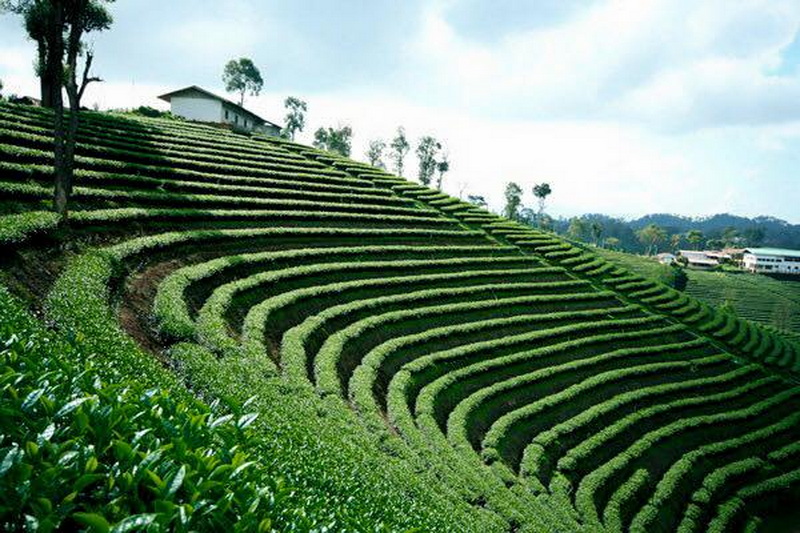
Chiang Rai is a destination where a sightseeing day can move between art, faith, farming, forest, and mountain scenery without feeling like a visit to a single type of attraction. For culture-focused travelers, the most rewarding itineraries often leave room to observe how local landscapes are lived in and worked, rather than treating every stop as a quick photograph. Choui Fong Tea Plantation in Mae Chan District offers that broader perspective. Its rolling tea fields provide a striking setting, but the value of a visit is not only visual. The plantation connects the appearance of the hills with agricultural knowledge, tea production, regional tastes, and the communities that sustain this landscape. It can therefore complement the better-known Sights in Chiang Rai while giving a sightseeing route a calmer, more rural rhythm. This guide considers how the plantation fits into a Chiang Rai sightseeing tour package, what to notice when visiting, and how nearby places can add different cultural and natural viewpoints. It focuses on informed appreciation rather than a fixed schedule, since tour routes and site conditions may vary.
Reading Chiang Rai Through Its Landscapes
The main appeal of Chiang Rai Province is the contrast between its cultural landmarks and its open northern scenery. Visitors may encounter distinctive contemporary art, temples with strong visual identities, historic communities, cultivated valleys, and forested highlands within the same wider region. These places are not interchangeable, and a thoughtful itinerary allows each one to be understood on its own terms.
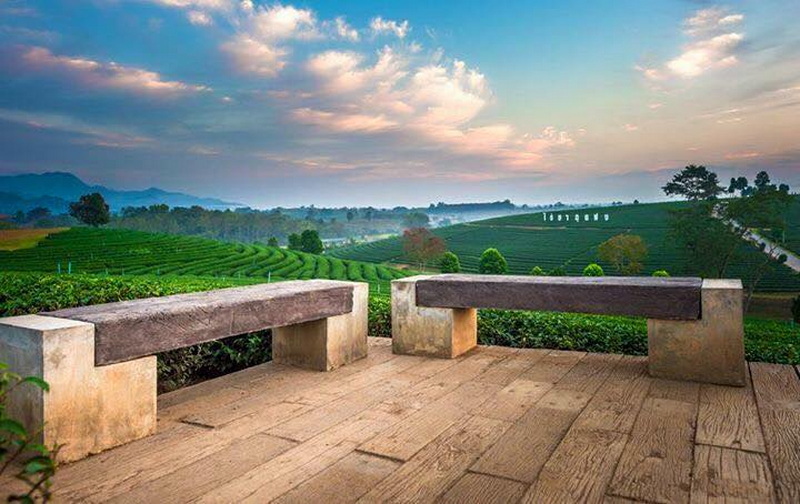
A tea plantation adds an agricultural lens to this picture. Instead of seeing the countryside as a backdrop between major attractions, travelers can pay attention to planted slopes, patterns of cultivation, changing light, and the relationship between land and livelihood. The experience is especially suitable for visitors who enjoy landscape photography, regional food traditions, or learning how familiar products begin as crops.

Choui Fong Tea Plantation is located in Mae Chan District, north of Chiang Rai city. The setting makes it a natural point of interest for a route that moves beyond the urban center. Its broad views and orderly rows of tea create a scenic environment, while the plantation context encourages visitors to think about cultivation as an ongoing practice rather than a decorative theme.
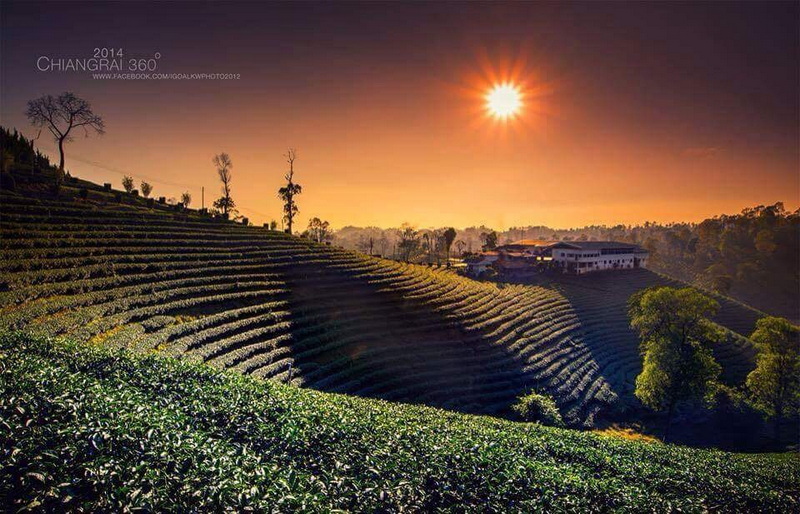
The best Sights in Chiang Rai are not necessarily the most famous ones gathered together. They are the places that give a journey variety and meaning. Pairing a tea-growing landscape with religious, artistic, or community-oriented stops can help travelers see Chiang Rai as a living region with many layers.
Adding Nature and Reflection to the Route
The tea fields establish a strong scenic and agricultural theme, but a varied itinerary benefits from contrasting settings. These two places can extend the day into natural and spiritual perspectives while keeping the focus on respectful observation.
Pa Tueng Hot Springs
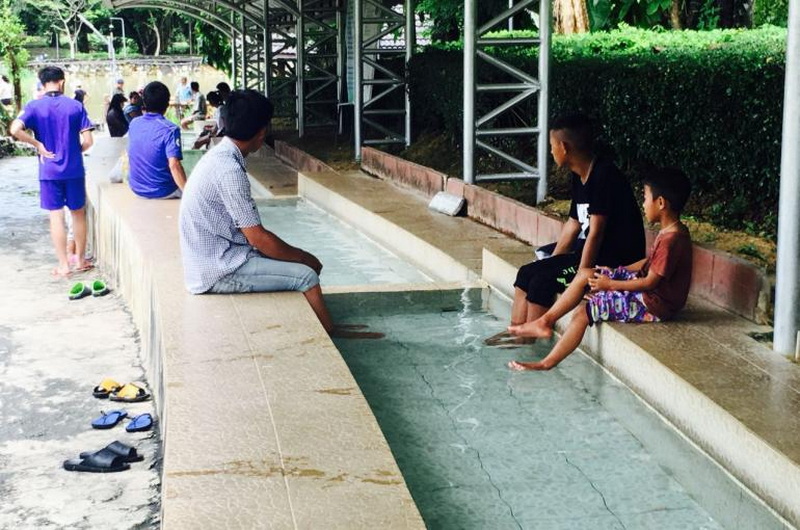
Pa Tueng Hot Springs offers a natural counterpoint to the cultivated slopes of the plantation. The site is associated with geothermal water and gives a sightseeing route a chance to consider the region’s underground forces as well as its agricultural surface. Visitors should follow local guidance about access and bathing, observe posted rules, and treat the area as a shared natural setting rather than a private facility.
Its place in an itinerary is less about adding another large landmark and more about changing the pace. After looking across patterned tea fields, travelers can notice steam, mineral textures, vegetation, and the sensory qualities of a hot-spring environment. This contrast can make a day in Mae Chan District feel more varied and grounded.
Acha Thong Forest Monastery
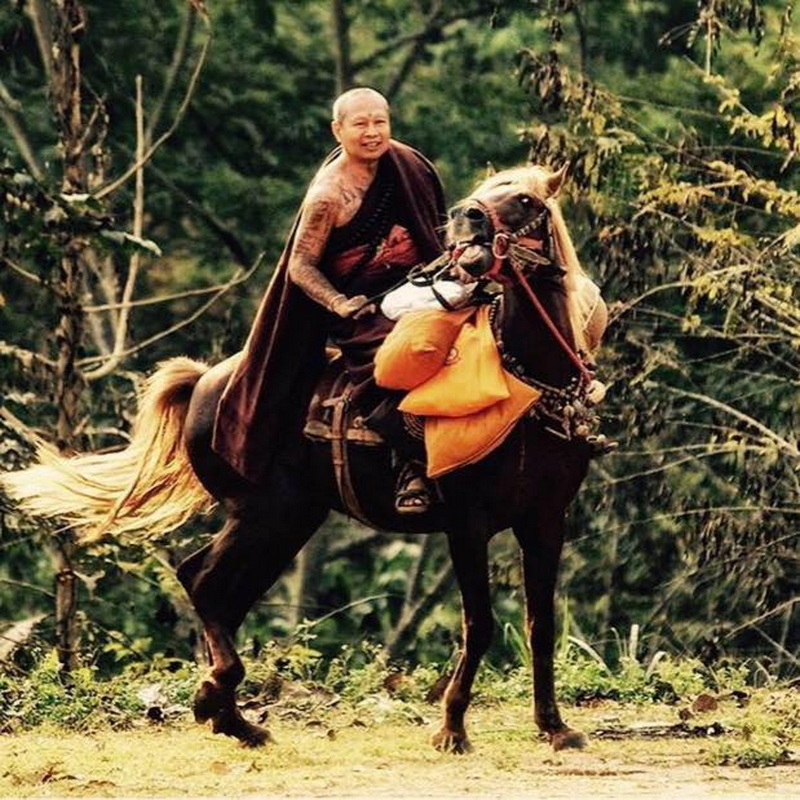
Acha Thong Forest Monastery introduces a spiritual and forest setting to the wider journey. As with any monastery, visitors should dress modestly, speak quietly, observe signs, and follow local customs around sacred spaces. The purpose of a visit is not simply to collect images, but to recognize that the monastery is a place of practice and community.
The forest environment also changes the visual language of the day. Instead of cultivated rows and open viewpoints, the experience may draw attention to shade, trees, paths, and the atmosphere of a religious retreat. Including this kind of stop alongside the plantation can help travelers appreciate that Chiang Rai’s cultural landscape includes both working countryside and places devoted to contemplation.
Two Different Perspectives Beyond the Tea Fields
A visit to the plantation can become more expressive when the wider route includes experiences with a different atmosphere. The following nearby options offer contrasts in nature and spiritual life, allowing a sightseeing plan to avoid repeating the same type of stop.
How Sightseeing Tour Packages Can Frame the Visit
A Chiang Rai Sightseeing Tour Package that includes the plantation may appeal to travelers who want a balanced day rather than a route built entirely around famous monuments. In broad terms, package itineraries can connect scenic, cultural, and natural points of interest so that the journey has a clear regional story. The exact selection of stops, time available, and order of visits should be confirmed with the tour provider before booking.
When comparing tour options, look beyond the number of attractions named in the description. Consider whether the route gives enough attention to the character of each place, whether the plantation is treated as more than a photo stop, and whether the itinerary leaves space for respectful observation. A route with fewer well-matched experiences may be more satisfying than one that tries to cover every headline attraction.
The plantation also works well in a custom sightseeing plan. Travelers interested in agriculture might give it a larger role, while art enthusiasts could use it as a quiet landscape break between cultural sites. Families or mixed-interest groups may appreciate the visual setting and the opportunity to discuss where tea comes from. These are planning possibilities, not guarantees of what any particular package includes.
For independent visitors, the same principle applies: build an itinerary around contrasts. A morning in a city or temple setting can be followed by cultivated hills, then a nearby natural or cultural experience. Allowing the landscape to change gradually makes the journey feel connected rather than like a checklist.
What to Notice at Choui Fong Tea Plantation
The first impression is often the geometry of the tea fields. Rows follow the contours of the land, creating repeating lines that shift with the slope. From a distance, the pattern can look almost graphic; closer observation reveals variation in leaf growth, shade, soil, and maintenance. Taking time to notice these details turns a scenic pause into a small lesson in cultivated landscapes.
Choui Fong Tea is also a chance to connect scenery with taste. Tea products are not separate from the fields that produce them, and sampling or purchasing, where available, can encourage visitors to think about aroma, preparation, and regional preferences. It is useful to approach these experiences with curiosity rather than assumptions, recognizing that a plantation is both a visitor setting and a working agricultural place.
The name Choui Fong Chiang Rai is often associated with photographs of green hills and carefully patterned rows, but the visual appeal should not overshadow the people and practices behind the landscape. Visitors should avoid entering planted areas unless access is clearly permitted, refrain from disturbing workers, and follow instructions around cultivation or retail areas. Respectful behavior protects the experience for residents, staff, and future guests.
Light and weather can change the character of the fields. Morning may bring softer tones, while clouds can emphasize the contours of the hills. Rather than relying on a perfect photograph, observers can watch how mist, sun, and wind alter the view. This slower approach suits the plantation’s agricultural setting and encourages appreciation of the landscape as something more than a backdrop.
A Choui Fong Tea Plantation Travel Guide should therefore include both practical awareness and cultural humility. Wear suitable footwear for uneven outdoor surfaces, carry sun protection or rain protection according to conditions, and keep waste with you until a proper disposal point is available. Most importantly, remember that the plantation represents work, land, and local enterprise as well as tourism.
Creating a More Thoughtful Chiang Rai Day
A strong route does not need to make every stop equally long or equally dramatic. Instead, it should give each place a clear role. The tea plantation can provide a visual and agricultural focus; a temple or forest setting can invite reflection; and an urban or artistic attraction can show another side of Chiang Rai’s identity. This rhythm helps travelers remain attentive instead of becoming overwhelmed by a succession of similar viewpoints.
When selecting a package, ask how the itinerary explains the places it visits. A knowledgeable guide can add context about cultivation, local geography, religious etiquette, or community life, but travelers should also remain open to observing quietly. Cultural understanding is not created by collecting facts alone. It develops through respectful attention to how people use and care for their surroundings.
Photography deserves similar consideration. The tea rows are visually compelling, yet workers and other visitors should not be treated as scenery. Ask permission before photographing identifiable people, avoid blocking paths, and do not pose in restricted planting areas. These small choices help ensure that a scenic attraction remains welcoming rather than intrusive.
The plantation can also be a useful place to discuss responsible consumption. Buying a locally produced item, when desired and available, may support the visitor economy, but purchases should be guided by genuine interest rather than pressure. Travelers can ask what a product is, how it is prepared, and how it relates to the region. That exchange creates a more meaningful memory than acquiring an object without understanding it.
Ultimately, Visit Choui Fong Tea Plantation plans are strongest when they leave room for discovery. The fields, hills, and tea culture offer a recognizable destination experience, but the surrounding route determines how deeply that experience is understood. A carefully paced day can connect scenery with agriculture and nearby cultural life without reducing any of them to a quick stop.
Let the Landscape Set the Pace
Choui Fong Tea Plantation brings an important dimension to sightseeing in Chiang Rai: it shows how beauty, agriculture, and local enterprise can occupy the same landscape. Whether included in a Chiang Rai Sightseeing Tour Package or approached as part of an independently shaped route, the visit is most rewarding when travelers look beyond photographs. Notice the land, respect the work, and allow nearby cultural and natural settings to broaden the story. That approach turns a scenic stop into a more thoughtful encounter with Chiang Rai.
