Wat Luang Khun Win Visit Formats for Chiang Mai Travelers
A practical way to match a distinctive Mae Wang temple visit with the time and interests in your Chiang Mai itinerary
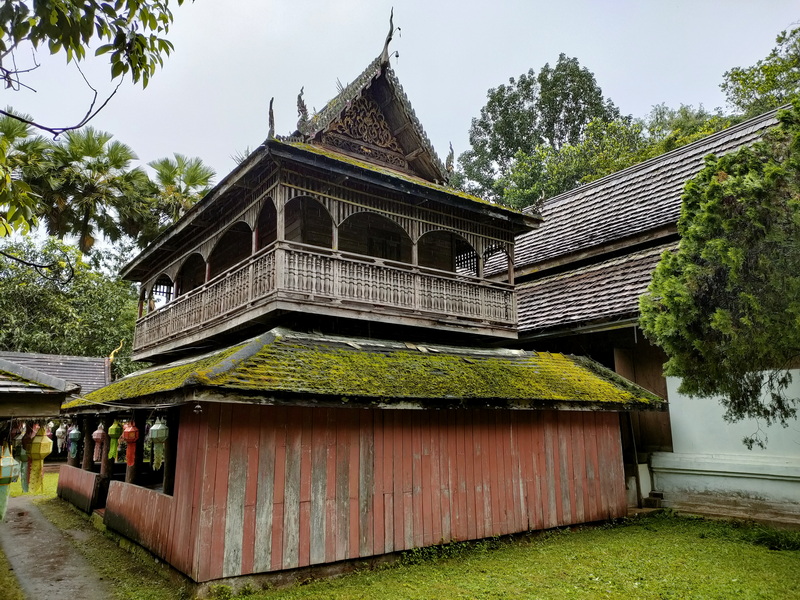
Not every temple visit needs to occupy the same place in a Chiang Mai itinerary. Some travelers want a focused cultural stop, others have a half day for an excursion, and some are building a full day around Mae Wang District. Wat Luang Khun Win works best when the format is chosen first and the surrounding activities are added with care. That makes the temple useful for visitors searching for Things To Do in Chiang Mai beyond the most familiar city stops. Its appeal comes from a combination of religious significance, traditional northern Thai character, timber architecture, and a setting that gives the visit a strong sense of place. The journey is part of the experience, but the temple itself deserves enough attention to avoid becoming a brief item between unrelated activities. This guide compares three ways to approach the destination: a temple-focused outing, a Chiang Mai half day city tour concept extended toward Mae Wang, and a fuller day that includes another countryside activity. It then explains how Bamboo Rafting In Mae Wang and Mae Wang National Park may fit into those choices. The aim is not to prescribe one perfect itinerary, but to show what each format allows a visitor to notice.
Three Visit Formats Built Around Available Time
A temple-only outing is the clearest choice for visitors whose priority is Wat Luang Khun Win itself. This format leaves room to look carefully at the religious buildings, timber craftsmanship, carved details, and the way the temple sits within its wooded surroundings. It is especially suitable for travelers who value cultural interpretation and photography of architectural features over collecting several stops in one day. The destination then has a defined purpose: one place, examined properly.
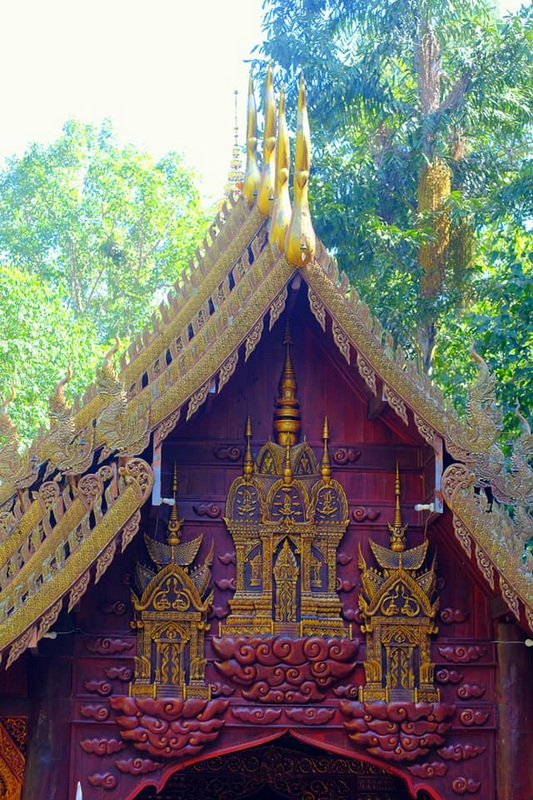
A half-day format creates a middle ground. Someone planning a Chiang Mai half day city tour may normally expect urban temples, markets, or historic streets, yet the same limited time can be directed toward a single outlying cultural destination if the group prefers a countryside excursion. The trade-off is clear: the Mae Wang visit becomes the central activity, while additional city sightseeing must remain limited. This is not a problem for travelers who would rather give one distinctive temple their attention than move rapidly between several unrelated landmarks.
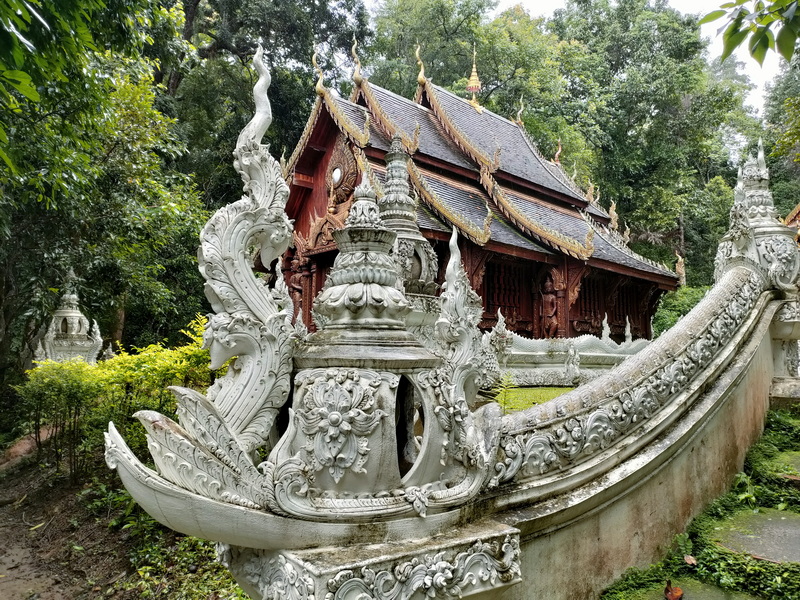
A full-day format is suitable when the temple forms one part of a wider Mae Wang plan. It allows the visit to be paired with a nature-based activity or another rural stop without forcing every element into a compressed schedule. The value of this arrangement lies in contrast within the day: the temple offers architecture and religious context, while the surrounding district can support outdoor interests. A full day should still have a central theme, however. Adding places simply because they are available can reduce the time needed to understand the temple.
Optional Additions for a Longer Mae Wang Day
Once the temple’s role has been chosen, the nearby activities help determine whether the outing stays culture-focused or expands into a full countryside day.
Bamboo Rafting In Mae Wang
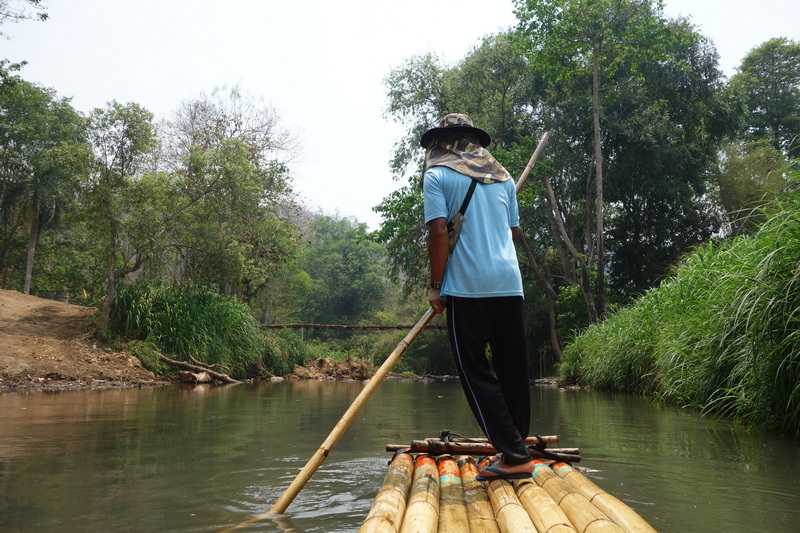
Bamboo Rafting In Mae Wang belongs in the active version of this itinerary. It can add a physical, outdoor dimension after a temple visit, but it should be treated as its own activity with its own demands. Travelers with only a short window may find that the temple provides a more complete cultural outing, while those allocating a full day can consider rafting when outdoor recreation is a central interest.
Mae Wang National Park
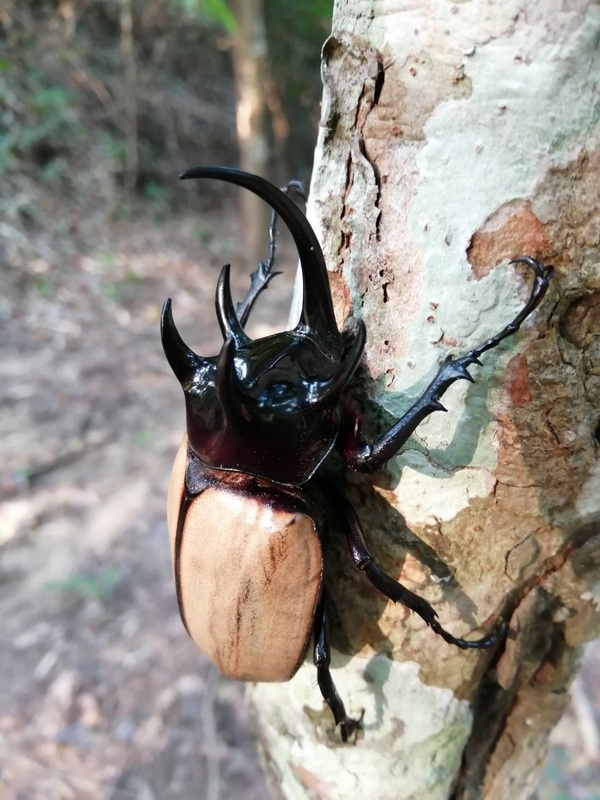
Mae Wang National Park fits a nature-led version of the day. Its presence gives visitors a way to connect the Mae Wang excursion with outdoor landscapes after spending time with architecture and religious art at the temple. It is most appropriate for plans that allow the cultural and natural parts of the outing to remain distinct, instead of reducing either one to a quick stop.
Matching Mae Wang Activities to the Temple’s Role
Bamboo Rafting In Mae Wang suits an itinerary where the temple is one component of an active countryside day. Rafting changes the pace and physical character of the outing, so it is best treated as a separate experience rather than as an extension of the temple visit. Travelers who choose this combination may appreciate the clear division between time devoted to religious architecture and time devoted to outdoor recreation. The activity should not be allowed to turn the temple into a hurried photo stop.
Mae Wang National Park offers another possible emphasis for visitors interested in natural settings and outdoor sightseeing. In a full-day plan, it can provide a nature-oriented counterpart to the cultural focus of Wat Luang Khun Win. The combination is most meaningful when each place is given its own purpose: the temple for art, belief, and architecture; the park for the character of the Mae Wang area and its natural environment.
These nearby choices are less useful for a tightly focused temple outing. If available time is limited, adding both can make the day feel dominated by movement and transitions. For a half-day plan, selecting the temple as the principal destination is usually the more coherent editorial choice. For a full-day plan, one nearby activity may provide enough additional substance; the best match depends on whether the group is more interested in active recreation or time outdoors.
Why the Journey Shapes the Day
Wat Luang Khun Win is in Mae Wang District, Chiang Mai, so its place in an itinerary is determined by geography as much as by interest. It is not an interchangeable stop in a compact central temple circuit. A plan that includes the temple should treat travel between Chiang Mai and Mae Wang as part of the day’s structure, leaving enough mental and physical space for the destination itself.
For independent visitors, the important decision is the type of day they want to create. A private vehicle or arranged transport can make a temple-focused plan easier to shape around personal interests, while a broader excursion may organize the day around several activities. The article’s practical point is simple: transport should support the chosen purpose instead of encouraging an overfilled list of stops. Exact road conditions and arrangements can vary, so travelers should establish the current practical details through their chosen transport provider before departure.
The route also affects who will enjoy the visit most. People who like architectural details, rural scenery, and cultural sites can find the journey rewarding because it leads to a destination with a clearly different setting from central Chiang Mai. Visitors seeking a rapid succession of major urban monuments may prefer to reserve their limited city time for the centre. This distinction helps prevent an otherwise interesting temple from being judged by the standards of a city sightseeing loop.
The Details That Give the Temple Its Identity
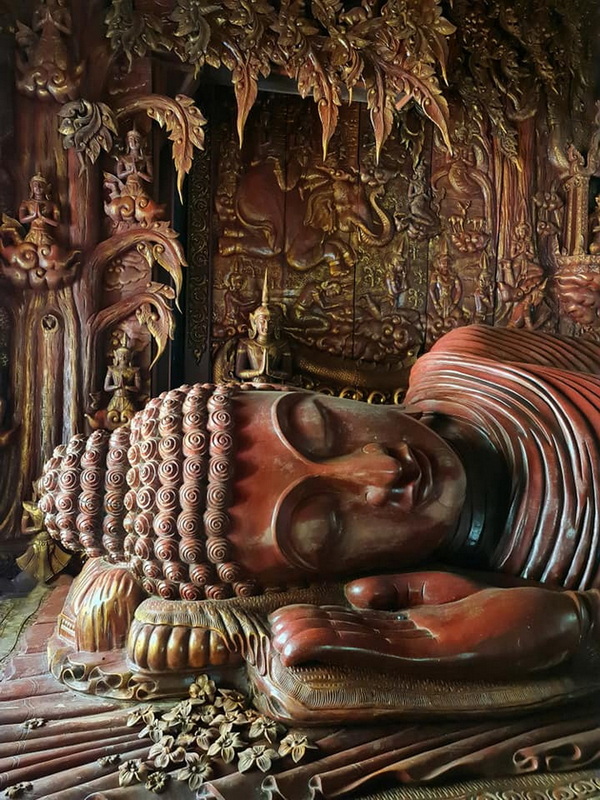
The strongest reason to include Wat Luang Khun Win among the Top Temples In Northern Thailand is not simply its name or remote position. The temple is known for traditional wooden elements and carved religious imagery that reward close attention. Timber construction gives the site a tactile quality: visitors can study joinery, surface patterns, roof forms, and the way devotional art is integrated into the buildings rather than separated as museum objects.
The site’s character is also shaped by its role as a Buddhist temple. Architectural details are not merely decorative features for a sightseeing checklist; they belong to a living religious setting. A useful visit therefore moves between looking and interpreting. Notice how buildings relate to one another, how images guide attention, and how the natural surroundings frame the sacred space. Quiet behavior, suitable clothing, and care around worship areas are ordinary expressions of respect, not special performance for visitors.
This focus on material detail makes the temple valuable for different kinds of travelers. Architecture enthusiasts can examine the woodwork, photographers can work with texture and natural light, and first-time visitors can use the buildings as an introduction to northern Thai religious design. The experience does not depend on knowing every historical detail in advance. Curiosity about craft, symbolism, and the continuing function of the temple is enough to make the visit substantial.
For people comparing the site with more famous urban monuments, the most useful question is not which temple is grander. It is what kind of attention each place invites. Wat Luang Khun Win offers a concentrated encounter with timber architecture, religious art, and Mae Wang’s cultural setting. That makes it a strong choice for travelers who want their Chiang Mai activities to include interpretation as well as sightseeing.
Choose the Format, Then Let the Temple Lead
Wat Luang Khun Win is easiest to appreciate when the itinerary gives it a clear role. Choose a temple-only visit for architectural and cultural attention, a half-day outing for a single focused excursion, or a full-day plan when Bamboo Rafting In Mae Wang or Mae Wang National Park genuinely matches the group’s interests. The destination earns its place in Chiang Mai planning through the quality of its timber architecture, devotional character, and Mae Wang setting. It does not need an overloaded schedule to justify the journey.

No comments:
Post a Comment