Doi Luang National Park and the Mountain Waterways of Chiang Rai
A landscape-led guide to ridges, forest, streams, waterfalls, and meaningful sightseeing in northern Thailand
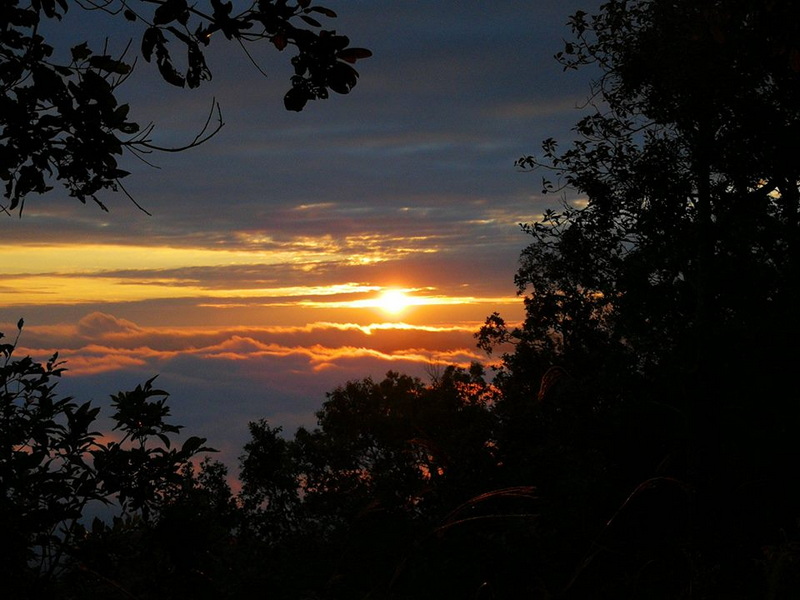
A map shows Doi Luang National Park as a destination in Doi Luang District, Chiang Rai. The landscape itself tells a richer story. Elevation gathers the terrain into ridges and wooded slopes; rainfall moves through the highlands as streams; falling water creates some of the park’s most memorable points of interest. This sequence makes the park especially rewarding for visitors who want to understand how northern Thailand’s upland environment is shaped, not simply collect another viewpoint or waterfall photograph. That perspective also gives the destination a clear place within a regional journey. Chiang Rai is known for cultural landmarks, local life, and scenic countryside, while Doi Luang adds an encounter with protected mountain terrain. The two subjects can sit within one holiday without being forced into a single kind of sightseeing. A traveler interested in the Must Visit National Parks Northern Thailand can use the park as an introduction to the ecological character of the north. Someone arranging a Chiang Rai sightseeing tour package can treat its mountain environment as a substantial theme alongside the province’s built and cultural attractions. The following guide follows the land itself: first the high ground, then the water, then the forest, and finally the ways a visitor can interpret the experience.
High ridges give Doi Luang its defining scale
The first impression of Doi Luang National Park comes from elevation. High ridges and sloping ground create a setting that feels spatially different from the settled valley areas associated with much of Chiang Rai. The park’s mountain form is not merely a background for photographs; it controls the views, the movement of water, the density of vegetation, and the changing sense of distance encountered during a visit.
This is the useful geographic lesson of Doi Luang Chiang Rai. Mountain environments are read vertically. A ridge may appear dry or open from one angle and heavily wooded from another. A shaded slope can retain a cooler, more humid character, while exposed ground receives stronger light and feels more expansive. Even without covering a large distance, visitors can notice how height and orientation influence the atmosphere around them.
For travelers comparing the Must Visit National Parks Northern Thailand, Doi Luang offers a focused example of upland scenery. Its appeal is not based on one famous structure or a single dramatic lookout. It lies in the way landform organizes the whole visit. Walkers can pay attention to changes in gradient, photographers can work with layered slopes and shifting light, and casual sightseers can appreciate the transition from ordinary roads and settlements into a forested mountain setting.
Streams and waterfalls reveal the park in motion
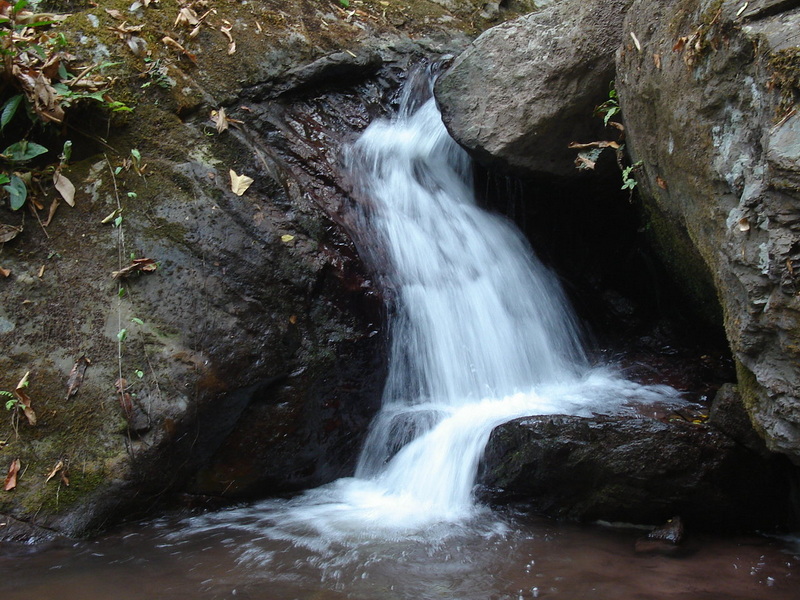
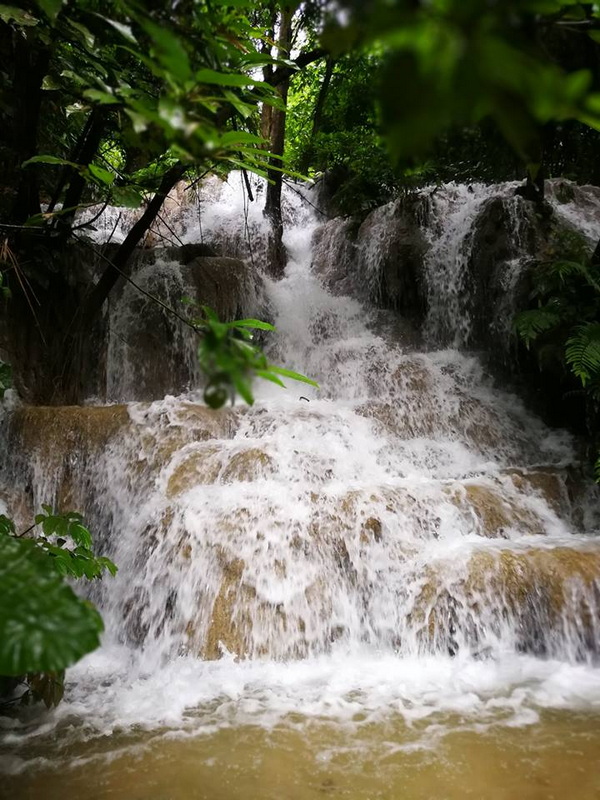
Water provides the most immediate way to experience the park’s terrain. Streams gather in the highlands and follow the contours of the ground, while waterfalls show what happens when that flow meets rock, uneven elevation, and a steepened channel. These features give Doi Luang National Park a sensory dimension that a distant mountain view cannot provide: the sound of moving water, damp surfaces, cooler air near a cascade, and the visual rhythm of white water against darker stone and vegetation.
A waterfall should therefore be understood as part of a larger drainage system. Its character depends on the slopes above it and the stream that feeds it. After periods of stronger rain, water can make the landscape appear energetic and full; in drier spells, exposed rock and the shape of the channel may become easier to read. That changing balance is one reason the park rewards observation. The attraction is not only the falling water itself, but also the evidence it provides about how the mountain works.
Visitors can make this experience richer by looking beyond the most obvious point. Notice the narrow course of a stream before it widens, the plants growing close to persistent moisture, and the way sound changes as water moves from an open cascade into shaded forest. These details turn a short stop at a waterfall into an introduction to the park’s hydrology and its relationship with the surrounding highlands.
Forest scenery rewards attention at ground level
The wooded character of Doi Luang National Park supplies the connective tissue between its ridges and water features. Forest is not simply scenery placed around a trail or stream. It moderates light, holds moisture, frames distant slopes, and creates the layered textures that make mountain landscapes feel deep. At ground level, fallen leaves, exposed roots, mossy surfaces, trunks, and small changes in vegetation provide a more intimate subject than a wide panorama.
This makes the park suitable for several kinds of nature observation without requiring a visitor to turn the outing into a specialist expedition. A photographer may work with filtered light and the contrast between moving water and still vegetation. A family can use the forest to notice simple changes in sound, shade, and temperature. Travelers with an interest in ecology can consider the relationship between tree cover, rainfall, stream flow, and slope stability. The value comes from seeing separate features as parts of one living mountain environment.
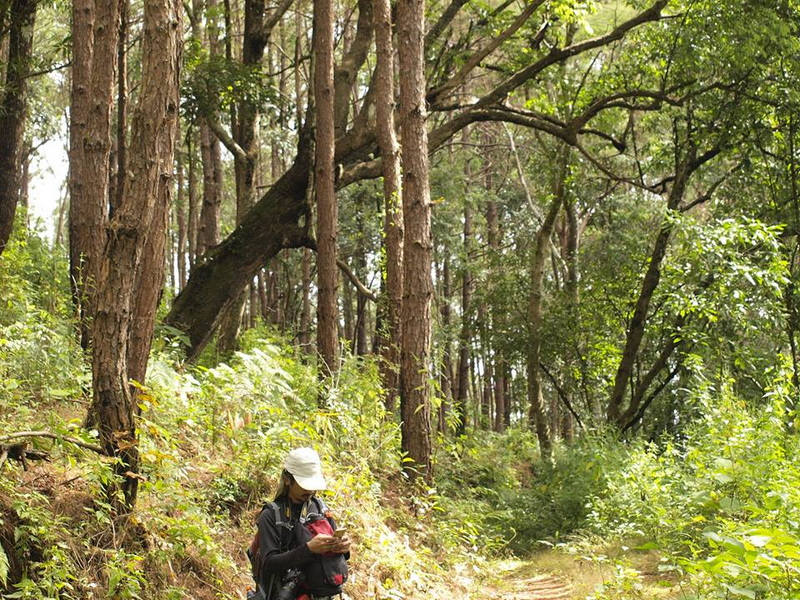
Wildlife may be present in a protected forest, but sightings are never the basis on which a visit should be planned. The more dependable experience is the forest itself: its sheltering canopy, its uneven textures, and the way it changes the character of every viewpoint. This keeps attention on what the destination consistently offers while leaving room for occasional discoveries that cannot be promised.
A sightseeing package can give the landscape a regional context
The park also works as a geographical subject within Chiang Rai tourism. A Chiang Rai Sightseeing Tour Package often appeals to visitors who want a structured introduction to the province’s major themes. When a nature destination forms part of that broader interest, Doi Luang National Park can supply the mountain chapter: it shows the upland environment that surrounds and influences the region, adding physical context to visits focused on towns, temples, art, or local culture.
The most useful way to think about this relationship is thematic. A sightseeing program may be built around cultural places, scenic stops, or outdoor interests, but Doi Luang brings a specific question into view: what does Chiang Rai look like when the valley floor gives way to forested elevation? That question helps prevent the park from becoming a token photograph between unrelated stops. It also allows visitors to decide how much attention they want to give to walking, water, landscape photography, or simple outdoor observation within their wider travel design.
For independent travelers, the same idea can guide the balance of a trip without dictating a fixed itinerary. A nature-focused day may give the park room to breathe, while a broader provincial tour may use its mountain setting as one carefully chosen subject. The important distinction is the quality of the connection: Doi Luang contributes its highland geography, not a generic promise of scenery that could belong anywhere.
Small preparations protect the quality of a mountain visit
Mountain scenery is easiest to appreciate when the body is prepared for uneven ground, changing shade, and outdoor conditions. Comfortable walking footwear, water, sun protection, and a light layer are sensible foundations for spending time among ridges, streams, and forest. A camera can record the view, but leaving space for listening and looking is equally valuable; some of the park’s character appears through the sound of water or the difference between an exposed slope and a shaded one.
The best pace is one that leaves attention available. Rushing from one named feature to another can reduce the landscape to a series of stops, while a little time beside a stream or beneath the forest canopy reveals relationships that are easy to miss. Keep to established visitor routes where applicable, avoid disturbing plants and animals, and carry personal waste out. These actions are simple, but they preserve the conditions that make the park’s water and forest experiences possible.
Operational details such as access arrangements and seasonal conditions can vary, so visitors should obtain the latest information through appropriate official or tour sources when making a specific plan. That brief check belongs at the edge of the experience, not at its center. The substance of a visit remains the mountain environment itself and the way its features fit together.
Read the mountain as a living system
Doi Luang National Park is most distinctive when its features are allowed to explain one another. The ridge gives water its direction, the stream shapes the waterfall, and the forest holds the atmosphere that makes both memorable. Seen this way, a visit becomes an encounter with northern Thailand’s mountain geography rather than a quick search for a single scenic object. That is the enduring value of Doi Luang National Park in Chiang Rai: it turns elevation, water, and woodland into a clear lesson in how a landscape is formed and experienced.

No comments:
Post a Comment