Animal Farms and Tours Near Chiang Mai Monkey School
A thoughtful look at animal experiences, tour planning, and nearby wildlife attractions in Mae Rim
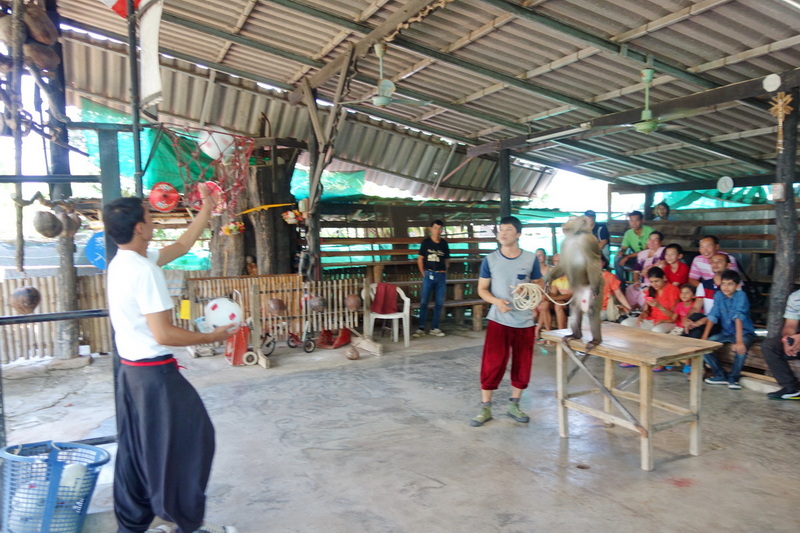
Mae Rim District, Chiang Mai, is a countryside area where animal attractions, gardens, and educational stops can be combined into a varied day of exploration. Chiang Mai Monkey School is one of the places that draws visitors interested in observing trained macaques, learning about human-animal interaction, and understanding how a traditional attraction presents its animals to the public. It is best approached as one part of a broader animal-focused outing rather than as an isolated promise of entertainment. For travelers researching Animal Farms in Chiang Mai, the area offers useful context. The term can cover small agricultural visits, animal-focused attractions, and facilities designed for public learning, but these places are not all alike. Some emphasize demonstrations, some introduce visitors to working animals, and others concentrate on observation or education. A responsible visit begins by checking what an attraction currently offers, considering the welfare standards that are visible or communicated, and avoiding assumptions about close contact with animals. This guide focuses on the role of Monkey School Thailand within a Mae Rim itinerary. It also explains how a Tour Chiang Mai plan can include nearby wildlife attractions without rushing from one site to another. The goal is not to promise a particular show or schedule, but to help visitors read the experience carefully, prepare respectful expectations, and make informed choices.
Understanding the animal-farm landscape around Mae Rim
Animal attractions around Chiang Mai reflect the region’s long relationship with agriculture, rural livelihoods, tourism, and environmental education. In Mae Rim, visitors may encounter places that present animals as part of a working farm, a demonstration, a conservation message, or a visitor activity. These categories can overlap, yet the experience at each site depends on its purpose and operating approach. A farm visit may be quiet and observational, while a performance-oriented attraction may have a more structured public presentation.
That difference matters when planning a day around Chiang Mai Monkey School. Travelers who expect a conventional zoo may be surprised by the more specialized character of a monkey-focused attraction. Likewise, someone seeking a peaceful nature walk may prefer to balance the visit with a less performance-centered stop. Reading current visitor information before setting out is useful because activities, access arrangements, and public presentations can change.
A thoughtful animal-farm experience also involves looking beyond the most visible activity. Notice whether visitors are given guidance about feeding, touching, noise, and personal space. Consider whether the setting explains the animals’ daily care or natural behavior, rather than presenting them only as performers. These observations do not require a visitor to make sweeping judgments; they simply encourage a more informed and respectful way to travel.
What to expect from a monkey-focused attraction
The Chiang Mai Monkey School is associated with demonstrations involving trained monkeys, which is why many visitors search for the Chiang Mai Monkey Show before planning a visit. The central appeal is the chance to see how animals respond to learned cues in a managed setting. Demonstrations may be interesting from an educational perspective, particularly for travelers curious about training, communication, and the historical role of monkeys in local agricultural practices. However, the exact content and presentation should be confirmed through current information rather than assumed from old travel descriptions.
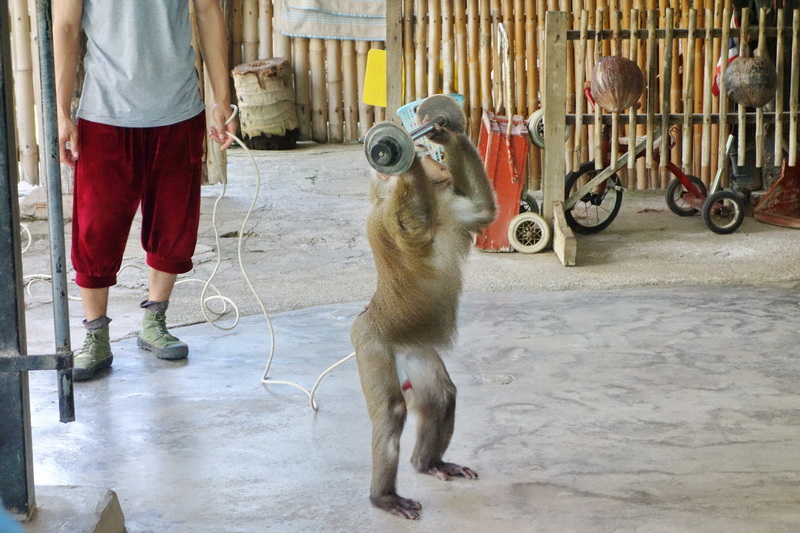
A visit is likely to feel different from observing wild primates in a protected forest. The animals are presented in a human-designed environment, and the visitor experience is shaped by training, audience expectations, and the staff’s demonstrations. Keeping that distinction clear helps prevent unrealistic ideas about wildlife behavior. Monkeys are intelligent, active animals with their own needs; they are not props for photographs or guaranteed sources of interaction.
For a first-time visitor, the most useful approach is attentive observation. Listen to the explanations, follow instructions, and watch how staff manage distance and audience movement. Avoid shouting, sudden gestures, or attempts to attract an animal’s attention. If photography is permitted, take pictures without using flash where it could disturb the animals, and never assume that touching or feeding is acceptable. These small choices make the experience calmer for people and animals alike.
The phrase Monkey School Thailand can describe a wider idea than one particular visit: a tourism setting where monkeys are trained and presented for public viewing. That broader context is worth remembering when comparing attractions. Ask what the experience teaches, how animals are housed outside demonstrations, and whether the attraction communicates clear standards for visitor conduct. Such questions help travelers choose experiences based on more than novelty.
Building a tour around animal experiences
A useful Tour Chiang Mai itinerary in Mae Rim should allow time for orientation, observation, and reflection instead of treating every stop as a quick photograph. Animal attractions can be more rewarding when visitors have enough time to understand what they are seeing. Rather than collecting as many sites as possible, choose a small number that fit your interests and energy level. A family may value simple explanations and manageable walking, while a nature lover may prefer to spend longer noticing habitat, behavior, and the surrounding landscape.
When considering tours that include Monkey School Thailand, check what the itinerary actually says about the attraction. Some tour descriptions use broad labels such as animal farm, wildlife stop, or cultural experience, which may not explain whether a demonstration, guided commentary, or independent viewing is involved. Confirm the current inclusions, visit length, and expectations directly with the provider. This is especially important for travelers who have mobility needs, young children, or strong preferences about animal welfare.
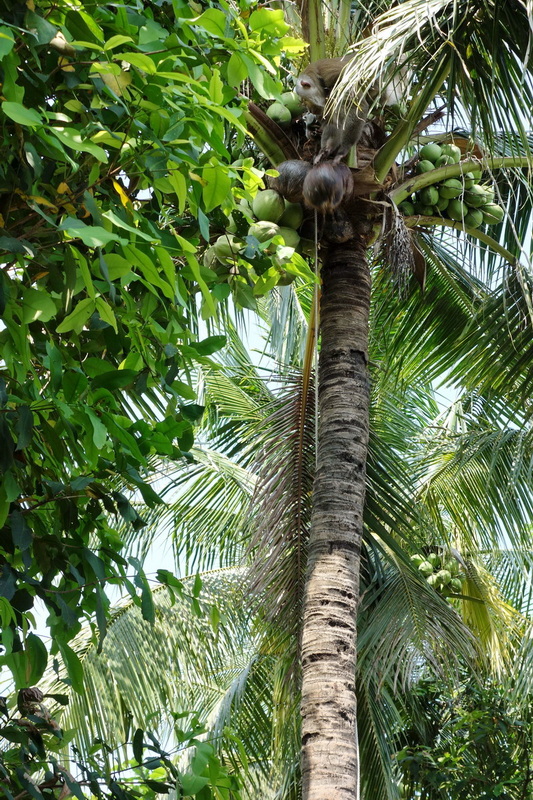
A balanced day can include time away from performances. Pause to discuss what makes an animal encounter educational and what limits should apply when animals are under human care. Children can be encouraged to watch quietly, identify natural behaviors, and ask how the animals are cared for. Adults may wish to compare the attraction’s presentation with conservation messages encountered elsewhere in Chiang Mai. This turns a tour into a learning experience rather than a sequence of consumable spectacles.
Weather and personal comfort also affect the quality of an animal-focused outing. Mae Rim can feel warm, and outdoor areas may involve sun, uneven surfaces, or waiting between activities. Comfortable clothing, sun protection, water, and patience are practical choices, although visitors should always follow the attraction’s own guidance. Since exact schedules and availability can vary, treat any published program as information to verify rather than a permanent guarantee.
Choosing an ethical visitor mindset
Ethical tourism does not require every traveler to share the same view of animal attractions, but it does call for careful attention. Before visiting, consider whether the attraction explains its animals’ care, provides suitable rest periods, and gives visitors clear rules. During the visit, observe whether staff maintain calm control and whether guests are discouraged from disruptive behavior. These details can help people form their own responsible impressions without relying on exaggerated claims.
Respect is particularly important when an attraction involves trained animals. Do not imitate calls, wave food, reach into enclosures, or encourage an animal to perform outside the organized presentation. Keep children close and explain that an animal’s apparent familiarity with people does not make it safe to approach without permission. If an animal appears distressed or tired, the appropriate response is to give it space and follow staff instructions, not to seek a closer photograph.
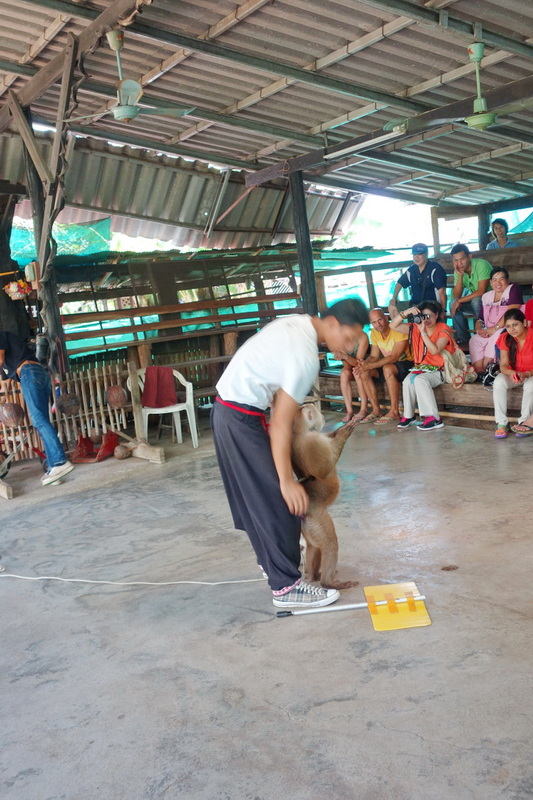
Travelers should also avoid treating local culture as a backdrop for animal entertainment. Monkey-related practices may have historical and agricultural context, but a short demonstration cannot represent every aspect of Thai life or wildlife management. Ask questions politely and remain open to complexity. A respectful visitor can enjoy learning about the attraction while recognizing that tourism changes how animals and local traditions are presented.
How to decide whether the visit fits your day
The Chiang Mai Monkey School may suit travelers who are curious about animal training, rural tourism, and the way a specialized attraction communicates with its audience. It may be less suitable for someone seeking wild-animal observation, a silent nature experience, or guaranteed hands-on contact. Being honest about your priorities before visiting reduces disappointment and makes it easier to appreciate the attraction on its own terms.
Use a simple planning test: identify what you want to learn, what level of interaction you consider appropriate, and how much flexibility your day allows. Then review current visitor information and ask direct questions if anything is unclear. A Chiang Mai Monkey School Travel Guide can provide background, but official updates and personal judgment remain important because conditions may change. If the experience does not match your values or interests, choosing another activity is a valid travel decision.
For visitors who do go, the strongest memory may not be a dramatic trick. It may be the contrast between a managed demonstration and the natural behavior of primates, the staff explanation that adds context, or a conversation about how animals fit into tourism. That kind of observation encourages curiosity without romanticizing captivity or turning wildlife into a simple attraction. It also makes the wider Mae Rim area easier to understand as a place where agriculture, nature, and tourism meet.
Nearby Attractions
Tiger Kingdom Chiang Mai
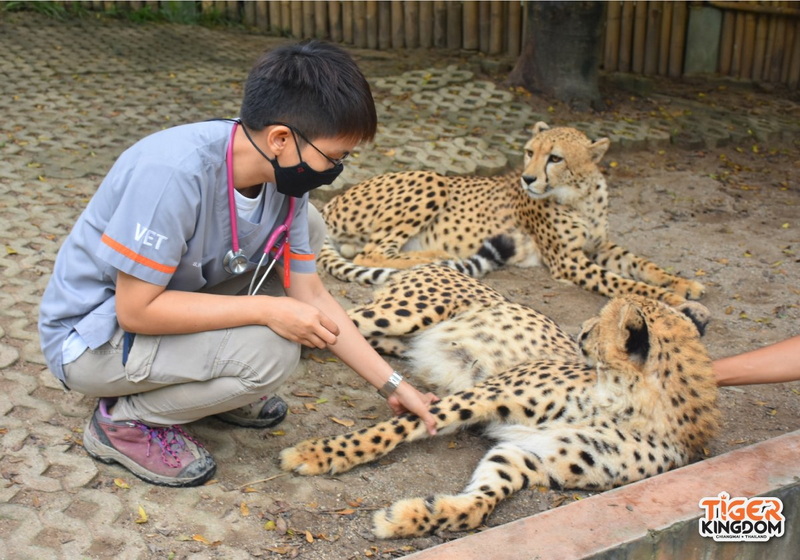
Tiger Kingdom Chiang Mai is another animal-focused attraction associated with the Mae Rim visitor circuit. Its presentation is different from a monkey demonstration, with attention centered on tigers in a managed setting. Travelers considering a combined outing should research the current visitor experience, animal-care information, and rules before deciding whether it aligns with their values. The name alone should not be treated as a guarantee of contact, photography, or any particular activity.
The most responsible way to include this stop is to approach it as an opportunity to learn about the animals and the facility’s practices, not simply as a chance for a dramatic image. Follow staff directions, keep noise low, and respect all boundaries. Comparing the tiger attraction with the monkey-focused experience can also help visitors think more carefully about the different ways tourism presents captive or trained animals.
Siam Insect Zoo
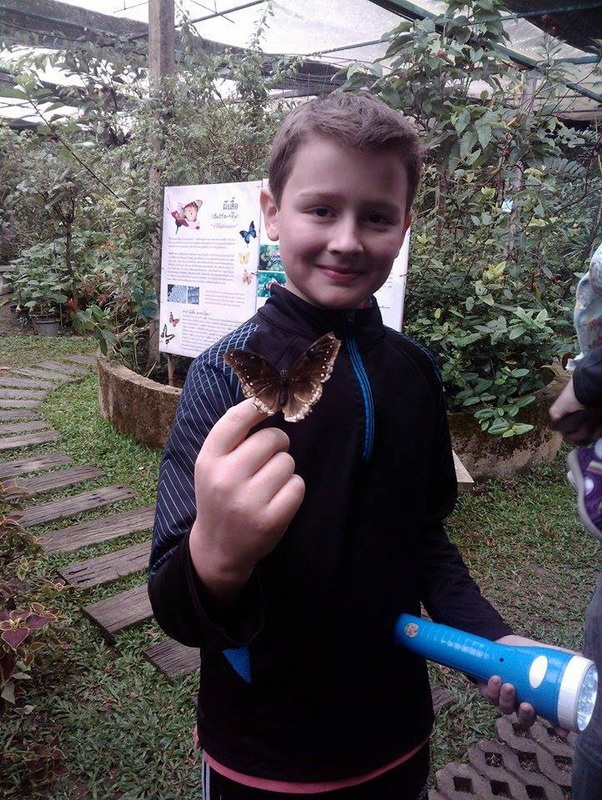
Siam Insect Zoo offers a contrasting perspective on animal tourism by focusing on insects and other small creatures rather than large mammals. For travelers interested in biodiversity, this can broaden the meaning of a wildlife visit. Insects are essential to pollination, decomposition, food webs, and agriculture, yet they are often overlooked because they do not attract the same immediate attention as monkeys or big cats.
A stop here can add educational balance to a Mae Rim itinerary. Visitors may find it easier to slow down and examine details such as body structure, movement, and adaptation. Check current exhibits and visitor guidance before going, since displays can change. When combined thoughtfully with Chiang Mai Monkey School, the contrast encourages a wider appreciation of animal life, from familiar charismatic species to the small organisms that support healthy ecosystems.
Final Thoughts
A visit to Chiang Mai Monkey School is best understood as one carefully considered element of a broader Mae Rim exploration. Animal farms, demonstrations, and wildlife attractions can offer insight, but the quality of the experience depends on preparation, respectful conduct, and realistic expectations. By checking current information, observing thoughtfully, and comparing different kinds of animal presentations, travelers can build a day that is curious without being careless. The result is not merely a collection of stops, but a more attentive understanding of how animals, tourism, and local landscapes meet in Chiang Mai.
