Tha Pai Hot Spring in the Wider Mae Hong Son Sightseeing Route
A practical regional plan for connecting Pai’s warm waters with nearby landscapes and a Chiang Mai travel itinerary
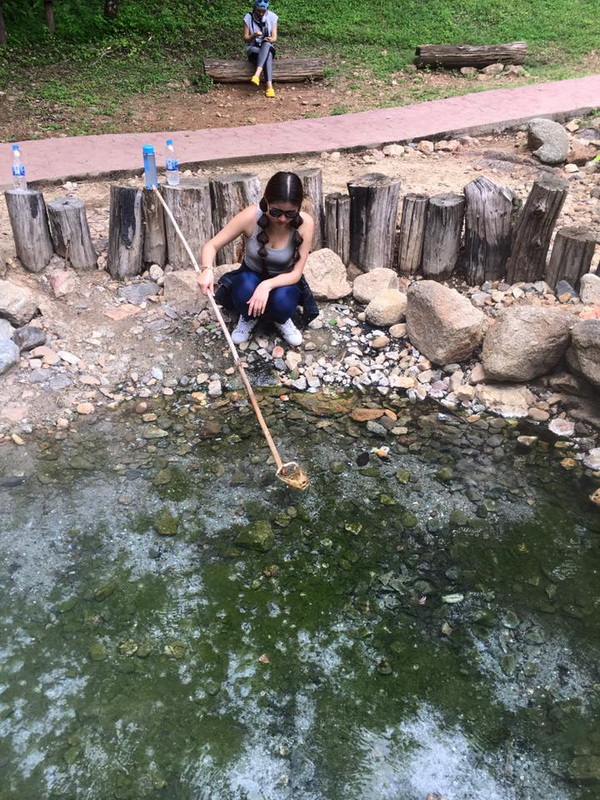
Tha Pai Hot Spring is more than a short stop beside the road through Pai District. Known locally as Pong Nam Ron Tha Pai, it is a natural attraction where warm mineral water, shaded woodland, and the wider scenery of Mae Hong Son come together. For travelers building a route through northern Thailand, the site offers a gentle change of pace from viewpoints, temples, and winding mountain roads. Its location also makes it useful for understanding the geography of a broader trip. Pai is often treated as a destination in its own right, yet it sits within Mae Hong Son Province, an area filled with varied landscapes and regional sightseeing possibilities. A visit to Tha Pai Hot Spring can therefore work as one element of a day focused on natural attractions rather than as an isolated excursion. The practical question is how to fit it into a realistic schedule. A Mae Hong Son Day Trip From Chiang Mai involves a long journey, so travelers should consider road time, rest stops, and the number of places they genuinely want to see. Those already staying in Pai can explore more comfortably, while visitors coming from Chiang Mai may prefer a carefully arranged private journey or a longer northern Thailand itinerary.
Why Tha Pai Hot Spring Belongs on a Mae Hong Son Itinerary
Among the Attractions in Mae Hong Son, Tha Pai Hot Spring has a different character from a viewpoint or a historic monument. The focus is the landscape itself: warm water emerging in a forested setting and a series of areas designed for visitors to observe or enjoy the spring environment. The experience is generally unhurried, making it suitable for travelers who want a quiet nature stop between longer drives.
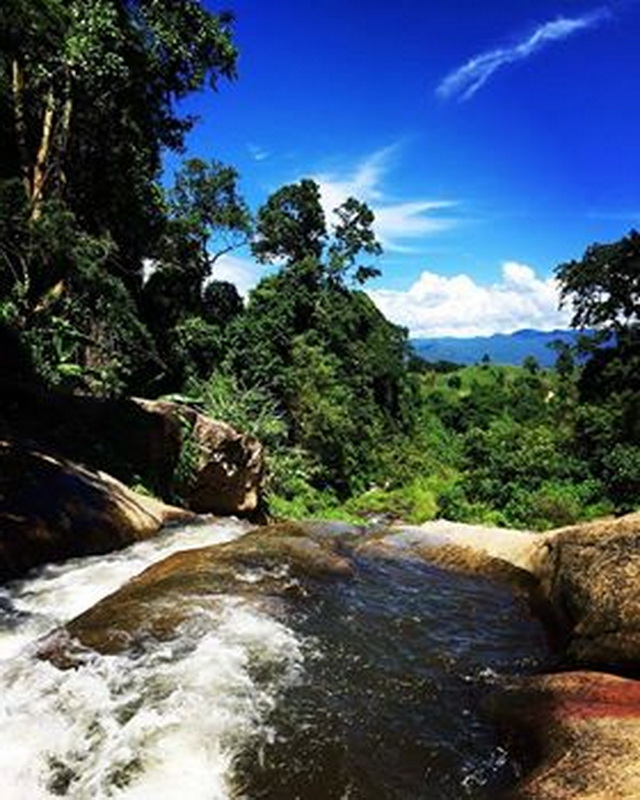
The attraction is also a useful introduction to the natural side of Pai District. Instead of asking visitors to complete a demanding hike or commit to a full-day activity, it provides a relatively straightforward way to include geothermal scenery in a regional route. Depending on current management arrangements, some areas may be intended for viewing while others may be available for bathing. Visitors should follow signs, staff guidance, and any local rules rather than assuming every pool has the same purpose.
The best reason to include the spring is balance. A route that combines one warm-water landscape with an open viewpoint and a waterfall can feel more varied than a sequence of similar stops. Tha Pai Hot Spring Thailand is consequently most useful when treated as part of a connected sightseeing day, with enough time left for travel and pauses rather than being rushed through as a checklist item.
Planning the Journey from Chiang Mai
Travelers searching for a Mae Hong Son Day Trip From Chiang Mai should begin with an honest assessment of distance. The road to Pai crosses mountainous terrain and includes many bends, so the journey can take a substantial part of the day even when the route appears manageable on a map. A private vehicle with a careful driver can make the timing more adaptable, while shared transport may require a different plan. Current road conditions and transport availability should be checked before departure.
For a single-day outing, an early start is important, but an early start does not remove the need for breaks. Passengers who are sensitive to winding roads may appreciate regular pauses, light meals, and access to drinking water. The driver should also have sufficient time to travel safely; trying to add too many attractions can make the itinerary tiring for everyone. If the main purpose is to enjoy Pai rather than simply reach it, staying in the area overnight is often a more comfortable alternative to returning to Chiang Mai on the same day.
A practical route might place Tha Pai Hot Spring after arrival in Pai District, when travelers can spend time walking through the site without watching the clock too closely. Another option is to combine it with one nearby attraction and leave the rest of the day flexible. Tour names and transport services change, so a Tha Pai Hot Spring Travel Guide should be used for orientation rather than as a substitute for confirming current access, opening arrangements, or seasonal conditions.
What to Notice at the Spring
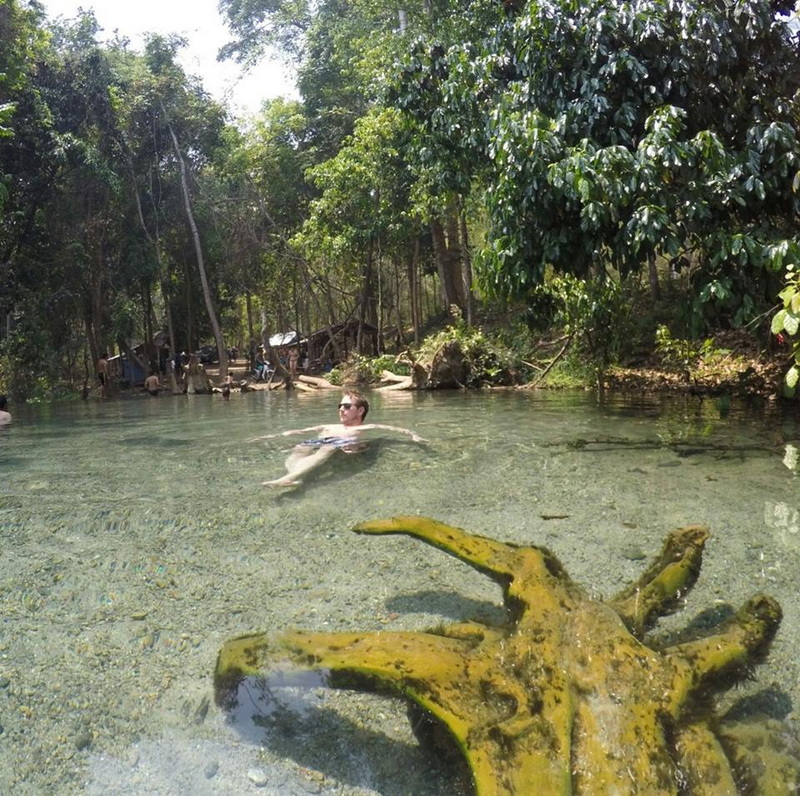
The setting is central to the appeal of Pong Nam Ron Tha Pai. Warm water and humid air create a noticeable contrast with the surrounding woodland, while paths and viewing areas help visitors move through the attraction without needing specialist outdoor equipment. The changing textures of rock, vegetation, and flowing water give the site visual interest even for those who do not plan to bathe.
Some visitors come specifically for a soak, but the spring should not be understood only as a swimming facility. Water temperatures can vary, and individual comfort levels differ. Anyone choosing to enter a permitted bathing area should do so cautiously, observe posted guidance, and avoid moving into restricted zones. People with health concerns, young children, or sensitivity to heat should use their own judgment and ask local staff for current advice.
A respectful visit also means keeping noise moderate and leaving natural features undisturbed. Do not touch formations unnecessarily, enter closed areas, or treat the water source as a place for personal products. Carrying reusable water and taking rubbish away helps protect the setting. These small choices matter because natural attractions are shared spaces, and the value of the spring depends on maintaining both its environmental character and its usefulness to the local community.
Building a Manageable Sightseeing Sequence
A useful way to organize the day is to group stops by energy level. Tha Pai Hot Spring can serve as a slower nature visit, while a viewpoint or waterfall may involve more walking, uneven ground, or time in the open sun. By alternating these experiences, travelers can avoid making every stop physically demanding. This approach is especially helpful for weekend visitors working within a limited schedule.
The order should depend on weather, road conditions, and personal priorities. During warmer parts of the day, shade and drinking water become more important, while wet-season conditions may make paths slippery. Rather than promising a fixed sequence, allow room to change plans. A flexible itinerary is often safer and more enjoyable on mountain roads, where travel time can vary.
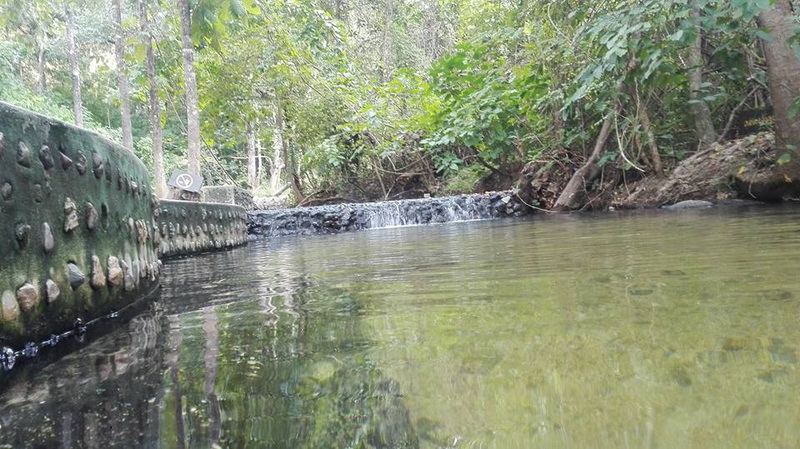
Visitors who want to Visit Tha Pai Hot Spring as part of a larger Mae Hong Son route can also use the stop to slow down before continuing toward Pai town or another planned destination. The spring does not need to fill an entire day. Its role is to add a natural pause, giving the itinerary a sense of contrast without requiring a long trek or specialized preparation.
Practical Considerations for First-Time Visitors
Comfortable walking shoes are sensible because surfaces may be damp, uneven, or affected by recent weather. Light clothing is useful in warm conditions, while a change of clothes and a small towel may be appropriate for travelers who use a permitted bathing area. Sun protection, insect awareness, and drinking water are also worthwhile basics, even when much of the visit takes place beneath trees.
Before setting out, confirm current admission arrangements, bathing access, local restrictions, and any temporary closures through reliable local sources. Conditions can change because of maintenance, weather, conservation needs, or public safety decisions. Do not rely on an old post for exact prices or operating times. A travel plan that leaves some flexibility is more reliable than one built around assumptions.
The same principle applies to transport. If traveling from Chiang Mai, clarify where the driver will wait, how much time is available at each stop, and whether the vehicle is suited to mountain roads. If traveling independently from Pai, check the route and fuel needs in advance. These details are not glamorous, but they help turn a promising regional outing into a calm and manageable one.
Nearby Attractions
Pai Canyon
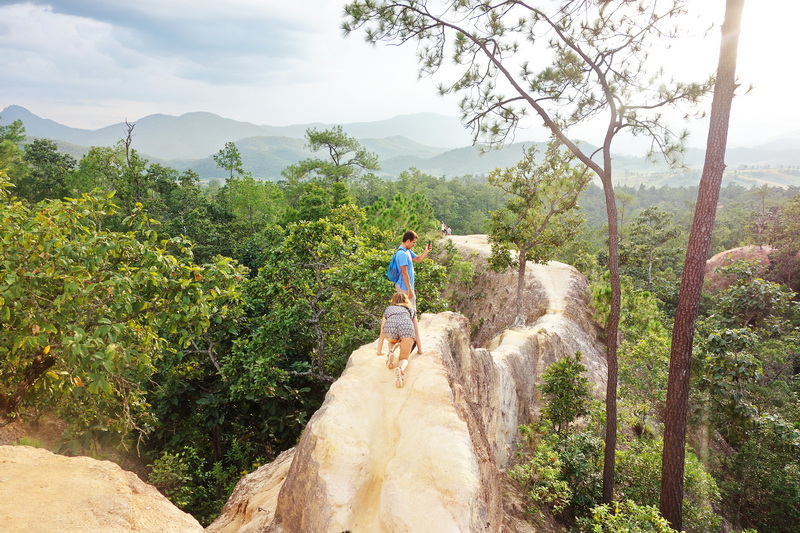
Pai Canyon provides a strong contrast with the enclosed, shaded atmosphere of the hot spring. Its narrow ridges, eroded earth, and elevated views create a more exposed landscape, so visitors should take care on uneven trails and near edges. Footwear with a secure grip is useful, and the route should be approached according to current weather and personal comfort rather than hurried for photographs.
Combining Pai Canyon with Tha Pai Hot Spring works well when the itinerary is planned around changing scenery. The canyon offers open views and a short walking experience, while the spring supplies a quieter woodland setting. Travelers should allow enough time for driving between locations and avoid assuming that both can be explored thoroughly during a tightly packed Chiang Mai day trip.
Mor Paeng Waterfall
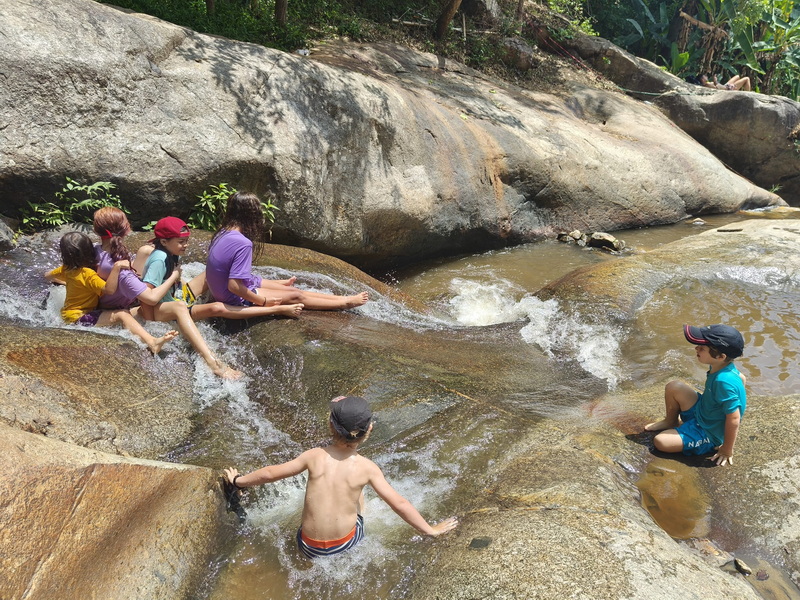
Mor Paeng Waterfall adds another water-based landscape to the Pai area, but its character differs from the warm spring. The site is associated with flowing water and natural rock surroundings, and conditions can change with season and recent rainfall. Visitors should observe local safety guidance, be cautious on wet surfaces, and avoid entering water when conditions appear unsuitable.
As a companion stop, Mor Paeng Waterfall suits travelers who want to compare several forms of northern Thailand scenery without turning the day into a strenuous expedition. The waterfall and Tha Pai Hot Spring can be visited as separate experiences, with time for quiet observation at one and a more active outdoor pause at the other. Check current access before finalizing the route, particularly during periods of heavy rain or maintenance.
Final Thoughts
Tha Pai Hot Spring is most rewarding when placed within a realistic regional plan. Its warm water and forest setting provide a gentle natural stop, while Pai Canyon and Mor Paeng Waterfall add contrasting landscapes nearby. From Chiang Mai, the journey requires thoughtful timing and a willingness to leave space for mountain-road travel. From Pai, the spring is easier to approach as one part of a relaxed day. Whichever route you choose, respectful behavior, current local information, and attention to personal comfort will help make the visit a meaningful part of exploring Mae Hong Son Province.

No comments:
Post a Comment