Sai Ngam Hot Spring and the Best Attractions in Mae Hong Son
A practical regional guide for planning a nature-focused visit from Chiang Mai through Pai District
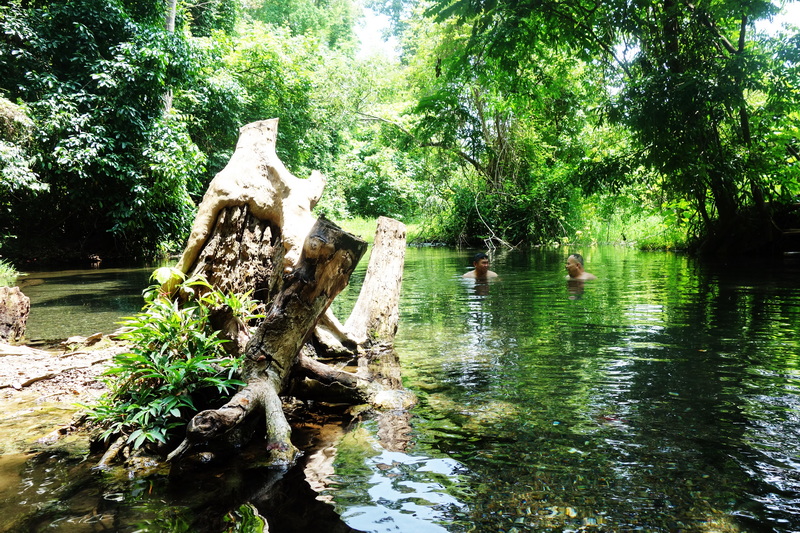
Mae Hong Son Province rewards travelers who are willing to look beyond a single viewpoint or town landmark. Its mountain roads connect forested landscapes, communities, waterfalls, and quiet places where the pace of a trip naturally slows. Among these destinations, Sai Ngam Hot Spring offers a simple nature stop in Pai District, where visitors can spend time around a mineral spring rather than follow a tightly scheduled sightseeing routine. For travelers considering a Mae Hong Son Day Trip From Chiang Mai, the main planning question is distance. Sai Ngam Hot Spring is in the Pai area, so reaching it from Chiang Mai involves a substantial journey through winding northern roads. It is more practical as part of a Pai-based itinerary or a longer Mae Hong Son route than as a rushed standalone outing. This guide places the spring within the wider region, explains what to expect, and shows how Santichon Village and Mor Paeng Waterfall can complement a visit. The aim is not to promise a particular tour format or timetable. Instead, this is a grounded planning reference for understanding the landscape, organizing a comfortable day, and behaving respectfully around a natural site and nearby communities.
Understanding Mae Hong Son’s Attraction Mix
The most rewarding Attractions in Mae Hong Son are spread across a large and mountainous province rather than concentrated in one walkable center. Travel plans may include natural areas, local communities, cultural landmarks, and scenic roads, but each stop has its own character. This makes route planning important: a place that appears close on a map can take longer to reach when roads curve through hills and valleys.
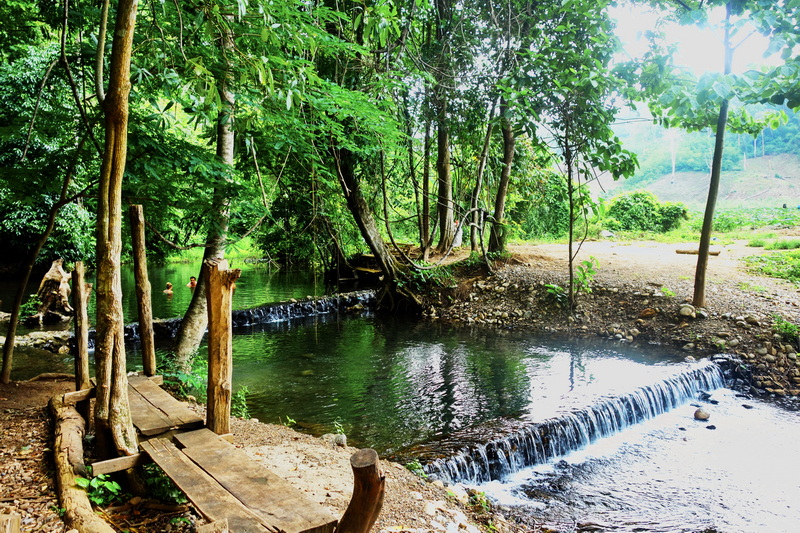
Pai District is especially useful as a base for exploring northern parts of the province. The town has a well-known visitor infrastructure, while the surrounding countryside provides access to springs, waterfalls, agricultural scenery, and community attractions. Sai Ngam Hot Spring fits this pattern. It is a nature-focused stop that can balance busier town activities with a quieter period outdoors.
Visitors should also allow room for changing conditions. Rain can affect road surfaces, walking paths, and travel times, while heat during the middle of the day can make an outdoor stop feel more demanding. A flexible itinerary is generally more comfortable than attempting to fit every listed attraction into a single short excursion.
Planning a Mae Hong Son Day Trip From Chiang Mai
A Mae Hong Son Day Trip From Chiang Mai requires realistic expectations because the region is separated from the city by mountainous routes. Sai Ngam Hot Spring is located in Pai District, so a same-day plan that begins and ends in Chiang Mai may leave limited time for enjoying the spring and other stops. Travelers who want a relaxed experience should consider staying in or near Pai, or including the spring during a longer journey through Mae Hong Son Province.
Those traveling by private vehicle should review the route, fuel needs, weather, and road conditions before departure. Drivers unfamiliar with mountain roads should avoid treating the journey as a race between attractions. Frequent bends, elevation changes, and occasional slow traffic can shape the day. Anyone using a hired driver or organized transport should confirm the intended route and stopping points directly, since itineraries and operating arrangements vary.
A useful approach is to choose one primary purpose for the day. If the priority is bathing and spending time in nature, Sai Ngam Hot Spring should not be squeezed between too many distant sights. If the priority is a broad overview of Pai District, the spring can be one of several shorter visits, provided the route remains manageable. Carry drinking water, sun protection, suitable footwear, and a light layer for changing mountain weather, while checking current local conditions before setting out.
A Saingam Hot Spring Visitor Guide
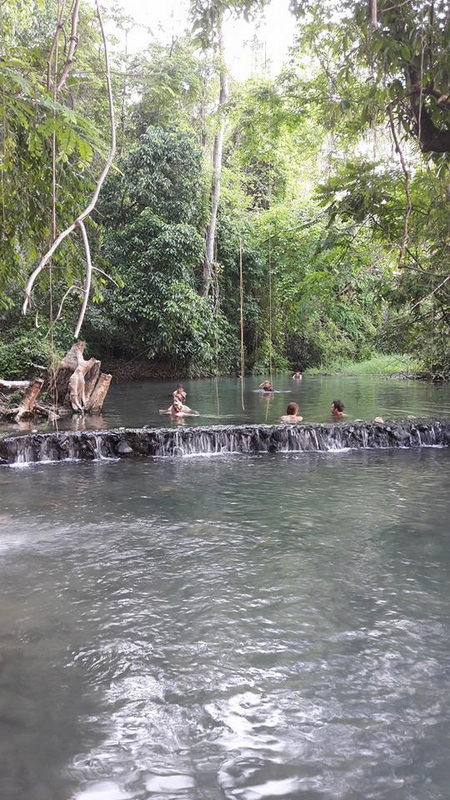
A Saingam Hot Spring Visitor Guide begins with the setting: this is a natural mineral spring in a forested area of Pai District, not a large entertainment complex. Visitors generally come to enjoy warm water, shade, and a calm outdoor environment. The appeal lies in the combination of geothermal water and surrounding greenery, making the site suitable for travelers seeking a gentle nature experience.
Before entering the water, observe local notices and any site instructions. Natural pools can have uneven edges, slippery surfaces, or varying temperatures, and conditions may change with weather and maintenance. Test the water carefully, move slowly, and supervise children closely. People with health conditions affected by heat should use personal judgment and seek medical advice when appropriate. A short visit may be more comfortable than remaining in warm water for an extended period.
The spring is best approached as a shared natural resource. Keep voices moderate, do not use products that could pollute the water, and avoid bringing food into bathing areas unless local rules allow it. Take rubbish away or place it in designated bins. Do not damage plants, disturb wildlife, carve surfaces, or remove stones and other natural material. These small choices protect the atmosphere that makes the place worth visiting.
Photography should also be considerate. Ask before photographing other visitors, particularly when people are changing or bathing, and avoid turning private moments into travel content without consent. If local residents or workers are present, treat them as people going about their daily responsibilities rather than as scenery. Respectful behavior helps preserve a welcoming experience for everyone.
Combining the Spring with a Wider Pai Route
Sai Ngam Hot Spring works well within a day organized around contrasting experiences. A visit to the spring can provide time in nature, while a nearby cultural or recreational stop adds a different perspective on Pai District. The order depends on transport, weather, and personal energy, so travelers should think in terms of a loose route rather than a fixed sequence.
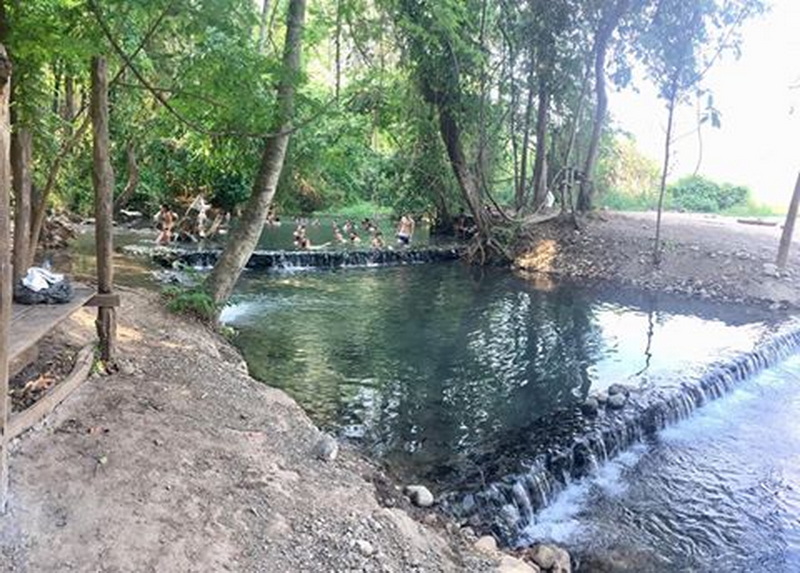
Morning and late afternoon are often more comfortable for outdoor sightseeing than the hottest part of the day, although visitors should rely on current conditions rather than assume a particular schedule. Allow time for parking, walking, changing, and simply sitting by the water. Rushing immediately onward can reduce the value of a place designed for a slower visit.
For independent travelers, offline maps and a charged phone are sensible precautions in a rural area. Mobile coverage and navigation reliability can vary, and road decisions should never be made solely from an estimated map time. If traveling with a local driver, communicate clearly about how long you would like to spend at each stop. A calm itinerary is especially valuable on a route where the return journey may take longer than expected.
Traveling with Care in Mae Hong Son
The landscapes around Pai and Mae Hong Son are not empty backdrops. They include farms, homes, community spaces, religious places, and natural areas used by residents. Travelers can support a positive visitor environment by following signs, staying on appropriate paths, dressing suitably for the setting, and keeping noise under control. When visiting community attractions, purchase decisions should be thoughtful rather than demanding or intrusive.
Cultural respect is particularly important when a route includes villages or communities with distinct local identities. Avoid stereotypes and do not assume that a community exists for visitor entertainment. Learn from information provided by local sources, ask permission before taking photographs, and accept a refusal without argument. This approach is more meaningful than treating culture as a decorative stop between scenic locations.
Environmental care matters just as much. Reusable water bottles, reduced plastic use, and responsible rubbish disposal are practical choices. Do not feed animals or collect plants, and leave natural features unchanged. The spring, forest, and roads are part of a wider ecosystem that can be affected by careless behavior even when the impact of one visitor seems small.
Nearby Attractions
Santichon Village
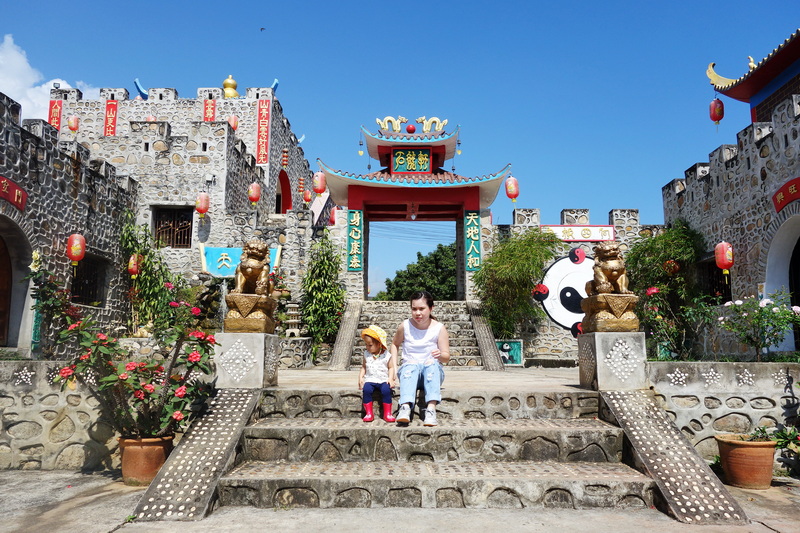
Santichon Village offers a cultural complement to Sai Ngam Hot Spring and can help travelers see a broader side of the Pai area. The site is associated with a Yunnan Chinese community and presents food, architecture, and visitor activities connected with that heritage. Travelers should approach it respectfully, remembering that cultural identity is not simply a performance for tourists.
When visiting, follow local guidance, ask permission before photographing people, and avoid making assumptions about traditions or community life. Combining Santichon Village with the spring can create a balanced day of natural and cultural interest, provided the route leaves enough time for both places rather than turning each into a hurried photo stop.
Mor Paeng Waterfall
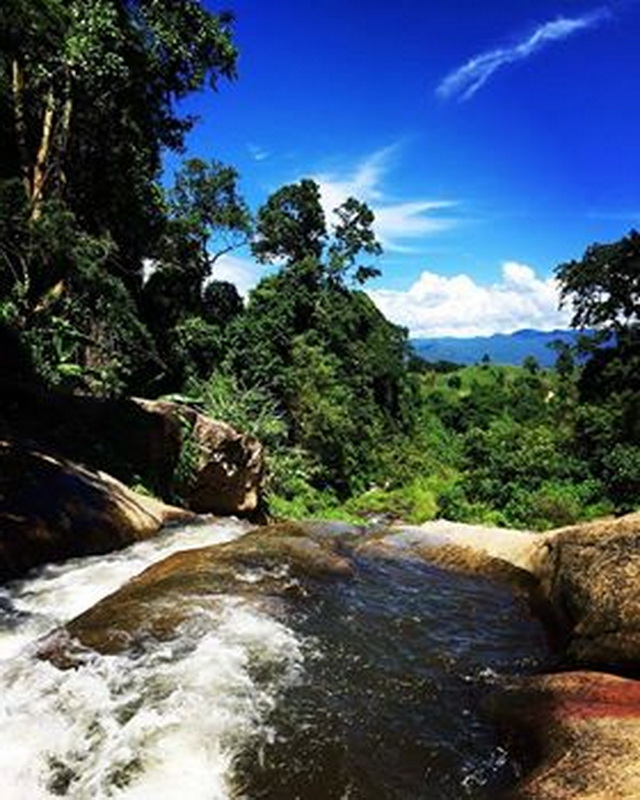
Mor Paeng Waterfall is a popular natural attraction in the Pai area, known for flowing water and smooth rock formations that create a different outdoor experience from the warm pools at Sai Ngam. Water levels and surfaces can vary with the season, so visitors should assess conditions on arrival and use care around wet rocks.
The waterfall can complement a spring visit for travelers interested in several kinds of landscape within Pai District. Wear footwear with reliable grip, keep personal belongings secure, and follow any local safety instructions. As at the spring, leave no rubbish and avoid behavior that could damage the surrounding environment or disturb other visitors.
Final Thoughts
Sai Ngam Hot Spring is most rewarding when treated as one element of a carefully paced Pai District itinerary. The spring offers warm mineral water and a forest setting, while Santichon Village and Mor Paeng Waterfall provide contrasting cultural and natural experiences nearby. From Chiang Mai, allow for the realities of mountain travel and avoid promising yourself more stops than the route can comfortably support. With respectful conduct, flexible timing, and attention to local conditions, a visit can become a calm and responsible introduction to the wider attractions of Mae Hong Son Province.
