Lahu Hill Tribe Cultural Appeal in Chiang Mai
Discover the living traditions, diverse identities, and respectful encounters that shape Lahu cultural visits in Northern Thailand
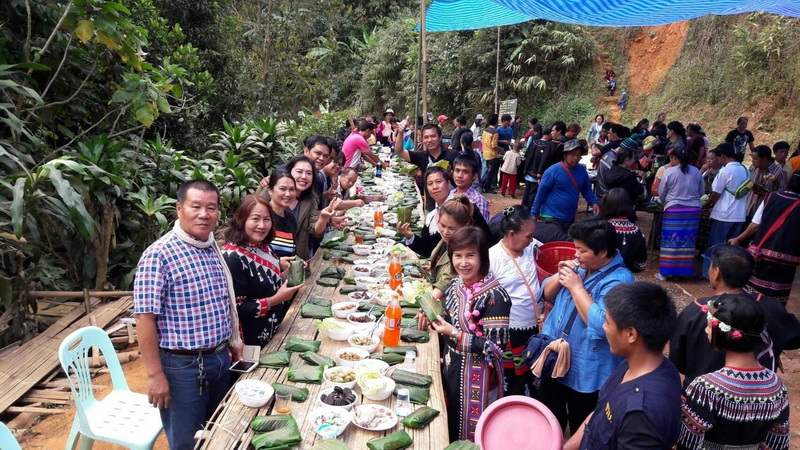
Northern Thailand is home to many Indigenous and ethnic communities whose histories, languages, beliefs, and livelihoods have developed across the mountain landscapes. A visit connected with the Lahu Hill Tribe can be meaningful because it invites travelers to look beyond scenery and consider the people who give each place its character. The appeal is not a staged image of remote life, but the opportunity to learn how a community maintains identity while responding to changing social and economic conditions. The name Lahu refers to a diverse people rather than one uniform village culture. In Thailand, some Lahu communities may also be described through the term Muser, a name commonly encountered in local and tourism contexts. This is why Muser Hill Tribe information should be approached with care: labels can help visitors understand regional history, but they do not describe every family, settlement, belief, or experience. For culture-focused travelers, the Lahu stand out through the relationship between community life, upland environments, oral traditions, music, dress, ceremonies, and faith. These features are living expressions rather than museum pieces. Understanding that distinction is the starting point for a respectful visit and a more thoughtful idea of what makes a hill tribe encounter worthwhile.
A Living Identity Across Northern Thailand
The Lahu are an upland people found across parts of mainland Southeast Asia, including northern Thailand. Their communities are not identical, and differences may appear in language, religious practice, clothing, settlement history, and relations with neighboring groups. This diversity matters when discussing the Lahu Hill Tribe because a single description can easily turn a complex identity into a simplified tourist category.
Lahu languages belong to the Tibeto-Burman language family, and many Lahu people also communicate in Thai or other regional languages. In everyday life, identity may be expressed through family relationships, village participation, customary knowledge, worship, work, and celebrations. A visitor may notice that tradition is carried through ordinary activities as much as through formal ceremonies.
The term Muser is often used in Thailand for Lahu people, although naming practices can vary and individuals may identify themselves in more specific ways. Asking how people prefer their community or identity to be described is more respectful than assuming that an outside label tells the whole story. This small act of attentiveness reflects a broader principle: cultural understanding begins with listening.
What Makes Lahu Culture Distinctive
One distinctive feature of Lahu cultural life is the importance of collective memory. Stories, songs, ritual knowledge, and customary practices help connect younger generations with older ones. Music and dance may be associated with celebrations and community gatherings, while spoken knowledge can preserve ideas about ancestry, morality, the natural world, and social responsibilities. Visitors should not assume that every performance is intended for public viewing; some expressions belong within the community.
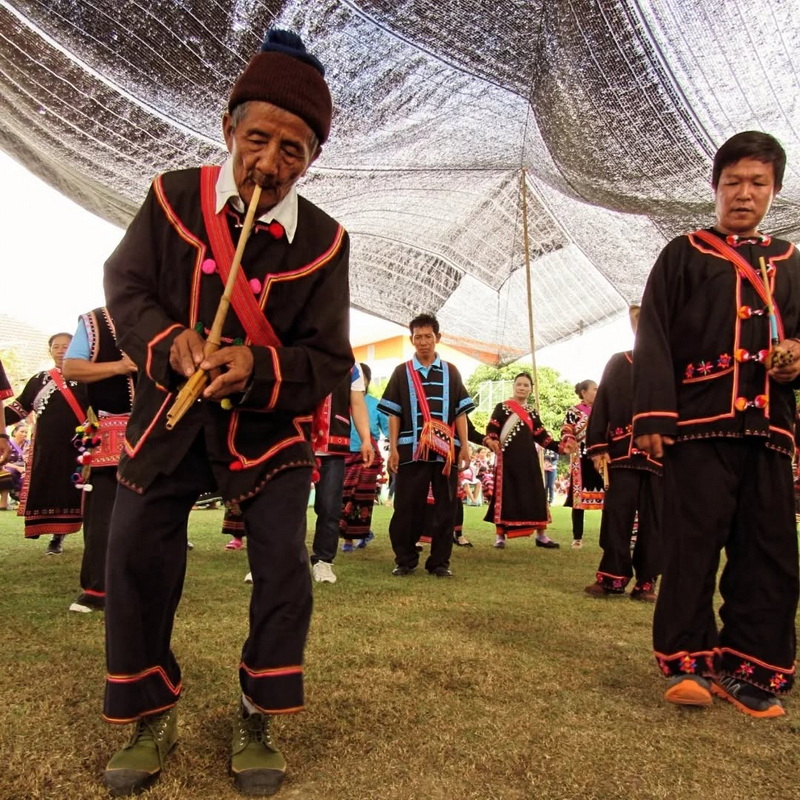
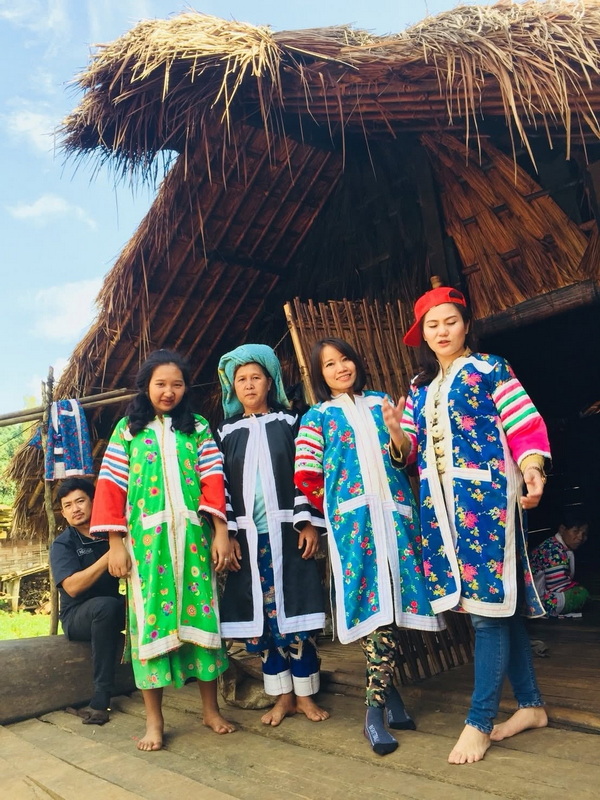
Lahu clothing is another visible expression of identity, but it should be understood as more than decoration. Styles, colors, embroidery, and accessories can vary among Lahu groups and may be worn differently according to age, occasion, or personal choice. Complimenting clothing is appropriate when done politely, while photographing garments or people requires consent. Treating dress as a sign of living identity rather than a costume changes the tone of the encounter.
Religious life also demonstrates the variety within Lahu communities. Some Lahu follow forms of Christianity, Buddhism, or local spiritual traditions, and practices may overlap or change over time. Beliefs connected with ancestors, spirits, moral conduct, and the natural environment may remain important even where newer religious institutions are present. The most accurate visitor perspective is therefore curious and specific, avoiding the assumption that one faith represents all Lahu people.
Why Travelers Find a Lahu Visit Meaningful
The visitor appeal of a Lahu cultural experience often lies in its human scale. Instead of collecting photographs of unfamiliar customs, travelers can pay attention to conversations, shared meals when invited, local craft knowledge, farming perspectives, and explanations of community history. Such moments encourage visitors to see a village as a lived-in home where people work, study, worship, raise families, and make decisions about their future.
An encounter may include learning about agricultural routines, observing a craft demonstration, hearing traditional music, or discussing how younger residents balance local identity with education and employment elsewhere. These experiences are valuable when community members choose what to share and retain control over the way their knowledge is presented. The most memorable lesson may be a thoughtful conversation rather than a dramatic attraction.
Travelers searching online for the Best Hill Tribe To Visit In Chiang Mai may expect one definitive answer. In reality, the best choice depends on the kind of encounter a community supports and on whether the visit is organized with consent and benefit-sharing in mind. The Lahu can be especially appealing to visitors who want cultural depth, but the quality of a visit should be measured by respect and understanding, not by how unusual the setting appears.
How to Engage Without Turning Culture Into Spectacle
Respectful travel begins before entering a community. Learn a little about Lahu history and the local context, follow guidance from community hosts, and remain open to the possibility that some spaces or ceremonies are private. Do not enter homes, religious areas, or working spaces without an invitation. A greeting, a patient question, and attention to local instructions can communicate more respect than an elaborate display of interest.
Consent is essential for photography, video, interviews, and portraits. Ask each person clearly, and accept a refusal without taking it personally. Children deserve particular care, since an adult’s permission may not always address the wider concerns surrounding public images. Avoid photographing people while they are praying, working, eating, or participating in a ceremony unless hosts explicitly indicate that it is welcome.
Visitors should also consider how money and attention move through a community. Buying locally made goods directly from craftspeople, paying fairly where a community activity has a stated fee, and avoiding aggressive bargaining can support livelihoods. It is equally important not to make promises, distribute gifts impulsively, or treat poverty as an attraction. Ethical engagement recognizes both the knowledge and the agency of the people being visited.
A responsible traveler avoids intrusive questions about ethnicity, religion, citizenship, or personal hardship. The phrase Muser Hill Tribe may appear in travel material, but individuals should never be reduced to that label. Ask about daily life, crafts, food, farming, music, or local priorities only when the conversation feels appropriate. Good cultural tourism creates space for mutual dignity rather than demanding a performance.
Placing the Experience in a Chiang Mai Journey
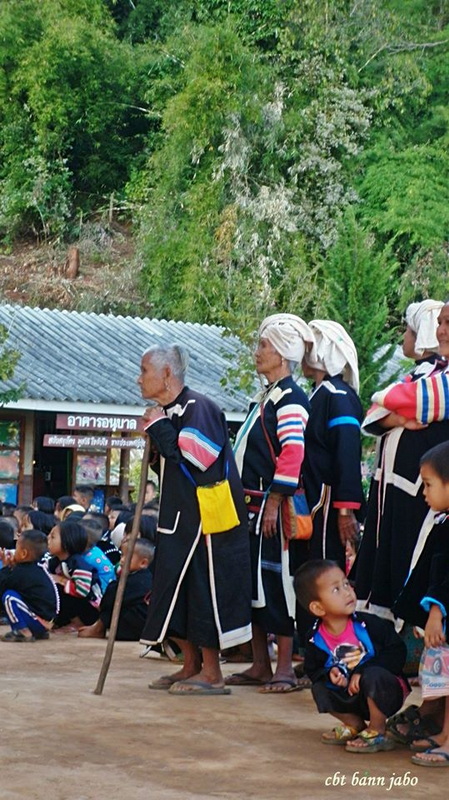
Many travelers encounter Lahu cultural experiences while researching Chiang Mai Trip Packages. Package travel can provide a useful framework for discovering Northern Thailand, but the wording of an itinerary does not by itself prove that a visit is ethical or community-led. Before choosing an experience, readers can ask whether local hosts are involved in planning, whether photography rules are explained, and how community income is handled.
It is also wise to look for descriptions that identify people and places with care rather than relying on words such as primitive, untouched, or exotic. A village does not need to be isolated from modern life to have cultural value. Roads, schools, mobile phones, migration, religious change, and new forms of employment are all part of contemporary community life. Authenticity is not the absence of change; it is the ability of people to define their own identity amid change.
A considerate visit leaves room for uncertainty. A traveler may not see a ceremony, hear every story, or receive access to every part of village life, and that is not a failure. The limits are evidence that the community is not a theater arranged entirely for outsiders. When a visit is approached as an exchange of attention and learning, rather than a checklist, the broader Northern Thailand journey becomes more rewarding and responsible.
For readers seeking Muser Hill Tribe Information Thailand, the most useful takeaway is that cultural context should guide behavior. Learn the preferred terminology, respect differences among communities, support locally directed livelihoods, and allow hosts to decide what is shared. These principles make a Lahu visit more meaningful while helping protect the dignity that gives cultural heritage its continuing strength.
Final Thoughts
The Lahu Hill Tribe appeals to travelers not because it offers a carefully packaged image of difference, but because it reveals the depth of living community traditions. Language, clothing, music, belief, work, and family memory all contribute to a culture that continues to develop. Visitors can honor that richness by asking permission, listening carefully, avoiding stereotypes, and supporting experiences shaped by local people. With this approach, a Lahu encounter becomes more than a stop on a Northern Thailand itinerary: it becomes an opportunity to practice curiosity with humility.
