Wat Kam Ko and the Best Day Trips Around Mae Hong Son
A practical cultural route for travelers weighing Mae Hong Son visits from Chiang Mai
Planning a short visit to the far north of Thailand often means deciding whether Mae Hong Son deserves a dedicated journey or can fit into a tightly organized day. The answer depends on your starting point, transport, and willingness to spend much of the day on winding mountain roads. Within the town, however, several culturally important sights are close enough to form a focused local route. Wat Kam Ko is especially suitable for travelers who want a quieter temple visit alongside broader views of Mae Hong Son’s religious and community landscape. This guide approaches the town as a planning decision rather than a checklist. It explains what makes Wat Kam Ko appealing, how to think about a Mae Hong Son Day Trip From Chiang Mai, and which nearby places can add meaning to the visit. The goal is not to promise a fixed itinerary or an effortless journey, but to help visitors judge the pace realistically and arrive with respectful expectations. For readers researching Attractions in Mae Hong Son, Wat Kamko offers a useful starting point because it connects architectural interest with the character of the provincial capital. A visit can be brief in duration yet rewarding when combined with time to observe the setting, understand temple etiquette, and appreciate how the town’s cultural sites relate to its surrounding hills.
Why Wat Kam Ko Belongs on a Mae Hong Son Shortlist
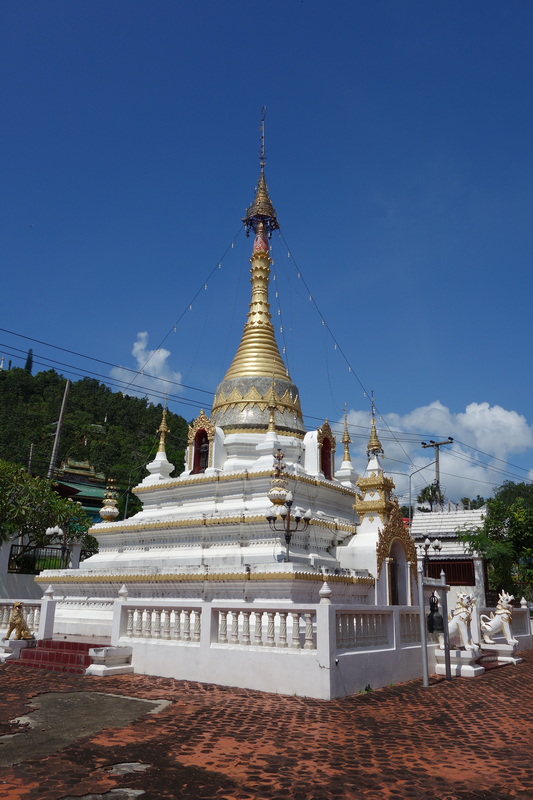
Wat Kam Ko, also written as Wat Kamko or Kam Ko Temple, is a Buddhist temple in Mueang Mae Hong Son District. Its appeal comes from its local atmosphere and traditional northern architectural character rather than from the scale of a major landmark. Visitors who prefer places where religious life remains central may find the temple more engaging than a stop designed only for photographs.
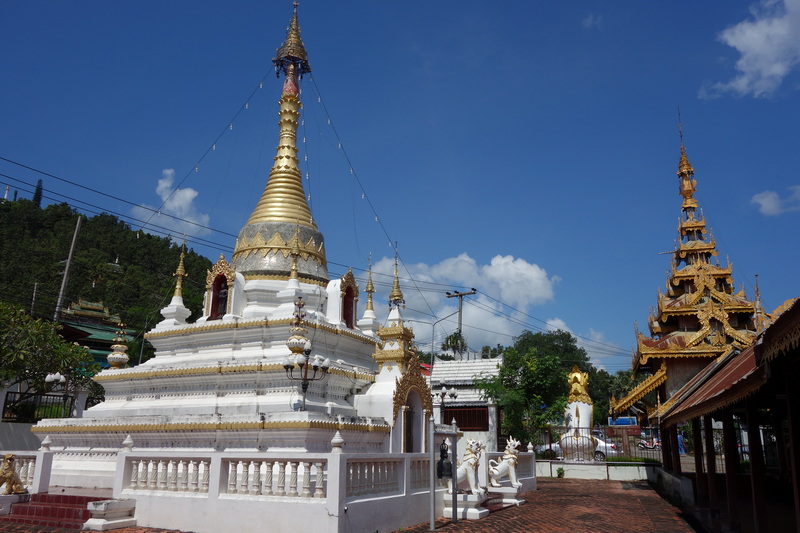
The temple is associated with the Shan cultural influence that is visible across Mae Hong Son. The province has long been shaped by connections between communities in the Thai highlands and neighboring areas of Myanmar, and this history can be reflected in local religious buildings, decorative details, and ceremonial traditions. Those influences should be viewed as part of a living cultural setting, not as a performance arranged for visitors.
A visit to Wat Kam Ko is therefore best approached slowly. Look at the relationship between the buildings, the courtyard, roof forms, and any visible religious details without touching objects or entering restricted areas. Monks and worshippers may use the temple for purposes unrelated to tourism, so a low voice, modest clothing, and discreet photography are appropriate. The experience is strongest when curiosity is balanced by restraint.
Can You Make It a Day Trip From Chiang Mai?
A Mae Hong Son Day Trip From Chiang Mai is possible in a technical sense, but it is not automatically practical for every traveler. Mae Hong Son lies a considerable distance from Chiang Mai, and the route crosses mountainous terrain with many bends. A same-day plan can involve a very early departure, a long return journey, and limited time in the town. Travelers who become uncomfortable on winding roads should consider whether the schedule would leave enough energy to enjoy the destination.
The more useful question is what kind of day you want. If the purpose is to see one or two significant sights and accept a compressed travel day, Wat Kam Ko can serve as a focused cultural stop once you reach Mae Hong Son. If you want unhurried temple visits, conversation with local people, time for meals, and space to respond to weather or road conditions, an overnight stay is generally a more comfortable approach. The town rewards a slower rhythm.
Transport choice also affects feasibility. A private vehicle or arranged driver can make it easier to manage stops and departure times, while public transport requires closer attention to available connections and return options. Exact schedules and road conditions can change, so they should be checked before departure. It is wise not to build a same-day plan around assumptions about every connection operating perfectly.
For independent visitors, map the total journey before committing. Include the time needed to reach Mae Hong Son, walk between local sights, pause respectfully at temples, and return to Chiang Mai. A day trip may suit travelers with limited time and strong tolerance for road travel, but it should be described as demanding rather than effortless.
Reading the Temple With Respect
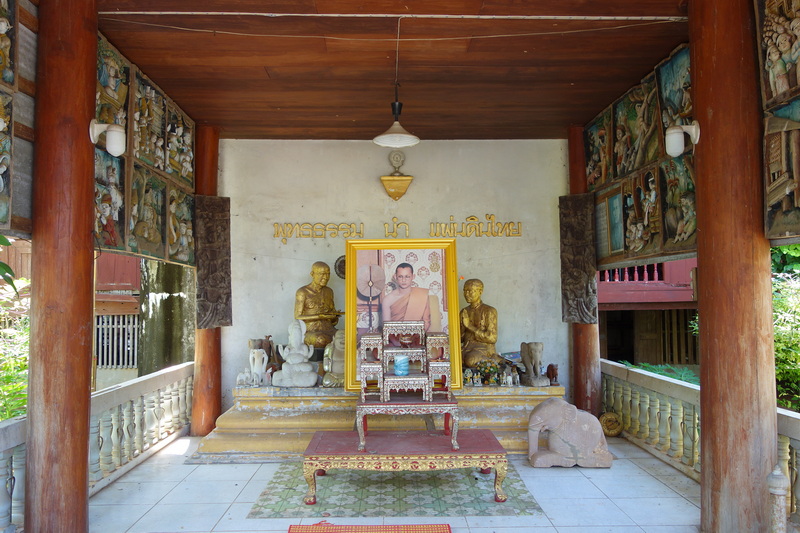
Wat Kam Ko Thailand visitors may notice that a temple visit involves more than identifying an attractive building. Buddhist temples are active religious spaces, and the atmosphere can change according to prayer, maintenance, festivals, or ordinary community use. There may not be a formal visitor experience, explanatory signs, or staff available to answer every question. Observation is often the most appropriate way to learn.
Dress should cover shoulders and knees where possible, particularly when entering a worship area. Remove shoes if signs or local practice indicate that this is required, and avoid stepping over offerings or placing personal belongings on sacred surfaces. Do not assume that every interior, image, or ceremony may be photographed. Asking permission, following posted instructions, or simply putting the camera away is a considerate choice.
The temple’s cultural importance can be understood through its setting within Mae Hong Son rather than through one dramatic story. Religious sites help show how communities express identity, maintain traditions, and create places for gathering. The Shan-influenced character of the region is part of a broader local history, and visitors should avoid reducing it to an exotic visual theme. A respectful visit leaves room for complexity.
The name also appears in several forms, including Wat Kam Ko Mae Hong Son, Wat Kam Ko Mueang Mae Hong Son, and Kamko Temple. These variations can be useful when checking maps or travel information, but they refer to the same focal destination in this guide. Confirm the location locally if map listings use a slightly different spelling.
Building a Local Route Around Your Main Visit
Wat Kam Ko works well as one part of a town-based cultural route. Instead of trying to collect every sight in Mae Hong Son, decide what interests you most: religious architecture, viewpoints, community life, or a combination of these. Then allow enough time for transitions and unplanned pauses. The compact scale of the town can make a small number of meaningful stops more satisfying than a hurried circuit.
Visitors interested in architecture can compare the character of Wat Kam Ko with other temples in the area, while those drawn to landscape can pair the town visit with a higher viewpoint. People with an interest in local communities may prefer to include a village visit, provided it is organized in a way that respects residents and does not treat daily life as a display. The right combination depends on the time available and the nature of the transport.
Weather matters as well. Mae Hong Son can be hot, and outdoor walking may feel more comfortable during cooler parts of the day. The rainy season can affect road travel and walking conditions, while haze may reduce distant views during some periods. These factors do not make a visit impossible, but they reinforce the value of flexible planning and realistic expectations.
For a first visit, keep the cultural focus clear: arrive at Wat Kam Ko prepared to observe, add one or two complementary places, and leave room for a meal or quiet break. This approach supports a better understanding of the town than rushing through a long list of attractions.
Who Will Enjoy This Experience Most?
Wat Kam Ko is a good choice for culture-focused travelers, photographers interested in architectural details, and visitors who appreciate smaller religious sites. It can also suit travelers who have already seen Thailand’s most famous temple complexes and want to encounter a less monumental setting. The attraction is not dependent on an elaborate activity program; its value lies in atmosphere, design, and connection to Mae Hong Son’s local identity.
It may be less suitable for someone seeking a short, easy outing from Chiang Mai with minimal travel time. The distance to Mae Hong Son remains the central consideration, and a long road journey can outweigh the benefits of a brief stop. Families, older travelers, and anyone sensitive to motion should consider comfort, rest breaks, and access needs before choosing a same-day schedule. Do not assume that every temple area offers the facilities or accessibility standards found at major urban attractions.
A thoughtful visitor also accepts that the most memorable part of the stop may be quiet and subtle. The temple may not provide a dramatic event or a large collection of displays. Instead, the experience comes from noticing the building’s place in the town, listening to the surrounding atmosphere, and recognizing that the site continues to matter to local worshippers. That perspective makes the visit more rewarding and more respectful.
Nearby Attractions
Wat Phra That Doi Kong Mu
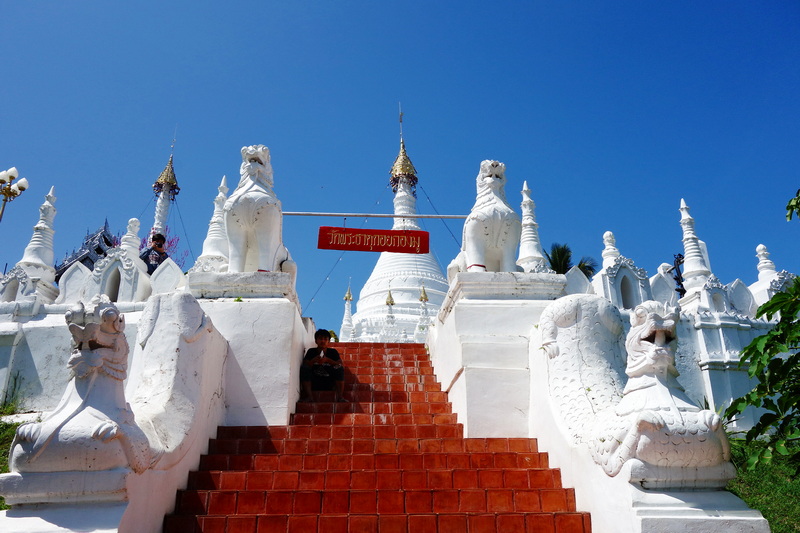
Wat Phra That Doi Kong Mu is one of Mae Hong Son’s best-known religious landmarks and stands on a hill above the town. Its elevated location gives visitors a broader view of the surrounding valley, while the temple complex provides an important point of reference for understanding the town’s Buddhist landscape. The climb or drive should be considered when planning energy and timing, especially after a long journey from Chiang Mai.
Placed alongside Wat Kam Ko, it offers a useful contrast: one stop can introduce a quieter town-level temple setting, while the hilltop site brings landscape and regional perspective into the visit. Treat both as active sacred places, dress appropriately, and avoid turning the viewpoint into the sole purpose of the temple visit.
Ban Huay Sua Tao
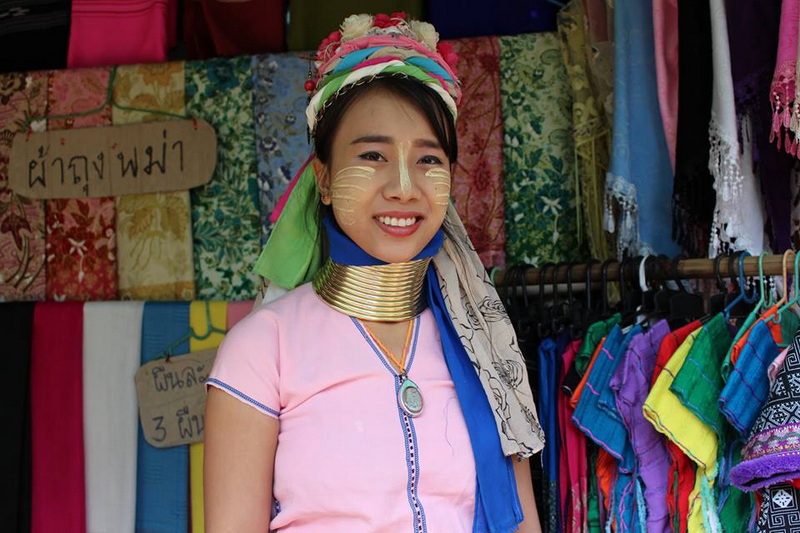
Ban Huay Sua Tao is a community destination near Mae Hong Son that may interest travelers who want to learn about local life beyond the town’s principal temples. The appropriate way to visit is with cultural sensitivity and an understanding that residents are people living their daily lives, not attractions existing solely for photography. Follow local guidance, ask before photographing individuals, and support community-led activities when available.
The village can complement Wat Kam Ko by broadening the day’s focus from religious architecture to community and regional identity. Whether it fits comfortably into a short trip depends on transport, road conditions, and the time spent at the temple and other stops. Visitors should avoid promising themselves a fixed sequence until they have confirmed current access and local arrangements.
Final Thoughts
Wat Kam Ko is most rewarding when treated as a cultural visit rather than a quick photo stop. A journey from Chiang Mai can be arranged for travelers with limited time, but the mountain distance makes an overnight stay more comfortable for many people. Pairing the temple with Wat Phra That Doi Kong Mu and, where appropriate, Ban Huay Sua Tao creates a varied view of Mae Hong Son without forcing an overpacked schedule. Plan conservatively, check current travel conditions, and give the temple the same courtesy you would offer any active place of worship. That combination of preparation and respect will help turn a demanding journey into a meaningful one.
