Pai Memorial Bridge and the Best Day Trips Nearby
A thoughtful route through history, waterfalls, hot springs, and the wider landscapes of Mae Hong Son
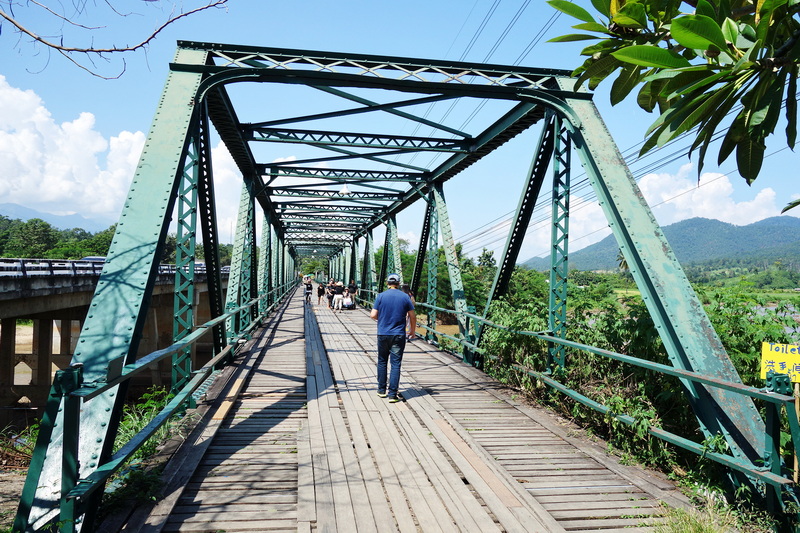
Some places are best understood as more than a quick photo stop. Pai Memorial Bridge is one of them: a modest structure beside the Pai River that opens a window onto wartime history, changing landscapes, and the quieter side of northern Thailand. Its setting also makes it a useful starting point for exploring several contrasting sights without treating the bridge as an isolated attraction. For first-time visitors, the most rewarding approach is to combine the bridge with natural stops rather than rushing through a list of landmarks. A visit can begin with a respectful look at the historical site, continue through the countryside toward Pam Bok Waterfall, and finish with the calm, forested pools of Sai Ngam Hot Spring. Travelers approaching from Chiang Mai should also think realistically about the distance and winding mountain roads. A Mae Hong Son Day Trip From Chiang Mai may be possible for determined planners, but Pai and its surrounding attractions are often easier to appreciate when the route is given generous time.
A Landmark Beside the Pai River
The Pai Memorial Bridge stands in the countryside south of Pai, in Pai District, Mae Hong Son Province. Its position above the river gives the site an open, uncomplicated character: hills surround the road, vegetation follows the watercourse, and the bridge itself provides a direct connection between the present landscape and an important period in regional history. Visitors generally come for a short walk, photographs, and a chance to pause rather than for a large museum experience.
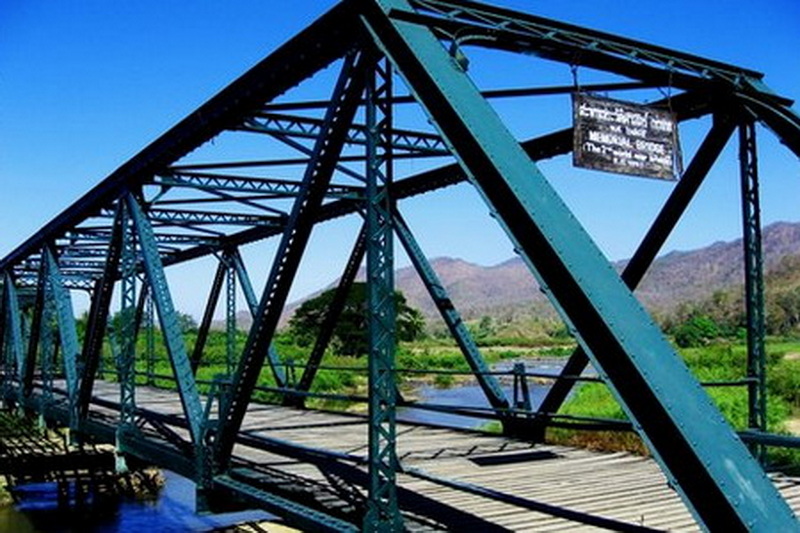
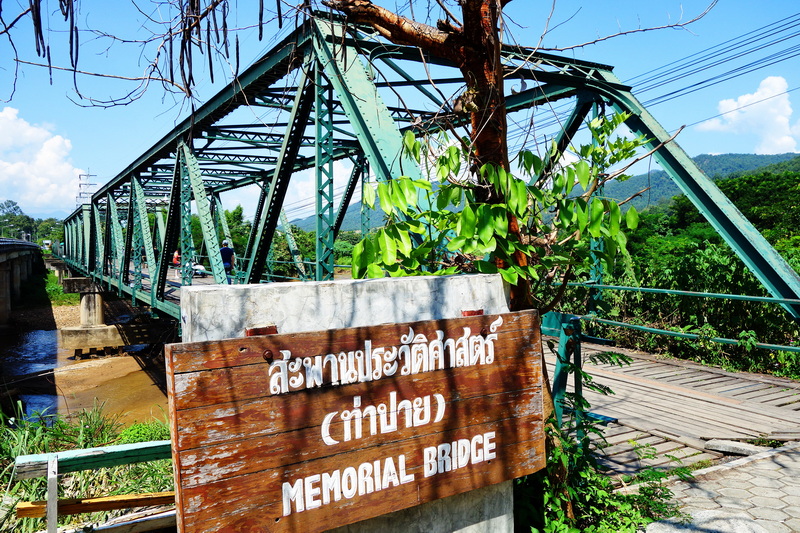
The bridge is also known by several names, including Tha Pai Memorial Bridge, Pai Historical Bridge, and World War II Memorial Bridge Pai. These names reflect the way the site is presented within local tourism and historical interpretation. The structure is associated with the Second World War and the Japanese military presence in this part of northern Thailand. Accounts of the period connect the crossing with wartime movement and local labor, making a visit worth approaching with respect rather than treating it only as a scenic backdrop.
The surrounding view is part of the experience. Instead of concentrating solely on the metal framework or river below, look toward the wooded banks and distant slopes. The scenery helps explain why the Pai area attracts both history-minded travelers and nature seekers. In a few minutes, the bridge can introduce the region’s geography, while nearby stops add a fuller sense of its environment.
How to Think About a Chiang Mai Day Trip
Planning a Mae Hong Son Day Trip From Chiang Mai requires an honest assessment of distance, road conditions, and personal energy. The journey toward Pai follows a mountainous route with many bends, so the map may look simpler than the actual travel experience. A day plan that includes the bridge should allow time for pauses, careful driving, and unexpected delays rather than filling every hour with attractions.
For many travelers, the bridge works better as one part of a Pai-focused itinerary than as the sole purpose of a long journey from Chiang Mai. An early start can create more flexibility, while a broader Pai and Mae Hong Son route allows the historical site and nearby natural attractions to be visited without excessive pressure. Visitors arranging a private journey can discuss the order of stops in advance; those traveling independently should check current road and weather conditions before setting out.
The best route depends on what you want from the day. History-focused visitors may spend longer reading available information and observing the bridge’s setting. Nature lovers may prefer a brief bridge visit followed by more time at the waterfall or hot spring. Families and older travelers should consider walking surfaces, heat, and the amount of time spent on the road. There is no single ideal schedule, but a realistic plan leaves room for the landscape instead of making it invisible.
Visiting the Tha Pai World War II Memorial Bridge
The Tha Pai World War II Memorial Bridge should be approached as a memorial landscape, not simply as an old crossing. Its wartime associations offer a reminder that roads and bridges can carry difficult histories. The bridge’s connection with the Japanese occupation period is part of the wider story of movement through the mountains during the war, while local people were affected by the demands and disruptions of that era.
Because the site is relatively open and simple, visitors may need to bring their attention rather than expect a long sequence of exhibits. Read any information panels that are present, notice the river and road relationship, and consider how a crossing in this location would have mattered before modern travel made the area more accessible. Avoid climbing on restricted parts of the structure or turning a memorial setting into a noisy photo session.
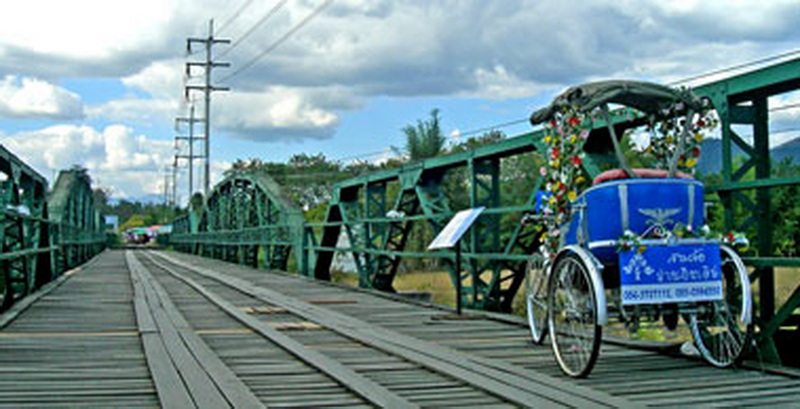
Morning or late afternoon can provide softer light and a more comfortable atmosphere, although conditions vary by season. The bridge may take only a short time to see, but that does not make it insignificant. A slower visit, followed by a quiet look at the riverbanks, often communicates more than a rushed stop made only to collect a photograph.
Building a Wider Day Around the Bridge
The most natural way to connect the Pai Historical Bridge with other sights is to follow the character of the landscape. Begin with history at the river, continue to a waterfall for a change in pace, and then seek the shaded atmosphere of a hot spring. This sequence moves from a human-made landmark to water shaped by terrain and finally to a forest environment, giving the day a clear regional flow.
This approach also suits travelers who want an introduction to Attractions in Mae Hong Son without attempting to cover the entire province. Mae Hong Son is known for mountain scenery, valleys, waterways, and culturally significant places spread across a large area. A compact outing near Pai can therefore feel varied even when it includes only a few stops. It offers a more manageable introduction than trying to visit distant parts of the province in one exhausting circuit.
Allow each location to have its own purpose. At the bridge, focus on memory and historical context. At Pam Bok Waterfall, observe the changing rock and water environment. At Sai Ngam Hot Spring, enjoy a slower nature break. Keeping these experiences distinct prevents the day from becoming a checklist and helps first-time visitors understand why Pai remains an appealing base for exploring northern Mae Hong Son.
Practical Ways to Make the Visit Meaningful
Comfort and respect matter more than elaborate preparation. Wear footwear suitable for uneven outdoor surfaces, carry drinking water, and protect yourself from strong sun when the route is exposed. Conditions can change between the road, the bridge, and forested natural sites, so a light layer and practical clothing are useful. Exact opening arrangements and local access conditions can vary, making a current check before departure sensible.
At the bridge, keep voices low if other visitors are reflecting on the memorial, follow any signs, and avoid damaging or leaning on historic elements. At natural sites, stay on appropriate paths, take rubbish away, and leave plants, rocks, and water features undisturbed. Hot springs can have slippery edges or changing water conditions, so observe local guidance rather than assuming every pool is suitable for bathing.
A good day trip is not measured by the number of photographs collected. It is measured by whether the traveler has understood the place, moved through it carefully, and allowed enough time to notice the relationship between history and landscape. That is especially true here, where the bridge is small but the stories and scenery around it extend well beyond the crossing.
Nearby Attractions
Pam Bok Waterfall
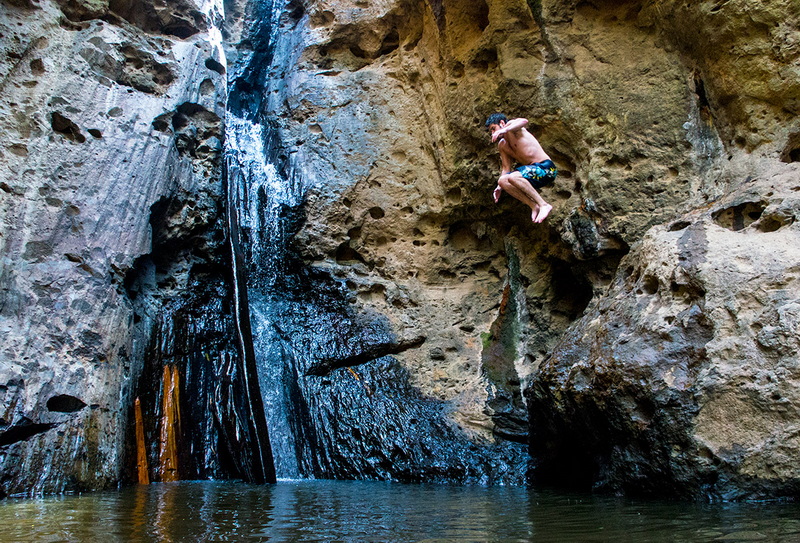
Pam Bok Waterfall offers a strong natural contrast to the historical atmosphere of the bridge. Water moves through a narrow, shaded setting framed by rock and vegetation, creating a cooler-feeling stop when the surrounding countryside is warm. The scale is intimate rather than grand, which makes it suitable for observing the details of flowing water, damp stone, and dense greenery.
Treat the waterfall as an outdoor environment rather than a guaranteed swimming stop. Water levels, weather, and footing can change, and access may involve uneven ground. Visitors who take time to look beyond the central cascade will notice how the narrow landscape channels light and sound. Paired with Pai Memorial Bridge, Pam Bok Waterfall adds a nature-focused chapter to an otherwise history-led outing.
Sai Ngam Hot Spring
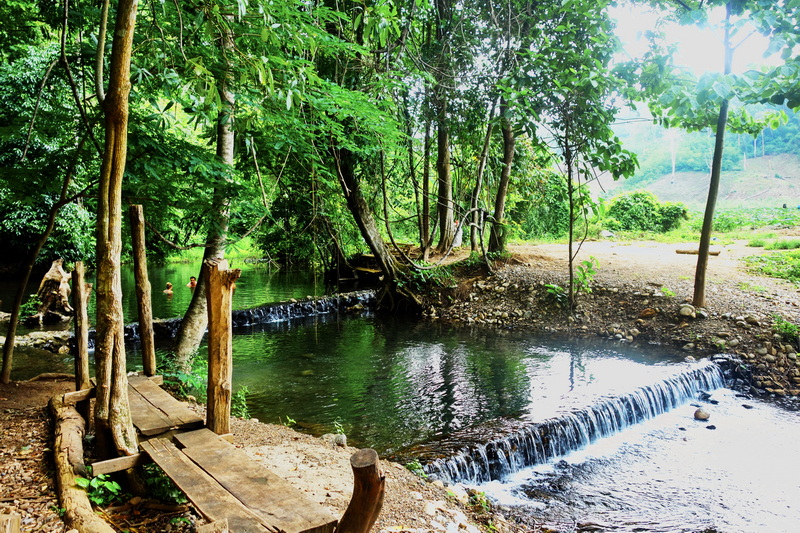
Sai Ngam Hot Spring brings a quieter, more restorative mood to a day around the bridge. Set within a green environment, the spring is associated with warm mineral water and the shade of surrounding trees. Its appeal lies less in dramatic views than in the combination of flowing water, forest atmosphere, and a slower pace after time on the road.
Visitors should follow current local instructions and pay attention to slippery surfaces, water temperature, and any seasonal access changes. A hot spring can be especially enjoyable when approached patiently: sit quietly, listen to the forest, and let the setting provide a contrast to the open river landscape at the memorial. Including Sai Ngam Hot Spring makes the wider itinerary feel balanced rather than dominated by sightseeing.
Final Thoughts
Pai Memorial Bridge is a concise visit with a broad setting. Its wartime associations give the stop historical weight, while the Pai River and surrounding hills connect that story to the living landscape of Mae Hong Son. When combined with Pam Bok Waterfall and Sai Ngam Hot Spring, the outing becomes more than a bridge photograph: it becomes a gentle progression through memory, water, forest, and mountain scenery. Plan the journey from Chiang Mai with realistic timing, travel respectfully, and leave enough space to observe each place on its own terms.
