Kho Ku So Bamboo Bridge for Day Trips and Group Travel
A practical short-excursion guide for visitors combining Pai scenery with a Mae Hong Son group itinerary
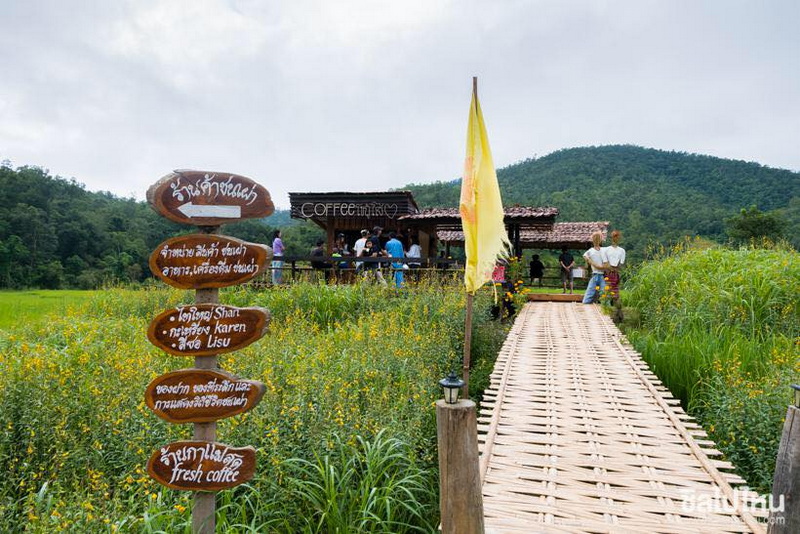
Kho Ku So Bamboo Bridge is a peaceful countryside stop in Pai District, Mae Hong Son, where a narrow bamboo walkway crosses green farmland and open rural scenery. Often referred to as the Pai Bamboo Bridge, it is better understood as a community-connected cultural and scenic attraction rather than a quick photo prop. The setting rewards an unhurried visit: visitors can walk carefully, observe the landscape, and appreciate how a simple structure connects people with the surrounding agricultural area. For travelers based in Chiang Mai, the bridge is most useful as one stop within a carefully planned short excursion rather than an isolated destination. The road journey toward Pai and Mae Hong Son involves mountain routes and considerable travel time, so a day itinerary needs realistic expectations. A shared vehicle, a small organized group, or a broader regional route can make the experience easier to manage, especially for visitors who prefer not to arrange every transfer themselves. This guide focuses on practical decisions: what a short visit can include, how group travel works, and which nearby places pair naturally with the bridge. It does not assume fixed schedules or specific tour inclusions, since local availability changes. Instead, it offers a framework for comparing options while leaving room for weather, road conditions, local customs, and the pace of the people traveling with you.
What to Expect at the Bamboo Bridge
The Kho Khu So Bamboo Bridge is a walkway-style attraction set amid the rural landscape of Pai District. Its appeal comes from the combination of a traditional-looking bamboo structure, cultivated fields, surrounding hills, and a slower atmosphere than the busier parts of Pai. The bridge is not primarily an adrenaline attraction. Visitors generally come to walk across it, take in the views, and understand how a modest community feature can become part of a wider cultural landscape.
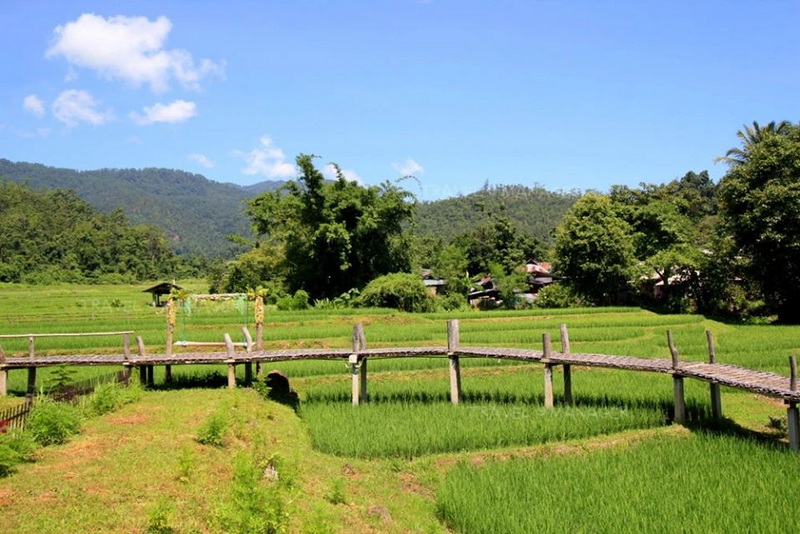
A visit is usually most comfortable when treated as a walking stop. Bamboo surfaces may feel uneven, and conditions can change after rain, so shoes with a secure grip are sensible. Walking slowly also helps visitors avoid crowding others and reduces unnecessary pressure on the structure. If a group arrives together, it is considerate to let people move at different speeds instead of turning the walkway into a rushed procession.
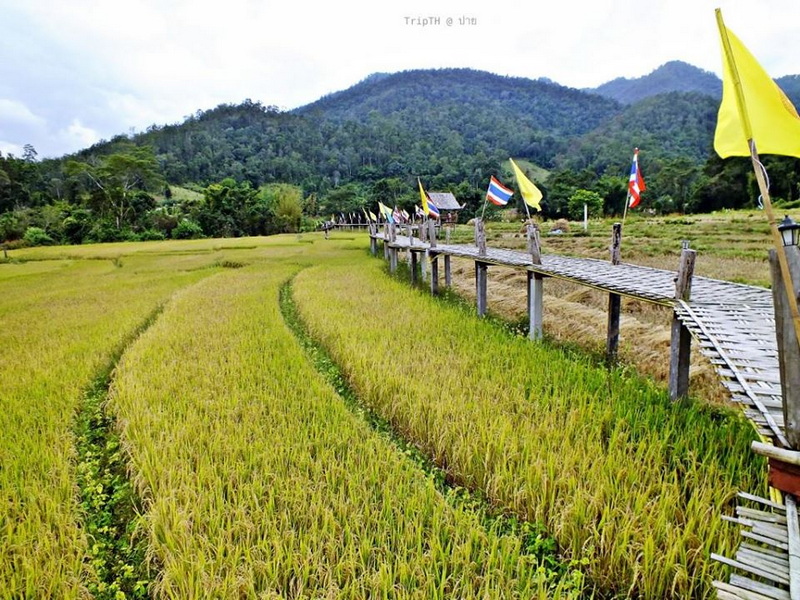
The surrounding setting deserves as much attention as the bridge itself. Look beyond the walkway toward fields, vegetation, drainage channels, and distant hills rather than expecting a dense collection of entertainment facilities. The rural character is part of the experience. Photography is appropriate when it does not obstruct the path or intrude on local residents, workers, worshippers, or other visitors. Travelers should also follow any on-site notices about access, footwear, litter, and restricted areas.
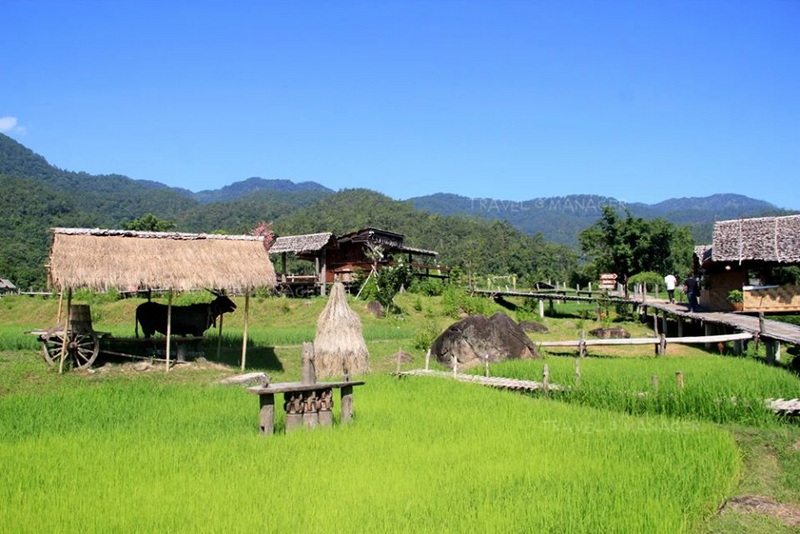
Names can vary in travel conversations and online searches. Kho Ku So Bridge, Kho Kuu So Bridge, and Kho Kuu So Bamboo Bridge may all be used when people describe the same Pai-area stop. This variation can matter when confirming directions with a driver or tour coordinator. The exact spelling is less important than checking that the proposed stop is in Pai District, Mae Hong Son, and not a different bamboo walkway elsewhere in northern Thailand.
Two Scenic Additions Around Pai
Once the bridge visit has been given enough time, the surrounding Pai area offers two contrasting stops that can broaden a short itinerary. They are worth considering as flexible additions, not compulsory boxes to tick, because road conditions and group pace may change the order or feasibility of the day.
Pam Bok Waterfall
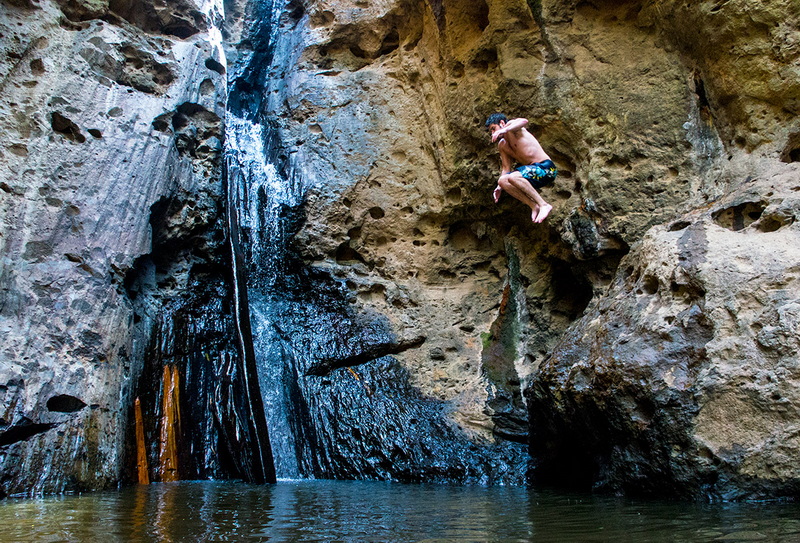
Pam Bok Waterfall can complement a bridge visit for travelers who want a short excursion with both rural scenery and a natural feature. The waterfall sits in a narrow landscape where seasonal water levels influence the appearance and atmosphere. Conditions may be less substantial in a dry period, while wet weather can make paths and rocks slippery. Visitors should follow local access guidance, use care near water, and avoid treating the area as suitable for every swimming or climbing activity.
For a group itinerary, the waterfall works best when the coordinator allows enough time for walking and changing conditions rather than promising a rushed photo stop. Comfortable footwear is useful, and travelers should carry out any rubbish. Combining Pam Bok Waterfall with the bridge can create a balanced day, but the two locations should not be added automatically if doing so produces excessive road time.
Pai Canyon
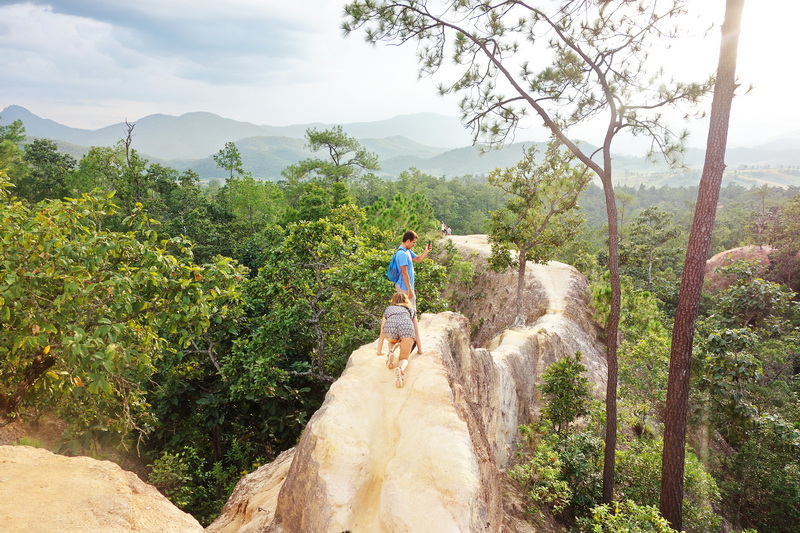
Pai Canyon offers a contrasting landscape of ridges, eroded earth, and elevated viewpoints. Its narrow trails and exposed edges can feel very different from the low, cultivated setting around the bamboo bridge. Visitors should remain on safe sections, avoid unstable edges, and take extra care in strong sun or after rain. The scenery is a reason to slow down, not an invitation to take risks for a photograph.
As part of a shared excursion, Pai Canyon may be easier to visit at a designated stop than to fit into an improvised route. Sunset is often a popular period, so travelers should check how crowd levels and return transport affect the plan rather than assuming that a group can stay indefinitely. Pairing the canyon with Kho Ku So Bamboo Bridge gives a day two distinct perspectives on Pai's landscape, provided the schedule remains realistic.
Building a Realistic Chiang Mai Excursion
A Mae Hong Son Day Trip From Chiang Mai requires careful thought about distance and road time. Pai is reached through winding mountain roads, and the bridge lies beyond the main urban area of Pai. For that reason, a day trip from Chiang Mai can become a long travel day if it attempts to include too many stops. Travelers should ask whether the proposed itinerary spends enough time at each location, how much time is allocated to road travel, and whether the route returns to Chiang Mai or finishes elsewhere.
The most practical short-excursion format may be a Pai-centered day while staying in or near Pai, rather than traveling from Chiang Mai solely for the bridge. Visitors already based in Chiang Mai can compare an organized outing with a longer route that includes an overnight stay. A broader Mae Hong Son itinerary may make the journey more comfortable because it spreads the mountain travel across several days, although that is no longer a simple day trip.
When reviewing an excursion, confirm the meeting area, transport type, group size, language support, meal arrangements, entrance costs if applicable, and the amount of walking involved. These details should be verified directly because operators change their schedules and inclusions. Also ask how the plan responds to heavy rain, road disruption, or a late departure. A clear answer is more useful than a promise that every stop will always be available.
Morning and afternoon conditions can feel different in northern Thailand, particularly during hot or wet periods. Carry water, sun protection, light rain protection, and any personal medication needed during a long road journey. Motion-sickness preparation may be useful on winding roads. Visitors should also avoid judging a short excursion only by the number of stops: a less crowded itinerary with adequate time at the bridge can be more satisfying than a rushed checklist.
How Group Tours Change the Experience
A Chiang Mai Group Tour can simplify transport and coordination for travelers who do not want to navigate the mountain route alone. Shared travel may also make a remote-feeling attraction more accessible to solo visitors, couples, and friends who prefer company. The trade-off is reduced flexibility. Departure times, meal breaks, and time at each stop are normally shaped by the group, so travelers should choose a format that matches their tolerance for a structured day.
Group size affects the atmosphere at the bridge. A smaller group may move more easily along a narrow walkway and allow the guide to explain local context without blocking other visitors. A larger vehicle can be practical for transport, but it may arrive with more people than the site feels comfortable accommodating at once. Responsible guides normally encourage orderly movement, but each traveler also has a role in keeping voices moderate, waiting their turn, and leaving space for local activity.
Before booking, ask whether the excursion is a general sightseeing route or a trip specifically designed around Pai and Mae Hong Son. Some itineraries may mention a place by an alternative spelling, such as Kho Khu So Bridge in Pai, while using broad regional labels for marketing. Confirming the actual route prevents confusion. It is also sensible to check the cancellation or change policy without assuming that weather-related alterations will be handled in a particular way.
Shared travel works best when the group agrees on simple expectations. Be ready at meeting points, keep personal belongings compact, and tell the coordinator early about mobility needs or dietary restrictions. Do not pressure other participants to hurry for a photograph. A respectful group can enjoy the bridge while preserving its rural character, especially when members remember that the attraction exists within a lived landscape rather than a private stage built only for visitors.
Making a Short Visit Feel Meaningful
The bridge is easy to treat as a brief stop between larger attractions, but a few thoughtful habits can give the visit more depth. Notice the materials, the relationship between the walkway and the fields, and the way the surrounding community manages visitor movement. Avoid climbing on railings, shaking the structure, or using drones where they could disturb people or wildlife. Keep food, plastic, and other waste with you until a suitable disposal point is available.
Cultural respect also means avoiding assumptions about local communities based on appearance or a short encounter. Visitors do not need to turn the site into a romantic story about an untouched village. A more accurate approach is to recognize that the bridge belongs to a working region with its own residents, religious practices, agricultural routines, and changing tourism pressures. Ask permission before photographing identifiable people, and follow local instructions even when they differ from expectations at home.
For a short tour, a useful rhythm is to arrive without rushing, listen to the guide or local information, walk at a considerate pace, and leave enough time for the group to regroup. Travelers who want a quieter experience can discuss timing with an operator, but should not assume that a particular hour will guarantee solitude. Weather, road conditions, and other visitors remain part of the day.
This measured approach also helps travelers decide whether a day trip is suitable. People who enjoy scenic road journeys and shared schedules may find a group outing convenient. Those who dislike long transfers or fixed departure times may prefer an overnight stay in Pai and a locally arranged visit. Neither choice is automatically better; the right option depends on available time, budget, comfort, and the importance placed on flexibility.
Choosing the Right Pace for Pai
Kho Ku So Bamboo Bridge suits travelers who value scenery, a gentle walk, and a glimpse of rural life more than a packed attraction list. From Chiang Mai, the key decision is whether a long shared day is comfortable or whether an overnight Pai stay would create a better rhythm. Group tours can reduce transport stress, but they require patience and cooperation. By checking the route carefully, preparing for changing weather, and respecting the bridge, nearby communities, and natural surroundings, visitors can turn a short excursion into a considered and enjoyable part of a Mae Hong Son journey.
