Sunday, August 23, 2026

Exploring Hmong Doi Pui Village with Budget and Private Tour Options in Chiang Mai

Exploring Hmong Doi Pui Village with Budget and Private Tour Options in Chiang Mai

A practical guide to visiting Hmong Doi Pui Village alongside budget and private tours to Doi Suthep with enriching nearby attractions
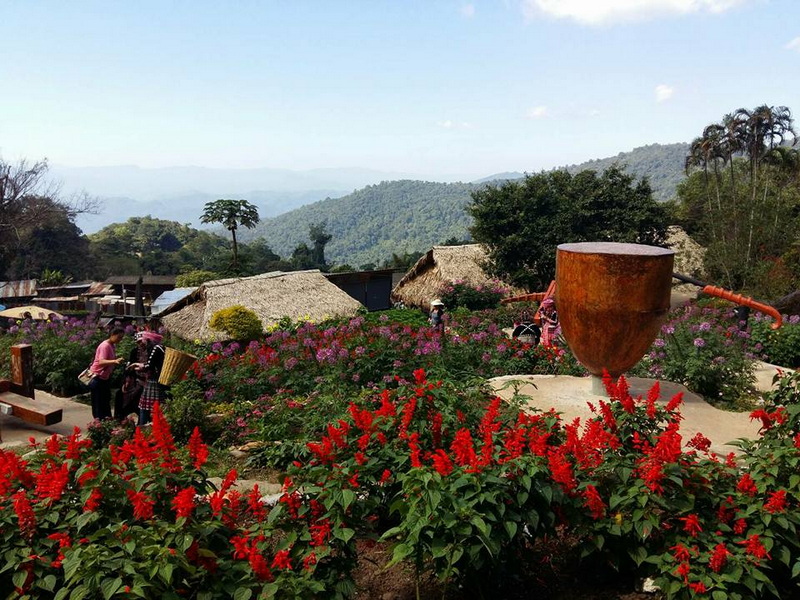
Mountain village with thatched roofs, colorful flowers, and lush greenery at Hmong Doi Pui Village.

Nestled in the hills of Muang Chiang Mai, Hmong Doi Pui Village offers travelers a unique opportunity to experience one of the best hill tribe villages in Northern Thailand. Known for its rich cultural heritage and vibrant traditional crafts, this village provides an authentic glimpse into the life of the Hmong people. For visitors planning their trip, the availability of both budget and private tour options to Doi Suthep makes it easier to tailor experiences according to preferences and budgets. This guide focuses on practical insights for travelers seeking affordable and private tour options that include visits to Hmong Doi Pui Village. It outlines the differences between budget tours and private tours to Doi Suthep, highlighting how each can complement your exploration of the hill tribe culture. Additionally, nearby attractions such as Wat Pha Lad and Wat Phra That Doi Suthep enrich the itinerary, making the trip more culturally immersive and rewarding. Whether you are a first-time visitor or an experienced traveler looking for respectful and ethical ways to connect with indigenous communities, this guide aims to provide clear, practical advice. It encourages cultural sensitivity while helping you confidently plan your visit to one of the best hill tribe to visit in Chiang Mai, ensuring a meaningful and respectful travel experience.

Understanding Hmong Doi Pui Village and Its Cultural Significance

Hmong Doi Pui Village, also known as Doi Pui Hmong village, is one of the most accessible and culturally rich hill tribe villages near Chiang Mai. Perched on the slopes of Doi Pui mountain, it is home to the Hmong people, an indigenous group with a distinct language, dress, and traditional way of life. Visitors can observe intricate embroidery, silverwork, and handicrafts that are integral to Hmong identity and artistry. Travelers researching Budget Tour Doi Suthep can use these details when planning the trip. Travelers researching Private Tour Doi Suthep can use these details when planning the trip.

The village itself is a peaceful community where daily life unfolds with a strong connection to nature and traditional farming practices. Unlike some tourist-oriented locations, Hmong Doi Pui Village maintains authenticity by prioritizing respectful visitor interaction and community consent. This approach ensures that the cultural heritage is preserved and shared ethically.

Visitors learn not only about the crafts and customs but also about the history of the Hmong people in Northern Thailand, including their migration and settlement in the region. The village’s location within a lush natural setting adds to the appeal, with scenic views and opportunities to appreciate the local biodiversity.

Exploring Budget Tour Options to Doi Suthep and Hmong Doi Pui Village

Budget tours to Doi Suthep often include a visit to Hmong Doi Pui Village as part of a half-day or full-day itinerary. These tours provide an affordable way for travelers to experience the cultural highlights and natural beauty of the area without requiring extensive planning or high costs.
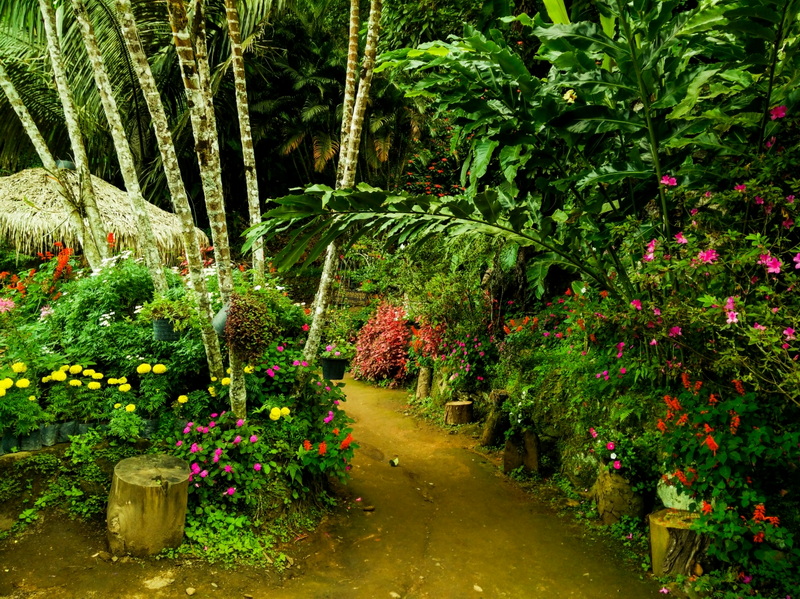
Dirt pathway winding through a lush tropical garden with vibrant flowers and tall trees at Hmong Doi Pui Village.

Typically, budget tours are group-based, which helps keep prices low while offering the opportunity to meet other travelers. These tours focus on key attractions such as Wat Phra That Doi Suthep, a revered temple with panoramic views of Chiang Mai, and the traditional lifestyle showcased at Hmong Doi Pui Village.

While budget tours provide convenience and value, the group setting means less flexibility in schedule and pace. Visitors should be mindful to engage respectfully and follow guides’ instructions to ensure the community’s privacy and dignity are maintained. Budget tours are a practical choice for travelers seeking a well-rounded cultural experience without a premium price.

Advantages of Private Tour Doi Suthep Including Hmong Doi Pui Village

Private tours offer a more personalized and flexible way to visit Doi Suthep and Hmong Doi Pui Village. Ideal for travelers who prefer a tailored itinerary, these tours allow more time to engage with the hill tribe community, ask questions, and explore at a comfortable pace.

With a private guide, visitors can deepen their understanding of the cultural practices and history, often gaining access to experiences that group tours cannot provide. This can include more meaningful interactions with villagers and opportunities to witness traditional crafts and ceremonies when available.

Private tours also allow for better accommodation of specific interests or mobility needs, making them suitable for families, couples, or solo travelers seeking a more intimate and respectful cultural encounter. While private tours typically cost more than budget options, the enhanced experience often justifies the investment for those prioritizing cultural depth and ethical engagement.

Three traditional rifles hanging on a wooden wall with a small label nearby at Hmong Doi Pui Village.

Practicing Respectful and Ethical Engagement with Hill Tribe Communities

When visiting any hill tribe village, including Hmong Doi Pui Village, it is crucial to approach with respect and cultural sensitivity. Visitors should avoid exoticizing or treating the community as a spectacle and instead focus on genuine appreciation and learning.

Simple gestures such as asking permission before photographing individuals, following local customs, and listening attentively to guides and community members contribute to a dignified experience for both visitors and hosts. Ethical tourism supports the community’s autonomy and well-being, ensuring that tourism benefits are shared fairly.

Engaging with hill tribe villages through recognized tours that prioritize consent and cultural respect helps protect these communities from exploitation. Travelers are encouraged to support local artisans by purchasing authentic handicrafts directly from the makers, which sustains traditional livelihoods.

Ultimately, respectful engagement fosters mutual understanding and enriches the travel experience, creating lasting memories grounded in cultural appreciation rather than superficial tourism.
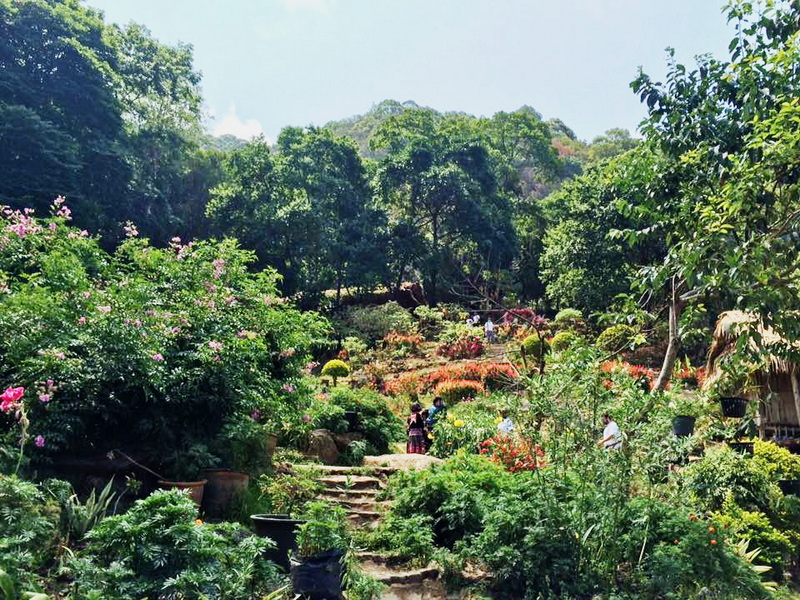
A vibrant garden with colorful flowers, green trees, and stone steps amidst lush foliage at Hmong Doi Pui Village.

Tips for Planning Your Visit to Hmong Doi Pui Village and Surrounding Attractions

When planning your visit, consider the time of day and weather, as the village is located at higher elevation and can be cooler than Chiang Mai city. Early morning or late afternoon visits offer comfortable temperatures and softer light for photography.

Combining your trip with visits to nearby Wat Pha Lad and Wat Phra That Doi Suthep enhances your cultural itinerary. Both temples hold religious significance and offer opportunities to observe Buddhist practices alongside hill tribe culture.

Transportation options vary depending on your tour choice. Budget tours often include shared transport, while private tours provide more convenience and personalized pickup and drop-off. Independent travelers should prepare for limited public transport and consider hiring a local driver.

Respect for local customs, including dress code and behavior at religious sites and village community spaces, is essential. Modest clothing and quiet, polite conduct help maintain the sanctity of these places and the dignity of the people who live there.

Nearby Attractions

Wat Pha Lad
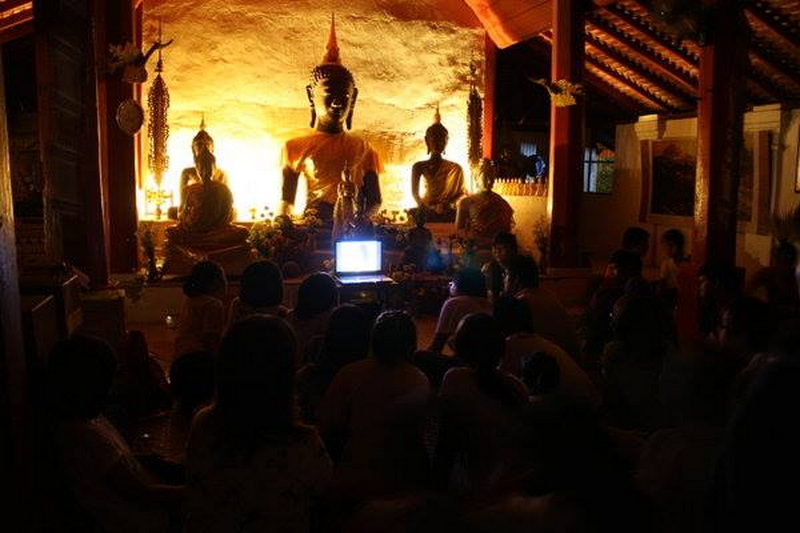
People sitting in a dark room with statues and warm lighting, watching a screen at Wat Pha Lad.

Wat Pha Lad is a serene Buddhist temple located near Hmong Doi Pui Village, known for its tranquil atmosphere and forested surroundings. This temple provides visitors with a peaceful place for reflection and insight into Northern Thai Buddhist practices.

The temple grounds include meditation spots and simple wooden structures that harmonize with the natural landscape. Wat Pha Lad is often less crowded than other temples in the area, allowing for a quieter experience.

Visiting Wat Pha Lad alongside Hmong Doi Pui Village offers a balanced cultural and spiritual dimension to your tour, illustrating the interconnectedness of hill tribe life and Buddhist traditions in Northern Thailand.

Wat Phra That Doi Suthep
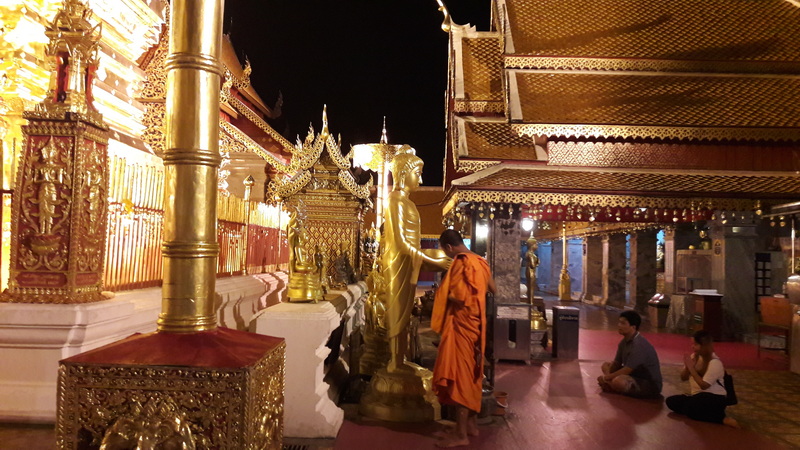
Monk in orange robes paying respect to gold elephant statues inside a decorated temple at Wat Phra That Doi Suthep.

Wat Phra That Doi Suthep is one of Chiang Mai’s most iconic temples and a must-see for visitors exploring the region’s hill tribe villages. Situated on Doi Suthep mountain, the temple provides panoramic views of Chiang Mai and the surrounding countryside.

This sacred site is deeply revered by locals and tourists alike, featuring intricate Lanna-style architecture, golden stupas, and richly decorated shrines. The temple’s religious significance makes it a focal point for cultural and spiritual tourism in the area.

A visit to Wat Phra That Doi Suthep enriches the experience of seeing Hmong Doi Pui Village by offering insight into the broader religious context that influences hill tribe communities and Northern Thai culture.

Final Thoughts

Visiting Hmong Doi Pui Village alongside Doi Suthep offers a rewarding journey into the heart of Northern Thailand’s indigenous cultures and spiritual heritage. By choosing between budget tours and private tours, travelers can find options that suit their preferences while ensuring respectful and ethical engagement with local communities. Including nearby attractions like Wat Pha Lad and Wat Phra That Doi Suthep adds layers of cultural richness and natural beauty to your itinerary. Planning thoughtfully and approaching the experience with openness and respect will help you enjoy one of the best hill tribe to visit in Chiang Mai with confidence and meaningful connection.

Exploring Doi Suthep-Pui National Park with Budget Tours and Jungle Trekking

Exploring Doi Suthep-Pui National Park with Budget Tours and Jungle Trekking

Discover affordable tours and immersive jungle trekking experiences in one of northern Thailand’s must-visit parks

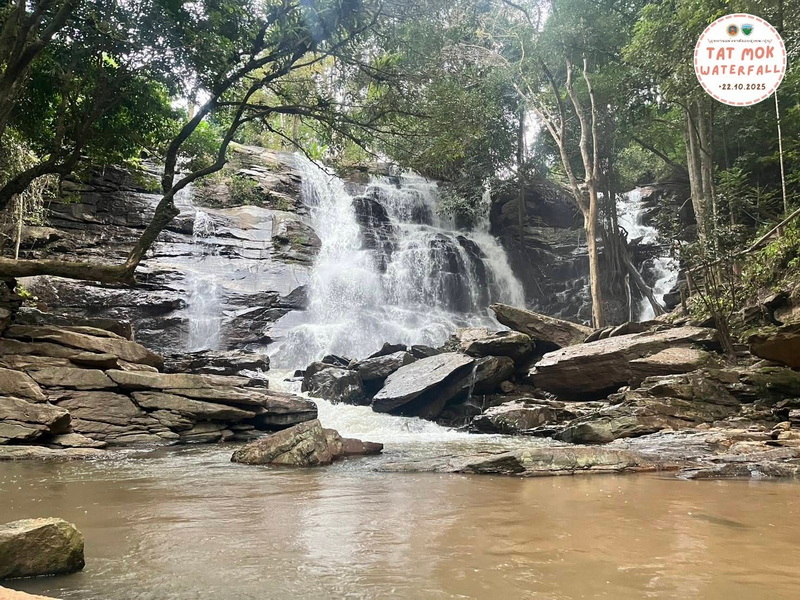
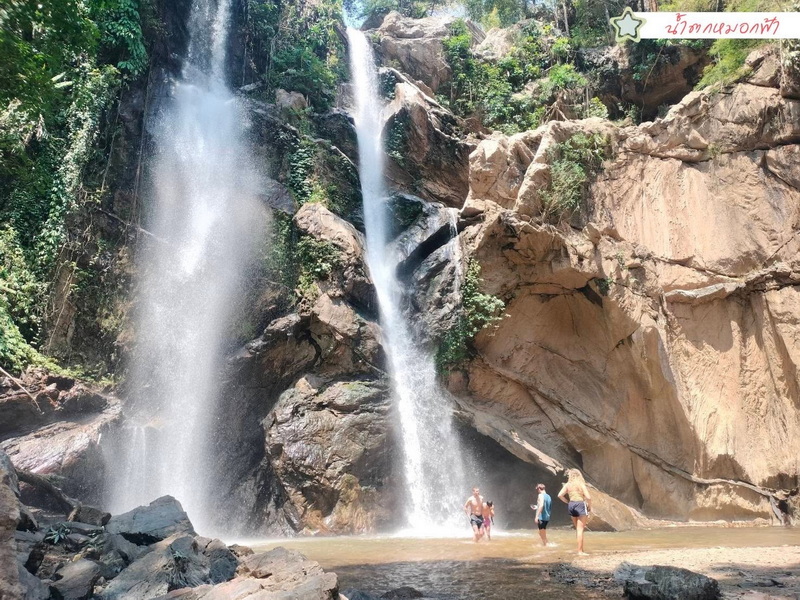
People standing at the base of a waterfall surrounded by rocks and lush greenery at Doi Suthep-Pui National Park.

Northern Thailand is renowned for its stunning national parks, and among them, Doi Suthep-Pui National Park stands out as a must-visit destination for nature lovers and trekking enthusiasts alike. Located near Muang Chiang Mai, this park offers a rich blend of natural beauty, cultural heritage, and accessible outdoor activities that cater especially well to budget-conscious travelers. Whether you are seeking a budget tour to explore iconic spots or craving an immersive jungle trekking experience, Doi Suthep-Pui National Park provides both in abundance. Budget tours here are designed to make the park’s highlights reachable without the need for expensive arrangements, while jungle trekking invites visitors to connect deeply with the lush forests and diverse wildlife that thrive in this northern Thai landscape. This article will guide you through the best ways to enjoy Doi Suthep-Pui National Park affordably, focusing on budget tours and the exciting opportunities for Chiang Mai jungle trekking. Prepare to uncover practical insights and inspiring ideas for your next adventure in one of the best national parks in northern Thailand.

Overview of Must Visit National Parks Northern Thailand

Northern Thailand is home to a remarkable collection of national parks known for their mountainous terrain, dense forests, and rich biodiversity. Among these, Doi Suthep-Pui National Park is particularly famous due to its proximity to Chiang Mai city and its blend of natural and cultural attractions. Established to protect the diverse ecosystems of the region, the park spans over 260 square kilometers and includes notable peaks such as Doi Suthep and Doi Pui. Travelers researching Must Visit National Parks Northern Thailand can use these details when planning the trip. Travelers researching Budget Tour Doi Suthep can use these details when planning the trip.

The park’s diverse environment supports a variety of wildlife, from tropical birds to rare mammals, making it an excellent choice for nature enthusiasts. Visitors can explore waterfalls, serene forest trails, and viewpoints that offer panoramic vistas of Chiang Mai and the surrounding valleys. This combination of accessibility and natural beauty cements Doi Suthep-Pui as a must-visit national park in northern Thailand.

For travelers seeking budget-friendly options, many northern parks offer tours and trekking experiences that are both affordable and immersive. These parks encourage sustainable tourism by promoting respect for local communities and the environment, ensuring that visitors enjoy authentic encounters with nature without compromising the wellbeing of the area.

Budget Tour Doi Suthep: Exploring Without Breaking the Bank

For those traveling on a budget, Doi Suthep-Pui National Park provides several economical tour options that highlight the park’s key attractions without expensive extras. Budget tours typically include transportation from Chiang Mai, a knowledgeable guide, and visits to iconic sites such as the revered Wat Phra That Doi Suthep temple, the park’s stunning waterfalls, and scenic viewpoints.

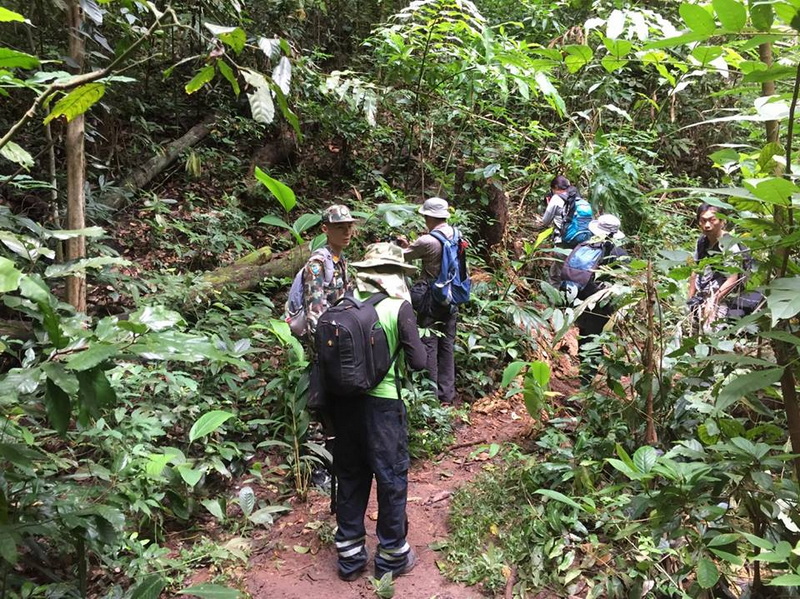
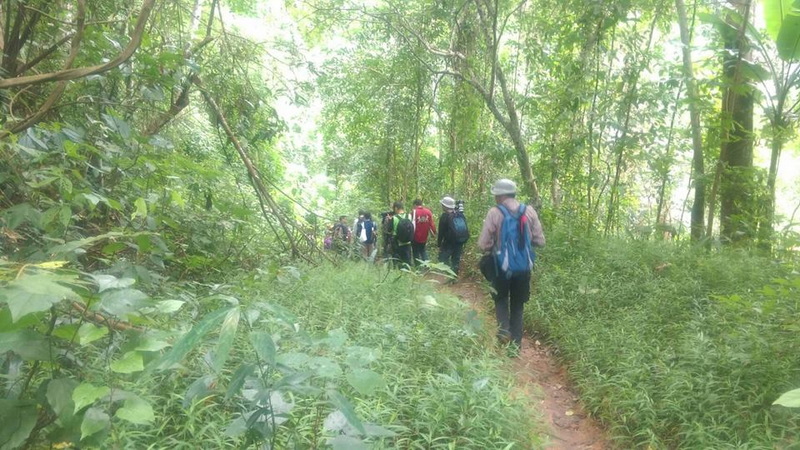
Hikers walking on a forest trail surrounded by lush green trees and plants at Doi Suthep-Pui National Park.

These tours are designed to be flexible and accessible, catering to solo travelers, small groups, and first-time visitors who want a taste of northern Thailand’s natural and cultural heritage. Without the need for costly private guides or elaborate packages, budget tours allow travelers to experience the essence of the park while keeping expenses low.

A budget tour often emphasizes local culture and nature, with guides sharing insights about the hill tribe communities living around the park and the traditional uses of plants and natural resources. This approach enriches the experience beyond sightseeing, making it both educational and inspiring while respecting local customs and sensitivities.

Opting for a budget tour at Doi Suthep-Pui National Park is an excellent way to enjoy a half-day or full-day excursion that balances adventure with affordability, providing a convenient introduction to the park’s highlights.

Chiang Mai Jungle Trekking: Immersive Nature Experiences on a Budget

Beyond the well-trodden paths and popular sites, Doi Suthep-Pui National Park offers exceptional opportunities for jungle trekking, appealing to those who seek a deeper connection with nature. Chiang Mai jungle trekking here is characterized by dense forest trails, diverse flora and fauna, and the chance to explore less-visited areas that reveal the park’s true wilderness.

Many trekking options are available to suit different fitness levels and time frames, from half-day hikes to multi-day adventures. Budget-conscious travelers can find guided treks that focus on small groups and sustainable practices, ensuring an intimate and respectful experience with the environment.

Hikers walking on a forest trail surrounded by lush green trees and plants at Doi Suthep-Pui National Park, Doi Suthep-Pui National Park main article view 3 2

Trekking through the jungle, visitors encounter various ecosystems, including evergreen forests and hill tribe villages nestled within the park’s boundaries. These journeys offer unique chances to learn about local plants, wildlife, and traditional lifestyles, all while enjoying the peaceful sounds and sights of the forest.

Chiang Mai jungle trekking in Doi Suthep-Pui National Park is not only a physical activity but also an educational and restorative experience. It encourages travelers to slow down, observe, and appreciate the natural world in an affordable and responsible way.

Tips for Immersive Nature Activities in Doi Suthep-Pui National Park

To make the most of your visit to Doi Suthep-Pui National Park, especially when focusing on budget tours and jungle trekking, preparation and mindful planning are key. First, consider the timing of your trip; early mornings and weekdays typically offer quieter trails and better chances to enjoy peaceful nature.

Packing light but adequately is important. Wear sturdy shoes suitable for hiking, bring insect repellent, and carry enough water and snacks to stay energized during your trek. A lightweight rain jacket is advisable, given the region’s tropical climate and occasional showers.

Respect for the environment and local culture should be a priority. Stick to marked trails to minimize ecological impact, avoid disturbing wildlife, and always follow your guide’s instructions. When visiting hill tribe areas, approach with sensitivity and respect, remembering that these communities have their own traditions and ways of life.

Waterfall flowing over rocks amidst a lush forest scene at Doi Suthep-Pui National Park.

Lastly, choose tour operators and trekking guides who demonstrate commitment to sustainable tourism. This ensures that your budget-friendly adventure also supports conservation efforts and local livelihoods, making your experience meaningful beyond just the sights you see.

Embracing Budget-Friendly Nature Exploration in Northern Thailand

Doi Suthep-Pui National Park exemplifies how travelers can enjoy northern Thailand’s natural treasures without overspending. By selecting budget tours and engaging in authentic jungle trekking experiences, visitors gain access to the park’s rich landscapes and cultural highlights in a way that is both affordable and immersive.

The park’s combination of accessible attractions like Wat Phra That Doi Suthep and pristine jungle trails offers a rare balance for those who want to experience nature deeply while keeping travel costs manageable. Whether you opt for a guided budget tour or a self-paced jungle trek, the opportunities for adventure, learning, and relaxation are plentiful.

Ultimately, Doi Suthep-Pui National Park invites budget-conscious travelers to engage with northern Thailand’s environment and culture respectfully and enthusiastically. Its offerings prove that meaningful nature exploration does not require lavish spending—just a spirit of curiosity and care.

Final Thoughts

For travelers eager to explore northern Thailand’s natural beauty without stretching their budget, Doi Suthep-Pui National Park stands out as an ideal destination. The park’s budget tours provide an accessible introduction to its scenic and cultural highlights, while jungle trekking offers a more immersive and active way to engage with the environment. By choosing affordable and responsible options, visitors can enjoy an enriching experience that respects local communities and sustains the natural world. Whether you’re new to trekking or a seasoned explorer, Doi Suthep-Pui invites you to discover its wonders with excitement and confidence, all while keeping your journey both memorable and budget-friendly.

Wednesday, August 19, 2026

Huai Nam Dang National Park with Must-Visit Northern Parks and Best Trekking in Chiang Mai

Huai Nam Dang National Park with Must-Visit Northern Parks and Best Trekking in Chiang Mai

Discover premier trekking routes and private tour insights around Huai Nam Dang and Northern Thailand’s top natural escapes

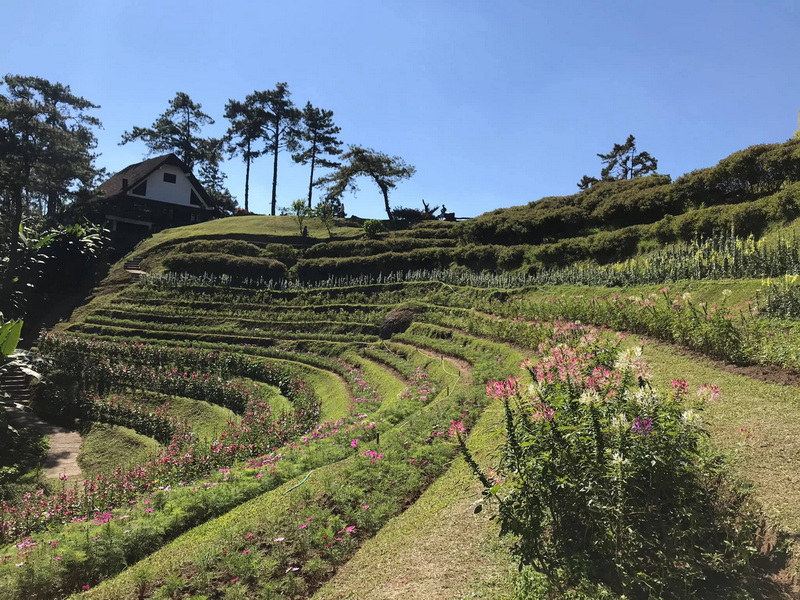
Sloped terraced gardens with colorful flowers and a house at the top under a clear sky at Huai Nam Dang National Park.

Northern Thailand is a treasure trove for travelers seeking immersive outdoor experiences, especially those passionate about trekking and nature exploration. Among the must-visit national parks in this region, Huai Nam Dang National Park stands out for its breathtaking landscapes, panoramic mountain views, and cool misty mornings. Nestled in Pai District Mae Hong Son, this park offers a serene yet invigorating trekking environment that appeals to both seasoned hikers and those new to the trails. Beyond Huai Nam Dang, Northern Thailand boasts a collection of national parks celebrated for their natural beauty and trekking opportunities. Chiang Mai, in particular, has earned a reputation as a trekking hub, where the best trekking experiences combine challenging trails with cultural encounters in hill tribe villages. For travelers interested in private tours, the route from Chiang Mai to Mae Hong Son opens up a variety of options that blend scenic drives with personalized trekking adventures. This article explores these highlights with a focus on trekking quality and practical guidance for those seeking private Mae Hong Son tours from Chiang Mai, all while respecting local cultures and promoting responsible tourism.

Huai Nam Dang National Park: A Must-Visit Northern Thailand Gem

Huai Nam Dang National Park is widely regarded as one of the must-visit national parks in Northern Thailand, known for its dramatic mountain ranges, dense forests, and cool climate. Located in Pai District Mae Hong Son, the park covers a vast area of natural beauty, including rolling hills, hot springs, and stunning viewpoints that overlook valleys shrouded in mist during early mornings. Travelers researching Must Visit National Parks Northern Thailand can use these details when planning the trip.

The park’s terrain varies from gentle slopes to more challenging trails, making it accessible for a wide range of trekkers. Visitors often start their journeys from the park headquarters or nearby villages, where they can find basic amenities and local guides. The trails wind through pine forests and hill tribe communities, providing opportunities to observe the region’s unique flora and fauna while gaining cultural insights.

One of the standout features of Huai Nam Dang is its sunrise viewpoints, where trekkers gather before dawn to witness the sun rising over the mountains, casting golden light across the misty valleys. This experience encapsulates the park’s serene atmosphere and the rewarding nature of trekking here. The park’s remoteness ensures a tranquil environment, far from the bustle of city life, inviting visitors to connect deeply with nature.

Best Trekking Experiences in Chiang Mai and Surrounding Areas

Chiang Mai is synonymous with trekking in Northern Thailand, offering some of the best trekking experiences in the region. The diverse landscapes surrounding the city include lush jungles, steep hills, and traditional hill tribe villages, making it a favored destination for outdoor enthusiasts seeking varied and culturally rich routes.

The trekking options range from half-day hikes suitable for beginners to multi-day expeditions that challenge even experienced trekkers. Trails often pass through remote areas where visitors can witness traditional agricultural practices and engage with local communities respectfully. Ethical trekking practices are encouraged to preserve the environment and support the livelihoods of hill tribe peoples without exoticizing their cultures.

Many trekking companies in Chiang Mai emphasize sustainability and personalized experiences, tailoring routes to match fitness levels and interests. Whether it’s exploring dense jungle paths or hiking to panoramic mountain vistas, the trekking culture here is vibrant and well-established, making it one of the best trekking hubs in Northern Thailand.

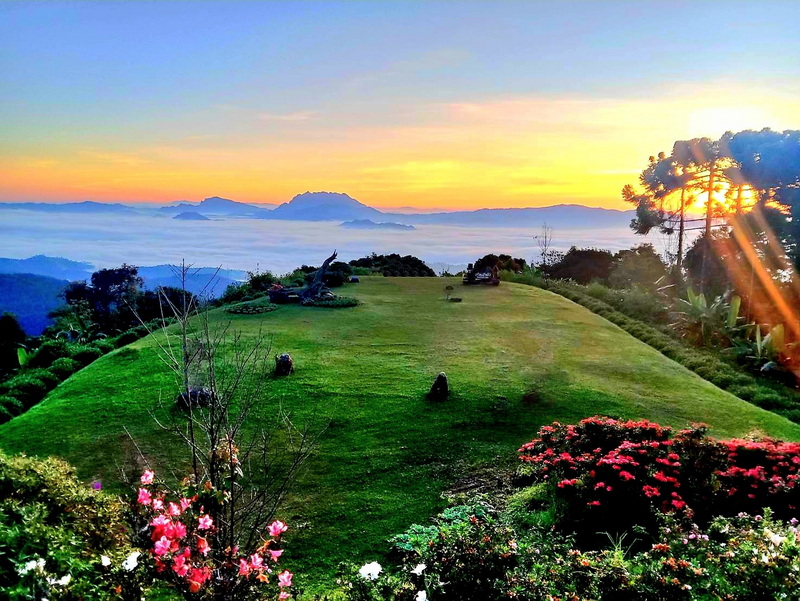
Green hilltop with stones and flowers overlooking clouds and distant mountains at sunset at Huai Nam Dang National Park.

For those who prefer a more private and customized trekking experience, options abound for private tours that allow flexibility in itinerary and pace. These private treks often incorporate cultural visits, nature observation, and even wellness activities, enhancing the overall journey.

Understanding Private Mae Hong Son Tours from Chiang Mai

Interest in private Mae Hong Son tours from Chiang Mai has grown steadily, reflecting travelers’ desire for tailored experiences that combine comfort, adventure, and cultural immersion. While the Mae Hong Son loop is famous for its scenic roads and mountainous landscapes, private tours offer a more personalized way to explore this region, including stops at national parks, trekking routes, and local villages.

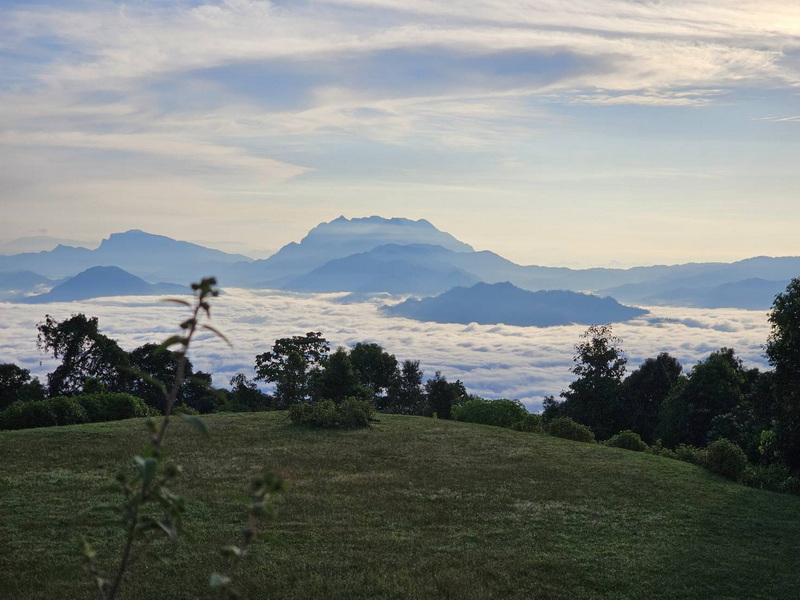
Scenic mountain range with clouds and a grassy foreground under a cloudy sky at Mae Hong Son.

Private tours generally provide flexibility in travel schedules and destinations, which is ideal for those who want to integrate trekking with other activities like hot springs visits or cultural exchanges. Although specific tour packages vary by provider, common considerations include the type of transportation, the level of trekking difficulty, and opportunities to engage with hill tribe communities respectfully.

When planning a private Mae Hong Son tour from Chiang Mai, it is important to prioritize ethical tourism practices, ensuring that local cultures are respected and environmental impact is minimized. Travelers should look for operators who emphasize responsible trekking and support local economies without making unverified claims about services or pricing.

Ultimately, these private tours can enrich the trekking experience by allowing active travelers to tailor their itineraries according to their interests and physical capabilities, making the journey both enjoyable and meaningful.

Trekking Styles and Considerations in Northern Thailand

Trekking in Northern Thailand encompasses a variety of styles, from casual day hikes to intensive multi-day jungle treks. Each style offers distinct experiences, and choosing the right one depends on factors such as fitness level, time availability, and interest in cultural interaction.

Day treks around Huai Nam Dang National Park typically involve moderate walking on well-marked trails with scenic viewpoints and opportunities to see local wildlife. These are ideal for travelers who want a taste of the region’s natural beauty without committing to longer expeditions.

Multi-day treks, often organized from Chiang Mai, include overnight stays in hill tribe villages or forest camps, providing immersive cultural experiences alongside physical challenges. These treks require preparation, including appropriate gear and respect for local customs, and are best undertaken with experienced guides who prioritize safety and sustainability.

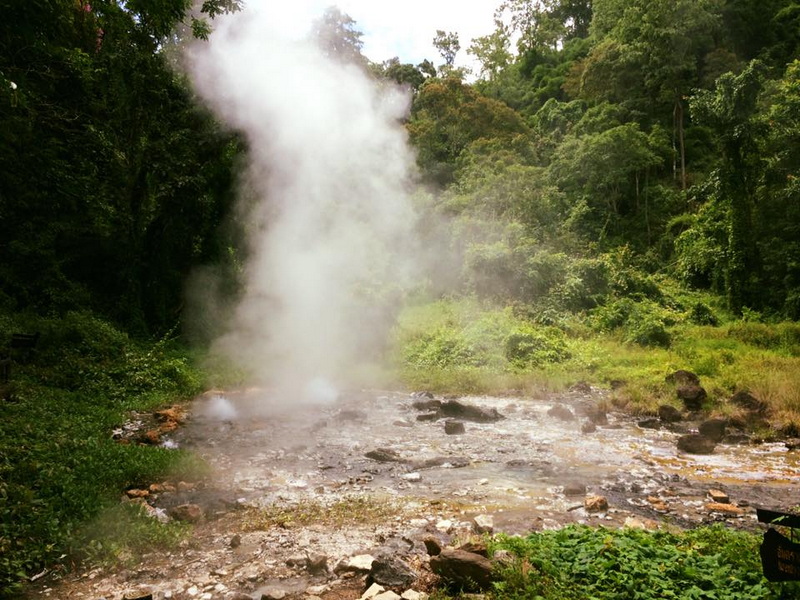
Steam rises from a geothermal hot spring amidst green forest surroundings at Huai Nam Dang National Park.

Another consideration is the seasonal climate, as trekking conditions vary significantly between the cool dry season and the hot rainy season. Planning treks during the cooler months enhances comfort and safety while reducing environmental impact.

Regardless of the trekking style chosen, it is essential to engage with the local environment and communities ethically, avoiding behaviors that could disrupt traditional ways of life or degrade natural habitats.

Northern Thailand’s Must-Visit National Parks Beyond Huai Nam Dang

While Huai Nam Dang National Park is a highlight, Northern Thailand is home to several other must-visit national parks that offer exceptional trekking and nature experiences. Parks such as Doi Inthanon, Doi Suthep-Pui, and Mae Takhrai each boast unique ecosystems, scenic trails, and cultural sites that enrich the trekking landscape.

Doi Inthanon, Thailand’s highest peak, provides challenging hikes with rewarding views and opportunities to explore waterfalls and rich biodiversity. Doi Suthep-Pui, closer to Chiang Mai city, combines accessible trails with spiritual landmarks, including the famous Wat Phra That Doi Suthep temple.

Mae Takhrai National Park offers dense forests and less crowded trails, appealing to trekkers seeking solitude and pristine nature. These parks complement the offerings of Huai Nam Dang and contribute to Northern Thailand’s reputation as a trekking paradise.

Exploring multiple parks allows travelers to experience diverse terrain and cultural settings, enhancing the overall appreciation of Northern Thailand’s natural heritage.

Final Thoughts

Huai Nam Dang National Park, along with Northern Thailand’s other remarkable parks, represents an essential destination for trekkers who value both natural beauty and cultural respect. The best trekking in Chiang Mai offers routes that challenge the body while enriching the mind, and private Mae Hong Son tours from Chiang Mai provide flexible ways to explore this captivating region at one’s own pace. By choosing ethical and responsible trekking options, travelers can ensure their adventures leave a positive impact, honoring the local communities and preserving the landscapes that make Northern Thailand so special. Whether embarking on a day hike or a multi-day expedition, the spirit of discovery and respect remains at the heart of every journey here.

Tuesday, August 18, 2026

Exploring Nimmanhaemin Road Nightlife and Shopping with Private Van Rental

Exploring Nimmanhaemin Road Nightlife and Shopping with Private Van Rental

Discover vibrant nightlife, convenient private van rentals, and top shopping experiences around Nimmanhaemin road in Chiang Mai

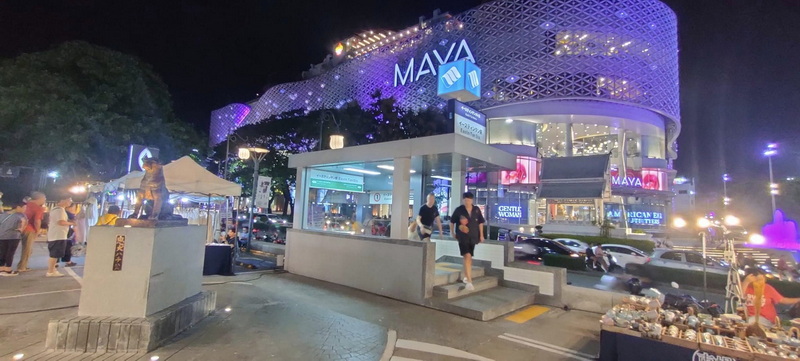
Night scene of a brightly lit shopping mall with signage and people outside at Nimmanhaemin road.

Nimmanhaemin road in Muang Chiang Mai is a lively hub that perfectly blends vibrant nightlife, diverse shopping options, and convenient transport services. For travelers looking to experience Chiang Mai nightlife, this area offers an exciting mix of trendy bars, chill lounges, and live music venues where evenings come alive with energy and local flavor. Beyond the nightlife scene, Nimmanhaemin road is known for its eclectic shopping opportunities. From boutique stores to artisanal markets, visitors can find unique souvenirs, fashion, and handcrafted goods that showcase the best shopping in Chiang Mai. For those prioritizing comfort and ease, private van rental with driver services provide an ideal way to navigate the area, ensuring a seamless experience from night activities to shopping sprees. This guide highlights the best ways to enjoy Nimmanhaemin road’s nightlife and shopping scenes while making the most of private transportation options. We also explore nearby attractions like Wat Jed Yod and Chiang Mai Zoo, which can complement your evening plans with cultural and family-friendly experiences.

Experience the Vibrant Nightlife on Nimmanhaemin Road

Nimmanhaemin road is renowned for its dynamic nightlife, attracting both locals and visitors to its diverse evening venues. The street is lined with trendy bars and clubs offering everything from craft cocktails to locally brewed beers. Whether you prefer a relaxed atmosphere with live acoustic music or a lively dance floor, the nightlife here caters to a wide range of tastes.

Many establishments on Nimmanhaemin road open late into the night, making it a perfect destination for night owls eager to explore Chiang Mai nightlife. The area’s youthful vibe is enhanced by its creative crowd, including digital nomads, artists, and students, contributing to a unique cultural blend. This makes each night out not just entertaining but also a chance to meet interesting people and enjoy local creativity.

In addition to bars, there are several cafes and lounges that transition smoothly from day to night, offering spaces to unwind with friends or enjoy a quiet drink. Food stalls and small eateries nearby provide late-night snacks, giving visitors a full sensory experience of the area’s nightlife culture.

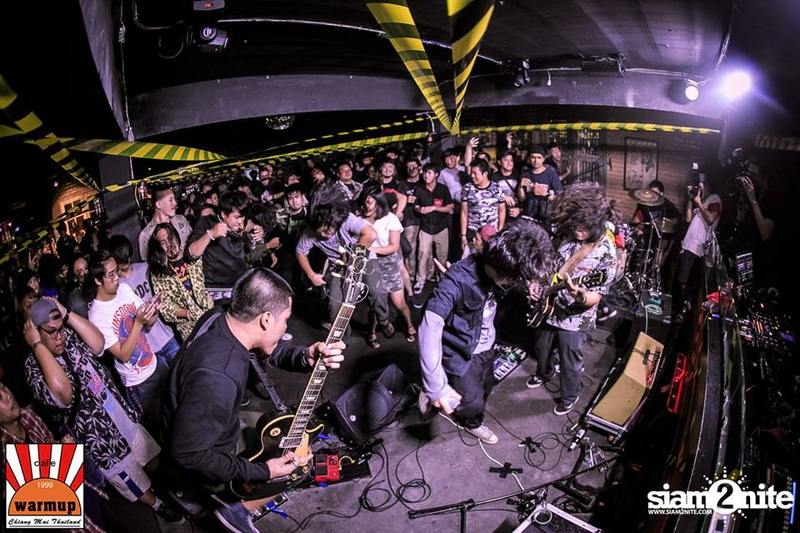
Band performing live on stage with audience gathered in a dimly lit venue at Nimmanhaemin road.

Convenient Private Van Rental with Driver for Effortless Travel

Navigating Muang Chiang Mai, especially at night, can be a challenge without reliable transportation. Private van rental with driver services offer an excellent solution for travelers seeking comfort and convenience around Nimmanhaemin road. With a professional driver familiar with local routes, visitors can avoid the hassle of parking and traffic, focusing instead on enjoying their evening.

These private van services are particularly beneficial for groups or families who want to travel together safely and efficiently. They provide flexible schedules, allowing you to customize your itinerary for nightlife venues, shopping stops, or nearby attractions without worrying about public transport limitations.

Booking a private van with driver also ensures that you can relax knowing you have a designated driver, which is especially valuable after enjoying Chiang Mai nightlife. This service helps maintain a smooth and stress-free experience, whether you’re heading back to your accommodation or moving on to explore more of the city’s evening offerings.

Discover the Best Shopping in Chiang Mai along Nimmanhaemin Road

Nimmanhaemin road is a shopper’s delight, offering a wide variety of stores that reflect Chiang Mai’s creative spirit. From handmade crafts and local designer boutiques to contemporary fashion outlets, the shopping scene here is as eclectic as it is vibrant. Visitors can find unique souvenirs and gifts that capture the essence of northern Thailand’s artisan traditions.

Colorful bags and pouches arranged on a market stall table at Nimmanhaemin road.

Markets and pop-up shops periodically appear along the road, providing opportunities to browse local products and meet the makers behind them. These markets are perfect for discovering one-of-a-kind items, such as handwoven textiles, jewelry, and artwork that are not available elsewhere.

For those who want a comprehensive shopping experience, several malls and shopping centers are located nearby, offering everything from international brands to local specialties. Combining these with the street's boutique shops makes Nimmanhaemin road a prime destination for the best shopping in Chiang Mai.

Shopping here is not just about purchasing goods but also about engaging with the local culture and creativity that thrives in this area. The ambiance encourages leisurely exploration, making it easy to spend an entire day and evening immersed in the local shopping scene.

Tips for Combining Nightlife, Shopping, and Transport Around Nimmanhaemin Road

To maximize your experience around Nimmanhaemin road, planning how to combine nightlife, shopping, and transport is key. Starting your evening with some shopping allows you to explore the area’s unique boutiques and markets before the nightlife venues become busier.

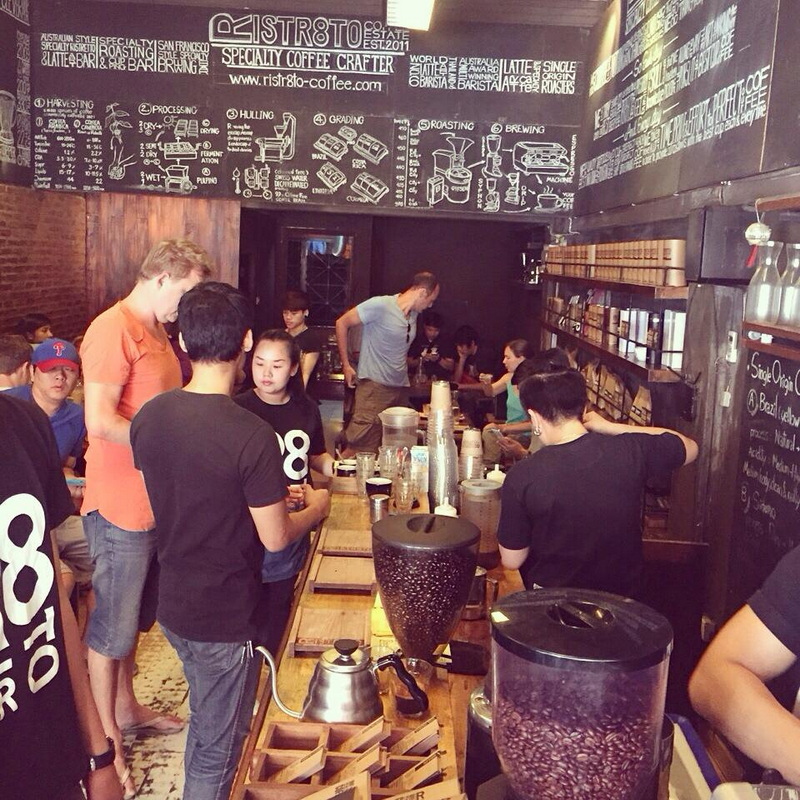
People ordering and preparing coffee inside a lively coffee shop at Nimmanhaemin road.

Using a private van rental with driver service provides the flexibility to move effortlessly between shopping areas and nightlife spots without concern for parking or public transport schedules. This convenience is especially helpful if your group has diverse interests or if you want to visit multiple locations in one night.

Consider timing your visits to nearby attractions like Wat Jed Yod or Chiang Mai Zoo earlier in the day, then transition to Nimmanhaemin road for evening activities. The private van can accommodate these plans by providing reliable transport throughout your itinerary.

Staying mindful of local customs and culture will enrich your experience. Respectful interaction with vendors and venues ensures a positive atmosphere and supports the community that makes Nimmanhaemin road so vibrant.

Nearby Attractions

Wat Jed Yod

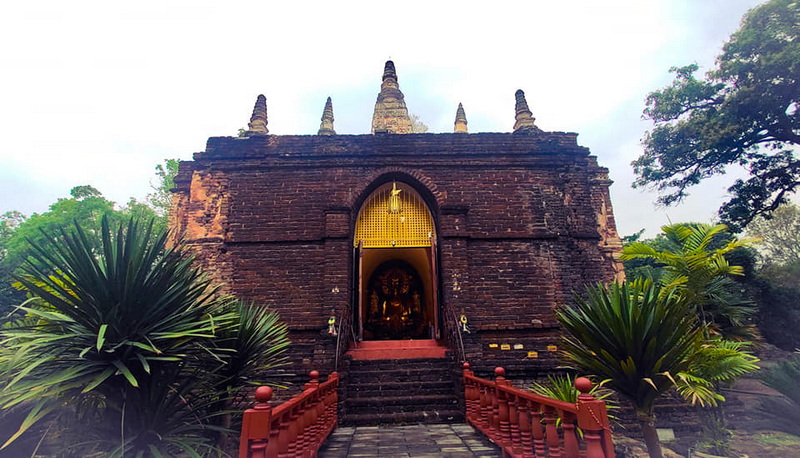
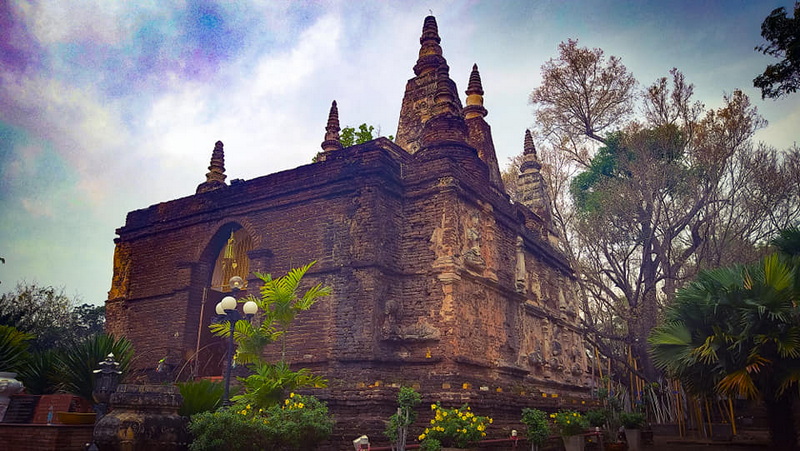
Brick temple with spires and lush greenery surrounding it at Wat Jed Yod.

Wat Jed Yod is a historic temple located near Nimmanhaemin road, known for its distinctive architecture and serene atmosphere. It offers visitors a glimpse into Chiang Mai’s rich religious heritage and provides a peaceful contrast to the bustling city nightlife.

The temple features unique stucco work and a blend of Lanna and Burmese architectural styles, making it a fascinating site for those interested in culture and history. Its tranquil setting is ideal for a reflective visit before or after enjoying the vibrant activities around Nimmanhaemin road.

Chiang Mai Zoo

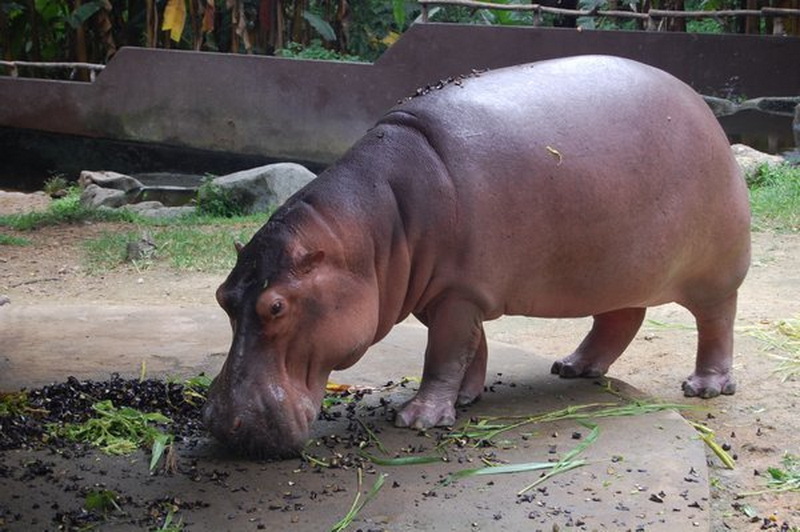
Hippo grazing on plants in a zoo enclosure with dirt and greenery nearby at Chiang Mai Zoo.

Chiang Mai Zoo is a popular family-friendly attraction situated close to Nimmanhaemin road. It houses a wide variety of animals in thoughtfully designed habitats, offering educational and enjoyable experiences for visitors of all ages.

The zoo’s extensive grounds include exhibits featuring native and exotic species, as well as botanical gardens that showcase northern Thailand’s flora. A visit here can nicely complement an evening spent exploring the nightlife and shopping of Nimmanhaemin road, especially for travelers with children or those interested in wildlife.

Final Thoughts

Nimmanhaemin road stands out as a vibrant destination where nightlife, shopping, and convenient transport come together to create a memorable experience in Chiang Mai. By exploring the lively evening venues, indulging in the area’s unique shopping opportunities, and utilizing private van rental with driver services, travelers can enjoy a seamless and enjoyable visit. Nearby cultural and family-friendly attractions like Wat Jed Yod and Chiang Mai Zoo add depth to your itinerary, offering enriching options beyond the city’s energetic streets. Whether you’re seeking entertainment, shopping, or easy transport, Nimmanhaemin road offers a perfect balance for a fulfilling Chiang Mai adventure.

Exploring the Three kings Monument with Chiang Mai City Tours and Custom Chiang Mai Tour Packages

Exploring the Three kings Monument with Chiang Mai City Tours and Custom Chiang Mai Tour Packages

Discover personalized city tours and cultural insights with a comprehensive Chiang Mai Province Travel Guide

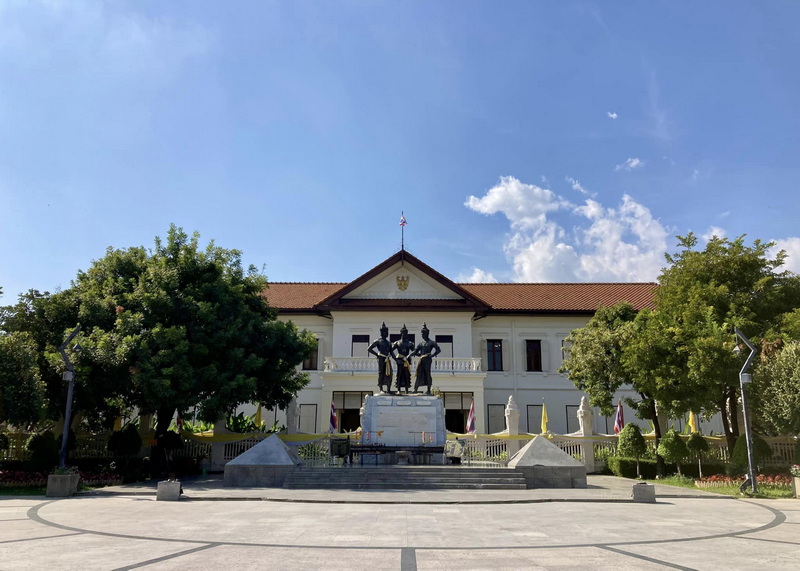
Colonial-style building with a statue of three figures in front, surrounded by trees at Three kings Monument.

The Three kings Monument stands as a significant cultural landmark in Muang Chiang Mai, offering visitors a glimpse into the rich heritage of northern Thailand. This monument honors the three founding kings of Chiang Mai and serves as a focal point for understanding the city’s historical roots within the broader Chiang Mai province. For travelers interested in an immersive experience, Chiang Mai City Tours and Custom Chiang Mai Tour Packages provide tailored ways to explore not only the monument but also the surrounding cultural treasures. Chiang Mai Province Travel Guide perspectives emphasize the importance of respectful cultural exploration and personalized trip planning. By choosing custom tours, visitors can shape their itinerary around interests such as history, architecture, or local traditions, ensuring a meaningful connection with the region's heritage. The monument’s central location also makes it an ideal starting point for discovering nearby temples that enrich the cultural narrative of Chiang Mai. This article presents a focused view on how travelers can engage with the Three kings Monument through flexible city tours and custom packages, complemented by insights on nearby attractions and provincial travel considerations. Whether you are a first-time visitor or seeking a deeper cultural context, this guide aims to inspire confidence and curiosity while supporting practical planning for your journey.

Cultural Significance of the Three kings Monument

The Three kings Monument commemorates the alliance of the three founding rulers of Chiang Mai: King Mengrai, King Ramkhamhaeng of Sukhothai, and King Ngam Muang of Payao. Erected in the heart of Muang Chiang Mai, the monument symbolizes unity and cooperation that led to the founding of the city in the late 13th century. Its cultural importance extends beyond mere historical remembrance, embodying the spirit of Lanna heritage and the enduring legacy of northern Thai identity.

Visitors often find the monument a powerful introduction to Chiang Mai’s layered past. The statues stand in a traditional pose of collaboration, inviting reflection on the values of leadership and regional solidarity. For travelers interested in cultural heritage, the monument offers a respectful point of engagement with local history without the need for extensive background knowledge, making it accessible and meaningful.

The surrounding square also acts as a communal space where locals gather for events and festivals, providing an authentic atmosphere that visitors can appreciate. This communal aspect highlights the monument’s living cultural role, encouraging respectful observation and understanding of local customs.

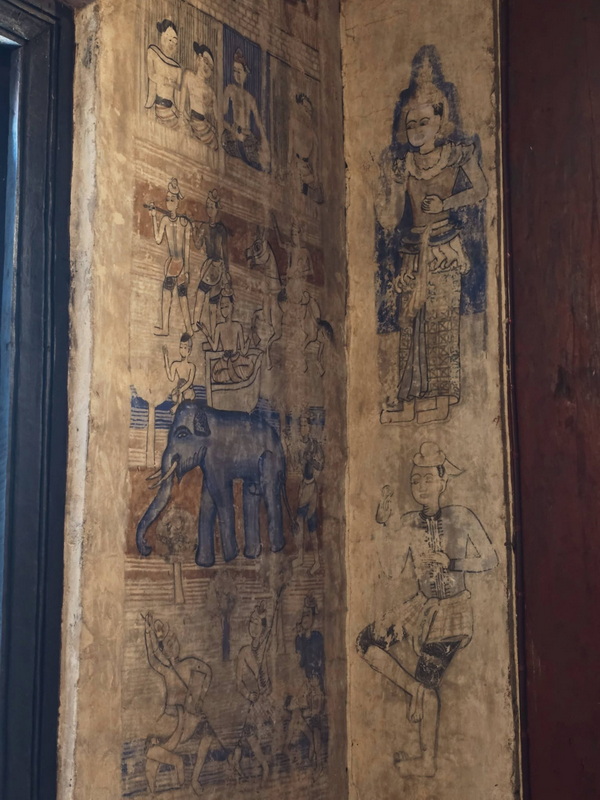
Ancient wall murals with figures and an elephant in faded colors at Three kings Monument.

Chiang Mai City Tours and Custom Chiang Mai Tour Packages

Chiang Mai City Tours often include visits to the Three kings Monument as a central highlight, allowing travelers to experience the monument within the wider context of the city’s historical and cultural landscape. These tours range from half-day explorations to full-day itineraries, offering a variety of perspectives on Chiang Mai’s urban heritage. Many city tours emphasize flexibility, enabling visitors to tailor their experiences according to specific interests such as art, history, or architecture.

Custom Chiang Mai Tour Packages provide an even more personalized approach, ideal for travelers seeking to design their own journey with expert guidance. These packages allow for adjustments in pace, focus, and destinations, ensuring that the Three kings Monument is integrated seamlessly with other cultural sites and activities. Custom tours can also accommodate special requests such as private guides, thematic focuses on Lanna culture, or combined visits to nearby attractions.

By choosing a custom package, travelers benefit from local knowledge that enriches the understanding of the monument and its surroundings. This approach supports a deeper cultural connection and ensures that visitor experiences are respectful, educational, and memorable. Whether traveling solo, as a couple, or with family, custom tours offer the flexibility to balance popular landmarks with lesser-known cultural gems.

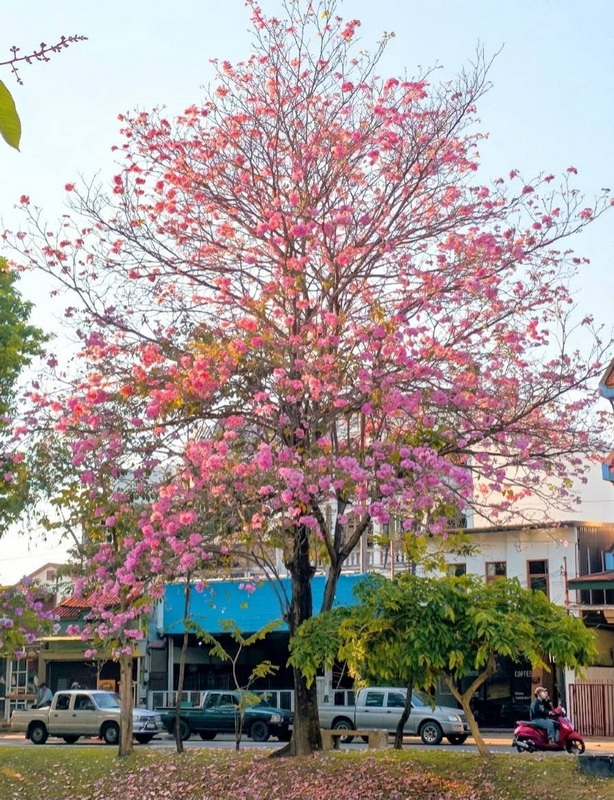
Large pink flowering tree with buildings and cars behind it in an urban area at Three kings Monument.

Travel Planning Within Chiang Mai Province Travel Guide

Chiang Mai Province Travel Guide highlights the diverse cultural and geographical landscape of the region, which extends well beyond the city’s boundaries. Understanding this broader context helps travelers appreciate the significance of the Three kings Monument as part of a wider historical tapestry. Chiang Mai province is known for its rich Lanna heritage, natural beauty, and vibrant local traditions that influence the cultural experience within the city.

When planning tours around the Three kings Monument, considering the provincial context allows for more thoughtful itinerary design. Many travelers choose to combine urban exploration with visits to nearby temples and natural sites, creating a balanced travel experience that respects both cultural depth and regional diversity. The province’s accessibility and infrastructure support a range of travel styles, from independent exploration to guided custom tours.

The travel guide perspective also encourages visitors to approach Chiang Mai with cultural sensitivity and awareness of local customs. This includes understanding the significance of religious sites, appropriate behavior around monuments, and the importance of supporting local communities through ethical tourism practices. Integrating these principles into travel planning enhances the overall experience and fosters meaningful connections with the people and places of Chiang Mai province.

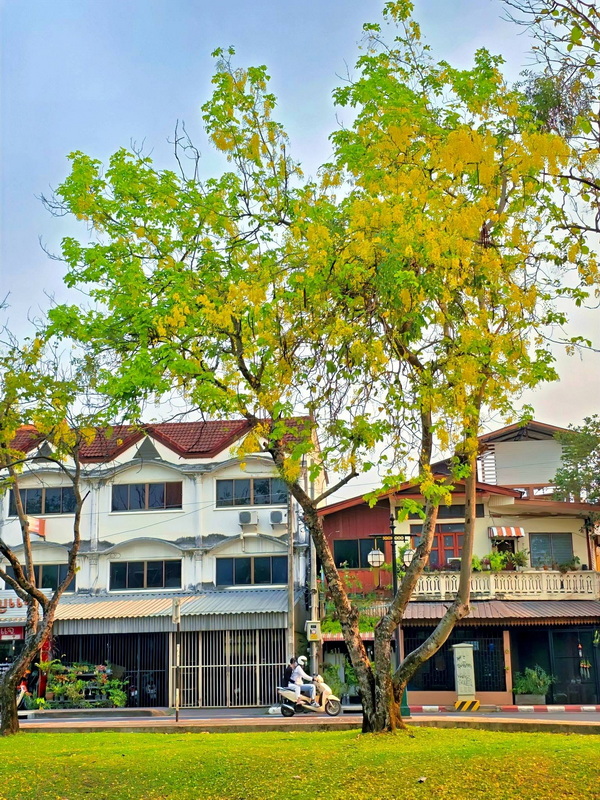
Urban street scene with buildings, a motorcycle, and a large leafy tree at Three kings Monument.

Enhancing the Visit with Nearby Temples

The Three kings Monument’s central location offers convenient access to several nearby temples that deepen the cultural experience. Among the most notable are Wat Chedi Luang and Wat Phan Tao, both of which provide unique insights into Chiang Mai’s religious and architectural heritage. Including these sites in city tours or custom packages enriches visitor understanding of the region’s spiritual traditions and historical development.

Wat Chedi Luang is renowned for its massive, partially restored chedi (stupa) that dates back to the 14th century. It represents a significant religious center and a symbol of Chiang Mai’s ancient grandeur. Visiting Wat Chedi Luang alongside the monument allows travelers to connect the historical narrative from the city’s founding to its religious evolution.

Wat Phan Tao, known for its distinctive teakwood viharn (assembly hall), offers a contrasting architectural style that highlights traditional Lanna craftsmanship. Its serene atmosphere complements the more monumental scale of the Three kings Monument, providing a reflective space for visitors interested in spiritual and cultural contemplation. Together, these temples create a well-rounded cultural itinerary that supports the themes of heritage and respectful exploration.

Nearby Attractions

Wat Chedi Luang

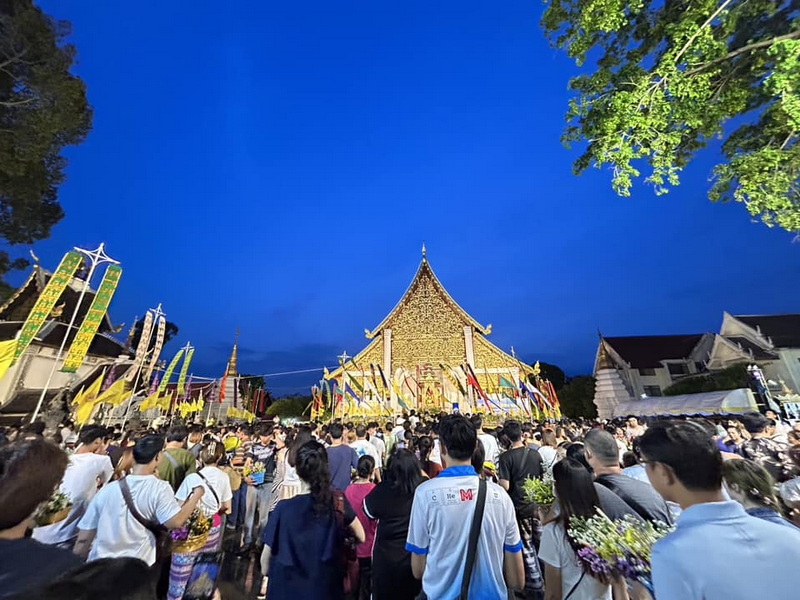
Crowd gathered at a decorated Thai temple with colorful flags and gold details under a blue evening sky at Wat Chedi Luang.

Wat Chedi Luang stands as one of Chiang Mai’s most impressive temple complexes, featuring a towering chedi that once was the tallest structure in the city. Though partially damaged by an earthquake in the 16th century, its grandeur remains evident, drawing visitors interested in Lanna history and Buddhist architecture. The temple grounds also house important Buddha statues and a sacred city pillar, making it a vital spiritual site.

Visitors to Wat Chedi Luang often appreciate the blend of historical significance and active religious practice. Monks can be seen engaging in daily rituals, and the temple hosts festivals that offer cultural insights. Its proximity to the Three kings Monument makes it an essential stop for those exploring Chiang Mai’s cultural core.

Wat Phan Tao

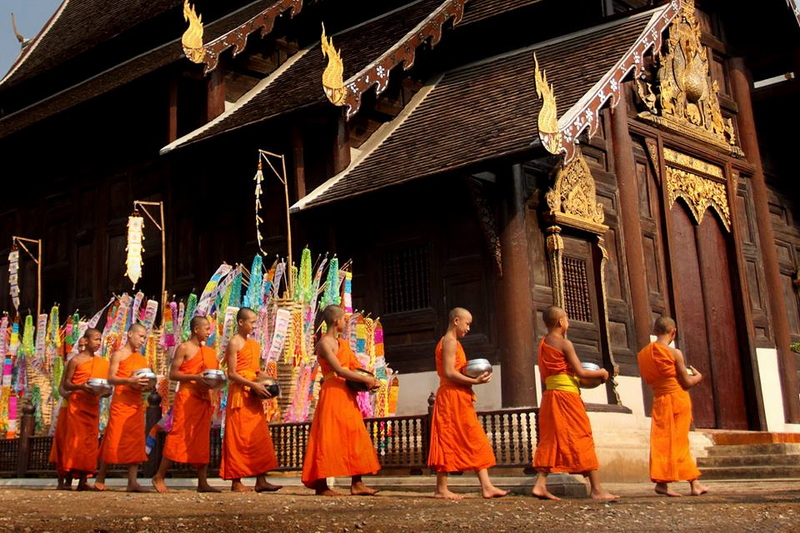
Young Buddhist monks walking in front of a decorated wooden temple building at Wat Phan Tao.

Wat Phan Tao is notable for its exquisite wooden construction, a rarity among Chiang Mai’s temples predominantly built with brick and stucco. The teakwood viharn reflects traditional Lanna artistry and craftsmanship, providing visitors a glimpse into the region’s architectural heritage. The temple’s peaceful courtyard and detailed carvings invite quiet reflection and appreciation of local religious culture.

Situated near the Three kings Monument, Wat Phan Tao complements the urban cultural landscape with its intimate and serene environment. Visitors often include this temple in custom tour itineraries to balance the monument’s historical narrative with spiritual and artistic exploration.

Final Thoughts

Exploring the Three kings Monument through Chiang Mai City Tours and Custom Chiang Mai Tour Packages offers travelers a unique opportunity to engage deeply with northern Thailand’s cultural heritage. By integrating the monument with nearby temples like Wat Chedi Luang and Wat Phan Tao, visitors can craft itineraries that balance historical insight with spiritual and architectural appreciation. The broader Chiang Mai Province Travel Guide context encourages respectful and thoughtful travel planning, ensuring that each journey honors the local traditions and enriches the visitor’s experience. Whether you prefer structured city tours or flexible custom packages, the Three kings Monument remains a central gateway to understanding Chiang Mai’s enduring legacy.

Monday, August 17, 2026

Exploring Wat Jed Yod as a Famous Temple in Chiang Mai with Half Day City Tour Insights

Exploring Wat Jed Yod as a Famous Temple in Chiang Mai with Half Day City Tour Insights

Discover the significance of Wat Jed Yod within Chiang Mai’s famous temples and learn how it fits into popular half day city tours alongside nearby attractions.

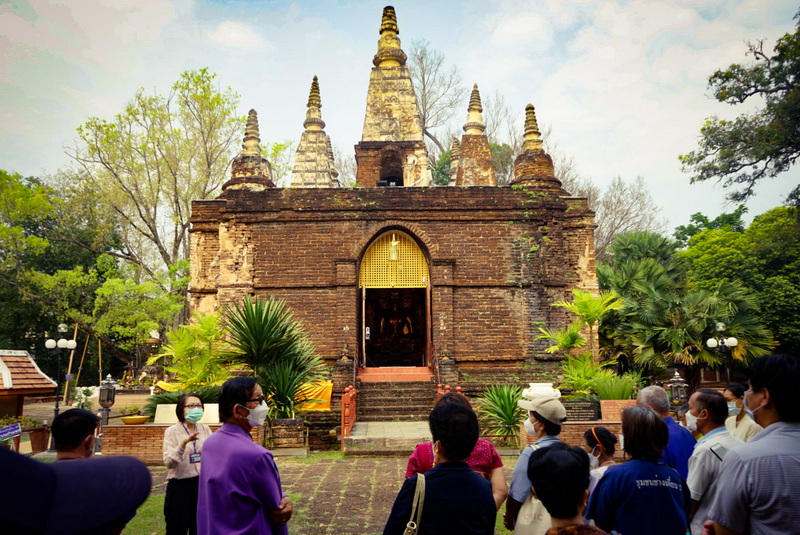
People standing in front of an ancient brick stupa surrounded by trees and plants at Wat Jed Yod.

Wat Jed Yod stands out as one of the famous temples in Chiang Mai, distinguished by its unique architectural style and historical importance. Located in Muang Chiang Mai, this temple offers a serene atmosphere that attracts visitors interested in both cultural heritage and the aesthetics of Lanna architecture. Its name, often seen in variations such as Wat Jedyod or Wat Chet Yod, reflects the temple’s distinctive seven-spired chedi, a rare design that links it to ancient Buddhist traditions. For travelers seeking an efficient yet enriching experience, Wat Jed Yod is commonly included in Chiang Mai half day city tours. These tours provide an accessible way to explore the temple’s beauty and significance without requiring a full day commitment. Integrating Wat Jed Yod into a Chiangmai Tour allows visitors to appreciate one of the city’s cultural landmarks while also exploring nearby attractions that enhance the overall experience. This article presents an overview of what makes Wat Jed Yod famous, its role in half day city tours, and practical insights into nearby points of interest that complement a visit here. Whether you are a first-time visitor or returning to Chiang Mai, understanding how this temple fits into the broader city tour context can help plan a rewarding itinerary that balances cultural depth with convenience.

The Unique Appeal of Wat Jed Yod Among Famous Temples In Chiang Mai

Wat Jed Yod is renowned for its distinctive architectural feature: a seven-spired chedi that draws inspiration from the Mahabodhi Temple in India. This style is uncommon in Chiang Mai, making the temple a notable example of cultural exchange and religious artistry. Built in the late 15th century during the reign of King Tilokaraj, the temple reflects the historical period’s emphasis on Buddhist devotion and architectural innovation.

Beyond its seven spires, Wat Jed Yod’s layout and decorations highlight Lanna craftsmanship, with intricate stucco work and serene Buddha images throughout the compound. The temple’s tranquil setting in Muang Chiang Mai invites visitors to appreciate the harmonious blend of history, art, and spirituality. As one of the famous temples in Chiang Mai, it holds a respected place among the city’s many religious sites, offering insight into the region’s cultural and religious development.

Visitors often note the temple’s peaceful atmosphere compared to some busier sites, making it a favored destination for those interested in a more contemplative visit. The combination of architectural uniqueness and historical significance is key to Wat Jed Yod’s fame within Chiang Mai’s rich temple landscape.

Ancient brick temple with spires and lush surrounding greenery at Wat Jed Yod.

Integrating Wat Jed Yod into a Chiang Mai Half Day City Tour

Chiang Mai half day city tours are designed to offer a compact yet meaningful exploration of the city’s cultural highlights. Wat Jed Yod frequently features in these tours due to its manageable size, accessibility, and distinctive appeal. These tours typically include transportation and a knowledgeable guide who provides context about the temple’s history and design.

The half day format suits travelers who wish to balance temple visits with other activities or those with limited time in Chiang Mai. Visiting Wat Jed Yod within this framework allows guests to experience a famous temple without the demands of a full-day excursion. The timing also permits stops at nearby attractions, making the itinerary diverse and engaging.

Visitors on these tours can expect to learn about the temple’s origins, its architectural symbolism, and its role in Chiang Mai’s Buddhist community. The moderate pace and focused visits make the half day city tour a practical choice for first-time international visitors seeking cultural immersion without overwhelming their schedule.

Exploring Nearby Attractions to Enhance Your Chiangmai Tour Experience

Two noteworthy sites near Wat Jed Yod are Wat Suan Dok and Nimmanhaemin Road, both of which complement a visit to the temple and enrich the overall Chiangmai Tour experience. Wat Suan Dok is another significant temple known for its large white chedi and historical importance as a royal cremation site. Its proximity makes it a natural extension for visitors interested in exploring Chiang Mai’s temple heritage further.

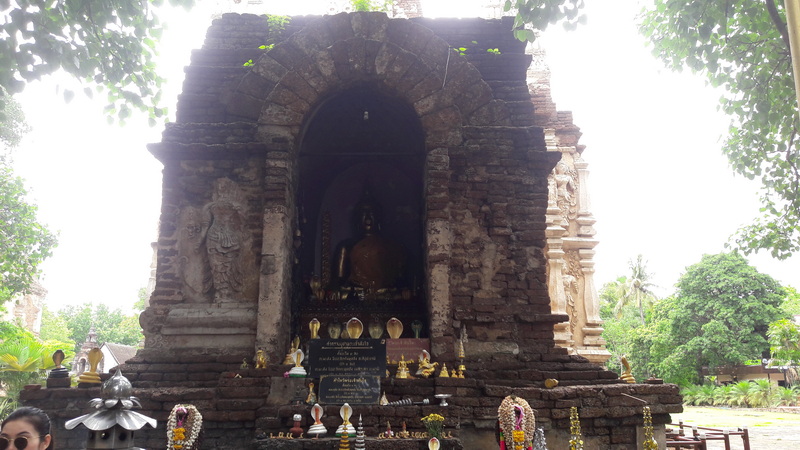
Brick temple with seated Buddha statue inside a sheltered alcove, surrounded by offerings at Wat Jed Yod.

Nimmanhaemin Road, contrasting with the temple atmosphere, offers a vibrant urban experience with its cafes, boutiques, and art galleries. This area reflects the modern, creative side of Chiang Mai and is popular among both locals and tourists. Including Nimmanhaemin Road in a half day city tour provides a balanced itinerary that combines cultural history with contemporary lifestyle.

Together, these nearby attractions allow travelers to craft a fuller day of exploration around Wat Jed Yod. Whether prioritizing spiritual sites or urban culture, visitors can tailor their experience to suit personal interests while maintaining a manageable schedule.

What Visitors Should Expect When Planning a Visit to Wat Jed Yod

When preparing to visit Wat Jed Yod, travelers should anticipate a calm and respectful environment where photography is generally permitted but with sensitivity to worshippers. The temple grounds are well-maintained, and visitors can spend time admiring the architectural details and meditative spaces.

Ancient brick temple with multiple spires surrounded by trees and greenery at Wat Jed Yod.

As Wat Jed Yod is part of many Chiang Mai half day city tours, it is advisable to plan visits during morning or early afternoon to avoid crowds and enjoy cooler temperatures. Comfortable attire respecting local customs is recommended, as is carrying water and sun protection if exploring during warmer months.

Visitors should also consider combining their visit with nearby attractions such as Wat Suan Dok or Nimmanhaemin Road to maximize their time. Since Wat Jed Yod is not as large or crowded as some other temples, it allows for a more relaxed pace, suitable for travelers who wish to absorb cultural details without haste.

Overall, a visit to Wat Jed Yod offers a meaningful glimpse into Chiang Mai’s temple heritage within a practical itinerary context, making it an appealing choice for a wide range of visitors.

Nearby Attractions

Wat Suan Dok

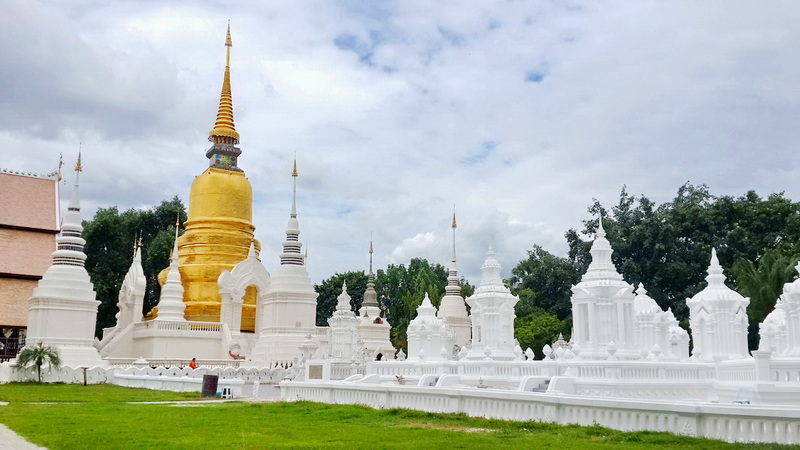
White and gold Buddhist stupa with surrounding smaller structures under a cloudy sky at Wat Suan Dok.

Wat Suan Dok is a prominent temple located not far from Wat Jed Yod, known for its striking large white chedi that houses the ashes of Chiang Mai’s former royal family. The temple complex includes a spacious wihan (assembly hall) and several smaller stupas, surrounded by well-kept gardens that invite quiet reflection.

Historically, Wat Suan Dok served as a royal cremation site and a center for Buddhist teaching, contributing significantly to Chiang Mai’s religious landscape. Visitors often appreciate its unique blend of historical importance and serene atmosphere, making it a worthwhile stop when exploring the area around Wat Jed Yod.

Nimmanhaemin Road

Night view of a lit modern shopping mall with market stalls and people outside at Nimmanhaemin Road.

Nimmanhaemin Road offers a lively contrast to Chiang Mai’s temples with its bustling streets lined with trendy cafes, art galleries, and boutique shops. This neighborhood has become a cultural hub for both locals and tourists, showcasing Chiang Mai’s modern creative energy.

Strolling along Nimmanhaemin Road, visitors can experience contemporary Thai urban life, sample local and international cuisine, and browse unique artisan products. This area complements the cultural depth of temple visits by providing a dynamic, social environment within easy reach of Wat Jed Yod.

Final Thoughts

Wat Jed Yod offers travelers a distinctive glimpse into Chiang Mai’s rich temple heritage, standing out as one of the famous temples in Chiang Mai with its rare seven-spired design and historical roots. Including this temple in a Chiang Mai half day city tour allows for an efficient yet culturally rewarding experience. By also exploring nearby attractions such as Wat Suan Dok and Nimmanhaemin Road, visitors can enjoy a well-rounded itinerary that balances traditional spirituality with modern city life. Thoughtful planning ensures that your visit to Wat Jed Yod fits smoothly into your travel schedule, providing both insight and enjoyment in the heart of Muang Chiang Mai.

Saturday, August 15, 2026

Exploring Mueang On Cave and Cultural Tours at Muang On Cave

Exploring Mueang On Cave and Cultural Tours at Muang On Cave

Discover the spiritual and cultural heritage of Chiang Mai’s cave temples through tours at Muang On Cave and nearby attractions

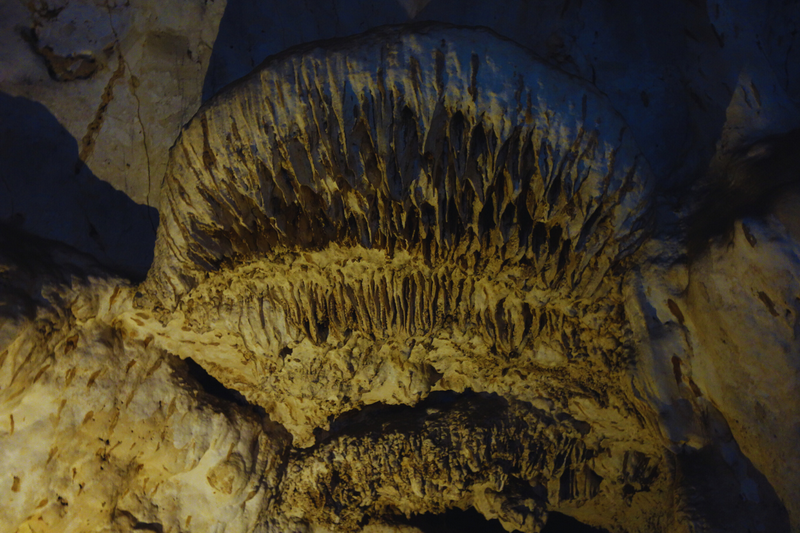
Inner view of stalactites and stalagmites inside a dark cave with mineral textures at Mueang On Cave.

Nestled in the scenic Mae On District Chiang Mai, Mueang On Cave offers a unique glimpse into the rich cultural and religious tapestry of northern Thailand. As one of the notable Chiang Mai cave temples, it invites travelers to explore not only its natural limestone formations but also the sacred spaces that have long been places of worship and reflection. This article provides an insightful guide to touring Muang On Cave with a respectful understanding of its cultural significance. Beyond the cave itself, visitors can immerse themselves in the local heritage by visiting nearby attractions such as San Kamphaeng Hot Springs and Mae Kampong Village, both offering complementary experiences that highlight the region’s natural beauty and traditional lifestyle. For travelers seeking a blend of spiritual discovery and cultural immersion, this exploration of Chiang Mai cave temples and tours at Muang On Cave serves as an essential resource. It emphasizes the importance of respectful visitation, offering practical insights into the religious and cultural meanings that enrich this destination.

Overview of Chiang Mai Cave Temples

Chiang Mai is renowned for its cave temples, natural limestone caves that have been transformed into sacred spaces over centuries. These caves often house Buddha statues, shrines, and intricate carvings that reflect the spiritual heritage of the region. Among these, Muang On Cave stands out as a culturally significant site that blends natural wonder with religious devotion.

The cave’s interior reveals a serene atmosphere where visitors can observe worship practices and appreciate the artistry of local artisans who maintain the temple’s sacred artifacts. The interplay of natural light filtering through cave openings and the quiet reverence inside creates a powerful sense of connection to both nature and spirituality.

Visiting a Chiang Mai cave temple like Muang On Cave offers more than sightseeing; it is an opportunity to engage with Thailand’s Buddhist traditions and understand the historical role these caves have played as places of meditation and community gathering.

Tour Muang On Cave: What to Expect

Tours of Muang On Cave are designed to provide cultural context alongside natural exploration. While specific tour services may vary, a typical visit includes guided walks through the cave’s chambers, explanations of the religious symbols and statues present, and insights into the local customs surrounding worship at cave temples.

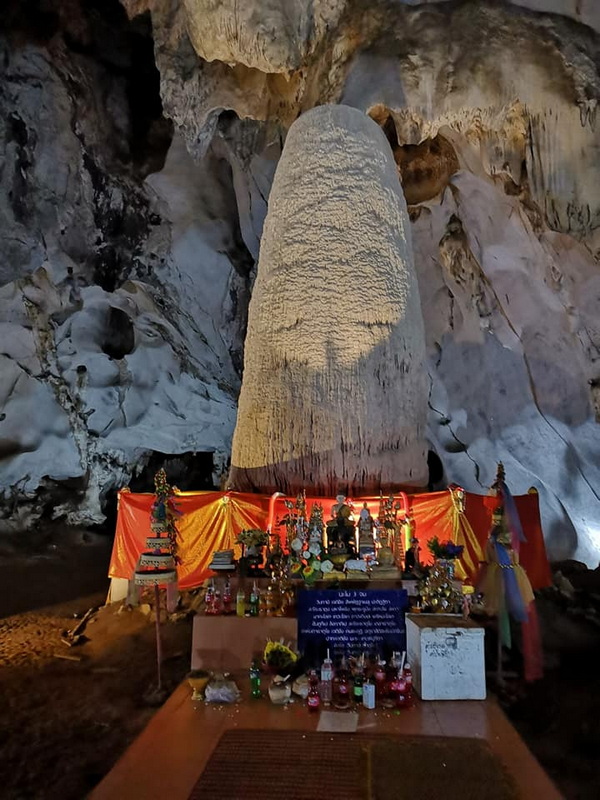
Large white stalagmite within a cave with a shrine and offerings below at Mueang On Cave.

Visitors are encouraged to approach the cave with respect and mindfulness, acknowledging its status as a living place of faith. Modest attire and quiet behavior are essential to honor the sanctity of the site. Photography should be discreet and always considerate of worshippers.

The cave’s geological features, including stalactites and stalagmites, add to the visitor experience, illustrating the slow natural processes that created this sacred space. Guides often highlight how these natural formations have influenced the placement of religious icons and the overall layout of the temple.

A Tour Muang On Cave experience also often includes a narrative on the interplay between local community traditions and Buddhist practices, enriching visitor understanding of the cultural layers embedded in the site.

Cultural and Religious Significance of Mueang On Cave

Mueang On Cave is more than a geological marvel; it is a spiritual sanctuary that embodies centuries of religious devotion. The cave temple serves as a site for meditation, prayer, and ceremonies, deeply connected to the Buddhist faith prevalent in Chiang Mai and northern Thailand.

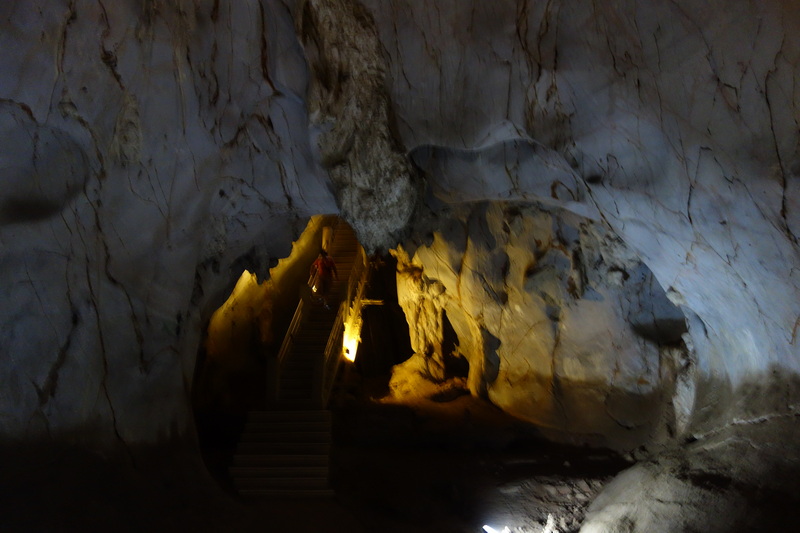
Dark cave interior with stairs and rock formations illuminated by artificial lights at Mueang On Cave.

The statues and shrines within reflect local interpretations of Buddhist iconography, often blending natural cave elements with crafted religious art. This fusion symbolizes harmony between nature and spirituality, a core principle in many Thai Buddhist practices.

The cave also holds cultural importance for nearby communities, whose traditions and festivals often incorporate visits to such sacred sites. Understanding this connection encourages visitors to see Mueang On Cave not just as a tourist destination but as a living cultural heritage that sustains local identity.

Respecting the religious practices observed here means recognizing the cave’s role in daily spiritual life and community cohesion, which extends beyond the physical space to encompass intangible cultural values.

Visitor Considerations for a Respectful Tour

When planning a visit to Muang On Cave, travelers should prepare to engage with the site in a manner that respects its sacred nature. This includes dressing modestly, removing shoes where required, and maintaining a quiet demeanor to avoid disturbing worshippers.

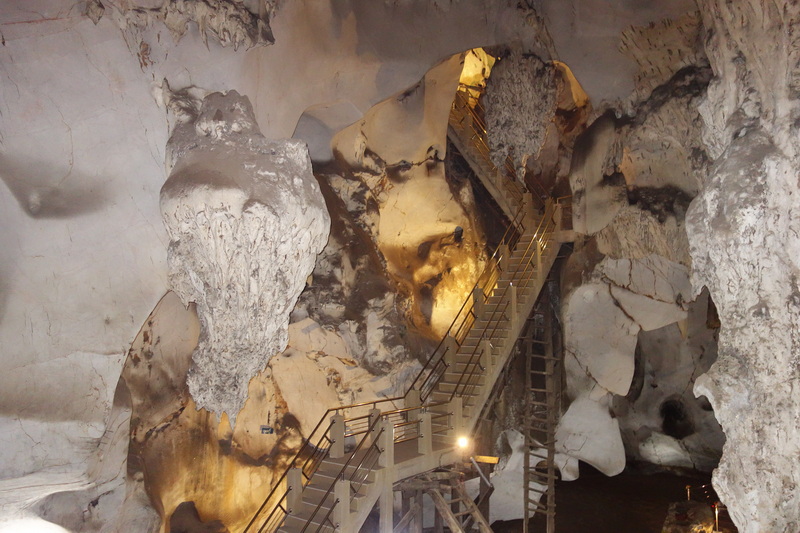
Staircase with yellow railings inside a limestone cave with large rocks and soft illumination at Mueang On Cave.

It is advisable to follow any guidance provided by local guides or temple caretakers, particularly regarding areas that may be off-limits or rituals that should not be interrupted. Visitors should avoid commercializing or sensationalizing the religious aspects of the cave.

Photography should be used sparingly and only in permitted areas, always mindful of the privacy and dignity of those praying or performing ceremonies. Taking time to learn about the cave’s religious symbolism before visiting can deepen appreciation and enhance the experience.

By approaching the tour with cultural sensitivity, visitors contribute to preserving the integrity of Mueang On Cave as a place of faith and heritage for future generations.

Nearby Attractions

San Kamphaeng Hot Springs

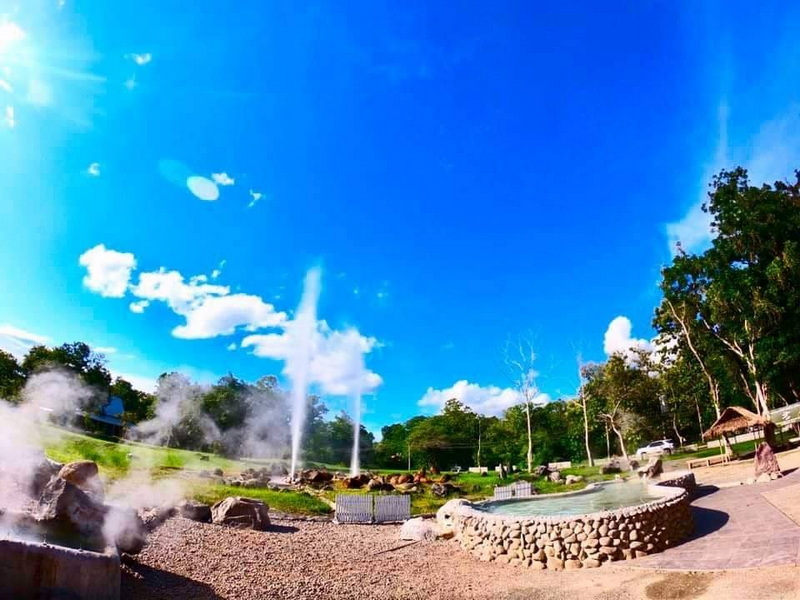
Hot springs with fountains and steam under a clear blue sky surrounded by trees at San Kamphaeng Hot Springs.

Located near Mae On District, San Kamphaeng Hot Springs offer a natural retreat known for their warm mineral waters and tranquil surroundings. These springs have long been valued by locals and visitors alike for their therapeutic qualities and peaceful ambiance.

Beyond relaxation, the hot springs area provides insight into northern Thailand’s relationship with natural wellness and traditional healing practices. Visitors can enjoy foot baths, soak pools, and the scenic environment, making it a complementary stop when touring Muang On Cave.

The site also serves as a cultural touchpoint where local vendors sell handcrafted goods and traditional snacks, offering a glimpse into the community’s artisanal heritage.

Mae Kampong Village

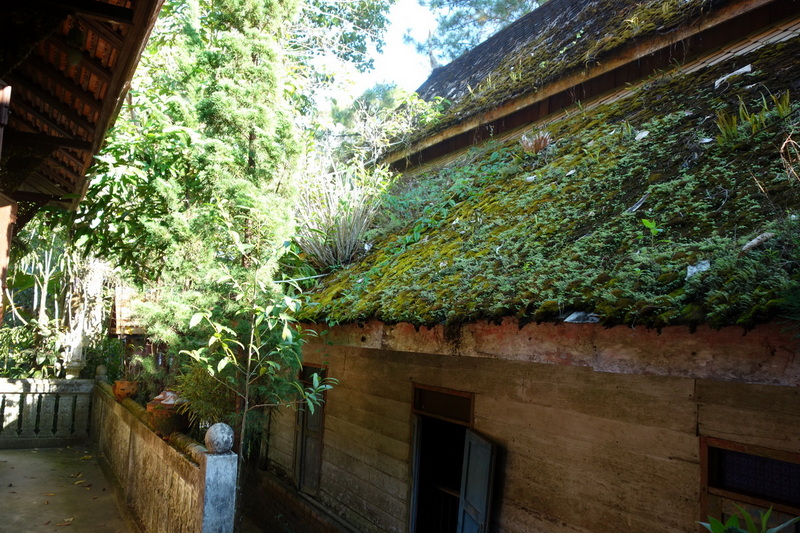
Wooden building with moss on the roof amidst green trees and plants at Mae Kampong Village.

Mae Kampong Village is a picturesque mountain village near Muang On Cave, celebrated for its lush greenery, cool climate, and authentic northern Thai lifestyle. The village is home to a close-knit community that preserves traditional ways of living, including handicrafts, farming, and local festivals.

Visitors to Mae Kampong can experience homestays, sample local cuisine, and participate in cultural activities that showcase the harmonious blend of nature and tradition. The village’s serene setting provides a meaningful context for understanding the spiritual and cultural backdrop of nearby cave temples.

Exploring Mae Kampong enriches a Chiangmai Tour by connecting travelers to the living culture of the region, emphasizing sustainability and respectful tourism practices.

Final Thoughts

Exploring Mueang On Cave offers travelers a unique opportunity to engage deeply with the spiritual and cultural heritage of Chiang Mai. This cave temple, set within a stunning natural environment, invites visitors to reflect on the harmonious relationship between nature and faith that defines much of northern Thailand’s identity. By approaching the site with respect and curiosity, travelers not only enrich their own experience but also honor the traditions of the local community. Complemented by nearby attractions like San Kamphaeng Hot Springs and Mae Kampong Village, a visit here becomes a holistic journey into the heart of Chiang Mai’s cultural landscape.