Khum Khantoke Chiang Mai Experience of Traditional Lanna Dinner Tours and Nighttime Activities
Discover the cultural richness of Khantoke dinner and evening activities near Wat Jed Yod and Wat Suan Dok in Chiang Mai
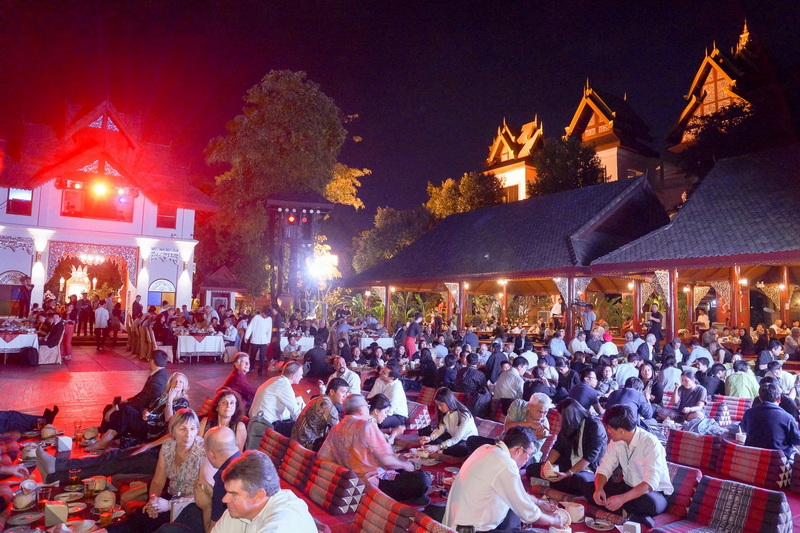
Chiang Mai’s evening atmosphere offers a unique gateway into the cultural heritage of Northern Thailand through its traditional Lanna dinner tours. Among these experiences, the Khantoke dinner stands out as an immersive way to appreciate Lanna culinary artistry and customs in an authentic setting. This style of dining, deeply rooted in the region’s history, invites travelers to savor a variety of Northern Thai dishes served on a low, round table known as a khantoke. Beyond the meal itself, the evening unfolds with cultural performances and opportunities to explore nearby historic attractions, creating a blend of sensory and educational experiences. This article focuses on Khantoke dinner experiences in Muang Chiang Mai, particularly near Wat Jed Yod and Wat Suan Dok, two significant sites that enhance the cultural context of the evening. For visitors seeking the best things to do at night in Chiang Mai, combining a traditional Lanna dinner tour with local sightseeing offers a meaningful way to connect with the region’s heritage. Understanding the cultural significance of the Khantoke dinner and the options for evening activities nearby helps set clear expectations for a respectful and enriching visit.
Overview of Traditional Lanna Dinner Tours
Traditional Lanna dinner tours in Chiang Mai provide more than just a meal; they offer a window into the customs and social fabric of Northern Thailand’s historic kingdom. The Lanna culture, known for its distinct language, art, and cuisine, is celebrated through these dinners that often incorporate storytelling and performances to complement the food.
The centerpiece of these tours is the Khantoke dinner, which features an array of regional dishes served on a low wooden tray called a 'khantoke'. Guests typically sit on mats or cushions around the khantoke, fostering a communal dining experience that reflects local hospitality and social traditions.
These tours often take place in settings designed to evoke traditional Lanna architecture and ambiance, enhancing the cultural immersion. Visitors can expect dishes including sticky rice, nam prik (chili dips), grilled meats, and vegetable curries, all prepared with regional ingredients and methods passed down through generations.
By participating in a traditional Lanna dinner tour, travelers gain insight into the values of sharing, respect, and celebration that characterize the local way of life. This cultural context enriches the sensory experience of the meal and deepens appreciation for the heritage preserved in Chiang Mai.
Experiencing the Khantoke Dinner
The Khantoke dinner is a hallmark of Northern Thai hospitality and a highlight for visitors interested in authentic cultural dining. The meal is centered around a circular wooden tray raised slightly off the floor, where a selection of traditional dishes is artfully arranged for communal enjoyment.
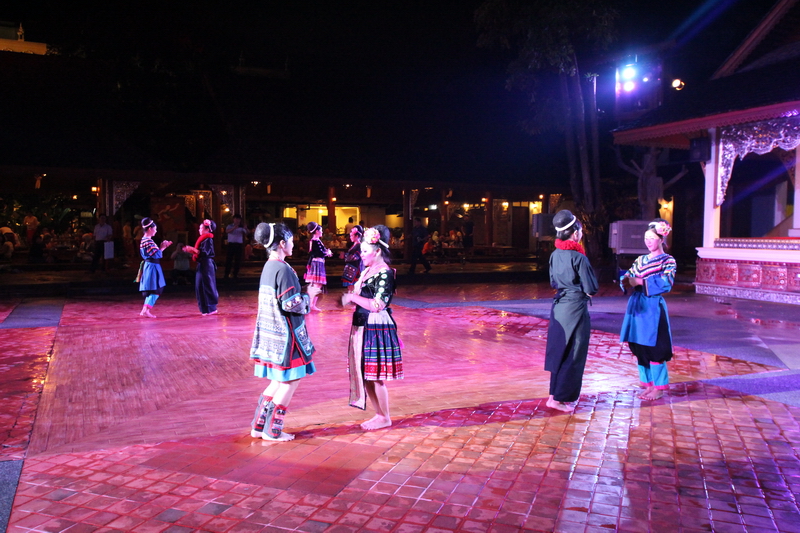
Guests are invited to sit cross-legged around the khantoke, creating an intimate and informal atmosphere that encourages conversation and connection. The food offerings typically include a variety of flavors—spicy, sour, sweet, and savory—showcasing the complexity of Lanna cuisine.
Accompanying the meal are often performances of traditional Thai dance and music, which add a visual and auditory dimension to the evening. These cultural presentations honor Lanna heritage and provide context to the dining experience, making the Khantoke dinner not just a meal but a celebration of regional identity.
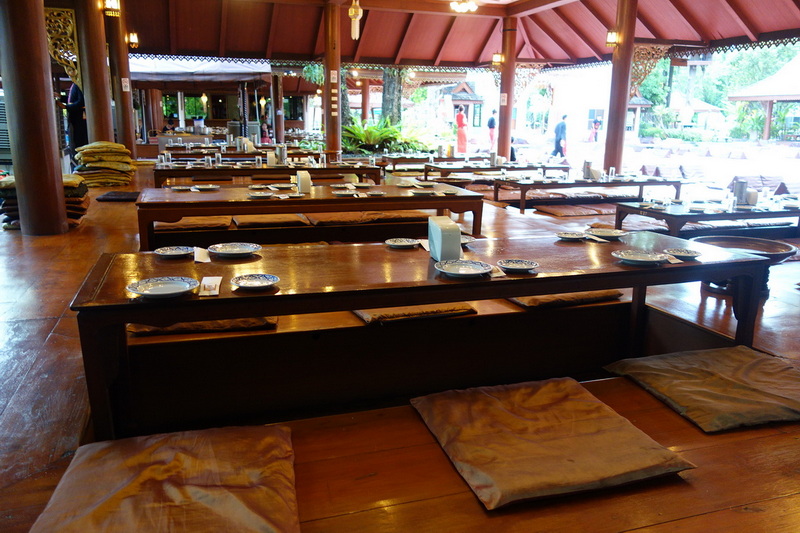
Understanding the significance of the Khantoke dinner helps visitors approach the experience with respect and curiosity. It is a communal ritual that embodies generosity and the sharing of culture, making it an ideal choice for those seeking an immersive evening activity in Chiang Mai.
Evening Activities Near Wat Jed Yod and Wat Suan Dok
The areas surrounding Wat Jed Yod and Wat Suan Dok offer a variety of evening activities that complement the Khantoke dinner experience. These historic temples, both rich in Lanna architectural features and spiritual significance, provide serene environments for visitors to explore before or after dining.
Wat Jed Yod is known for its unique seven-spired chedi, a rare architectural style in Chiang Mai, and its tranquil gardens. Evening visits here allow travelers to appreciate the temple’s peaceful ambiance and the gentle glow of lanterns and candles that often illuminate the grounds.
Wat Suan Dok, a former royal temple, features a large open courtyard and several stupas containing royal ashes. Its location near the city center makes it accessible for evening cultural walks or meditation sessions offered occasionally to visitors seeking quiet reflection.
Beyond temple visits, the vicinity includes local markets and artisan shops where visitors can browse handcrafted goods and sample street foods. These activities provide a fuller picture of Chiang Mai’s living culture and offer engaging options for those interested in exploring the city’s heritage after dark.
Cultural Context of Lanna Dining Traditions
Lanna dining traditions are deeply intertwined with the social and spiritual life of Northern Thailand. Meals are often communal events symbolizing unity, respect, and gratitude, reflecting Buddhist values and local customs.
The Khantoke itself is more than a serving tray; it represents a shared space where family and community gather to eat, converse, and celebrate. This tradition emphasizes harmony and the importance of relationships in daily life.
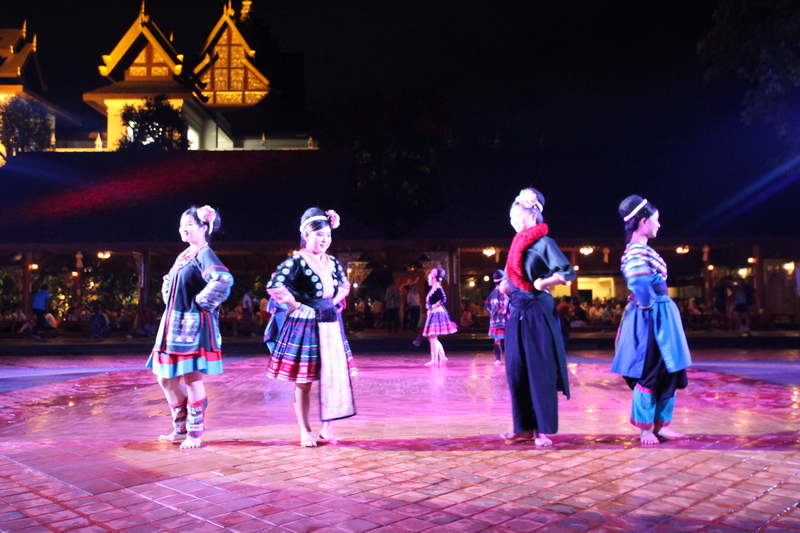
Food served during Lanna dinners often carries symbolic meanings, with specific dishes prepared for festivals, religious ceremonies, and special occasions. The use of local ingredients and preparation methods connects diners to the region’s natural environment and history.
Understanding these cultural layers enriches the visitor’s experience, fostering a respectful appreciation rather than mere consumption. The Khantoke dinner thus becomes a cultural exchange, inviting guests to participate in longstanding traditions with mindfulness and openness.
What Visitors Should Expect and How to Prepare
Visitors attending a Traditional Lanna Dinner Tour Chiang Mai featuring a Khantoke dinner should anticipate a relaxed yet culturally rich environment. Seating is usually on the floor, so comfortable attire and readiness to sit cross-legged are advisable.
The meal is typically shared, with guests encouraged to try a variety of dishes and savor the communal atmosphere. While the setting is informal, the experience is steeped in tradition, so respectful behavior and openness to local customs enhance the visit.
Evening activities near Wat Jed Yod and Wat Suan Dok provide meaningful opportunities to extend the cultural immersion. Visitors can plan their evenings to include temple visits, cultural performances, or local markets, balancing dining with exploration.
It is important to approach the experience without expectations of precise schedules or commercialized entertainment. The focus is on cultural appreciation, so patience and curiosity will enrich the evening. This approach aligns with ethical visitor behavior and helps support the preservation of Lanna heritage.
Nearby Attractions
Wat Jed Yod
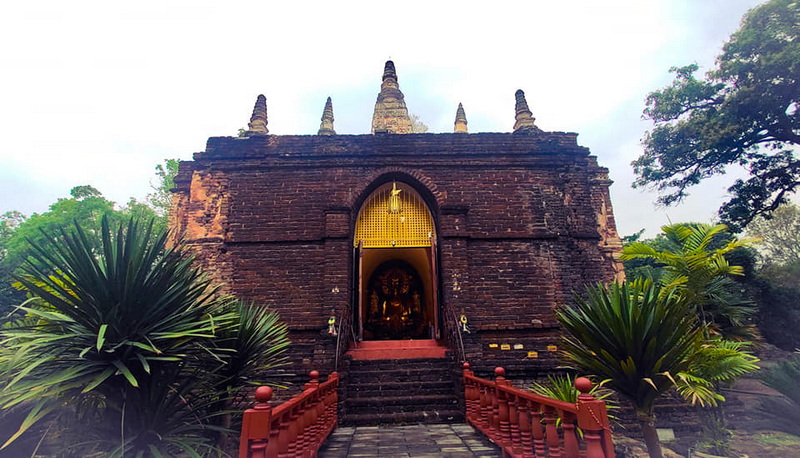
Wat Jed Yod is a distinctive temple in Chiang Mai, noted for its rare seven-spired chedi that stands out architecturally in the city. This temple holds historical significance as a site of religious and cultural importance within the Lanna tradition.
Visitors to Wat Jed Yod can experience a tranquil atmosphere, especially in the evening when the temple grounds are softly illuminated. The peaceful gardens and prayer areas offer a contemplative space that complements the cultural richness of a Khantoke dinner nearby.
Exploring Wat Jed Yod after dusk allows travelers to witness the gentle interplay of light and shadow on the temple’s unique structures, providing a serene contrast to the lively communal dining experience of the evening.
Wat Suan Dok
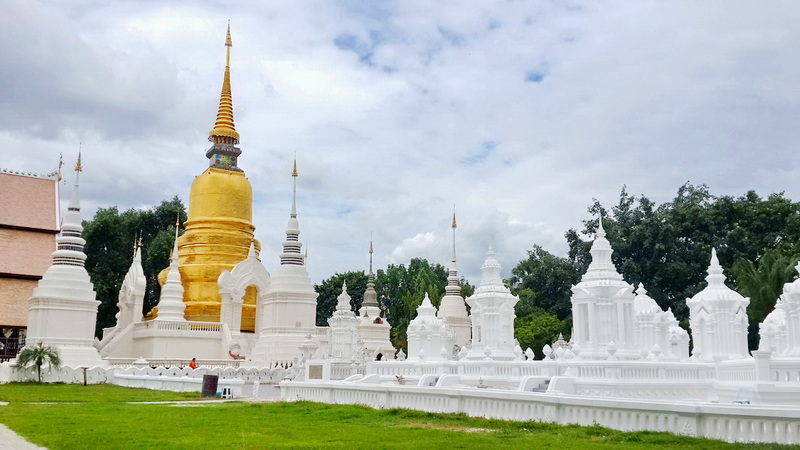
Wat Suan Dok is a former royal temple located in Muang Chiang Mai, recognized for its expansive courtyard and significant stupas that enshrine royal ashes. The temple’s architecture and history make it a key cultural site in the city.
The temple’s open spaces and serene environment are ideal for evening visits, where visitors can enjoy quiet reflection or participate in meditation sessions sometimes offered to tourists. Its proximity to dining venues hosting Khantoke dinners enhances the overall cultural itinerary.
Visiting Wat Suan Dok in the evening provides a peaceful counterpoint to the communal energy of the traditional Lanna dinner, allowing guests to connect with Chiang Mai’s spiritual heritage in a meaningful way.
Final Thoughts
Engaging with a Traditional Lanna Dinner Tour Chiang Mai centered on the Khantoke dinner offers travelers a memorable blend of culinary delight and cultural discovery. By situating the experience near Wat Jed Yod and Wat Suan Dok, visitors can deepen their understanding of Lanna heritage through both taste and sight. This carefully balanced evening itinerary invites respect and curiosity, allowing guests to appreciate the rich traditions that continue to thrive in Chiang Mai’s vibrant nightscape. Whether savoring the communal dishes or strolling temple grounds under evening skies, the experience leaves a lasting impression of Northern Thailand’s enduring cultural spirit.

No comments:
Post a Comment