Exploring the Three kings Monument with Chiang Mai City Tours and Custom Chiang Mai Tour Packages
Discover personalized city tours and cultural insights with a comprehensive Chiang Mai Province Travel Guide
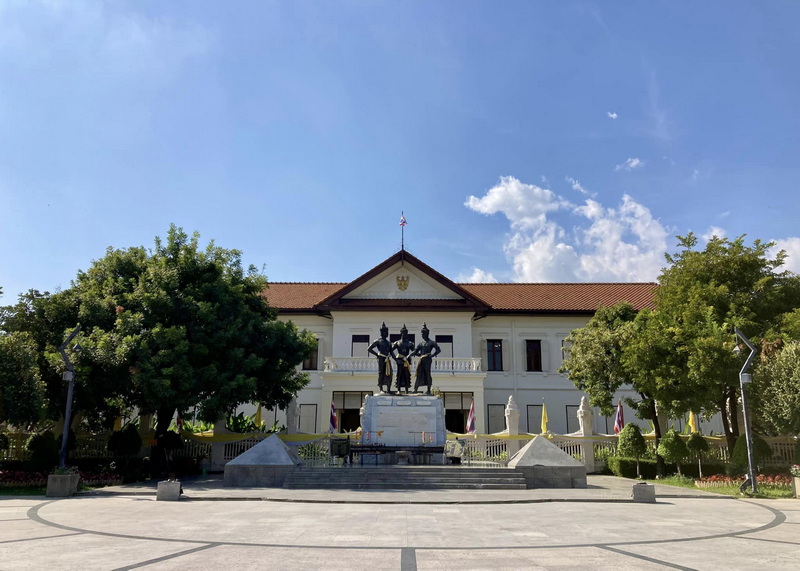
The Three kings Monument stands as a significant cultural landmark in Muang Chiang Mai, offering visitors a glimpse into the rich heritage of northern Thailand. This monument honors the three founding kings of Chiang Mai and serves as a focal point for understanding the city’s historical roots within the broader Chiang Mai province. For travelers interested in an immersive experience, Chiang Mai City Tours and Custom Chiang Mai Tour Packages provide tailored ways to explore not only the monument but also the surrounding cultural treasures. Chiang Mai Province Travel Guide perspectives emphasize the importance of respectful cultural exploration and personalized trip planning. By choosing custom tours, visitors can shape their itinerary around interests such as history, architecture, or local traditions, ensuring a meaningful connection with the region's heritage. The monument’s central location also makes it an ideal starting point for discovering nearby temples that enrich the cultural narrative of Chiang Mai. This article presents a focused view on how travelers can engage with the Three kings Monument through flexible city tours and custom packages, complemented by insights on nearby attractions and provincial travel considerations. Whether you are a first-time visitor or seeking a deeper cultural context, this guide aims to inspire confidence and curiosity while supporting practical planning for your journey.
Cultural Significance of the Three kings Monument
The Three kings Monument commemorates the alliance of the three founding rulers of Chiang Mai: King Mengrai, King Ramkhamhaeng of Sukhothai, and King Ngam Muang of Payao. Erected in the heart of Muang Chiang Mai, the monument symbolizes unity and cooperation that led to the founding of the city in the late 13th century. Its cultural importance extends beyond mere historical remembrance, embodying the spirit of Lanna heritage and the enduring legacy of northern Thai identity.
Visitors often find the monument a powerful introduction to Chiang Mai’s layered past. The statues stand in a traditional pose of collaboration, inviting reflection on the values of leadership and regional solidarity. For travelers interested in cultural heritage, the monument offers a respectful point of engagement with local history without the need for extensive background knowledge, making it accessible and meaningful.
The surrounding square also acts as a communal space where locals gather for events and festivals, providing an authentic atmosphere that visitors can appreciate. This communal aspect highlights the monument’s living cultural role, encouraging respectful observation and understanding of local customs.
Chiang Mai City Tours and Custom Chiang Mai Tour Packages
Chiang Mai City Tours often include visits to the Three kings Monument as a central highlight, allowing travelers to experience the monument within the wider context of the city’s historical and cultural landscape. These tours range from half-day explorations to full-day itineraries, offering a variety of perspectives on Chiang Mai’s urban heritage. Many city tours emphasize flexibility, enabling visitors to tailor their experiences according to specific interests such as art, history, or architecture.
Custom Chiang Mai Tour Packages provide an even more personalized approach, ideal for travelers seeking to design their own journey with expert guidance. These packages allow for adjustments in pace, focus, and destinations, ensuring that the Three kings Monument is integrated seamlessly with other cultural sites and activities. Custom tours can also accommodate special requests such as private guides, thematic focuses on Lanna culture, or combined visits to nearby attractions.
By choosing a custom package, travelers benefit from local knowledge that enriches the understanding of the monument and its surroundings. This approach supports a deeper cultural connection and ensures that visitor experiences are respectful, educational, and memorable. Whether traveling solo, as a couple, or with family, custom tours offer the flexibility to balance popular landmarks with lesser-known cultural gems.
Travel Planning Within Chiang Mai Province Travel Guide
Chiang Mai Province Travel Guide highlights the diverse cultural and geographical landscape of the region, which extends well beyond the city’s boundaries. Understanding this broader context helps travelers appreciate the significance of the Three kings Monument as part of a wider historical tapestry. Chiang Mai province is known for its rich Lanna heritage, natural beauty, and vibrant local traditions that influence the cultural experience within the city.
When planning tours around the Three kings Monument, considering the provincial context allows for more thoughtful itinerary design. Many travelers choose to combine urban exploration with visits to nearby temples and natural sites, creating a balanced travel experience that respects both cultural depth and regional diversity. The province’s accessibility and infrastructure support a range of travel styles, from independent exploration to guided custom tours.
The travel guide perspective also encourages visitors to approach Chiang Mai with cultural sensitivity and awareness of local customs. This includes understanding the significance of religious sites, appropriate behavior around monuments, and the importance of supporting local communities through ethical tourism practices. Integrating these principles into travel planning enhances the overall experience and fosters meaningful connections with the people and places of Chiang Mai province.
Enhancing the Visit with Nearby Temples
The Three kings Monument’s central location offers convenient access to several nearby temples that deepen the cultural experience. Among the most notable are Wat Chedi Luang and Wat Phan Tao, both of which provide unique insights into Chiang Mai’s religious and architectural heritage. Including these sites in city tours or custom packages enriches visitor understanding of the region’s spiritual traditions and historical development.
Wat Chedi Luang is renowned for its massive, partially restored chedi (stupa) that dates back to the 14th century. It represents a significant religious center and a symbol of Chiang Mai’s ancient grandeur. Visiting Wat Chedi Luang alongside the monument allows travelers to connect the historical narrative from the city’s founding to its religious evolution.
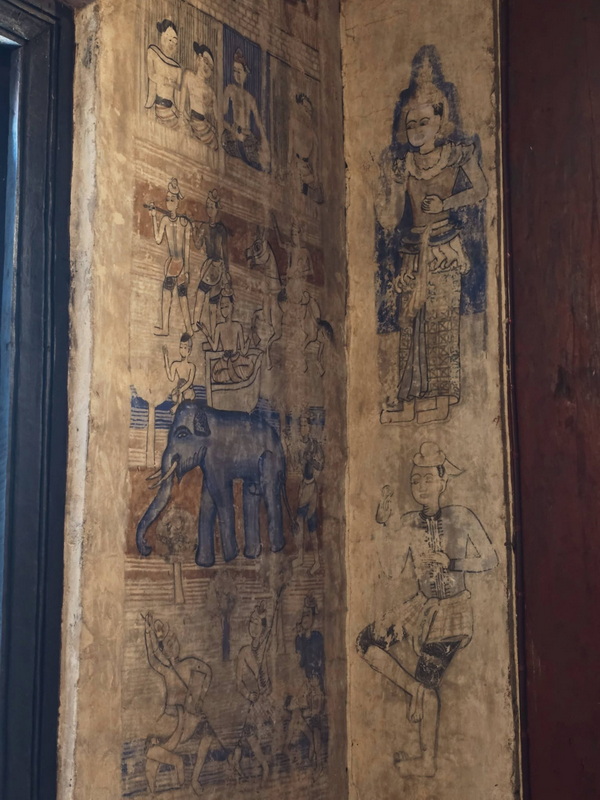
Wat Phan Tao, known for its distinctive teakwood viharn (assembly hall), offers a contrasting architectural style that highlights traditional Lanna craftsmanship. Its serene atmosphere complements the more monumental scale of the Three kings Monument, providing a reflective space for visitors interested in spiritual and cultural contemplation. Together, these temples create a well-rounded cultural itinerary that supports the themes of heritage and respectful exploration.
Nearby Attractions
Wat Chedi Luang
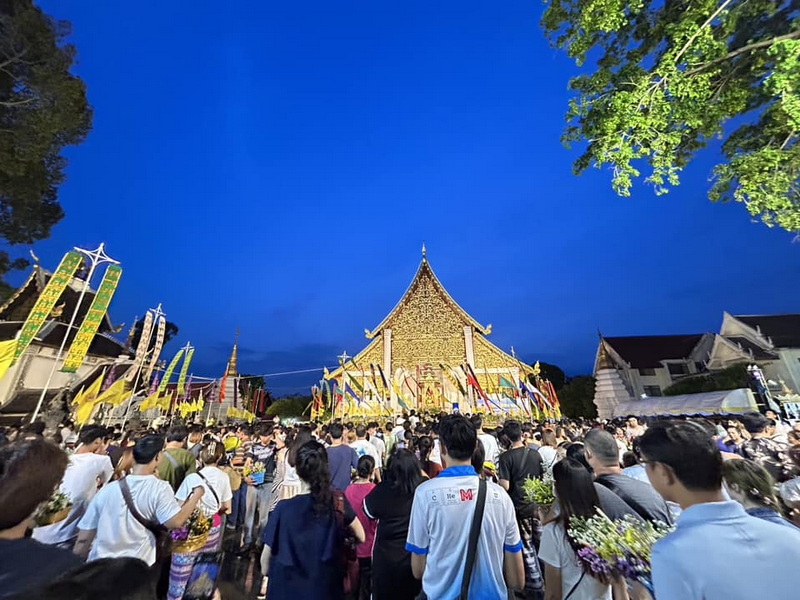
Wat Chedi Luang stands as one of Chiang Mai’s most impressive temple complexes, featuring a towering chedi that once was the tallest structure in the city. Though partially damaged by an earthquake in the 16th century, its grandeur remains evident, drawing visitors interested in Lanna history and Buddhist architecture. The temple grounds also house important Buddha statues and a sacred city pillar, making it a vital spiritual site.
Visitors to Wat Chedi Luang often appreciate the blend of historical significance and active religious practice. Monks can be seen engaging in daily rituals, and the temple hosts festivals that offer cultural insights. Its proximity to the Three kings Monument makes it an essential stop for those exploring Chiang Mai’s cultural core.
Wat Phan Tao
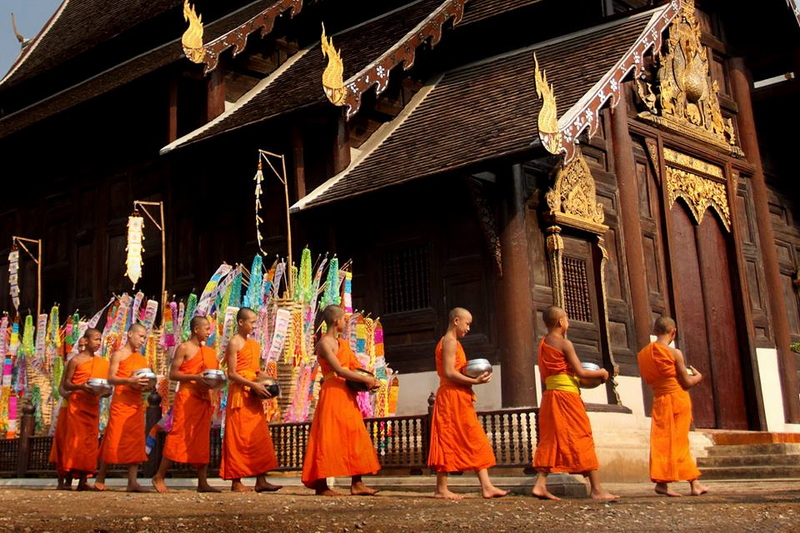
Wat Phan Tao is notable for its exquisite wooden construction, a rarity among Chiang Mai’s temples predominantly built with brick and stucco. The teakwood viharn reflects traditional Lanna artistry and craftsmanship, providing visitors a glimpse into the region’s architectural heritage. The temple’s peaceful courtyard and detailed carvings invite quiet reflection and appreciation of local religious culture.
Situated near the Three kings Monument, Wat Phan Tao complements the urban cultural landscape with its intimate and serene environment. Visitors often include this temple in custom tour itineraries to balance the monument’s historical narrative with spiritual and artistic exploration.
Final Thoughts
Exploring the Three kings Monument through Chiang Mai City Tours and Custom Chiang Mai Tour Packages offers travelers a unique opportunity to engage deeply with northern Thailand’s cultural heritage. By integrating the monument with nearby temples like Wat Chedi Luang and Wat Phan Tao, visitors can craft itineraries that balance historical insight with spiritual and architectural appreciation. The broader Chiang Mai Province Travel Guide context encourages respectful and thoughtful travel planning, ensuring that each journey honors the local traditions and enriches the visitor’s experience. Whether you prefer structured city tours or flexible custom packages, the Three kings Monument remains a central gateway to understanding Chiang Mai’s enduring legacy.

No comments:
Post a Comment