Ban Huai Kung and the Cultural Landscape of Mae Hong Son Trekking
A respectful look at village life, Karen heritage, and trekking connections across northern Mae Hong Son
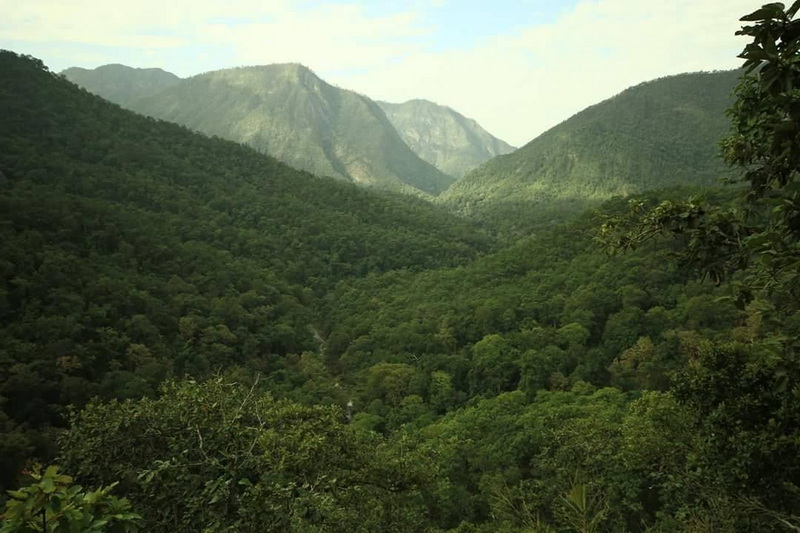
Ban Huai Kung, also written as Baan Huai Kung or Ban Huay Kung, belongs to the cultural and mountain landscape of Mueang Mae Hong Son District. For travelers, its significance is not simply that it is a destination to photograph, but that it offers context for understanding how highland communities, forests, paths, and neighboring settlements are connected. The village is associated with a Karen Long Neck Village experience, a description often used in travel writing for communities whose residents may wear traditional neck coils as part of cultural identity and presentation. The most rewarding way to think about a visit is as a meeting with a living community rather than a staged attraction. Trekking in Mae Hong Son can bring travelers through wooded hills and rural landscapes, while cultural visits create opportunities to learn about local histories, handicrafts, family life, and changing livelihoods. References to Pai Trekking Tours Mae Hong Son may point travelers toward the wider province’s trekking culture, but Pai and Ban Huai Kung should not automatically be treated as the same local itinerary. Routes, access, and community arrangements require confirmation from current local sources. This guide focuses on the relationship between village culture and trekking context. It also considers how visitors can approach Ban Huai Kung with curiosity, patience, and respect for consent.
Understanding the Karen Long Neck Village Context
The phrase Karen Long Neck Village is widely used by tourism businesses and travelers, yet it can simplify a more complicated cultural picture. Karen communities include distinct groups with their own languages, histories, customs, and geographical connections. Neck coils, where worn, should be understood as part of a cultural practice and personal identity, not as a performance created solely for visitors. Individual residents may relate to the practice in different ways, and an ethical visitor leaves room for those differences.
Village culture is expressed through ordinary life as much as through visible traditions. Homes, cooking, weaving, agricultural work, religious practice, family relationships, and the surrounding landscape all form part of the context. A respectful visit therefore looks beyond the most recognizable feature of the community. Listening to explanations, observing without interrupting, and purchasing locally made goods through appropriate channels can support a more balanced exchange.
Visitors should ask before taking photographs of people, homes, ceremonies, children, or personal belongings. A friendly smile is not automatically permission for a close-up image. It is also considerate to avoid touching neck coils, clothing, tools, or displays. When conversation is possible, simple questions about craft, language, food, or daily work are generally more respectful than questions that treat residents as unusual objects of curiosity.
How Ban Huai Kung Fits the Trekking Landscape
The hills around Mae Hong Son are shaped by forest, streams, cultivated slopes, village paths, and long-established movement between communities. Trekking in this environment is not only a physical activity. It can reveal how people read the land, identify useful plants, manage water, travel between settlements, and adapt to seasonal weather. A walk through this landscape becomes richer when visitors recognize that the trail is also part of local life.
Travelers researching Pai Trekking Tours Mae Hong Son may encounter a broad range of descriptions, from forest walks to cultural excursions and longer journeys in the province. Pai is an important travel base in northern Thailand, but its landscape and travel infrastructure do not define every Mae Hong Son village. Anyone hoping to connect a Pai-based trekking plan with Ban Huai Kung should check the actual geography, transport arrangements, permissions, and community involvement before making assumptions.
The most responsible trekking approach places local knowledge first. Conditions can change with rain, heat, smoke, landslides, farming activity, or conservation rules. A route that appears simple on a map may cross private land, steep ground, or an area used for community purposes. Visitors should follow locally accepted paths, carry out waste, use water carefully, and avoid collecting plants, stones, or cultural objects. The goal is to pass through the landscape without leaving a disruptive trace.
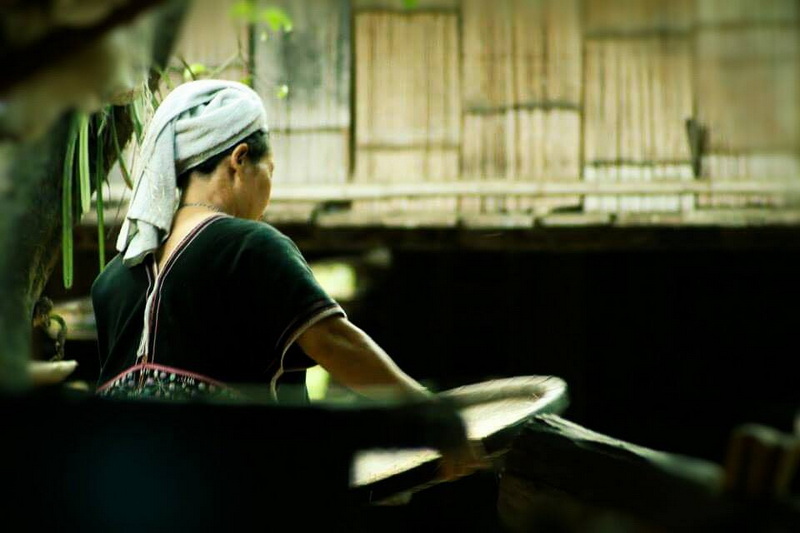
Rather than judging a trek by distance or difficulty alone, consider what kind of relationship it creates with the area. A slower walk may allow time to notice forest sounds, construction styles, crops, and changing views. It may also reduce pressure to turn every encounter into content. In a village setting, cultural understanding and environmental care are closely related because the same land supports homes, work, memory, and future generations.
What a Thoughtful Visit Can Reveal
Ban Huai Kung Village is best approached with the awareness that residents are hosts, workers, parents, artisans, and neighbors before they are subjects of travel photography. A visitor may notice woven items, traditional dress, garden plots, or distinctive architecture, but these details have meaning within daily life. Taking time to understand how an object is made or why a practice matters creates a more dignified encounter than collecting visual impressions without context.
Local livelihoods can include farming, craft production, guiding, small-scale commerce, and other work that changes over time. Tourism may provide useful income, but it can also create pressure when visitors expect constant access, bargaining, or entertainment. Buying a locally made item at a fair price, using community-approved services, and accepting when a person does not wish to talk are practical ways to support local autonomy.
A culturally sensitive traveler also avoids making broad claims about the whole community after a brief visit. There may be differences between households, generations, and individuals. Some residents may welcome conversation; others may prefer privacy. Some traditions may be actively maintained, adapted, or discussed differently by different people. These variations are not inconsistencies to solve, but normal features of a living culture.
If a guide or local host explains the village’s history, listen for the community’s own framing. Migration, borders, citizenship, displacement, and access to education or work can affect highland communities in ways that are not visible during a short walk. It is better to acknowledge that wider context exists than to repeat a simplified story with unwarranted certainty.
Preparing for a Cultural and Nature-Based Day
Preparation for Ban Huai Kung should begin with realistic expectations. This is not a theme park, and a village visit may not offer a fixed sequence of demonstrations or guaranteed encounters. Travel information can become outdated, especially in mountain areas where weather, road conditions, local events, and community decisions affect access. Confirm current arrangements through reliable local contacts and respect any restrictions communicated on arrival.
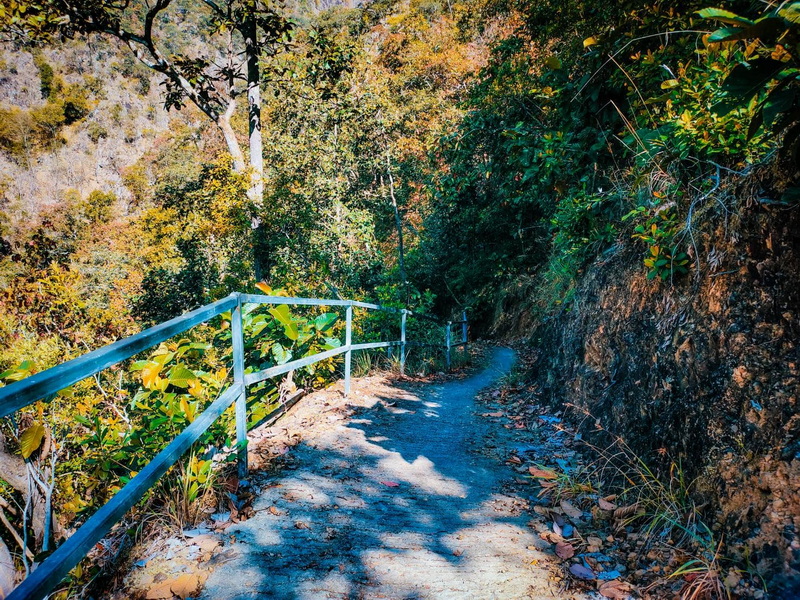
Comfortable, modest clothing is suitable for both village visits and walks in the hills. Covered shoulders and knees are generally a considerate choice when entering homes, religious spaces, or community areas, although local guidance should take priority. Sturdy footwear, sun protection, drinking water, insect awareness, and a small bag for personal waste are useful for rural trekking. Visitors should also consider their fitness and avoid treating a remote path as an emergency-free environment.
Photography deserves special attention. Establish consent before photographing people, and do not assume that paying for an item grants permission to photograph its maker. Ask before filming conversations or recording children. Avoid posting identifiable images of residents without permission, particularly when captions could stereotype the community or present private life as an attraction. These choices protect dignity long after the visitor has left.
Language differences can be handled with patience. A greeting, a calm tone, and an effort to listen often matter more than asking many questions. If communication is difficult, a local guide or translator can help explain expectations, but the visitor should still address residents respectfully rather than speaking about them as though they are absent. Small acts of courtesy shape the quality of the encounter.
Reading the Village Within Mae Hong Son
Ban Huai Kung makes the most sense as one part of a wider Mae Hong Son cultural landscape. The province is not a single uniform trekking destination: valleys, river corridors, forest reserves, temples, borderlands, and villages each have their own character. Connecting a cultural visit with time outdoors can help travelers understand that natural scenery and community life are not separate subjects. The forest may provide materials and water, while trails connect people to work, worship, relatives, and markets.
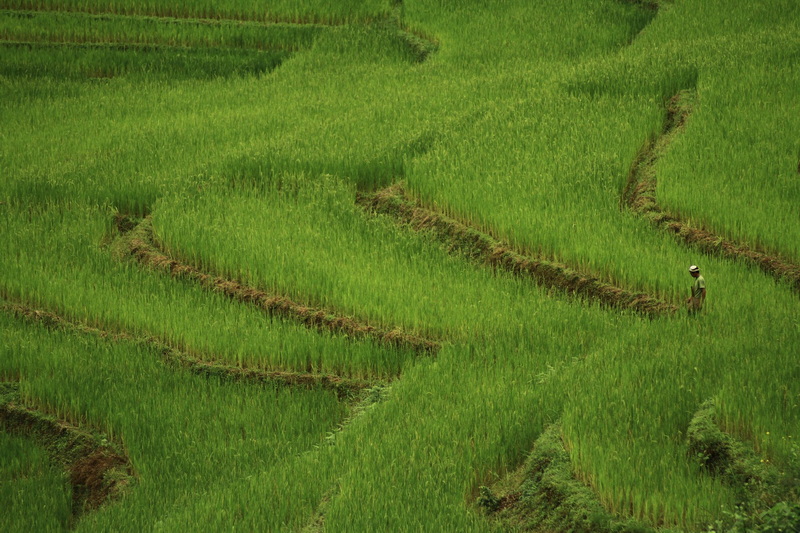
The nearby Salawin National Park adds a broader conservation perspective. Its protected landscapes encourage visitors to think about forests, rivers, wildlife habitat, and the responsibilities that accompany travel in sensitive environments. A visit there should follow current park rules and local guidance rather than rely on assumptions about access or activities. The park is valuable not only for scenery but also for understanding the scale of the natural systems surrounding Mae Hong Son communities.
Ban Mae Sam Laeb offers another regional point of connection, associated with the Salween River landscape and communities near the frontier. Its setting can help travelers appreciate how waterways influence settlement, movement, trade, and local identity. The atmosphere and access conditions may differ from those around Ban Huai Kung, so it is best considered a separate place with its own community context rather than folded into one generalized hill-village experience.
Together, these places suggest a slower style of travel. Instead of trying to collect several stops quickly, travelers can consider how a village, a protected forest, and a river settlement each tell a different part of the region’s story. That approach supports observation over spectacle and encourages a more grounded understanding of northern Thailand.
Nearby Attractions
Salawin National Park
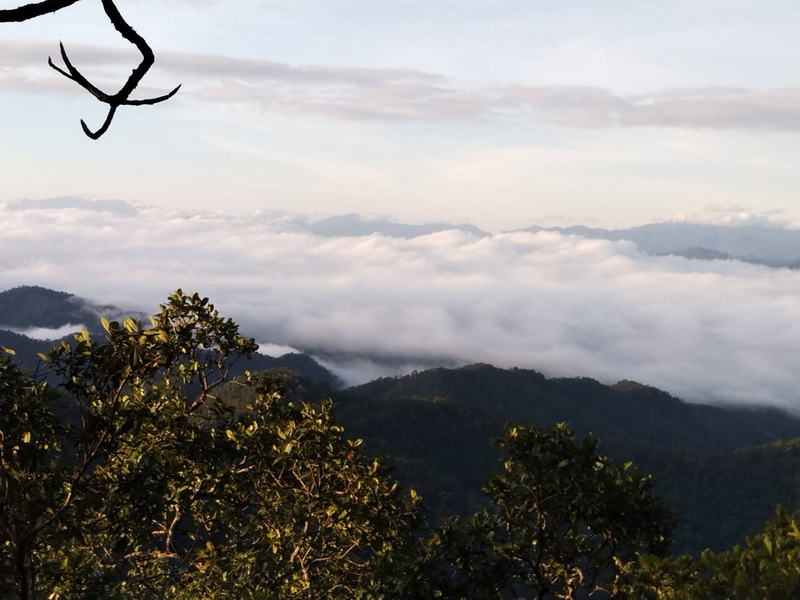
Salawin National Park is a significant natural setting in Mae Hong Son, known for forested terrain and the Salween River along the border region. Its value lies in the relationship between river ecosystems, woodland, wildlife habitat, and the communities that live in the surrounding landscape. Travelers should check current conservation guidance before visiting and avoid assuming that every area or activity is freely accessible.
For someone interested in Ban Huai Kung, the park provides useful environmental context. It shows that trekking routes and village life exist within a larger landscape that needs careful protection. Quiet observation, responsible waste management, and respect for local rules help preserve the character of this important area.
Ban Mae Sam Laeb
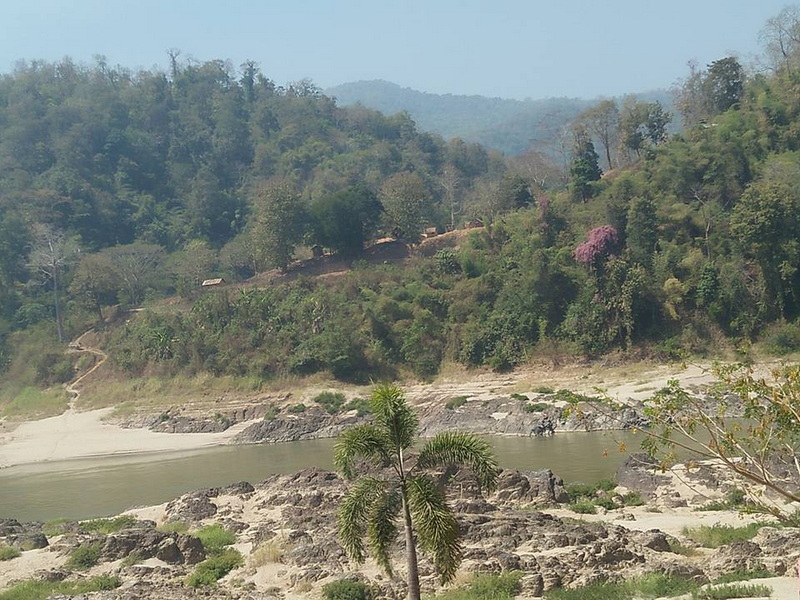
Ban Mae Sam Laeb is a riverside community in Mae Hong Son’s frontier landscape, associated with the Salween River and the cultural connections shaped by life near the waterway. Its location offers a different perspective from a highland village visit, emphasizing river travel, borderland history, local livelihoods, and the ways geography influences community identity.
A visit should be approached as an encounter with a particular community, not as a generalized hill-tribe stop. Ask before photographing people or boats, follow local instructions, and allow residents to define what is appropriate to share. Considering Ban Mae Sam Laeb alongside Ban Huai Kung can reveal the diversity of Mae Hong Son without erasing the distinctions between places.
Final Thoughts
Ban Huai Kung offers travelers a chance to connect cultural curiosity with the forests and mountain paths of Mae Hong Son. Its most meaningful lessons are found in the details: a tradition explained on its own terms, a trail used carefully, a photograph taken only with consent, or a locally made product purchased without treating the maker as part of a display. Whether approached through a village visit, a wider trekking plan, or time near the region’s protected landscapes, the experience becomes richer when community dignity remains central. Travel slowly, verify current arrangements, and allow the people and places of Mae Hong Son to be more complex than a single memorable image.
