Exploring Yi Peng Chiang Mai with Local Tours and Lantern Festival Traditions
Discover the cultural richness of local tours and the enchanting lantern festivals celebrated in Chiang Mai and throughout Thailand
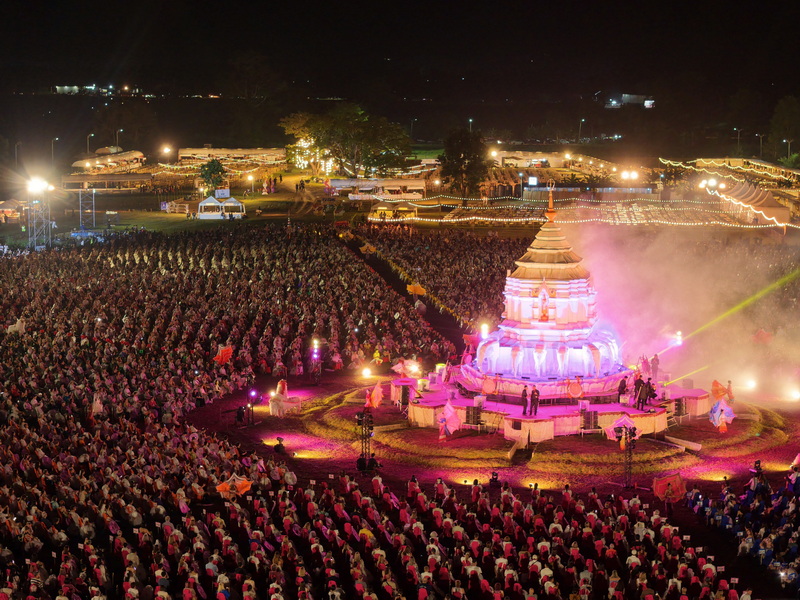
Yi Peng Chiang Mai is a captivating cultural celebration that draws travelers eager to experience the luminous beauty of sky lanterns and the deep traditions of northern Thailand. This festival, often intertwined with the Loy Krathong water lantern festival, offers a unique window into Lanna heritage and communal spirit. Beyond the spectacle of thousands of lanterns ascending into the night sky, visitors can engage with local tours that immerse them in the region’s history, crafts, and natural landscapes. Local Tours in Chiang Mai provide an enriching perspective on the Yi Peng festivities, allowing travelers to explore beyond the festival itself. These tours range from cultural village visits and temple explorations to nature hikes and artisan workshops, each offering a respectful glimpse into the living traditions of the area. Understanding the cultural significance of the Chiang Mai CAD lantern festival enhances the experience, revealing the festival’s symbolism of letting go of misfortunes and making wishes for the future. Furthermore, the Thailand water lantern festival, celebrated nationwide in various forms, complements the Yi Peng lantern release with floating krathongs on rivers and lakes. This tradition reflects reverence for water and the cleansing of negativity, forming a harmonious cultural tapestry that travelers can appreciate through both festival participation and guided tours. This article explores the types of local tours available, the cultural importance of the CAD lantern festival in Chiang Mai, and the broader traditions of water lantern festivals across Thailand.
Types of Local Tours in Chiang Mai
Chiang Mai offers a wide variety of local tours that cater to travelers interested in cultural immersion and natural beauty. Many tours focus on the region’s rich heritage, guiding visitors through ancient temples, traditional craft villages, and historical landmarks that tell the story of the Lanna Kingdom. These tours often include interactions with local artisans, where travelers can observe or participate in making traditional textiles, pottery, or silverwork.
Nature-oriented tours are also popular, with options such as trekking in nearby national parks, visiting waterfalls, or exploring hill tribe villages. These experiences provide insight into the diverse ecosystems surrounding Chiang Mai and the lifestyles of northern Thailand’s ethnic communities. Many local guides emphasize sustainable tourism practices, ensuring that visits benefit the communities and preserve cultural integrity.
During the Yi Peng period, special tours focus on festival-related activities. These may include visits to lantern-making workshops, where travelers learn about the craftsmanship behind the iconic sky lanterns, or guided evenings at festival sites that explain the symbolism and rituals involved. Such tours enrich the festival experience by connecting visitors with the cultural context rather than just the visual spectacle.
The Cultural Importance of the Chiang Mai CAD Lantern Festival
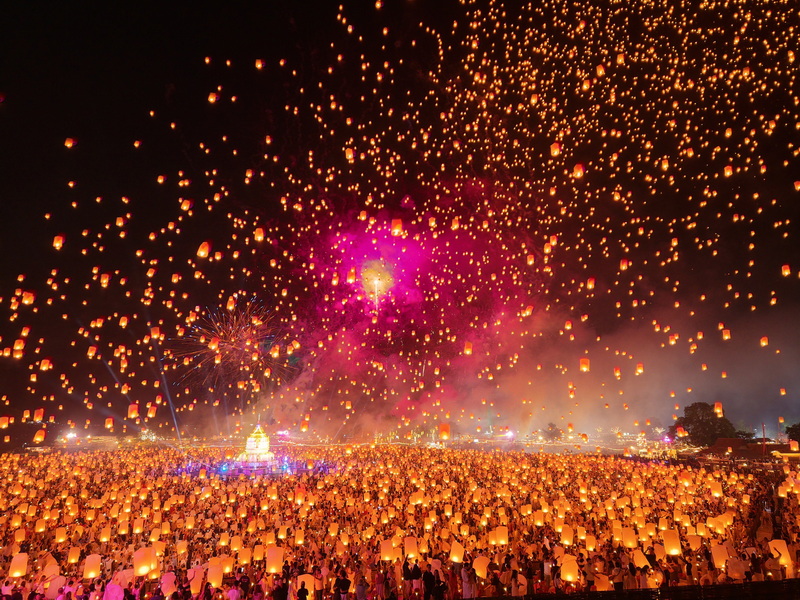
The Chiang Mai CAD lantern festival is a focal point of the Yi Peng celebrations, deeply rooted in Buddhist and Lanna traditions. The release of sky lanterns, or 'khom loi,' symbolizes the release of worries and misfortunes, allowing participants to start anew with hopes and prayers for the future. This act of letting go is both personal and communal, fostering a sense of unity and spiritual renewal among the community and visitors alike.
CAD refers to the Chiang Mai Administrative Division, which organizes official events to ensure the festival’s cultural authenticity and safety. These events often take place in public parks, temples, or open areas where thousands of lanterns are released simultaneously, creating a breathtaking spectacle. The festival also features traditional music, dance, and ceremonies that highlight northern Thailand’s unique cultural identity.
Respectful participation is emphasized during the festival, encouraging visitors to appreciate the rituals without disrupting them. The festival is not only a visual event but a living tradition involving prayers, offerings, and communal celebrations that have been maintained for generations. Understanding this background helps travelers engage meaningfully and honors the cultural significance beyond the beautiful lantern displays.
Thailand Water Lantern Festival Traditions Across the Country
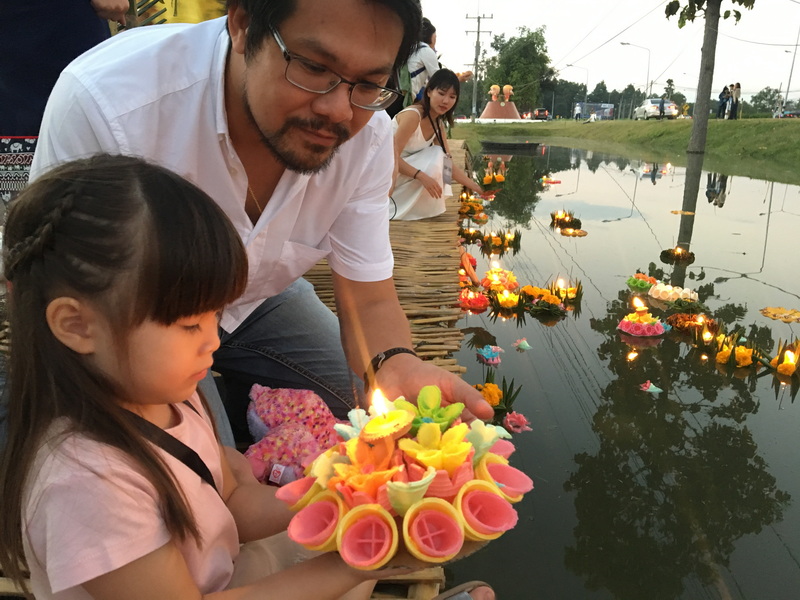
While Yi Peng is specific to northern Thailand, the water lantern festival, known as Loy Krathong, is celebrated nationwide with variations that reflect local customs and environments. During Loy Krathong, small, decorated floats called 'krathongs' are set adrift on rivers, lakes, or ponds. These floats often carry candles, incense sticks, and flowers and symbolize gratitude to the water spirits and the cleansing of negative energy.
The water lantern festival typically coincides with the full moon in November, aligning with the lunar calendar similar to Yi Peng. This timing marks the end of the rainy season and the beginning of the rice harvest, reflecting the agricultural roots of the festivities. In many places, the celebrations include parades, beauty contests, and cultural performances that showcase regional traditions.
The combined observance of sky and water lantern festivals creates a harmonious cultural experience that honors nature, spirituality, and community. Travelers witnessing these traditions gain insight into Thai values of respect, renewal, and harmony with the environment. Local tours often incorporate visits to Loy Krathong events, offering a fuller understanding of how these festivals interconnect across the country.
Engaging Respectfully with Festival Culture and Local Communities
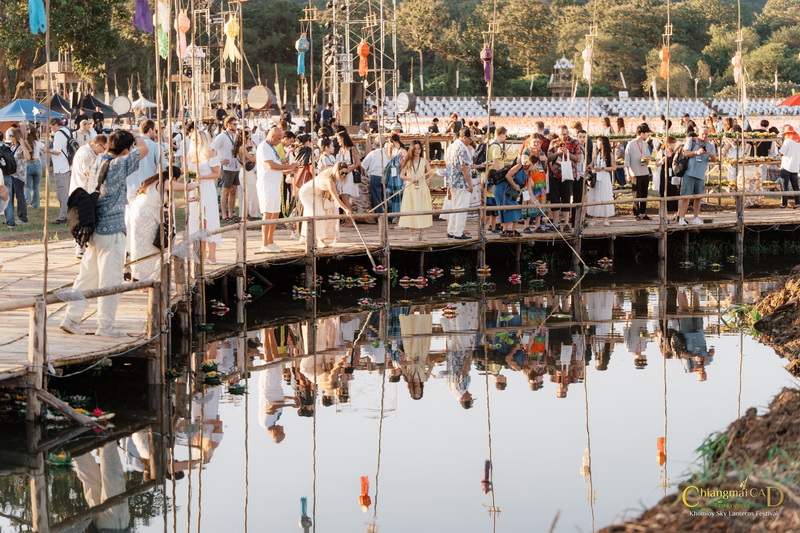
Participating in Yi Peng Chiang Mai and related water lantern festivals offers a profound cultural experience, but it requires mindful engagement to honor local customs and preserve the dignity of these living traditions. Travelers are encouraged to observe and participate with respect, avoiding disruptive behavior or commercialization that can detract from the cultural significance.
Local Tours in Chiang Mai often include educational components that explain the meaning behind rituals and encourage ethical tourism practices. Guides may discuss appropriate ways to handle lanterns, the significance of offerings, and the importance of environmental care, especially concerning the disposal of lantern materials and krathongs to protect natural waterways.
Supporting community-based tourism initiatives helps ensure that the benefits of festival-related travel reach local people and contribute to cultural preservation. Visitors can enhance their experience by learning about the history and values embedded in the celebrations, fostering a deeper appreciation that goes beyond the visual spectacle to embrace the festival’s spiritual and social dimensions.
Final Thoughts
Yi Peng Chiang Mai is more than a stunning visual event; it is a vibrant cultural tradition that intertwines spirituality, community, and artistry. Engaging with the festival through local tours allows travelers to deepen their understanding of northern Thailand’s heritage and the broader context of Thailand’s water lantern festivals. By approaching these celebrations with respect and curiosity, visitors can experience a meaningful connection to the people and traditions that make Yi Peng a cherished part of Chiang Mai’s cultural identity.
