Sightseeing Chamadevi Temple and Nearby Cultural Sites in Lamphun
Discover the rich heritage of Chamadevi Temple alongside nearby temples in Lamphun’s cultural landscape
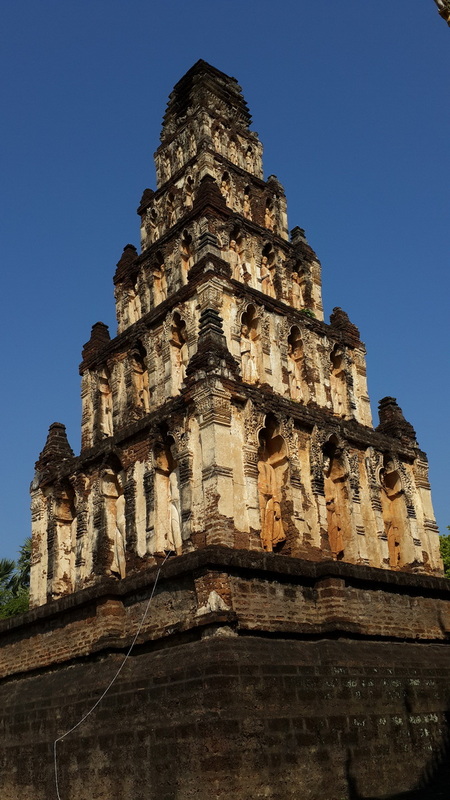
Nestled in the heart of Mueang Lamphun District, Chamadevi Temple stands as a remarkable testament to the region’s rich cultural and religious heritage. Known also as Wat Chamadevi or Wat Ku Kut, this temple offers visitors a unique glimpse into the ancient Lanna Kingdom’s spiritual traditions and architectural elegance. For travelers seeking meaningful cultural sightseeing experiences, Chamadevi Temple is a must-visit destination in Lamphun. Beyond its own historical and spiritual significance, Chamadevi Temple is ideally situated near other notable temples such as Jamdevi Temple and the serene Wat San Pa Yang Luang and Wat Phra Yuen. These nearby sites enrich the visitor’s journey by providing diverse perspectives on local religious art, architecture, and community practices. Exploring these sights in Lamphun allows travelers to weave together a fuller appreciation of northern Thailand’s enduring cultural tapestry. Whether you are arriving independently or as part of a Chiang Mai travel package, the area around Chamadevi Temple invites respectful exploration and reflection. This article highlights key sightseeing opportunities, cultural insights, and visitor tips to enhance your experience of this significant temple and its neighboring attractions.
The Historical and Cultural Significance of Chamadevi Temple
Chamadevi Temple, often referred to as Wat Chamadevi or Wat Ku Kut, is deeply rooted in the history of Lamphun Province. It is named after Queen Chamadevi, the legendary founder of the Hariphunchai Kingdom, which predates the Lanna era. The temple’s name and heritage evoke stories of early Buddhist influence and the establishment of one of northern Thailand’s earliest city-states.
Architecturally, the temple features traditional Lanna-style elements, with intricately carved wooden structures and elegant stupas that reflect centuries of religious devotion. Visitors can observe the peaceful atmosphere and the well-preserved artistry that conveys the spiritual dedication of the local community. The temple grounds provide a contemplative space where the blend of history and living faith is palpable.
The temple’s role as a cultural landmark extends beyond religious functions; it serves as a focal point for festivals and ceremonies that celebrate Lamphun’s unique identity. Understanding its background enriches the visitor’s appreciation and encourages respectful engagement with the site.
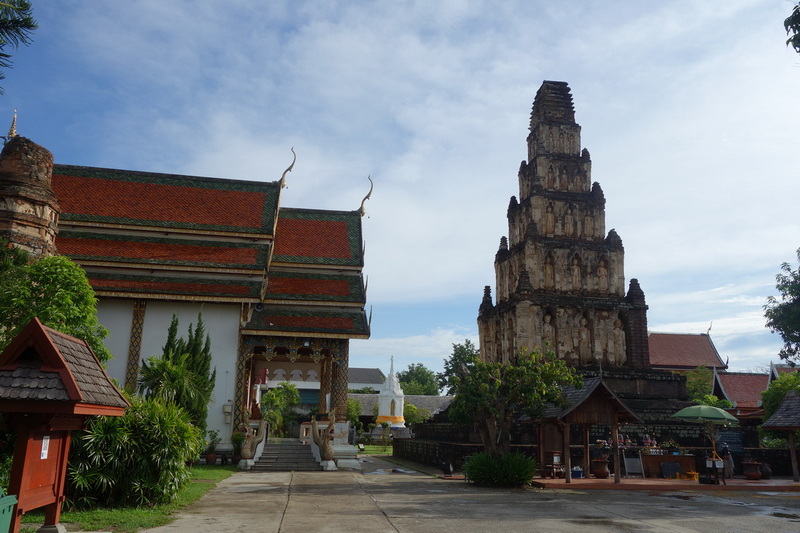
Exploring Jamdevi Temple and Its Cultural Context
Just a short distance from Chamadevi Temple lies Jamdevi Temple, also known by several names including Wat Jamdevi and Ku Kut Temple. This temple complements the historical narrative of the region by offering additional insights into local Buddhist practices and architectural variations within Lamphun.
Jamdevi Temple is notable for its serene setting and the presence of traditional murals and sculptures that depict Buddhist teachings and local legends. The temple’s peaceful ambiance invites visitors to slow down and absorb the spiritual atmosphere, making it an ideal companion stop when touring the area’s sights in Lamphun.
The connection between Chamadevi Temple and Jamdevi Temple underscores the layered religious heritage of the region. Together, they illustrate the enduring devotion and cultural continuity that characterize Lamphun’s temple landscape.
Nearby Temples Enhancing the Sightseeing Experience
Beyond Chamadevi and Jamdevi Temples, two other nearby attractions—Wat San Pa Yang Luang and Wat Phra Yuen—offer visitors further opportunities for cultural immersion. Both temples maintain active roles in the community and showcase distinctive architectural and artistic features that reflect Lamphun’s religious traditions.
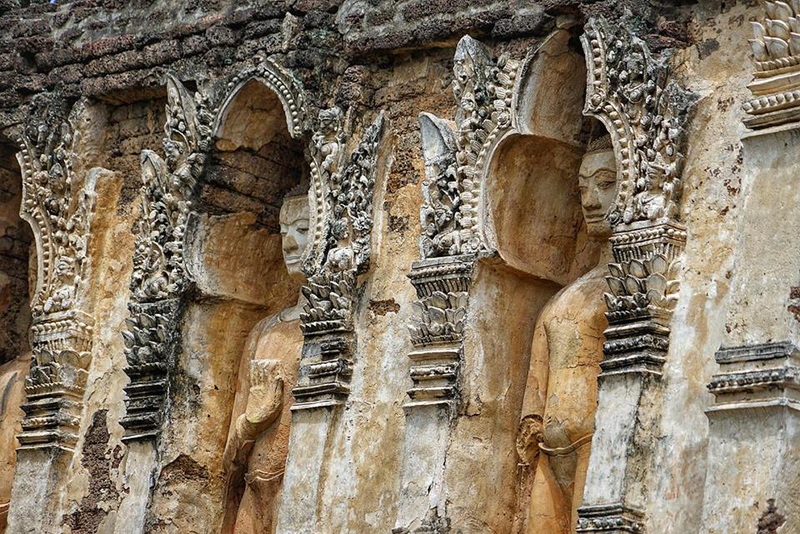
Wat San Pa Yang Luang is known for its tranquil environment and intricate temple structures that display Lanna craftsmanship. It provides a serene setting for visitors to appreciate local Buddhist artistry and participate quietly in the temple’s spiritual ambiance.
Wat Phra Yuen, similarly, offers a glimpse into the religious life of Lamphun’s residents. Its unique design and peaceful surroundings make it a rewarding stop for those interested in the depth and diversity of northern Thailand’s temple culture. Together, these temples complement the sightseeing itinerary around Chamadevi Temple, creating a cohesive cultural journey.
Visitor Tips for Respectful and Enriching Sightseeing
When visiting Chamadevi Temple and its neighboring sites, it is important to approach the experience with cultural sensitivity and respect for local customs. Dress modestly, covering shoulders and knees, and remove shoes before entering temple buildings to honor traditional practices.
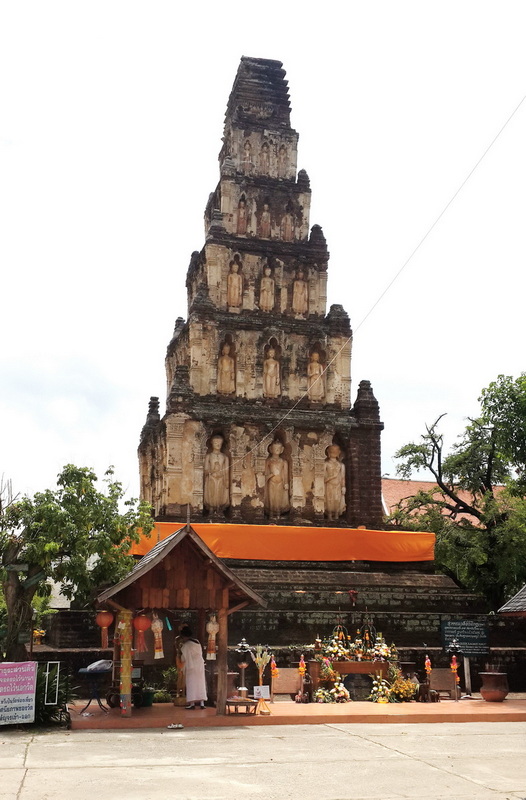
Photography is generally allowed in outdoor areas but should be done discreetly and without disrupting worshippers. Be mindful of signs indicating restricted areas or times when ceremonies are taking place.
Engaging with local monks or guides, when available, can provide valuable insights into the history and significance of each temple. Listening attentively and asking respectful questions enriches the visitor’s understanding and supports cultural exchange.
Lastly, plan your visit during daylight hours when the temples are accessible and the intricate details of the architecture can be fully appreciated. Combining visits to Chamadevi Temple, Jamdevi Temple, and the nearby Wat San Pa Yang Luang and Wat Phra Yuen allows for a well-rounded sightseeing experience that honors Lamphun’s cultural heritage.
Nearby Attractions
Wat San Pa Yang Luang
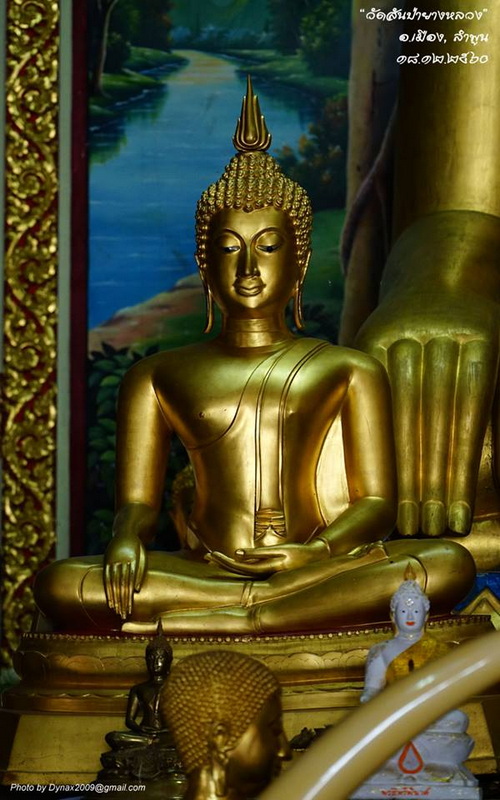
Wat San Pa Yang Luang is a quietly enchanting temple located near Chamadevi Temple. It is admired for its peaceful grounds and traditional Lanna architectural features, including ornate wooden carvings and elegant stupas.
This temple serves as a local spiritual center and welcomes visitors seeking calm and contemplative spaces. The tranquil atmosphere invites reflection and appreciation of the intricate artistry that characterizes Lamphun’s religious sites.
Visiting Wat San Pa Yang Luang offers a complementary cultural experience that deepens understanding of the region’s Buddhist heritage and community life.
Wat Phra Yuen
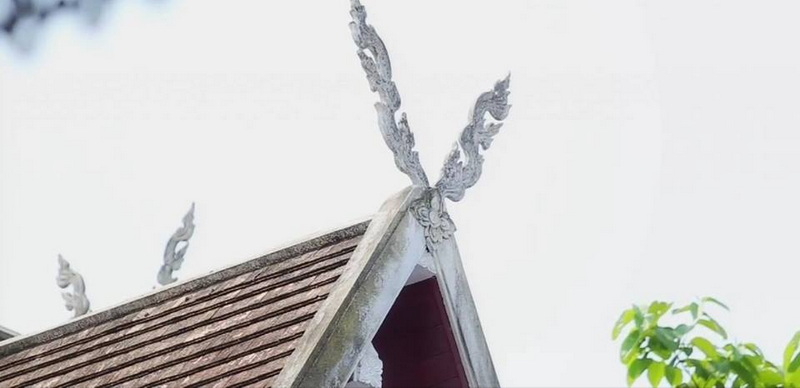
Wat Phra Yuen stands as another significant temple near Chamadevi Temple, known for its distinctive design and serene environment. It holds an important place in Lamphun’s religious landscape, blending historic elements with ongoing spiritual practice.
The temple’s grounds provide a welcoming space for visitors to observe traditional ceremonies and admire the local craftsmanship evident in its architecture and decorations.
Including Wat Phra Yuen in your sightseeing tour enriches your journey through Lamphun’s cultural sites, offering fresh perspectives on the area’s religious traditions and community values.
Final Thoughts
Sightseeing at Chamadevi Temple offers more than just a chance to admire beautiful architecture; it invites visitors into a living story of faith, history, and local identity. By including nearby temples such as Jamdevi Temple, Wat San Pa Yang Luang, and Wat Phra Yuen in your itinerary, you create a layered experience that highlights the diverse and enduring cultural heritage of Lamphun. Approaching these sites with respect and curiosity will ensure a rewarding visit that deepens your appreciation for northern Thailand’s spiritual and artistic traditions.
