Exploring Ban Nam Phiang Din on a Mae Hong Son Day Trip From Chiang Mai
A thoughtful day trip guide to Ban Nam Piang Din and the Karen Longneck community with nearby cultural highlights
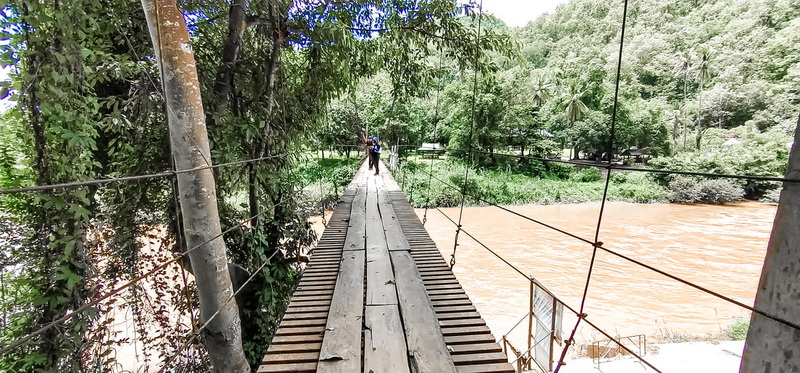
For travelers seeking a meaningful cultural experience from Chiang Mai, a day trip to Ban Nam Piang Din offers a unique window into the lives of the Karen And Karen Longneck Hill Tribe. Nestled in the Mueang Mae Hong Son District, this village presents an opportunity to learn about the traditions and heritage of one of northern Thailand's most distinctive ethnic communities. This article explores practical day trip options to Ban Nam Piang Din, focusing on respectful travel and cultural understanding. Alongside the village visit, nearby attractions like Wat Phra That Doi Kong Mu and Ban Rak Thai enrich the journey, providing a broader context of the Mae Hong Son area’s rich history and natural beauty. Whether you are planning your itinerary or simply curious about the Karen Longneck people, this guide balances travel logistics with cultural insights, encouraging an ethical and appreciative approach to visiting these communities.
Overview of Day Trip Options from Chiang Mai to Ban Nam Piang Din
Embarking on a Mae Hong Son day trip from Chiang Mai to Ban Nam Piang Din can be an enriching experience, though it requires thoughtful planning given the distance and travel conditions. The village lies approximately 250 kilometers west of Chiang Mai, nestled in the mountainous terrain of Mueang Mae Hong Son District. While the journey typically takes around 5 to 6 hours one way by road, a day trip remains feasible for those willing to start early and prioritize efficient travel arrangements. Travelers researching Baan Nam Piang Din can use these details when planning the trip.
Travelers often choose private vehicles or guided group tours that focus on cultural exploration rather than sheer sightseeing speed. The route offers scenic views of northern Thailand’s landscapes, winding through hills and rural communities. While no specific tour services are confirmed here, options generally include combinations of road trip packages or custom itineraries that emphasize visits to ethnic villages like Ban Nam Piang Din.
When considering a day trip, it is important to factor in travel time, road conditions, and the community’s visiting hours. Planning with flexibility allows visitors to engage respectfully with the village and nearby sites without rushing the experience.
Overall, a day trip to Ban Nam Piang Din from Chiang Mai serves as a culturally immersive excursion, balancing travel logistics with moments to appreciate the unique heritage of the Karen Longneck community.
Cultural Background of Ban Nam Piang Din and the Karen And Karen Longneck Hill Tribe
Ban Nam Piang Din is home to the Karen And Karen Longneck Hill Tribe, an ethnic group recognized for their distinctive cultural traditions and attire. The Longneck women, also known as the Padaung, are known for wearing brass neck rings that gradually elongate the neck over time—a practice rooted in their cultural identity and heritage rather than mere adornment.
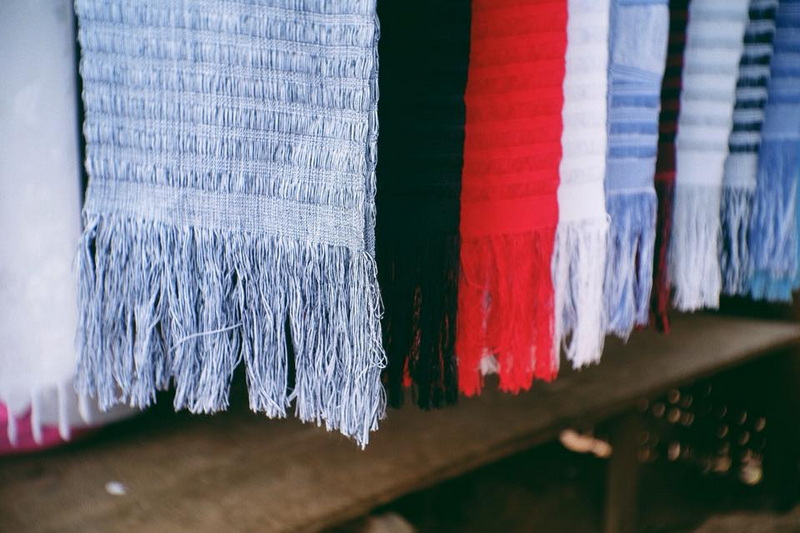
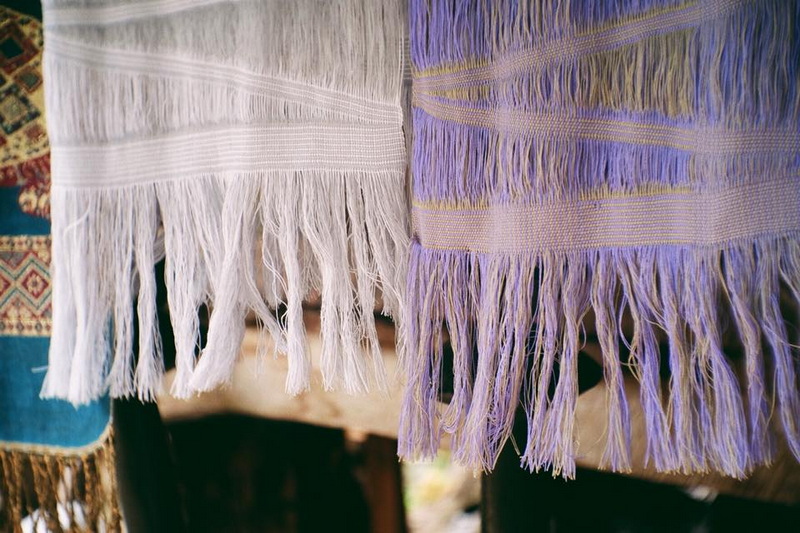
The village reflects a living community where traditional weaving, handicrafts, and agricultural practices continue alongside gradual interactions with visitors. It is essential to approach visits with respect, recognizing the dignity and autonomy of community members rather than treating them as curiosities.
Historically, the Karen people migrated from Myanmar into northern Thailand, settling in remote areas like Mae Hong Son. Their culture emphasizes strong family ties, spiritual beliefs connected to nature, and a deep sense of community. Visitors are encouraged to observe these cultural elements with sensitivity and avoid exoticizing or sensationalizing their way of life.
Engagement with the Karen Longneck community can offer insights into their struggles, resilience, and aspirations, fostering a more nuanced appreciation beyond surface-level observations. Ethical travel practices include seeking permission before photographing, supporting local crafts when appropriate, and respecting community guidelines.
Nearby Attractions That Complement the Ban Nam Piang Din Visit
The cultural journey to Ban Nam Piang Din can be enhanced by exploring neighboring sites that showcase the broader historical and natural environment of Mae Hong Son. Two notable nearby attractions are Wat Phra That Doi Kong Mu and Ban Rak Thai, each offering distinct experiences that complement the village visit.
Wat Phra That Doi Kong Mu is a prominent hilltop temple in Mae Hong Son town, known for its twin pagodas and panoramic views of the surrounding mountains. The temple holds religious significance for local communities and provides a serene atmosphere for reflection and photography. Its location near the town makes it an accessible stop either before or after visiting the Karen Longneck village.
Ban Rak Thai is a small lakeside village near the Myanmar border, famous for its Chinese Yunnan heritage and tea plantations. The village’s tranquil setting and cultural fusion offer a contrasting yet harmonious experience alongside the Karen community. Visitors can enjoy local tea tasting and explore the peaceful natural surroundings.
Including these attractions in a day trip itinerary enriches the understanding of Mae Hong Son’s diverse cultural landscape and provides varied points of interest that balance cultural immersion with scenic beauty.
Travel Considerations and Cultural Experience When Visiting Ban Nam Piang Din
When planning a trip to Ban Nam Piang Din, travelers should prioritize respectful interaction and cultural sensitivity. The community is not a tourist attraction in the conventional sense but a living village with its own rhythms and customs. Visitors should approach with an open mind and a willingness to learn, avoiding behavior that might disrupt daily life or reduce individuals to spectacles.
Practical travel considerations include preparing for a long day of driving, dressing modestly to honor local customs, and understanding that some community members may prefer privacy or limited engagement. It is advisable to communicate intentions clearly and seek permission before taking photographs or entering private spaces.
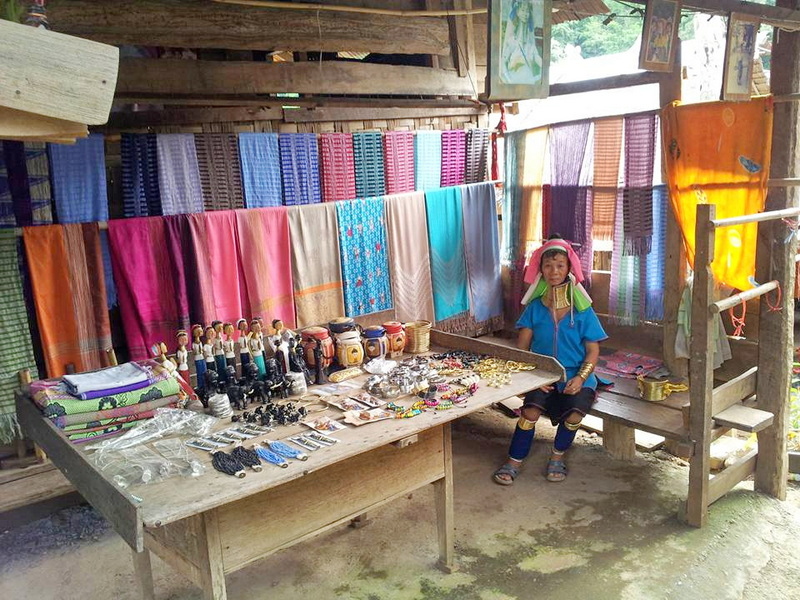
Supporting the community through ethical means—such as purchasing handcrafted goods directly from artisans or contributing to local initiatives—can help ensure that visits benefit residents. Avoiding commercialized or exploitative setups is crucial to maintaining the dignity and sustainability of cultural tourism.
Additionally, visitors should be aware of the environmental context, practicing leave-no-trace principles and respecting natural surroundings. Engaging with local guides knowledgeable about the Karen culture can enhance the experience and provide deeper insights while fostering responsible tourism practices.
Overall, a conscious approach to travel deepens appreciation for the Karen And Karen Longneck Hill Tribe and contributes positively to cultural preservation.
Nearby Attractions
Wat Phra That Doi Kong Mu
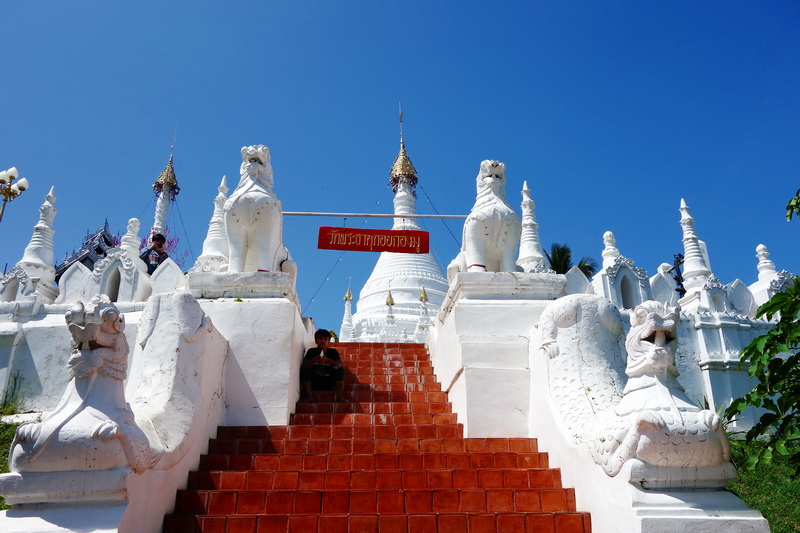
Wat Phra That Doi Kong Mu stands as a spiritual landmark in Mae Hong Son, perched atop a hill overlooking the town. The temple’s twin chedis are striking examples of northern Thai architecture, painted white and gold, symbolizing Buddhist teachings and local heritage.
Visitors to the temple can enjoy sweeping views of Mae Hong Son’s mountainous landscape, making it a favored spot for sunrise or sunset. The temple grounds are peaceful, adorned with statues, prayer flags, and shaded areas for contemplation.
As a site of religious significance, Wat Phra That Doi Kong Mu offers insight into the spiritual life of the region’s inhabitants. It also serves as a cultural touchstone for visitors seeking to understand the intersection of nature, faith, and community in northern Thailand.
Ban Rak Thai
Ban Rak Thai is a picturesque lakeside village near the border with Myanmar, known for its unique blend of Thai and Chinese Yunnanese cultural influences. The village is surrounded by tea plantations and mountainous terrain, creating a calm and scenic environment.
Often called the 'Chinese Tea Village,' Ban Rak Thai invites visitors to explore local tea culture through tastings and visits to tea farms. The village’s architecture, cuisine, and festivals reflect the heritage of settlers who migrated from Yunnan province decades ago.
The serene atmosphere of Ban Rak Thai complements the cultural visit to Ban Nam Piang Din by offering a different perspective on the ethnic and historical diversity found within Mae Hong Son province. It is an ideal place to pause and appreciate the harmonious relationship between people and landscape.
Final Thoughts
A day trip from Chiang Mai to Ban Nam Piang Din offers travelers a rare chance to engage with the Karen And Karen Longneck Hill Tribe in a meaningful and respectful way. By balancing the practical aspects of travel with cultural sensitivity, visitors can gain a deeper understanding of this community’s heritage and contemporary life. Including nearby attractions like Wat Phra That Doi Kong Mu and Ban Rak Thai adds richness to the journey, highlighting the diverse cultural tapestry of the Mae Hong Son area. Thoughtful planning and an ethical approach to visiting ensure that this experience remains both memorable and considerate, fostering appreciation for one of northern Thailand’s most fascinating cultural landscapes.
