Trekking Routes Linking Mae Klang Luang Village and Doi Inthanon National Park via Pha Dok Siew Nature Trail
A practical guide to trekking routes connecting Mae Klang Luang Village with Doi Inthanon National Park and nearby trails
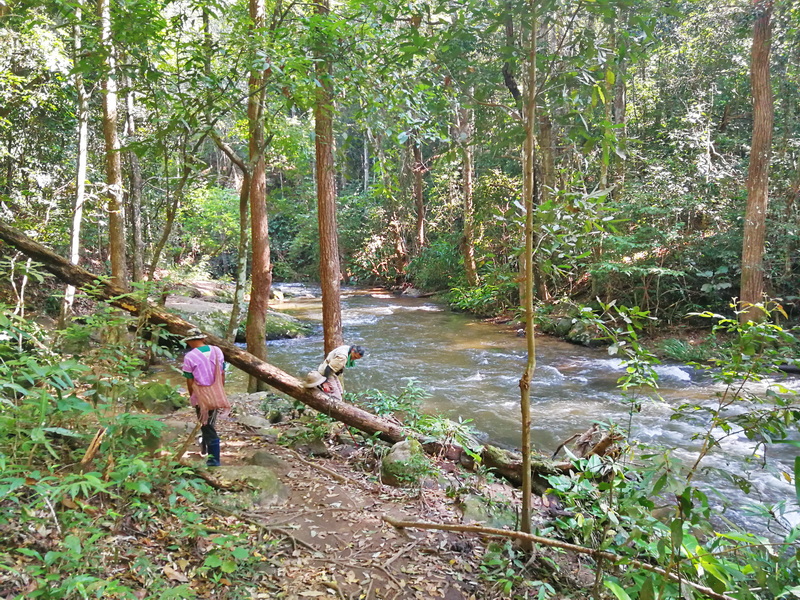
The Pha Dok Siew Nature Trail offers trekking enthusiasts a unique opportunity to explore one of northern Thailand’s most captivating landscapes by linking the traditional Mae Klang Luang Village with the vast Doi Inthanon National Park. This trail is not only a passage through pristine natural surroundings but also a journey into the cultural heart of the region, where hill tribe communities live in harmony with the environment. For trekkers planning their route, understanding the terrain, trail conditions, and nearby attractions is essential to fully appreciate the experience. Starting from Mae Klang Luang Village, a serene settlement known for its lush rice terraces and warm local hospitality, trekkers can navigate through varied terrain that gradually ascends toward the higher elevations of the national park. The Pha Dok Siew trek features a mix of forest paths, river crossings, and scenic viewpoints, including the impressive Pha Dok Siew Waterfall. Along the way, the trail reveals the rich biodiversity of Doi Inthanon National Park, home to Thailand’s highest peak and an array of endemic flora and fauna. This guide provides practical insights for trekking Pha Dok Siew, highlighting the trail’s connection between village life and natural wonders. It also introduces nearby attractions like the Kew Mae Pan Nature Trail and the Doi Inthanon Hmong Market, which offer additional exploration opportunities for nature lovers and culture seekers alike. Whether you are an experienced trekker or planning your first visit, this overview aims to build confidence and clarity for a rewarding trekking adventure in the Chom Thong District of Chiang Mai.
Overview of the Trekking Route from Mae Klang Luang Village to Doi Inthanon National Park
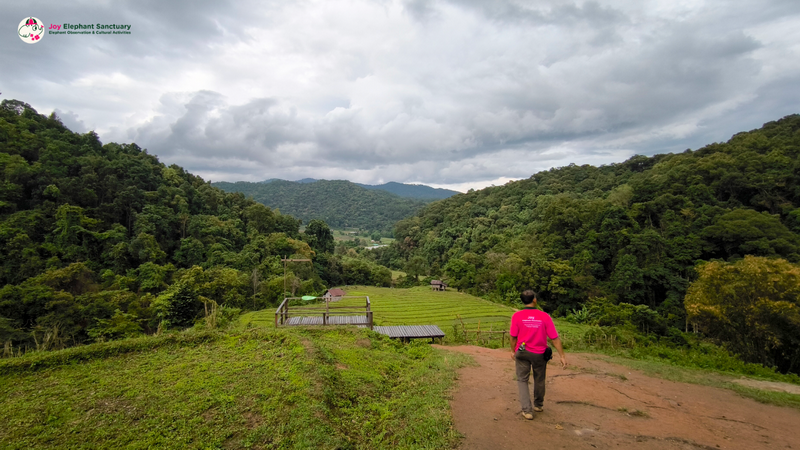
The Pha Dok Siew Nature Trail serves as a vital link between Mae Klang Luang Village and Doi Inthanon National Park, offering a trekking route that combines cultural immersion with natural exploration. The trail begins in the village, winding through terraced fields that have been cultivated by local communities for generations. These rice terraces not only provide a scenic backdrop but also illustrate the sustainable agricultural practices preserved by the villagers.
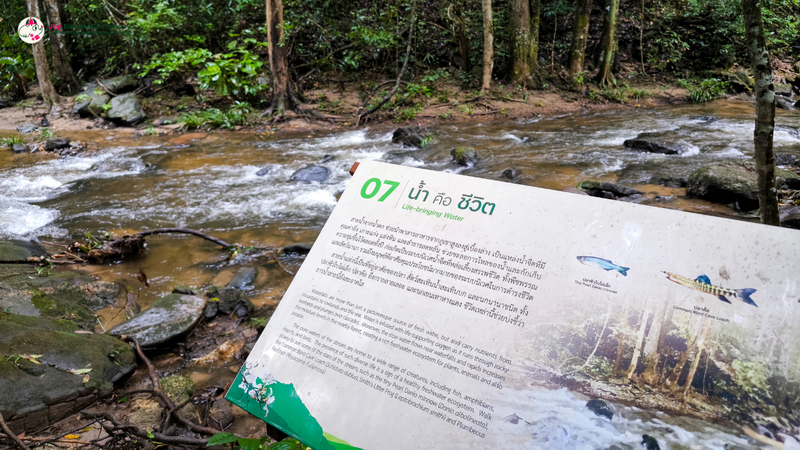
From the village, the trail gradually leads into denser forest areas characterized by a variety of native trees and understory plants. Trekkers will find the path well-marked but should be prepared for moderate elevation changes and occasional rocky sections. The route culminates near the boundary of Doi Inthanon National Park, where the landscape opens up to reveal panoramic views of the surrounding mountains.
Along this route, the Pha Dok Siew Waterfall is a key highlight offering a refreshing stop. The sound of cascading water and the lush greenery create a tranquil atmosphere that contrasts with the exertion of the hike. This combination of natural beauty and cultural heritage makes the Pha Dok Siew trek a memorable experience.
Terrain and Trail Conditions Along the Pha Dok Siew Trek
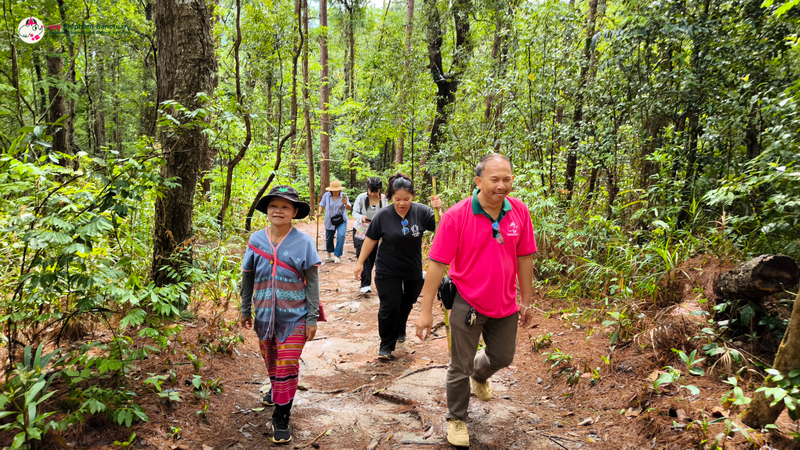
Hiking the Pha Dok Siew Nature Trail involves navigating a diverse terrain that challenges and rewards trekkers in equal measure. The initial sections near Mae Klang Luang Village are relatively gentle, passing through cultivated fields and small rural paths. As the trail progresses, it transitions into forested tracks with uneven ground, roots, and occasional rocky patches requiring careful footing.
The trail elevation steadily increases, with some steep ascents particularly near the waterfall area. Weather conditions can influence trail conditions significantly; during the rainy season, sections of the path may become muddy and slippery, so appropriate footwear and trekking poles are recommended. Dry season treks offer firmer ground but may expose hikers to stronger sunlight in open areas.
Water sources are available at several points along the route, including streams near the waterfall, but carrying sufficient water remains essential. Signage along the trail is generally clear, though some sections require attention to avoid missing junctions. Overall, the trail is accessible to trekkers with moderate experience and good physical fitness.
Cultural Insights and Natural Highlights Around Mae Klang Luang Village and Doi Inthanon
Mae Klang Luang Village is a vibrant community nestled amid rolling rice terraces, inhabited primarily by Karen hill tribe people. The village offers a glimpse into traditional lifestyles, with farming practices and handicrafts that have been passed down through generations. Respectful interaction with locals enriches the trekking experience, fostering understanding of their relationship with the natural environment.
Beyond cultural encounters, the trail and surrounding park areas boast remarkable biodiversity. Doi Inthanon National Park, home to Thailand’s highest mountain peak, shelters a variety of ecosystems ranging from subtropical forests to montane cloud forests. Birdwatchers and nature enthusiasts will find ample opportunities to spot rare species, while botanists can appreciate the diverse plant life including orchids and rhododendrons.
The Pha Dok Siew Waterfall itself is a natural jewel, its cascades flowing into clear pools surrounded by dense foliage. This site exemplifies the harmonious coexistence of natural beauty and community-managed trails, underscoring the importance of conservation efforts in the region.
Practical Tips for Trekking the Pha Dok Siew Nature Trail
Planning a trek along the Pha Dok Siew Nature Trail requires attention to timing, gear, and local conditions. The best months for trekking are generally from November to February, when the weather is cooler and drier. Avoiding the heavy rains of the monsoon season ensures safer trails and more comfortable hiking conditions.
Trekking gear should include sturdy hiking boots, sun protection, insect repellent, and rain gear depending on the season. Since the trail passes through remote areas, carrying sufficient water and snacks is advisable. Hiring a local guide can enhance safety and provide valuable insight into the cultural and natural aspects of the route.
Respect for local customs and the environment is paramount. Trekkers should avoid disturbing wildlife, refrain from littering, and be mindful when visiting village areas. Supporting local communities by purchasing handmade crafts or hiring village guides helps sustain the cultural heritage connected to the trail.
Exploring Nearby Trails and Attractions to Complement the Pha Dok Siew Trek
In addition to the Pha Dok Siew Nature Trail, the region offers other nearby attractions that enrich the trekking itinerary. The Kew Mae Pan Nature Trail is a well-known route within Doi Inthanon National Park, famous for its panoramic views and diverse flora. This trail is an excellent option for trekkers seeking a shorter but equally rewarding hike close to the Pha Dok Siew route.
Another highlight nearby is the Doi Inthanon Hmong Market, where visitors can experience the vibrant culture of the local hill tribes. The market offers fresh produce, traditional textiles, and handicrafts, providing a valuable opportunity to support the local economy while engaging respectfully with the community.
Incorporating these nearby attractions into your trekking plan allows for a richer experience, blending physical challenge with cultural appreciation and natural discovery.
Nearby Attractions
Kew Mae Pan Nature Trail
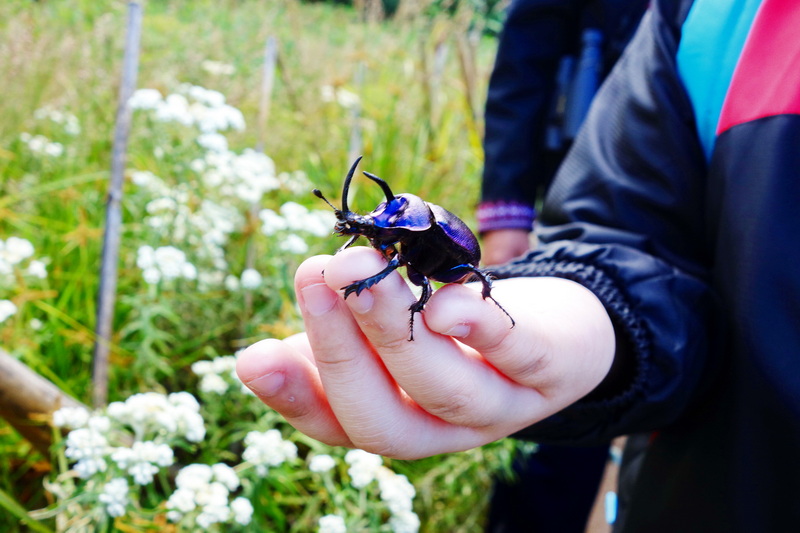
The Kew Mae Pan Nature Trail is a popular hiking route within Doi Inthanon National Park, known for its breathtaking views and rich biodiversity. The trail features well-maintained boardwalks and footpaths that wind through mossy forests and past mountain streams, making it accessible to a wide range of trekkers. Visitors often spot rare bird species and endemic plants along the way.
This trail complements the Pha Dok Siew trek by offering a different perspective of the park’s ecosystems. Its relatively short length allows for a half-day excursion, ideal for those looking to add variety to their trekking itinerary in the region.
Doi Inthanon Hmong Market
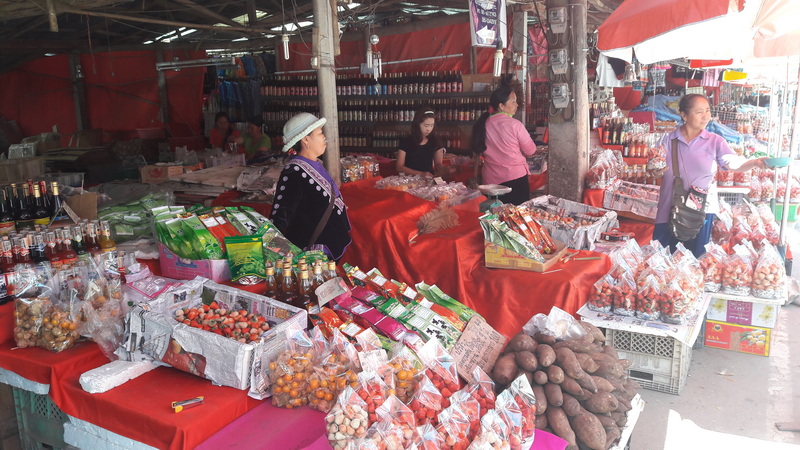
Located near the entrance to Doi Inthanon National Park, the Doi Inthanon Hmong Market is a vibrant hub where local hill tribe people sell fresh vegetables, handmade textiles, and traditional crafts. The market provides an authentic cultural experience and insight into the daily lives of the Hmong community.
Visitors are encouraged to approach the market with respect and curiosity, appreciating the craftsmanship and supporting local livelihoods. The market’s colorful displays and friendly atmosphere make it a worthwhile stop before or after trekking the nearby trails.
Final Thoughts
The Pha Dok Siew Nature Trail offers a compelling blend of natural beauty, cultural richness, and physical adventure for those trekking between Mae Klang Luang Village and Doi Inthanon National Park. By understanding the trail conditions, respecting local communities, and exploring nearby attractions such as the Kew Mae Pan Nature Trail and Doi Inthanon Hmong Market, trekkers can craft a well-rounded and meaningful itinerary. This journey not only challenges the body but also deepens appreciation for the environment and traditions of northern Thailand, leaving visitors with lasting memories and a sense of connection to this remarkable region.

No comments:
Post a Comment